
Main Courses
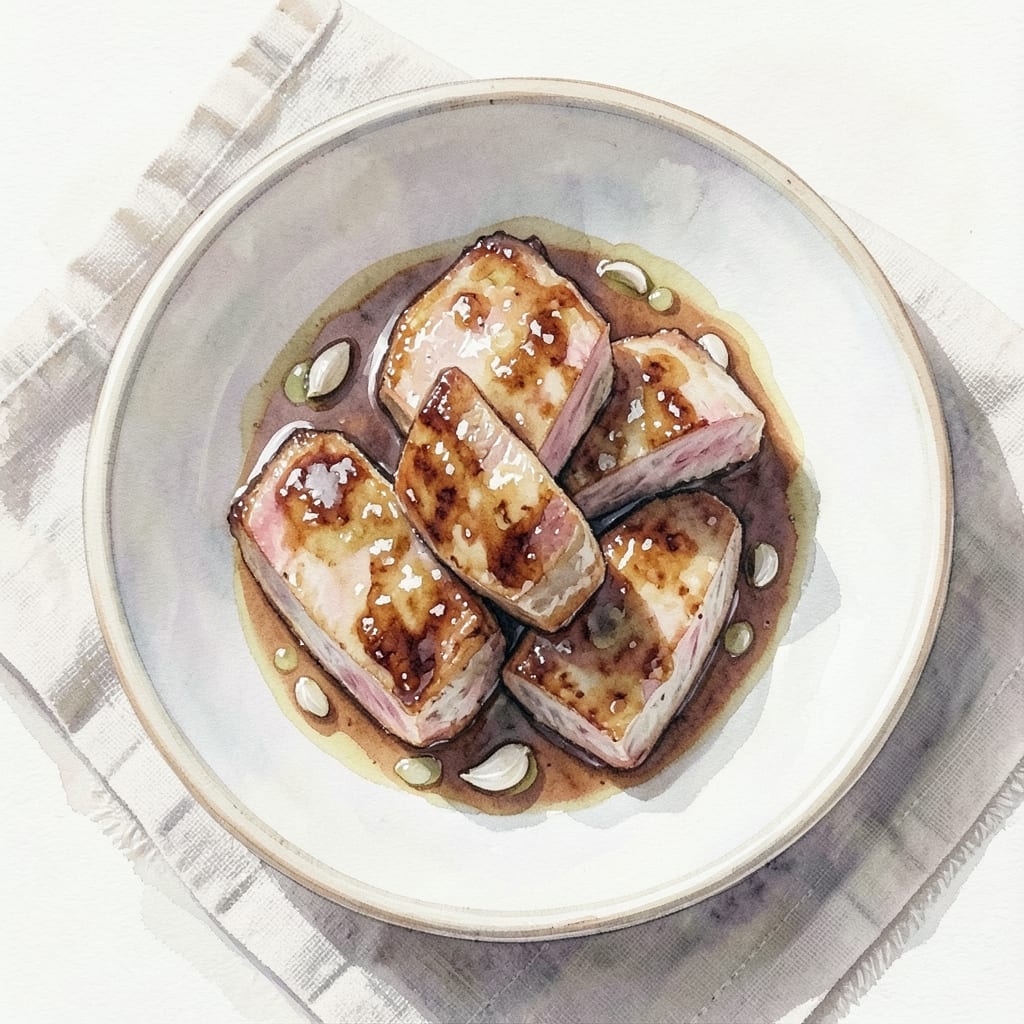
This bistek Tagalog pork chop recipe delivers the crispy, caramelized edges and tangy vinegar zing that make Filipino comfort food unforgettable. After perfecting this dish during a trip to Manila, I learned how the right balance of soy, vinegar, and garlic transforms simple pork chops into a restaurant-worthy centerpiece. The secret lies in the marinade—it tenderizes while building layers of flavor that develop as they sear in the pan.
What sets this recipe apart is the crispy crust achieved through high-heat searing, followed by a quick deglaze that creates a glossy, tangy sauce. Unlike traditional bistek made with pork shoulder, these chops deliver the same bold flavors in a quicker cooking time—ideal for weeknight dinners that still feel special. The vinegar cut through the richness beautifully, creating that signature bright acidity that defines authentic Tagalog bistek.
By the time you're done, you'll have golden-brown chops with tender centers, each bite delivering a perfect balance of savory, sweet, and tangy notes. The sauce clings to the pork, creating a sticky, caramelized glaze that's impossible to resist. This is the kind of dish that transforms ordinary weeknights into a taste of home, with minimal effort but maximum flavor impact.
Pair these chops with steamed jasmine rice and sautéed green beans for a complete Filipino-inspired meal. The crispy edges and tender meat make every bite satisfying, while the tangy sauce adds a refreshing contrast. Let's bring this classic recipe to your table with professional results you'll want to make again and again.
Ingredients for bistek pork chop
Here's everything you need to create crispy, caramelized pork chops with that signature tangy sauce.
| Ingredient | Amount | Notes |
|---|---|---|
| Bone-In Pork Chops 🥩 | 1 ½ lb | 1-inch thick, cut even thickness |
| Soy Sauce 🍶 | ½ cup | Light or regular, not low-sodium |
| White Vinegar 🍋 | ¼ cup | Distilled preferred for tang |
| Garlic Cloves 🧄 | 6 cloves | Minced finely for strong flavor |
| Brown Sugar 🍯 | ¼ cup | Light or dark, packed |
| Olive Oil 🫒 | 2 tbsp | For high-heat searing |
| Black Peppercorns 🌶️ | 1 tsp | Freshly cracked, coarse grind |
| Salt 🧂 | 1 ½ tsp | Kosher or sea salt |
| Green Onions 🧅 | 2 whole | Sliced thin for garnish |
| Fresh Ginger 🌿 | 1 tbsp | Grated finely, fresh preferred |
| Vegetable Oil 🫒 | ½ cup | High smoke point for frying |
| Water 💧 | ¼ cup | For deglazing pan |
The pork chops are the star—look for bone-in cuts with good marbling at Costco or your local butcher. 1-inch thickness ensures even cooking and crispy edges. If your chops vary in thickness, pound them gently to even them out. The soy sauce should be light or regular (not low-sodium), and Filipino brands like Silver Swan add that authentic depth. Vinegar is non-negotiable for that signature tang, so grab a bottle of distilled white vinegar—it's sharper and more reliable than malt vinegar. Fresh ginger and garlic are worth the extra minute to grate and mince finely—they make all the difference in flavor.
No brown sugar? White sugar works fine, but it won't caramelize as dramatically. Short on soy sauce? Coconut aminos in a pinch (though it's sweeter). The green onions are purely for garnish, so skip them if you're in a rush—just add a pinch more black pepper for brightness. For the oil, vegetable or canola oil is best for high-heat searing, but olive oil works too if you're using it for both cooking and finishing. The key to that glossy sauce is the quick deglaze with water—don't skip it, or you'll miss out on all that caramelized flavor.
Pork chops keep best in the fridge for 2 days if uncooked, wrapped tightly in plastic. The marinade ingredients (soy, vinegar, garlic, ginger) can be prepped ahead and stored in a jar for 1 week. Once cooked, these chops reheat beautifully—just warm in a skillet with a splash of water for 2-3 minutes. Leftovers freeze well for 3 months, though they're best enjoyed fresh. The crispy crust softens when reheated, so plan to serve these right after cooking for maximum texture.
Why You'll Love This Recipe
- Five-Ingredient Magic: This recipe lives on five pantry staples—no fancy prep, no last-minute grocery runs. The bone-in chops stay juicy while the vinegar and soy sauce work their tangy-sweet alchemy in one pan.
- Crispy-Sweet Payoff: That caramelized brown sugar crust? Chef’s kiss. The garlic sears right into the meat, leaving you with a perfect balance of sticky, savory, and just a hint of tang—like a cross between a pub favorite and a home-cooked hug.
- Weeknight & Weekend: Toss it on the table for a busy Tuesday or double the batch for a potluck. The leftovers reheat like a dream, and honestly? I’ve served this to skeptical in-laws and my picky 10-year-old—both cleared their plates.
- Budget Hero: Bone-in chops stretch further than you’d think, and the ingredients cost pennies. I’ll be real: this is the dish I make when I’m broke but still want to feel like I’m treating myself. (Yes, even on a Tuesday night.)
Step-by-step instructions for bistek Tagalog pork chops
Here's how to achieve that signature crispy caramelized crust with tender meat inside.
Prepare the Pork Chops for Maximum Crispiness
Pat the 1.5 lb bone-in pork chops completely dry with paper towels—this is non-negotiable for crispy edges. I press down firmly on each chop, especially around the edges where moisture tends to linger. Place them on a plate and season both sides generously with 1.5 tsp salt and 1 tsp freshly cracked black peppercorns. Let them sit at room temperature for 15 minutes before cooking.
The reason for this resting time is simple: cold meat cooks unevenly. Room temperature meat ensures even browning and proper searing. While they rest, finely mince the 6 cloves garlic and grate the 1 tbsp fresh ginger using a microplane. These aromatics will infuse the marinade with deep flavor.
Create the Signature Marinade
In a bowl, whisk together the 0.5 cup soy sauce, 0.25 cup white vinegar, 0.25 cup brown sugar, minced garlic, and grated ginger. This marinade is the soul of bistek Tagalog—the tangy vinegar cuts through the richness, while the brown sugar creates that beautiful caramelized crust. Taste it now and adjust the sugar slightly if you prefer more or less sweetness.
Pour the marinade into a resealable plastic bag and add the seasoned pork chops. Gently massage the marinade over each chop, ensuring it coats all surfaces. Seal the bag and marinate in the refrigerator for at least 1 hour (overnight works best). This step ensures the meat absorbs all those wonderful flavors and develops that signature tender texture.
Sear for Crispy Perfection
Heat 2 tbsp olive oil in a large skillet over medium-high heat until shimmering. Remove the pork chops from the marinade (don't drain) and add them to the pan, bone-side down first. Cook undisturbed for 4 minutes until a deep golden-brown crust forms. Flip carefully and cook the other side for another 3-4 minutes until the edges are crispy and caramelized.
Here's the thing—don't rush this step. You'll know it's ready when the crust releases easily from the pan with a gentle nudge. If it sticks, your heat might be too low. Transfer the chops to a plate and tent loosely with foil to keep warm while you work on the sauce.
Build the Tangy Glaze
Return the skillet to medium heat and add 0.5 cup vegetable oil. Pour in the reserved marinade from the bag and scrape up all those delicious browned bits from the bottom of the pan. These bits are pure flavor—don't skip this step! Bring the mixture to a gentle simmer and cook for 3-4 minutes until it thickens slightly and coats the back of a spoon.
Add 0.25 cup water to the pan and simmer for another 2 minutes until the sauce reduces slightly and becomes glossy. Taste and adjust seasoning if needed—you might want to add a touch more soy sauce for saltiness or a splash of vinegar for tang. The sauce should be sticky and just thick enough to coat the back of a spoon.
Finish and Serve with Style
Return the pork chops to the skillet and spoon the sauce generously over the top. Let them simmer together for 1-2 minutes to absorb all that glorious flavor. Thinly slice the 2 whole green onions and sprinkle them over the top for freshness and color.
Serve immediately with steamed rice to soak up that delicious sauce. The pork chops should have a perfect balance of crispy, caramelized edges with tender, juicy meat inside. Each bite delivers that perfect harmony of sweet, tangy, and savory flavors that makes bistek Tagalog so special.
Pro Tips For Making Bistek Pork Chop
- SEAR FIRST, SAUCE LATER: High heat for 2-3 minutes on each side until deep golden—this isn’t just for looks. The crust locks in flavor when you add the soy-vinegar mix later, so don’t rush it or you’ll end up with mushy edges.
- MINCE THAT GARLIC: Use a knife, not a press—finely chopped garlic burns faster and blends better into the sauce. I learned this the hard way when my first batch tasted raw and bitter. (Yes, even if you’re impatient like me.)
- DON’T SKIP THE REST: Let the chops sit 5-10 minutes under foil after cooking. I used to serve them straight off the pan, and they’d dry out or lose their juices. This step keeps them tender, especially with bone-in cuts.
- SWEAT THE VINEGAR: Add white vinegar after the garlic has softened but before it browns—this balances the acidity without overpowering. I was skeptical until I tried it: the sauce stays bright and tangy, not harsh.
Common mistakes when making perfect results
Over-Marinating Risks
Leaving pork chops in marinade for too long—more than 4 hours—can turn tender meat into something tough and mushy. The acid in vinegar and soy sauce breaks down muscle fibers, but extended exposure weakens the protein structure. I've seen home cooks marinate overnight and end up with chops that fall apart at the slightest touch. For best results, stick to 1-2 hours in the fridge, or overnight if using a gentle marinade with less acid. 🌶️
Skipping the Rest
Cold pork chops straight from the fridge won't brown properly—they'll steam instead of sear, leading to pale, soggy edges. That 15-minute room temperature rest is crucial for even cooking. I once rushed a batch and ended up with uneven doneness—one side crispy, the other still pink. Use a meat thermometer to check: chops should reach 145°F internal temperature before serving.
Wrong Heat Level
Medium heat won't give you that signature crispy crust—you need medium-high heat for proper caramelization. Too low, and you'll end up with greasy, sticky chops instead of golden-brown perfection. I recommend using a cast iron skillet (like my Lodge 10.25-inch) because it retains heat better than nonstick pans. Watch for smoke—if it's billowing, your oil is too hot. Adjust to see gentle ripples in the oil.
Not Deglazing Properly
Those browned bits stuck to your pan are flavor gold! Skipping the deglaze means losing all that caramelized goodness that makes the sauce so rich. After searing, immediately add 0.5 cup vegetable oil and scrape vigorously with a wooden spoon. The oil helps lift the fond (browned bits) while keeping the sauce from becoming too thick. This step is what transforms a good dish into a great one. 💫
Using the Wrong Oil
Olive oil has a lower smoke point (375°F) and can turn bitter when overheated. For high-heat searing, use vegetable or canola oil—they handle 400-450°F without breaking down. I've ruined many batches using olive oil for searing, only to taste that unpleasant burnt flavor. Save your extra-virgin olive oil for finishing or dressings where its delicate flavor shines.
Overcrowding the Pan
Cooking too many chops at once lowers the pan's temperature, leading to steamed instead of seared meat. For 1.5 lb pork chops, use a 10-inch skillet and cook in batches if needed. I've made this mistake with a crowded pan, resulting in chops that absorbed oil instead of developing that crispy crust. Give each chop space to breathe—this is non-negotiable for restaurant-quality results.
Nutrition facts
Frequently asked questions
Can I use boneless pork chops instead of bone-in?
Yes, but boneless chops will cook faster and may not develop the same crispy edges. For best results, choose 1-inch thick boneless chops and reduce cooking time by 1-2 minutes per side. The marinade and sauce techniques remain identical—just watch them closely to avoid overcooking.
What's the best substitute for white vinegar?
For authentic tang, use rice vinegar or apple cider vinegar—both work well. If you're out of vinegar entirely, a mix of lemon juice and a pinch of sugar can mimic the acidity, though the flavor won't be identical. The vinegar is key for that signature bright finish.
How do I make this recipe with less sugar?
Reduce the brown sugar to 2 tablespoons and add 1 teaspoon of honey for depth. The sauce will still caramelize but won't be as sweet. For extra tang, increase the vinegar to 3 tablespoons. Taste as you go—this keeps the dish balanced without sacrificing flavor.
Can I grill these pork chops instead of pan-searing?
Preheat your grill to medium-high (400°F) and brush the chops with 1 tablespoon oil before grilling for 4-5 minutes per side for 1-inch chops. Finish with the same sauce technique—just deglaze your grill grates with water instead of oil. The smoky flavor pairs beautifully with the tangy sauce.
Why is my sauce too thin?
If your sauce is watery, simmer it uncovered for 2-3 extra minutes to reduce. For thicker results, add 1 teaspoon of cornstarch mixed with 1 tablespoon water and stir until glossy. Never skip the deglaze step—those browned bits are essential for thickening. The sauce should coat the back of a spoon but still be pourable.