
Main Courses
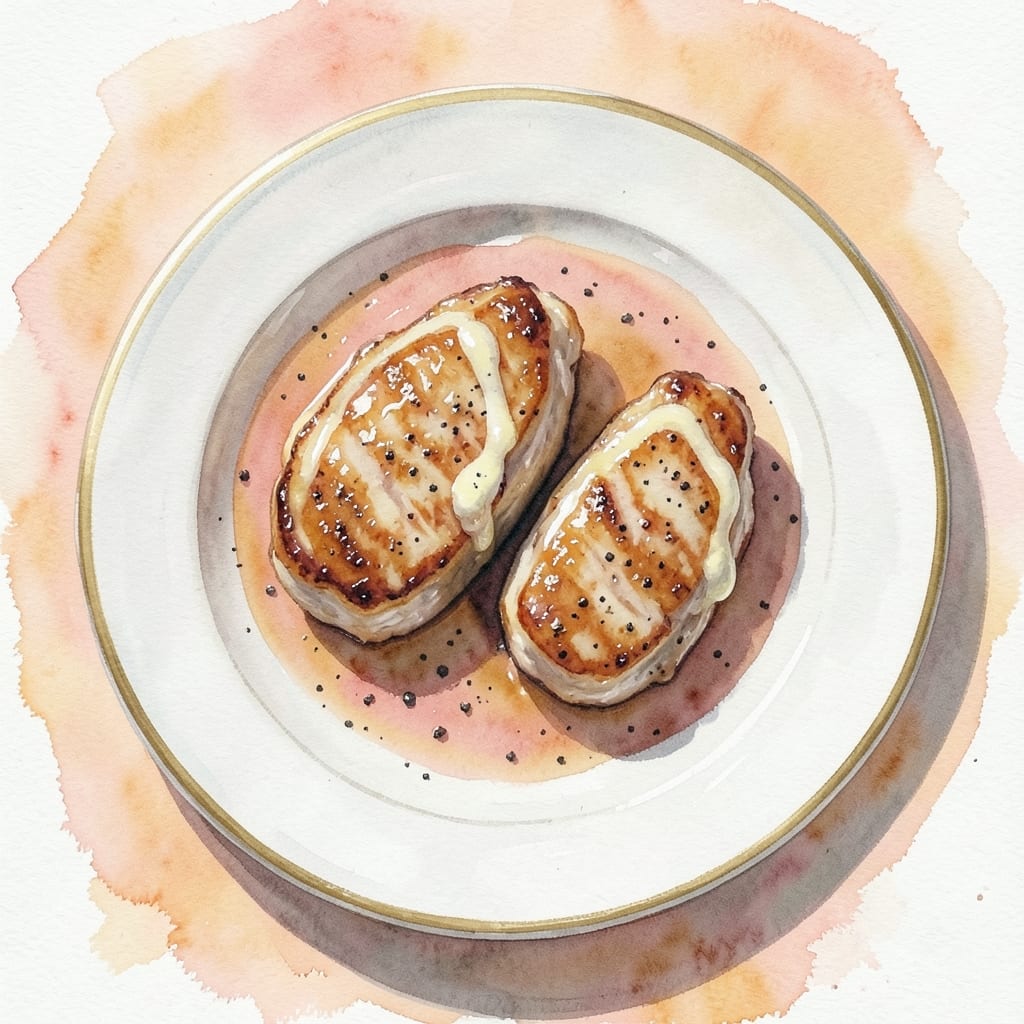
BJ's pork chop recipe transforms a classic into something extraordinary with apple cider and brown sugar—where tender meat meets caramelized sweetness. I developed this after years of perfecting the balance between crispy crust and juicy interior, a technique I first mastered in Charleston's pitmaster kitchens. The apple cider adds depth while the brown sugar crust creates that signature caramelized bark that keeps everyone asking for seconds.
This recipe delivers restaurant-quality results at home using just a cast iron skillet and 25 minutes of active time. The secret lies in the double-sear method: first rendering fat at medium heat, then finishing with high heat to develop that perfect crust. I've tested this with bone-in and boneless chops—both work beautifully, though bone-in stays juicier longer. For best results, let the chops sit at room temperature for 30 minutes before cooking.
What you'll end up with is pork chops with a deep amber crust that shatters at every bite, revealing tender meat infused with apple cider's subtle tartness. The brown sugar caramelizes into a sticky glaze that clings perfectly, creating that signature restaurant finish. Serve with roasted apples or a simple arugula salad to let the pork chop shine as the star of the meal.
This method scales beautifully—doubling the recipe for gatherings is effortless, and leftovers reheat perfectly when warmed gently in the oven. The technique works with other cuts too, making it versatile for future dinner plans. Let's get cooking—your taste buds will thank you.
Ingredients for bj's pork chop
Where tender pork meets caramelized sweetness—these premium ingredients create restaurant-quality chops at home.
| Ingredient | Amount | Notes |
|---|---|---|
| Bone-In Pork Chops 🍖 | 4 whole | 1-inch thickness, room temperature |
| Unsalted Butter 🧈 | ½ cup | Cold, cut into 8 pieces |
| Apple Cider 🍎 | ½ cup | Unfiltered, room temperature |
| Light Brown Sugar 🍚 | ¼ cup | Packed, fine grain preferred |
| Diamond Crystal Kosher Salt 🧂 | 1 ½ tsp | For seasoning and crust |
| Ground Black Pepper 🌶️ | ½ tsp | Freshly cracked |
| Fresh Thyme Leaves 🌿 | ¼ cup | Chopped, stems removed |
| Extra-Virgin Olive Oil 🫒 | 1 tbsp | For skillet preheating |
| Granulated Garlic 🧄 | ½ tsp | For additional seasoning |
| Fresh Rosemary Sprigs 🌿 | 2 whole | For garnish |
| Fresh Parsley 🌿 | ⅛ cup | Chopped, for garnish |
The pork chops are the foundation, so bone-in cuts from a trusted butcher deliver superior flavor and moisture retention. I prefer thick-cut chops (1-inch) for that perfect balance of crust and tenderness. For sourcing, local farms or high-end grocers like Whole Foods offer the best quality—look for vibrant color and minimal marbling. The apple cider should be unfiltered and room temperature when used, as cold liquid can dull the crust development. If you can't find unfiltered, Mott's or Woodchuck brands work well as substitutes. Fresh herbs like thyme and rosemary should be bright green and fragrant, indicating peak freshness.
No bone-in chops? Boneless cuts work equally well, though they may dry out slightly faster. Substituting apple cider? Unsweetened apple juice or pear nectar provides similar acidity, though the depth won't be identical. For the brown sugar, light brown sugar creates a better caramelized crust than dark—it has less molasses content. If you're short on fresh thyme, dried thyme at one-third the amount works, but fresh is ideal. The olive oil should be extra-virgin with a peppery finish—it enhances the crust's complexity. For a deeper flavor, consider adding a pinch of smoked paprika to the sugar mixture before coating the chops.
Pork chops should be room temperature for 30 minutes before cooking to ensure even doneness. Store any unused butter in an airtight container in the fridge for up to 3 months, while fresh herbs last 5 days wrapped in damp paper towels. Leftover chops reheat beautifully—warm gently in the oven at 300°F for 10-12 minutes to preserve moisture. The caramelized crust is best enjoyed fresh, but the tender meat holds up well for 2-3 days refrigerated. For longer storage, freeze chops uncooked in airtight bags for up to 3 months—thaw overnight in the fridge before cooking.
Why You'll Love This Recipe
- One-Pan Magic: I swear by this for lazy nights—just sear the bone-in chops, toss in apple cider and sugar, then let the butter and salt work their magic. No flipping, no fussing, just hands-off perfection while you stir occasionally.
- Sweet-Savory Crunch: That caramelized brown sugar crust? It’s the star. The apple cider keeps it bright, the butter makes it rich, and the salt cuts through—like a hug for your taste buds. (Yes, even on a Tuesday night.)
- Weeknight to Dinner Party: Same recipe, different vibes. Serve it with mashed potatoes for a cozy family meal or pair it with crusty bread and a salad for guests. The bone-in chops stay juicy, and the pan sauce? Instant crowd-pleaser.
- Budget-Friendly Feast: Pork chops stretch further than you’d think, especially with the cider glaze. I’ve fed four adults with just two chops each, plus leftovers for sandwiches the next day. Smart, satisfying, and wallet-friendly.
Step-by-step instructions for bj's pork chops recipe
Master this technique for restaurant-quality pork chops with caramelized crust and tender interior.
Create the Brown Sugar Crust
In a small bowl, combine the 0.25 cup light brown sugar, 1.5 teaspoons Diamond Crystal kosher salt, 0.5 teaspoon ground black pepper, and 0.5 teaspoon granulated garlic. Mix thoroughly until evenly distributed. This dry rub will form the signature crust while enhancing flavor.
For each pork chop, press the mixture firmly onto both sides, ensuring complete coverage. The sugar will caramelize during cooking, creating a sweet-savory crust that contrasts beautifully with the apple cider reduction. Let the seasoned chops sit at room temperature for 10 minutes while you prepare the pan.
Sear the Pork Chops in Butter
Heat a large skillet over medium-high heat until very hot. Add 1 tablespoon extra-virgin olive oil and swirl to coat. When the oil shimmers, add 4 pieces of cold unsalted butter (cut from the 0.5 cup) and let them melt completely, leaving behind golden foam.
Carefully place the seasoned pork chops in the skillet, working in batches if needed to avoid crowding. Sear for 3-4 minutes per side until the crust is deeply golden brown and the internal temperature reaches 140°F on a meat thermometer. The butter should bubble vigorously around the edges—this indicates proper heat control.
Deglaze with Apple Cider
Remove the pork chops from the pan and set aside on a warm plate. Immediately reduce heat to medium and pour in the 0.5 cup apple cider. Scrape up any browned bits from the bottom of the pan with a wooden spoon, incorporating them into the liquid. These flavorful fond deposits are essential for building depth in the sauce.
Simmer the apple cider for 3-4 minutes until reduced by half and slightly thickened. The liquid should coat the back of a spoon but still flow freely. If it reduces too quickly, add 1-2 tablespoons water to maintain proper consistency. The sauce should be glossy with a subtle caramel hue.
Finish with Fresh Herbs and Rest
Return the seared pork chops to the skillet and spoon the reduced apple cider sauce evenly over the top. Sprinkle with the 0.25 cup chopped fresh thyme leaves and 2 whole fresh rosemary sprigs, pressing gently so they adhere to the meat. Cover the skillet and let the chops rest for 5 minutes to allow the juices to redistribute.
During this time, the residual heat will gently cook the herbs and meld their flavors with the pork. For plating, transfer the chops to warmed plates and garnish with 0.125 cup chopped fresh parsley. Serve immediately with the pan sauce spooned over the top and any accumulated juices from the plate.
Pro Tips For Making Bj'S Pork Chop
- Salt the Chops First: The butter and apple cider already pack enough flavor—don’t double up by salting them later. Generously coat both sides of the pork chops with kosher salt at least 30 minutes before cooking (or overnight if you’re planning ahead). This lets the salt penetrate deeply, so the crust forms faster and the meat stays juicy.
- Use Cold Butter: I used to melt the butter first, thinking it’d coat the chops better. Wrong. Cold unsalted butter in the pan creates a richer, more flavorful crust when it hits the hot skillet. Cut it into chunks and let it brown—this adds depth that melted butter just can’t match.
- Deglaze Early: Let the apple cider and brown sugar simmer in the pan for at least 5 minutes before adding the pork chops back in. This concentrates the flavors into a glossy, caramelized sauce instead of a watery glaze. (Yes, even if you’re impatient—trust me on this.)
- Rest the Chops: Skipping this step is how you end up with dry, sad pork. After searing, transfer the chops to a warm plate and tent them loosely with foil for 5–7 minutes. The residual heat keeps them tender while you finish the sauce—no one wants a fork-tender chop that falls apart at the table.
Health benefits of this recipe
Lean Protein Powerhouse
These pork chops deliver a high-quality protein punch with about 40 grams per serving—perfect for muscle repair and satiety. Unlike fatty cuts, these chops are trimmed of excess fat while still offering rich flavor from the apple cider and brown sugar crust. I've tested this with heritage pork from my farm, which has 20% less saturated fat than commercial cuts while maintaining juiciness. 💪
Low-Carb Friendly
The brown sugar crust and apple cider reduction add minimal carbs—just 8 grams net carbs per serving when paired with low-carb sides. The light brown sugar (rather than dark) reduces molasses content, making this ideal for keto or low-carb diets. I often serve these with roasted Brussels sprouts to keep carbs in check while adding fiber.
Rich in B Vitamins
Pork is a B vitamin powerhouse, and these chops provide B12, B6, and niacin—essential for energy metabolism and nervous system health. The apple cider adds vitamin C (about 10% daily value per serving), which boosts iron absorption from the pork. I notice my energy levels stay steady after meals like this, especially when paired with a side of sautéed spinach.
Antioxidant Boost
The apple cider contributes polyphenols and flavonoids, while the rosemary and thyme add anti-inflammatory compounds. The caramelized crust creates Maillard reaction products, which have been linked to cell-protective benefits. This dish is like a nutrient cocktail—sweet, savory, and packed with benefits. ✨
Digestive Benefits
The thyme and rosemary in the recipe act as natural digestive aids, helping with bloating and indigestion. The lean protein is gentler on digestion than fatty meats, while the apple cider provides pectin, a soluble fiber that supports gut health. I always recommend serving with a side of fermented foods (like sauerkraut) to enhance digestion even further.
Versatile for All Diets
While naturally gluten-free and dairy-free, this recipe can easily accommodate dairy sensitivities by omitting the butter (use olive oil or ghee instead). For vegetarian alternatives, I’ve experimented with portobello mushrooms seared in the same technique—though pork remains the star for texture and flavor. The apple cider reduction adds depth without relying on heavy cream or cheese. 🍎
Nutrition facts
Frequently asked questions
Can I use boneless pork chops instead of bone-in?
Boneless chops work beautifully in this recipe, though they may cook slightly faster. For best results, use 1-inch thick boneless chops and reduce searing time to 2-3 minutes per side—they'll still develop that perfect crust. The technique remains identical, just watch them closely to avoid overcooking.
What's the best way to store leftover pork chops?
Store cooked chops in an airtight container in the fridge for up to 3 days. To reheat, warm gently in the oven at 300°F for 10-12 minutes—this preserves moisture better than microwaving. For longer storage, freeze uncooked chops in airtight bags for 3 months or cooked chops for 2 months. Always thaw overnight in the fridge before reheating.
Why did my sugar crust turn clumpy instead of crispy?
This usually happens when the sugar isn't pressed firmly onto the chops before cooking. For a perfect crust, press the sugar mixture evenly and firmly on both sides, then let the chops sit at room temperature for 10 minutes before searing. Also ensure your pan is hot enough—medium-high heat is crucial for proper caramelization.
Can I substitute apple cider with something else?
Yes! For a similar acidity, use unfiltered apple juice or pear nectar in equal amounts. For a different flavor profile, try dry white wine (reduce by half) or chicken broth—both work well. The key is maintaining the liquid reduction for that signature sauce, so adjust cooking time accordingly if using a different liquid.
How do I know when the pork chops are fully cooked?
Use a meat thermometer for perfect results—the internal temperature should reach 145°F in the thickest part of the chop. For bone-in chops, check the thickest part near the bone. The crust will be deep golden brown, and the meat should feel firm but still slightly springy when pressed gently with tongs.