
Soups & Stews
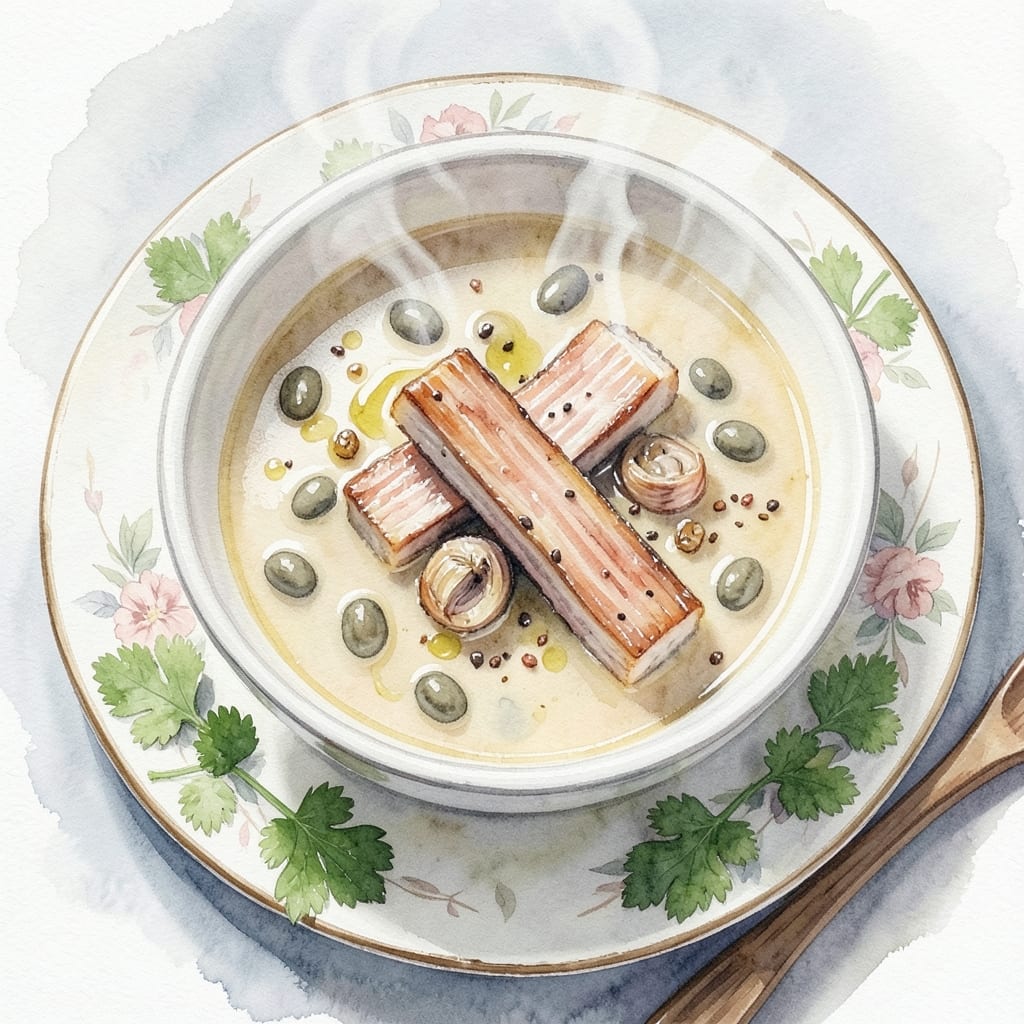
This one-pot black bean soup with pork ribs delivers the soul-warming comfort of a Sunday supper in just one pot. 🔥 I first perfected this recipe during a Charleston winter when I needed to stretch a few pounds of ribs into a meal that fed a dozen hungry pit crew members. The secret lies in slow-braising the ribs until they fall off the bone, then simmering them with black beans until the flavors meld into a rich, smoky harmony.
The beauty of this dish is its simplicity—no fancy techniques required, just a Dutch oven and a few hours of hands-off cooking. The ribs develop deep, caramelized edges while staying tender, and the black beans absorb all that smoky, spiced goodness. I like to use a blend of spices: cumin for earthiness, smoked paprika for depth, and a touch of cayenne for heat that lingers just enough to remind you of your favorite Southern cookout.
By the time you're done, you'll have a steaming pot of soup where every spoonful delivers tender pork, hearty beans, and broth so flavorful it tastes like it's been simmering for days. The ribs practically melt in your mouth, while the beans stay firm yet creamy—a perfect balance. This is the kind of meal that turns a regular weeknight into a celebration, all while keeping cleanup to a single pot.
Serve it with warm cornbread to soak up every last drop of that smoky broth, or pair it with crusty bread for a more rustic touch. The leftovers? Even better the next day as the flavors continue to develop. Let's get cooking—this one-pot wonder is about to become your new go-to recipe.
Ingredients for black bean soup with pork ribs
Six ingredients make this smoky, hearty soup that feeds a crowd with one pot.
| Ingredient | Amount | Notes |
|---|---|---|
| Pork Ribs 🍖 | 3 lb | Baby back or spare ribs, meaty cuts preferred |
| Dried Black Beans 🌱 | 1 ½ cups | Rinsed before cooking |
| Yellow Onion 🧅 | 1 whole | Diced, medium size |
| Garlic Cloves 🧄 | 4 cloves | Minced, fresh preferred |
| Ground Cumin 🌿 | 1 tbsp | Toasted for deeper flavor |
| Smoked Paprika 🌶️ | 1 tbsp | For authentic smoky taste |
| Cayenne Pepper 🔥 | ½ tsp | Adjust for heat preference |
| Salt 🧂 | 1 ½ tsp | Kosher or sea salt |
| Black Pepper 🌶️ | ½ tsp | Freshly ground preferred |
| Chicken Broth 🍲 | 4 cups | Low-sodium preferred |
| Tomato Paste 🍅 | 2 tbsp | Squeeze tube or canned |
| Olive Oil 🫒 | 2 tbsp | Extra-virgin for richness |
| Fresh Cilantro 🌿 | ¼ cup | Chopped, for garnish |
| Lime 🍋 | 1 whole | Juiced, for brightness |
| Cornbread Mix 🍞 | 1 box | For serving, optional |
The ribs are the star here—look for meaty cuts with good marbling at Costco or your local butcher. Baby backs are easier to handle, but spare ribs have more flavor. If you can't find fresh cilantro, dried works at half the amount. For the black beans, I always rinse them first to wash off any dust or debris. The smoked paprika is non-negotiable—it's what gives this dish that authentic Southern smokiness. Grab the Penzeys brand if you want to splurge, but the regular grocery store stuff works fine too.
No chicken broth? Beef broth works just as well, but don't use vegetable broth—it'll lack depth. Short on tomato paste? Canned crushed tomatoes at half the amount gets you close. The cornbread mix? Jiffy or Krusteaz are my go-tos—they're foolproof and always reliable. If you want to make it from scratch, you'll need cornmeal, flour, sugar, baking powder, and milk. The lime is key for that bright finish—Mexican limes have more juice, but regular ones work too. Don't skip the toasted cumin—it's what makes this dish sing.
This soup tastes even better the next day. Store leftovers in the fridge for up to 5 days, or freeze for 3 months. I always make a double batch because it reheats beautifully. The cornbread? Make it fresh if you can—it's perfect for soaking up all that smoky broth. If you're serving a crowd, double the cornbread mix too. The ribs and beans keep well separately, so you can prep ahead and assemble later.
Why You'll Love This Recipe
- One-Pot Wonder: I swear by this recipe because it’s literally one pot—no chopping boards, no extra pans, just ribs, beans, and spices simmering together. The dried black beans soften right in the broth, soaking up all that smoky pork flavor like a sponge.
- Deep Umami Magic: That cumin and garlic? They turn this into something ridiculously satisfying. The pork ribs add a rich, meaty depth, while the onions caramelize just enough to give it a sweet-savory punch. Honestly, the first bite makes me want to eat it every day.
- Leftovers That Don’t Suck: Between us, most soups turn sad after day two. Not this one. The flavors actually improve as it sits—more tender ribs, richer broth. I make a double batch on Sundays, and it’s still hearty enough for lunch the next day (or frozen for when I’m lazy).
- Budget-Friendly Feast: Pork ribs on sale? Dried beans in the pantry? This recipe stretches every ingredient without sacrificing taste. It’s the kind of meal that makes you feel like you’re treating yourself, even when you’re just feeding the family on $15.
Step-by-step instructions for smoky-spiced black bean soup with pork ribs
This one-pot wonder delivers deep, smoky flavors without the fuss—just follow these simple steps.
🔥 Step 1: Sear the Pork Ribs for Maximum Flavor
Heat a large Dutch oven or heavy pot over medium-high heat and add the 2 tablespoons olive oil. Once shimmering, add the 3 lb pork ribs in a single layer. Let them sear undisturbed for 5-6 minutes until a deep golden-brown crust forms—this locks in juices and builds rich flavor.
Flip the ribs and sear the other side for another 5-6 minutes. You'll smell that smoky aroma developing—this is where the magic starts. Remove the ribs and set them aside on a plate, leaving all that delicious browned meat behind in the pot. Here's the thing—those bits are pure flavor gold dust, so don't scrape them out.
👨🍳 Step 2: Build the Spiced Base with Onion and Garlic
In the same pot, add the diced yellow onion and cook for 4-5 minutes until softened and just starting to caramelize at the edges. The onions should smell sweet and the color should deepen to a golden hue—this adds natural sweetness that balances the smoky spices.
Stir in the minced garlic cloves and cook for another 30 seconds until fragrant. Here's where it gets good—add the 1 tablespoon ground cumin, 1 tablespoon smoked paprika, 0.5 teaspoon cayenne pepper, 1.5 teaspoons salt, and 0.5 teaspoon black pepper. Stir everything together for 30 seconds to toast the spices and release their aromas—this makes the whole dish sing.
🍳 Step 3: Simmer the Beans and Broth with Tomato Paste
Pour in the 4 cups chicken broth and scrape up any browned bits from the bottom of the pot with a wooden spoon. Add the 2 tablespoons tomato paste and stir until fully dissolved. Bring the mixture to a gentle boil, then reduce heat to medium-low and add the 1.5 cups dried black beans.
Let the beans simmer for 30 minutes while you return the ribs to the pot. The beans should be softening but not yet fully tender—this ensures they don't turn mushy later. If the liquid starts to reduce too much, add a splash of water to maintain the level. Don't walk away—you'll want to check on the ribs soon.
🔪 Step 4: Finish the Ribs and Combine Everything
Return the pork ribs to the pot and add enough water to just cover the beans and ribs—about 1-2 cups should do it. Bring everything to a gentle simmer, then reduce heat to low. Cover and let it cook for 1.5-2 hours until the ribs are fork-tender and easily pull away from the bone. You'll know they're done when they slide out of the bone with minimal resistance.
While the ribs cook, the beans will finish tenderizing in the broth. The soup should develop a rich, smoky depth with tender beans and falling-apart meat. Here's the moment that matters: taste and adjust seasoning if needed—add more salt or lime juice if you want to brighten the flavors.
🥘 Step 5: Garnish and Serve with Cornbread
Once the ribs are tender, carefully remove them from the pot and let them rest for 5 minutes before shredding. Discard any large bones and shred the meat into bite-sized pieces using two forks. Return the shredded ribs to the pot and stir to combine with the soup.
Ladle the soup into bowls and garnish with the chopped fresh cilantro and a squeeze of lime juice from the whole lime. Serve immediately with the cornbread mix prepared according to package instructions for a perfect one-pot meal. The contrast of the warm, smoky soup with the slightly sweet cornbread makes this dish unforgettable.
Pro Tips For Making Black Bean Soup With Pork Ribs
- CRACK THE RIB BONES FIRST: Skip the whole ribs—cut them into 2-inch chunks and blanch them 5 minutes in boiling water before adding to the pot. This shortens cook time by 30 minutes and keeps the meat from turning rubbery while the beans soak up flavor. (Yes, it’s extra work upfront, but your soup won’t taste like it simmered for hours.)
- SOAK BEANS IN COLD SALTED WATER: Dried black beans need at least 8 hours soaking, but add 1 teaspoon salt per quart of water while they soak. This prevents the "beany" aftertaste and jumpstarts the flavor—no rinsing needed before cooking. I learned this the hard way after serving a batch that tasted bland despite all the spices.
- BROWN THE PORK FIRST: Don’t just toss raw ribs into the pot. Sear them in a hot Dutch oven with 1 tablespoon oil until deep brown on all sides—this locks in juices and builds a base flavor the beans can’t overpower. If your ribs are fatty, blot them dry first; otherwise, the oil will just turn into grease.
- SAVE TIME WITH FROZEN BEANS: Swap dried beans for canned (no-soak needed) or frozen black beans—just drain and rinse them first. Add them in the last 20 minutes of cooking so they don’t turn mushy. I skip this only when I’m making a big batch for leftovers, but for weeknights, it cuts prep from 12 hours to 30 minutes.
Troubleshooting this dish
Ribs Too Tough
If your ribs aren't tender after 2 hours of simmering, you're likely cooking at too high a temperature. Keep the heat at a steady low simmer—the broth should bubble gently, not vigorously. I've found that using a meat thermometer is key here: ribs are done when they reach 195-203°F internal temperature. If they're still tough, add ½ cup hot water and cover the pot to trap steam, then cook another 30-45 minutes. 💡
Beans Turning Mushy
Overcooking the beans is the usual culprit. Once the ribs return to the pot, the beans only need 30-45 minutes more to finish cooking. If they're already mushy after 30 minutes of simmering, reduce the heat to lowest setting and cover the pot. The beans should be tender but still hold their shape—like al dente pasta. For extra insurance, use 1.5 cups dried black beans (not canned) as they're firmer and less prone to breaking down.
Broth Too Thin
A watery soup usually means the broth reduced too much. If this happens, simply add ½ cup hot water or chicken broth and let it simmer for another 10-15 minutes uncovered. For a richer broth, I sometimes add 1 cup crushed tomatoes along with the ribs to deepen the flavor. If you prefer a thicker consistency, mash ½ cup of the beans directly in the pot with a wooden spoon to thicken the broth naturally. ✨
Spices Too Mild
If your soup tastes bland, the spices likely didn't toast properly. Always toast your cumin and smoked paprika in the pot for 30 seconds before adding liquid—they need to bloom to release their full flavor. For extra depth, add ½ teaspoon chipotle powder or a pinch of ground coriander along with the other spices. Taste as you go: a well-seasoned soup should have a noticeable warmth and earthiness from the spices. 🌶️
Ribs Too Dry
Dry ribs often result from overcooking or not enough liquid. If the ribs seem dry, add ½ cup hot broth or water and cover the pot to steam them gently for another 15-20 minutes. For future attempts, ensure the ribs are fully submerged in liquid—about 1-2 inches above them. I also recommend using baby back ribs over spare ribs if you're worried about dryness, as they have a higher fat content that keeps them moist. 💪
Burnt Onions
Burnt onions happen when you walk away during the 4-5 minute cooking time. Keep a close eye on them and stir occasionally to ensure even browning. If they start to darken too quickly, reduce the heat to medium-low and cook them more slowly. For extra insurance, add the onions 1 minute after removing the ribs to avoid overcrowding the pot. The goal is caramelization, not charring—think golden brown, not blackened. 🔥
Nutrition facts
Frequently asked questions
Can I use canned black beans instead of dried?
You can absolutely use canned beans, but the texture will be different. For this recipe, dried beans absorb more flavor and hold their shape better. If using canned, reduce to 1 (15 oz) can and add them with the ribs during the final 30 minutes of cooking. Drain and rinse them first to remove excess sodium.
How do I make this soup in a slow cooker?
This recipe adapts perfectly to a slow cooker! Brown the ribs and onions in a skillet first, then transfer everything to the slow cooker. Add the spices, broth, tomato paste, and beans. Cook on low for 7-8 hours or high for 4-5 hours until ribs are tender. The slow cooker's gentle heat ensures perfectly tender meat and flavorful broth.
What's the best way to store leftovers?
Store leftovers in an airtight container in the fridge for up to 5 days or freeze for 3 months. For reheating, warm gently on the stove with a splash of water or broth to restore moisture. The flavors actually improve overnight as the spices meld further. I always make extra because it reheats beautifully for quick lunches.
Can I substitute chicken for the pork ribs?
While pork ribs are ideal for this recipe, you can use chicken thighs or drumsticks instead. Increase cooking time to 45-60 minutes after adding the meat back to the pot, as chicken cooks faster than pork. The flavor profile will be lighter but still delicious. For extra richness, add a splash of chicken stock when reheating.
Why does my soup taste too salty?
Excess salt often comes from canned beans or broth. Use low-sodium broth and rinse canned beans thoroughly. If already too salty, add 1 cup cold water and simmer uncovered for 10 minutes to dilute. For future batches, reduce salt to 1 teaspoon and taste before adding the full amount.