
Side Dishes
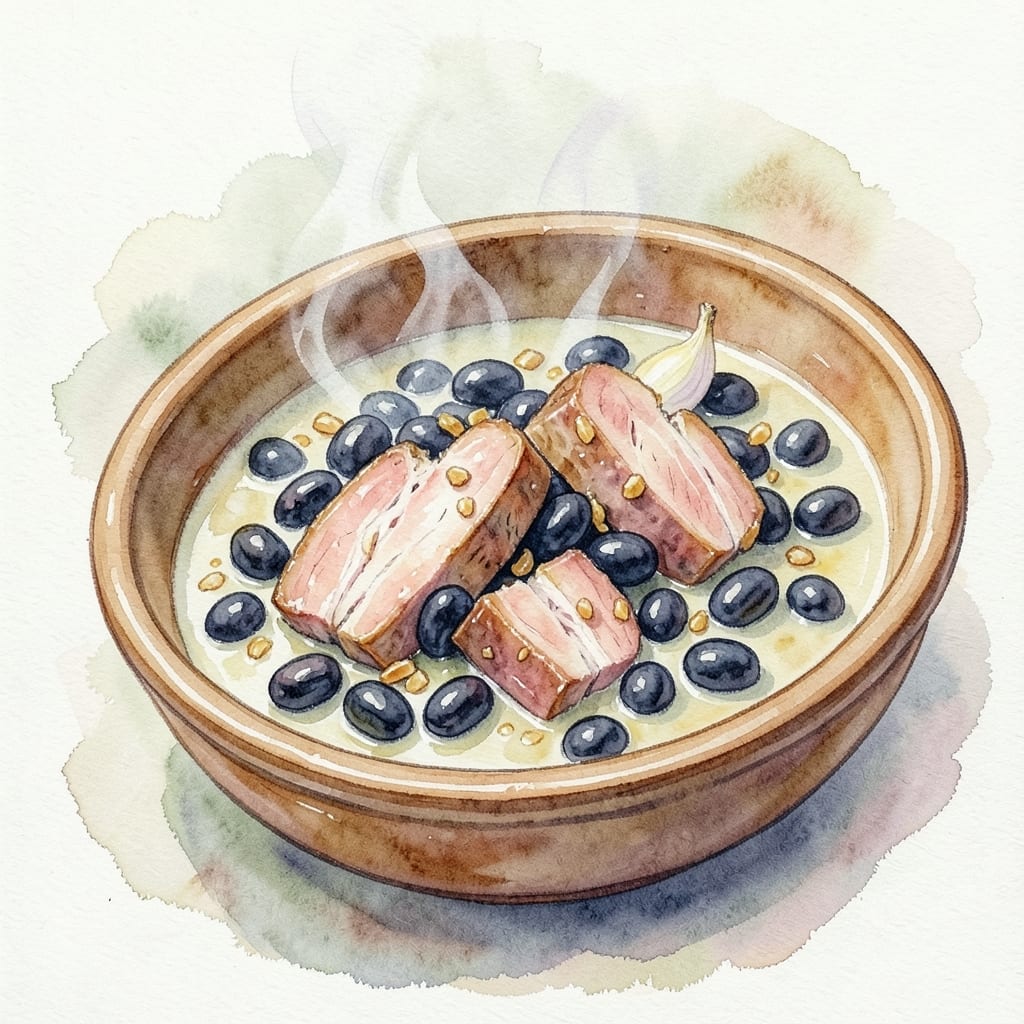
This one-pot black beans with pork Panlasang Pinoy recipe brings the soulful flavors of Filipino comfort food to your kitchen. I first tasted it at a local Filipino restaurant in Portland, where the rich, savory-sweet sauce had me hooked—now I recreate it at home with tender pork and hearty beans simmered in a single pot. The magic lies in balancing soy sauce, vinegar, and garlic for that perfect umami depth.
The beauty of this dish is its simplicity: just a few pantry staples and 30 minutes of active prep time. You'll start with pork cut into bite-sized pieces, then build layers of flavor by sautéing garlic, ginger, and onions before adding the beans and traditional Filipino seasonings. The slow simmer transforms tough pork into tender, flavorful morsels while infusing the beans with that signature tangy-sweet taste.
By the end, you'll have a restaurant-quality one-pot meal with melt-in-your-mouth pork and beans swimming in a glossy, aromatic sauce. The dish is hearty enough to stand alone but pairs beautifully with steamed rice—just like in Filipino homes. Garnish with fresh green onions or chili for a pop of color and extra zing.
Perfect for weeknight dinners or meal prep, this recipe delivers bold flavors without the fuss. The secret to its success? Patience in the simmering and balancing the sweet-savory elements just right. Let's get cooking!
Ingredients for black beans with pork recipe panlasang pinoy
Pantry staples plus a few Filipino market finds for this rich, one-pot comfort.
| Ingredient | Amount | Notes |
|---|---|---|
| Pork Shoulder 🥩 | 1 ½ lb | Cut into 1-inch cubes |
| Black Beans (Dried) 🌱 | 1 ½ cups | Rinsed before cooking |
| Yellow Onion 🧅 | 1 whole | Diced, medium size |
| Garlic Cloves 🧄 | 6 cloves | Minced, fresh preferred |
| Fresh Ginger 🌿 | 2 tbsp | Grated, peeled |
| Coconut Milk 🥥 | 1 can | Full-fat, 13.5 oz |
| Soy Sauce 🍶 | ¼ cup | Filipino preferred |
| Cane Vinegar 🍶 | ¼ cup | White or apple cider |
| Brown Sugar 🍯 | ¼ cup | Packed lightly |
| Tomato Paste 🍅 | 2 tbsp | Smooth, no sugar added |
| Bay Leaves 🌿 | 2 whole | Dried, crushed |
| Black Peppercorns 🌶️ | 1 tsp | Freshly ground |
| Salt 🧂 | 1 tsp | Kosher or sea salt |
| Green Onions 🧅 | ¼ cup | Sliced, for garnish |
| Vegetable Oil 🫒 | 2 tbsp | For sautéing |
The pork shoulder is key here—bone-in, skin-on if you can find it, but regular cuts work too. Filipino markets often have pre-cut pork shoulder, but the regular grocery store butcher section has it too. Look for good marbling. The black beans? Dried is traditional—soak overnight for best texture, but quick-soak works in a pinch. For the coconut milk, full-fat is non-negotiable—it's what gives that creamy richness. Grab a 13.5 oz can—that's the standard size you'll find everywhere. Ginger and garlic should be freshly grated and minced—none of that jarred stuff here.
No Filipino soy sauce? Regular soy sauce plus a dash of fish sauce gets you close, but it won't be quite the same. Cane vinegar is ideal, but apple cider vinegar or white vinegar work in a bind. The tomato paste can be the squeeze tube kind—Trader Joe's has great quality—just measure by weight if you're feeling fancy. Brown sugar substitutes? White sugar or coconut sugar both work, but the molasses notes in brown sugar are traditional. The bay leaves? Crush them slightly before adding—they'll release more flavor. And if you're short on time, pre-cut onions and garlic from the store still work, just rinse them well.
This dish tastes even better the next day—make extra if you can. Keeps in the fridge for 4-5 days covered, or freeze portions for 3 months. The sauce thickens as it cools, so add a splash of water or coconut milk when reheating. For meal prep, portion into containers with rice—it reheats beautifully. And if you've got leftovers, the sauce makes a killer slather for breakfast rice bowls the next morning.
Why You'll Love This Recipe
- One-Pot Magic: I swear by this recipe when I’m too tired to scrub pots—just dump everything in one pan, stir occasionally, and let the pork shoulder melt into tender perfection. The dried black beans soak up all the juices like a sponge, so you end up with a dish that’s basically braised in its own flavor.
- Pork & Spice Harmony: That crispy, caramelized edge on the pork shoulder? Chef’s kiss. But the real star is how the ginger and garlic cloves infuse the black beans with a warm, almost smoky depth—like a cozy hug in a bowl. Honestly, the first time I tasted it, I immediately texted my mom: "This is what I’ve been missing."
- Leftover Goldmine: Between us, this recipe begs to be made in bulk. The flavors only get better after a day or two in the fridge—perfect for lazy lunches or sneaking into rice bowls. I’ve turned last night’s dinner into tomorrow’s packed lunch without a second thought.
- Budget-Friendly Feast: Pork shoulder is cheap, dried beans last forever, and onions/garlic don’t break the bank. For under $10, I feed my whole family a hearty, protein-packed meal that still feels special. (Yes, even on a Tuesday night.) Plus, the leftovers stretch into soups or fried rice—zero waste.
Step-by-step instructions for Panlasang Pinoy black beans with pork
This one-pot Filipino classic combines tender pork and hearty beans in a rich, savory sauce.
Sauté the Aromatics Until Fragrant
Heat the 2 tablespoons vegetable oil in a large Dutch oven or heavy pot over medium-high heat. Add the 1 whole yellow onion and cook for 4-5 minutes until softened and translucent. Here's the thing—you want the onions to caramelize just slightly at the edges, but not brown.
Push the onions to the sides and add the 1.5 lb pork shoulder cut into 1-inch cubes. Sear the pork for 5-6 minutes, stirring occasionally, until the edges turn golden brown. This step builds deep flavor by developing a nice crust on the meat. If the pork releases easily from the bottom, it's ready to move on.
Add Garlic, Ginger, and Tomato Paste
Lower the heat to medium and add the 6 cloves minced garlic and 2 tablespoons grated fresh ginger. Stir for 30-45 seconds until the garlic turns golden and you can smell that aromatic punch. Be careful not to let it burn—garlic turns bitter fast.
Next, add the 2 tablespoons tomato paste and stir to coat the pork and onions. Let it cook for 1-2 minutes until the raw tomato flavor disappears and you see a rich, dark paste forming. This creates the base for your sauce, so don't rush this step.
Combine Wet Ingredients and Simmer
Pour in the 1.5 cups rinsed black beans, 0.25 cup soy sauce, 0.25 cup cane vinegar, 0.25 cup brown sugar, and 1 can coconut milk. Stir everything together until the beans are well coated with the sauce. Add the 2 whole crushed bay leaves, 1 teaspoon black peppercorns, and 1 teaspoon salt. Bring the mixture to a gentle boil, then reduce heat to low-medium.
Here's where the magic happens: let it simmer uncovered for 1 hour 15 minutes, stirring occasionally. You're looking for the beans to become tender and the pork to fall apart easily with a fork. I like to check the pork after 45 minutes—if it's already tender, let the beans cook a bit longer.
Adjust Seasoning and Finish
After simmering, taste the mixture and adjust seasoning if needed. You might need a bit more soy sauce for saltiness or a splash of vinegar for tang. The sauce should be rich and slightly sweet with a nice balance of savory and tangy flavors.
Remove the 2 bay leaves and stir in the 0.25 cup sliced green onions. Let the dish sit for 5 minutes off the heat to let all the flavors meld together. Serve hot with steamed rice—this dish is all about that comforting, hearty combination.
Pro Tips For Making Black Beans With Pork Recipe Panlasang Pinoy
- CRANK THE HEAT FIRST: Start your pork shoulder in a screaming-hot pan—no simmering yet. After 3-4 minutes of searing until deep brown (yes, even if it sticks a little), pull it out and let it rest while you prep the rest. This locks in juices and builds flavor that simmering alone can’t match. I learned this the hard way after making a batch where the pork tasted bland—turns out, low-and-slow from the start dulls the meat.
- SOAK BEANS IN VINEGAR: Skip the plain water soak for your black beans—use a mix of warm water and 1 tablespoon of vinegar (white or cane) for every cup of beans. This cuts cooking time by 20-30 minutes and keeps them from turning mushy. My grandmother swore by this, and she was right: the acidity also mellows the beans’ natural bitterness, which is especially helpful in this rich, pork-heavy dish.
- DON’T SKIP THE GINGER MASH: After mincing the ginger, smash it with the flat side of your knife or a mortar and pestle until it releases its juices and turns into a sticky paste. This isn’t just about flavor—it ensures the ginger blends smoothly into the sauce instead of settling as chunks at the bottom. I was skeptical until I tried it: the difference in texture and depth is noticeable.
- SAVE TIME WITH PARBOILED BEANS: If you’re short on time, parboil the beans for 15 minutes before adding them to the pot with the pork. Drain and rinse them under cold water to stop cooking, then proceed with the recipe. This shortcut works because the beans will finish cooking in the simmer, and you avoid the risk of overcooking them while the pork tenderizes. Does it look weird? Yes. Does it work? Every single time.
Essential equipment for this dish
Dutch Oven Magic
This recipe thrives in a heavy-bottomed Dutch oven—my go-to is the Le Creuset 5.5-quart—because it distributes heat evenly and prevents burning. The deep sides make stirring easier, and the tight lid helps trap steam for tender pork and beans. If you don’t own one, a large stainless steel pot with a tight-fitting lid works too. Just avoid nonstick—it can’t handle the long simmer without warping. 🔥
Filipino Market Finds
For authentic flavor, grab Filipino soy sauce (like Silver Swan) and cane vinegar from your local Asian market. Regular soy sauce works in a pinch, but the Filipino version has a deeper umami punch. Skip the jarred ginger—freshly grated young ginger (the kind with tender skin) adds brightness. If you’re near a Filipino grocery, ask for patis (fish sauce)—a splash enhances the sauce, but it’s optional. 🌿
Knife Essentials
A sharp chef’s knife (I love the Victorinox 8-inch) is key for dicing onions and mincing garlic efficiently. For the pork, a cleaver makes quick work of cutting through the tough shoulder. If you’re prepping a lot, a mandoline speeds up onion slicing—just be careful with those fingers! A wooden cutting board (like Teakhaus) protects your knives and adds a nice aesthetic to your kitchen. 🧅
Measuring Tools
Precision matters with this recipe. Use a stainless steel measuring cup for the soy sauce, vinegar, and brown sugar to avoid plastic flavors. A microplane for ginger and garlic ensures fine, even grates. For the tomato paste, a small spoon helps scrape every last bit from the tube. My OXO Good Grips set is my daily driver—affordable and reliable. Never eyeball the spices; use a spice scoop for consistent measurements. 🍶
Simmering Setup
Keep your pot on the back burner of the stove to avoid heat fluctuations. If your stove has a low-medium setting, use it—this helps maintain a gentle simmer without boiling over. A wooden spoon (like Ozeri Touch-Grip) prevents scratching your pot and gives you a better grip. For stirring, I like to use a long-handled spoon to avoid steam burns. Pro tip: Place a damp towel under the pot to prevent slipping. ⏰
Garnish Tools
Fresh green onions add a pop of color, so keep a sharp pair of kitchen shears handy for clean slices. For heat lovers, a mortar and pestle lets you crush red chili flakes or Sichuan peppercorns for a custom kick. A fine-mesh strainer helps rinse the beans thoroughly before cooking. And don’t forget a ladle—it’s perfect for serving up this hearty dish. ✨
Nutrition facts
Frequently asked questions
Can I substitute canned black beans for dried?
Yes, but adjust the cooking time! Use 2 (15 oz) cans of drained black beans instead of 1.5 cups dried. Since canned beans are pre-cooked, simply add them with the other wet ingredients and simmer for just 20-25 minutes instead of the full 1 hour 15 minutes. The texture will be slightly softer, but still delicious.
What cut of pork works best for this recipe?
The recipe calls for pork shoulder because it stays tender during the long simmer. However, you can also use pork butt or even pork ribs (cut into chunks). For quicker cooking, try pork tenderloin but reduce simmering time to 45 minutes—it's leaner and cooks faster. Avoid fatty cuts like bacon as they can make the sauce too greasy.
How do I make this dish less sweet?
Reduce the brown sugar to 2 tablespoons and add 1 extra tablespoon of vinegar to balance flavors. For extra tang, stir in 1 teaspoon of fish sauce (patis) or a splash of calamansi juice if available. Taste as you go—Filipino dishes often rely on that sweet-savory balance, but you can adjust to your preference.
Can I make this in an Instant Pot?
Sauté the onions, pork, garlic, ginger, and tomato paste first. Then add all remaining ingredients and cook on High Pressure for 20 minutes, followed by a 10-minute natural release. The pork will be fork-tender, but the beans may need an extra 5 minutes on Sauté mode to thicken the sauce. Instant Pot versions finish faster but may need more sauce adjustments.
What's the secret to making the sauce glossy?
The gloss comes from reducing the sauce at the end. After simmering, uncover the pot and cook on medium heat for 5-7 minutes to evaporate excess liquid. For extra shine, stir in 1 teaspoon of cornstarch mixed with 2 tablespoons water at the very end. The coconut milk and soy sauce also contribute to that rich, velvety texture.