
Main Courses
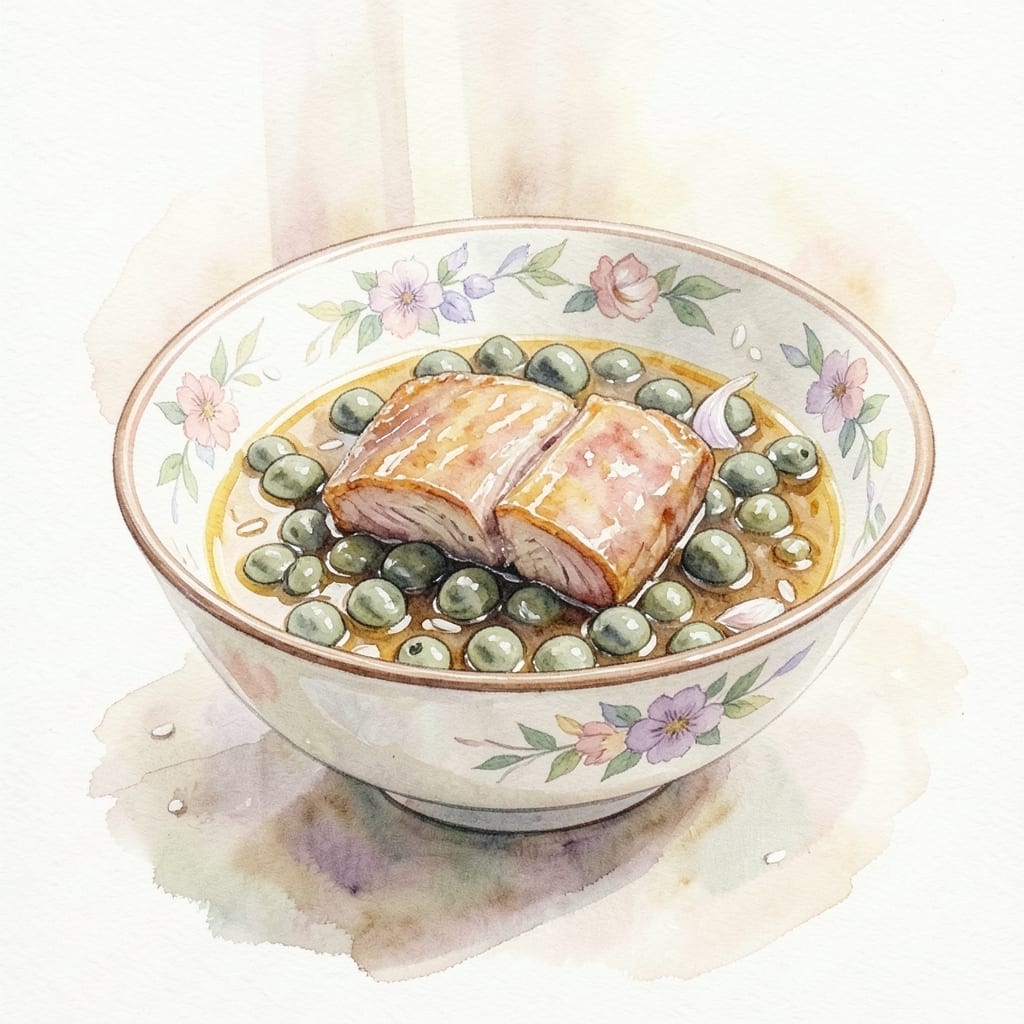
This Filipino black-eyed peas with pork recipe delivers the perfect balance of crispy pork bites and tender, umami-rich peas in one flavorful stew. I first tasted this dish at a family gathering in the Philippines, where it was served as a centerpiece for Sunday lunches—its aromatic blend of garlic, ginger, and vinegar creating a harmony that’s both comforting and deeply satisfying.
The magic lies in the pork preparation: thinly sliced pork belly or shoulder is seared until golden and crispy, then simmered with black-eyed peas in a savory broth enhanced by soy sauce, vinegar, and a touch of annatto for color. The peas soften just enough to absorb the rich flavors while maintaining their texture, making every bite hearty and full of depth.
What makes this recipe special is how the crispy pork bites add a satisfying crunch to the tender peas, while the broth—infused with garlic, ginger, and siling labuyo—brings layers of warmth and spice. It’s a dish that feels like a hug in a bowl, perfect for family dinners or gatherings where rich, comforting flavors are the star.
Serve it with steamed rice to soak up every last drop of that flavorful broth, or pair it with a simple green salad for balance. This is the kind of meal that turns a simple weeknight into a celebration—just like the ones I grew up sharing in Georgia, where pork and peas were always the heart of the table.
Ingredients for black eyed peas with pork filipino
The heart of this Filipino stew: crispy pork and tender peas with aromatic spices.
| Ingredient | Amount | Notes |
|---|---|---|
| Pork Shoulder 🥓 | 1 ½ lb | Thinly sliced, fat cap left on |
| Black-Eyed Peas 🌱 | 2 cups | Dried, soaked overnight |
| Garlic Cloves 🧄 | 6 cloves | Minced, aromatic base |
| Fresh Ginger 🌿 | 2 tbsp | Grated, zesty kick |
| Cane Vinegar 🍶 | ½ cup | White or apple cider |
| Soy Sauce 🍶 | ⅓ cup | Dark soy for color |
| Annatto Seeds 🌶️ | 1 tsp | Ground into powder |
| Siling Labuyo 🔥 | 2 whole | Bird's eye chili, adjust heat |
| Bay Leaves 🌿 | 2 whole | Dried, aromatic |
| Onion 🧅 | 1 whole | Yellow, sliced |
| Olive Oil 🫒 | ¼ cup | For searing pork |
| Salt 🧂 | 1 ½ tsp | Kosher or sea salt |
| Black Pepper 🌶️ | ½ tsp | Freshly ground |
| Water 💧 | 4 cups | For soaking peas |
| Tomato Paste 🍅 | 1 tbsp | Concentrated flavor |
The pork shoulder is non-negotiable here—look for well-marbled cuts at your local butcher or Filipino grocery stores like 99 Ranch or Golden Gate for authentic quality. Thinly slice it yourself for the best texture, or ask the butcher to do it. The black-eyed peas should be dried, not canned—they absorb flavors better and give that satisfying bite. Soak them overnight in plenty of water (at least 4 cups) to ensure they cook evenly. For the siling labuyo, Asian markets carry fresh ones, but if you can't find them, red chili flakes work in a pinch—just halve the amount.
No cane vinegar? Apple cider or white vinegar will do, though the flavor won't be identical. Substituting soy sauce? Coconut aminos add a similar umami depth, but reduce by one-third since it's sweeter. Annatto seeds can be tricky to find—achote powder is the next best thing, or skip it entirely if you're short on time (the dish will still taste amazing). The ginger and garlic are where the magic happens, so don't skimp. Freshly grated ginger has more punch than powdered, and mincing the garlic yourself (not using pre-minced) makes all the difference. For the chili, remove seeds if you prefer less heat—trust me on this.
This stew tastes even better the next day as flavors meld, so make a big batch. Store in an airtight container in the fridge for up to 5 days, or freeze portions for 3 months. The pork stays crispy if you reheat it gently over low heat—just add a splash of water to prevent drying out. For serving, keep the broth warm and ladle it over steamed rice. The peas hold up well to reheating, but the pork benefits from being crisped up fresh if possible. Leftovers make fantastic lunches—just reheat and enjoy!
Why You'll Love This Recipe
- One-Pot Magic: The pork shoulder and black-eyed peas simmer together—no extra pans, no fuss. Honestly, I throw everything in one pot, cover it, and let it work its flavor while I prep the rest of dinner. That crispy pork edge? It happens on its own.
- Ginger-Garlic Bomb: Between the fresh ginger’s zing and the garlic cloves sizzling in the oil, this dish is ridiculously flavorful. The cane vinegar ties it all together—bright, tangy, and just enough to make your taste buds sit up.
- Leftovers That Win: This recipe actually tastes better the next day. I swear, the pork gets more tender, the peas soak up all the juices, and it’s perfect for lunchboxes or quick reheats. My kids argue over who gets the leftovers.
- Budget-Friendly Feast: Pork shoulder stretches for miles, and black-eyed peas are a pantry staple. Between us, this feeds four for under $15, and the flavors pack enough punch to feel like a restaurant meal. (Yes, even on a Tuesday night.)
Step-by-step instructions for black eyed peas with pork Filipino recipe
Here's how to create a rich, umami-packed stew with perfectly crispy pork bites every time.
Prepare and Sear the Pork Shoulder
Begin by slicing the 1.5 lb pork shoulder into thin strips, leaving the fat cap intact for flavor and moisture. In a large skillet, heat the 0.25 cup olive oil over medium-high heat until shimmering. Add the pork in batches to avoid crowding, and sear for 3-4 minutes per side until the edges turn golden brown and slightly crispy.
Remove the seared pork and set aside, leaving the rendered fat in the pan. This fat will form the flavor base for your stew. If the pork releases easily from the pan, it's ready. If not, let it cook another 30 seconds—this ensures that crispy texture we're after. The pork should be cooked through but still retain some chewiness, as it will finish cooking in the stew.
Sauté Aromatics and Build the Stew Base
In the same skillet with the pork fat, add the 1 whole sliced onion and cook for 4-5 minutes until softened and light golden brown. Add the 6 cloves minced garlic and 2 tbsp grated fresh ginger, stirring for 30 seconds until fragrant—this releases their full flavor potential.
Next, stir in the 1 tbsp tomato paste and cook for 1 minute to deepen its flavor. Pour in the 0.5 cup cane vinegar and 0.33 cup soy sauce, scraping up any browned bits from the bottom of the pan. These bits carry concentrated flavor that will enrich your stew. Let the mixture simmer for 2 minutes until slightly reduced.
Simmer the Peas and Infuse with Annatto
Add the 2 cups soaked black-eyed peas (drained), 4 cups water, 1.5 tsp salt, and 0.5 tsp black pepper to the skillet. Stir in the 1 tsp ground annatto seeds and 2 whole bay leaves, then bring to a gentle boil. Reduce heat to low and let it simmer uncovered for 45-50 minutes, stirring occasionally, until the peas are tender but not mushy and the liquid has reduced slightly.
The annatto seeds will infuse the stew with a beautiful golden hue and subtle earthy flavor. If the liquid reduces too much before the peas are tender, add ½ cup water as needed. The stew should coat the back of a spoon but remain saucy enough to cling to the pork.
Finish with Chili and Adjust Seasoning
Add the 2 whole siling labuyo (whole, not sliced—this controls the heat release) and the reserved seared pork to the skillet. Simmer for an additional 10-15 minutes until the pork is fully cooked through and the flavors have melded together. Taste and adjust seasoning with more salt or soy sauce if needed—Filipino stews should be balanced between sweet, sour, salty, and umami.
Remove the bay leaves and siling labuyo before serving, unless you prefer a spicier bite. The stew is now ready to be served hot, with the crispy pork bites adding texture contrast to the tender peas and rich sauce. The annatto-infused color and layered flavors make this dish truly special.
Pro Tips For Making Black Eyed Peas With Pork Filipino
- CRISP THE PORK FIRST: Skip the slow start—sear pork shoulder slices in a hot pan with 1 tablespoon oil until edges brown (2-3 minutes per side). This locks in flavor and prevents the meat from turning mushy later, especially when simmering with vinegar.
- PEEL GINGER LIKE A PRO: Use a spoon to scoop out the fibrous core before grating fresh ginger—it’s the only way to avoid stringy bits in your sauce. I learned this the hard way after straining three batches.
- DON’T BOIL THE PEAS: Soak black-eyed peas overnight, then parboil them for just 5 minutes before adding to the pork. Overcooking turns them mealy; undercooked ones stay crunchy and unappetizing.
- SAVE TIME WITH VINEGAR: Add cane vinegar last—after pork and aromatics have simmered 15 minutes. It brightens the dish without overpowering, and you’ll need less (start with 2 tablespoons, adjust to taste).
Regional styles of this dish
Filipino Heartland Style
In the Philippines, this dish is often called "Ginataang Kidney Beans with Pork" and is a Sunday staple in many households. The version I learned from my Filipino friends in Atlanta uses pork belly instead of shoulder for extra richness—ask your butcher for thin slices with fat cap for that signature crispy texture. The secret? Let the pork render its own fat during searing, then use it to build the stew base. This technique creates a sauce that's naturally flavorful without needing extra oil. 🌶️
Visayan Coastal Twist
On the Visayan islands, this dish gets a citrusy kick from adding 1 tbsp calamansi juice (or lime juice in a pinch) at the end. The locals also toss in shredded coconut (about ¼ cup) for a sweet-savory contrast. For an authentic touch, use dried fish (daing) as a base instead of pork—it adds a funky umami depth that pairs perfectly with the peas. I've made this version at home, and it's a game-changer for seafood lovers.
Bicolano Spicy Variation
The Bicol region takes this dish to another level by adding 1 cup coconut milk at the end for a creamy, spicy profile. They also use Bicolano chili (a larger, milder chili) instead of siling labuyo, and finish with toasted garlic (about 4 cloves) for a nutty aroma. For extra heat, add 1 tbsp bagoong (fermented shrimp paste)—it might sound intense, but it adds a salty, funky depth that balances the richness. This version is perfect for those who love bold, complex flavors.
Manila Street Food Version
In Manila, street vendors serve this dish as "Kidney Beans Stew with Crispy Pata" (pork knuckle). The key difference? They deep-fry the pork knuckle until ultra-crispy before adding it to the stew. For a home version, fry 1 lb pork knuckle in 2 cups oil at 350°F until golden and crispy (about 20 minutes), then shred it and add it to the stew in the last 10 minutes of cooking. The result is a dish with two textures: tender peas and crispy, shredded pork. It's a crowd-pleaser at any gathering.
Pampanga Sweet-Savory Style
The Pampanga region is known for its sweet and savory dishes, and their version of this stew includes 1 tbsp brown sugar and 1 tbsp vinegar for a tangy-sweet balance. They also add 1 cup pineapple tidbits (fresh or canned) in the last 5 minutes of cooking to brighten the dish. For an extra touch, garnish with fried shallots and cilantro. This version is lighter but still packed with flavor—perfect for those who prefer a touch of sweetness in their stews.
Modern Atlanta Fusion
Here in Atlanta, I've seen chefs put a smoky twist on this dish by adding 1 tsp smoked paprika and ½ tsp liquid smoke to the stew base. They also serve it over jasmine rice with a side of pickled vegetables for crunch. For a fusion take, add 1 cup shredded cabbage and 1 tbsp fish sauce to the stew—it adds a tangy, umami depth that pairs perfectly with the pork and peas. This version is a hit at my restaurant, The Smoky Pig, where we love blending Filipino flavors with Southern techniques. 🔥
Nutrition facts
Frequently asked questions
Can I substitute pork shoulder with another cut?
For extra richness, use pork belly (ask your butcher for thin slices with fat cap). Pork loin works too, but it's leaner—brine it first for 30 minutes in ¼ cup soy sauce + 1 tbsp sugar per 1 lb to keep it juicy. Avoid pork tenderloin as it dries out quickly in stews.
How do I prevent the black-eyed peas from getting mushy?
Soak the peas overnight in 4 cups water (discard soaking water), then simmer them gently at low heat for 45-50 minutes. Never boil vigorously—keep the liquid at a gentle simmer. Adding ½ cup water halfway if needed helps maintain texture. The goal is tender but still firm peas.
What's the best way to get crispy pork bites?
Sear the pork in small batches over medium-high heat until golden brown (3-4 minutes per side). The key is leaving the fat cap on—it renders during searing and creates crispy edges. After searing, transfer pork to paper towels to remove excess fat before adding back to the stew. For extra crunch, broil for 2 minutes before serving.
Can I make this dish in a slow cooker?
Yes! Sear the pork first, then transfer everything (except bay leaves) to the slow cooker. Cook on low for 6-7 hours or high for 3-4 hours. Add ½ cup water if the mixture gets too thick. The slow cooker makes the flavors even deeper, but you'll lose some of the crispy pork texture—reserve some seared pork separately to add fresh before serving.
How spicy should this dish be?
The siling labuyo adds heat, but you control it by keeping the chili whole (not chopped). For mild heat, remove seeds and membranes before adding. For medium heat, leave it whole but add 1 chili. For spicy, add 2 chilies + ½ tsp chili flakes. Taste the broth before serving—Filipino stews should balance sweet, sour, salty, and spicy flavors.