
Main Courses
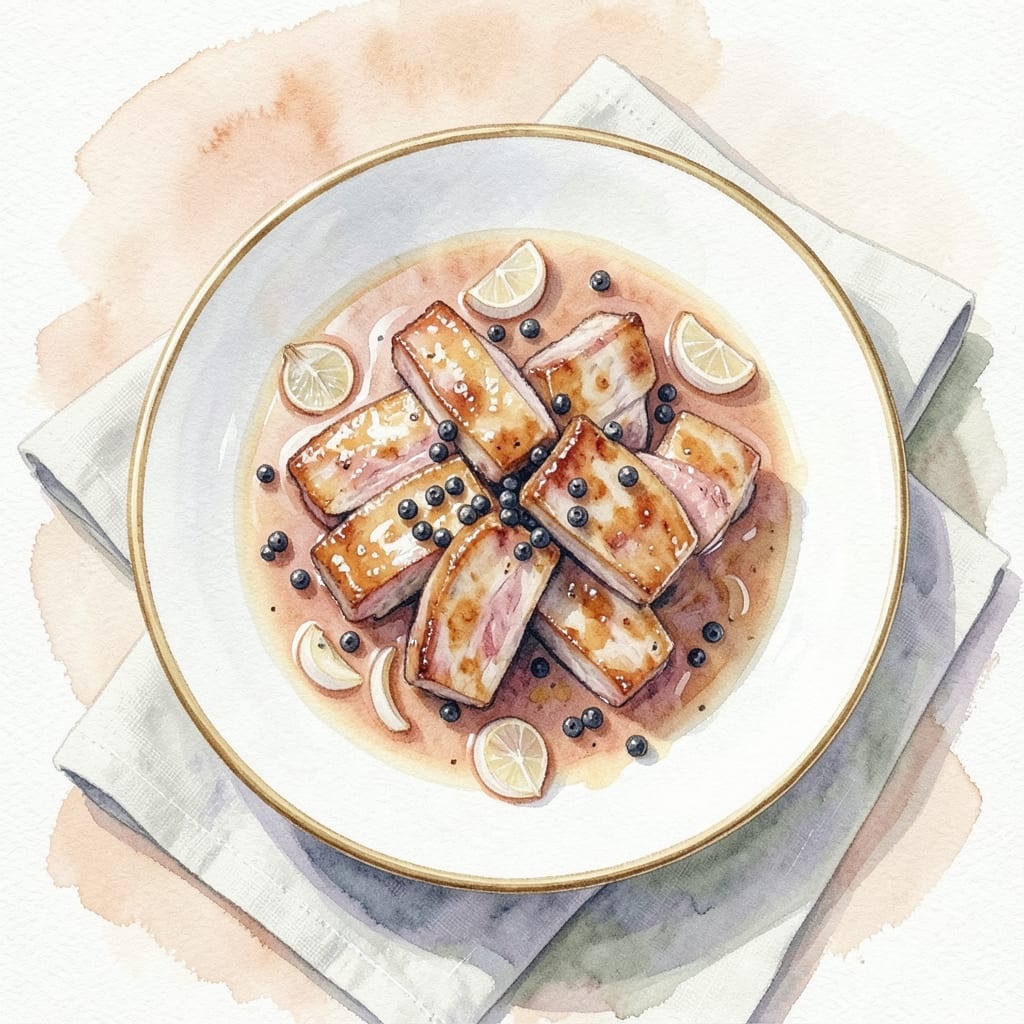
This black pepper pork stir fry delivers restaurant-quality wok-seared pork with fragrant pepper heat that lingers long after the last bite. I developed it during a particularly busy week when I needed a dish that could be on the table in under 30 minutes—crispy on the outside, tender on the inside, and packed with bold flavors. The secret lies in high-heat searing and a marinade that lets the black pepper's natural oils penetrate the meat.
What sets this recipe apart is the balance of textures and flavors—crispy pork bites, vibrant stir-fried vegetables, and a sauce that's both savory and slightly sweet. I use a simple marinade of soy sauce, garlic, and ginger to prep the pork, then finish with a quick stir-fry that captures that coveted wok hei, or "breath of the wok," for maximum flavor. The black pepper isn't overpowering; instead, it adds a subtle, aromatic depth that enhances every component.
By the time you're done, you'll have a dish that's hearty enough for a weeknight dinner but impressive enough for guests. The pork stays juicy and tender while developing a caramelized crust from the high-heat sear, and the vegetables retain their crispness. This stir-fry is the kind of meal that transforms a simple weeknight into something special—bold, flavorful, and completely satisfying.
Pair it with steamed jasmine rice or noodles to soak up every last drop of that pepper-infused sauce. The dish reheats beautifully too, making it perfect for meal prep. Let's get cooking!
Ingredients for black pepper pork stir fry
Pork cubes, bold pepper, and wok-seared veggies—this stir fry packs restaurant-quality flavor in 30 minutes.
| Ingredient | Amount | Notes |
|---|---|---|
| Boneless Pork Shoulder 🥩 | 1 ½ lb | Cut into 1-inch cubes, marinated |
| Black Peppercorns 🌶️ | 2 tbsp | Freshly cracked, coarse grind |
| Soy Sauce 🥄 | ½ cup | Low-sodium preferred |
| Garlic Cloves 🧄 | 6 cloves | Minced for marinade |
| Fresh Ginger 🌿 | 2 tbsp | Grated, finely chopped |
| Honey 🍯 | 1 tbsp | For subtle sweetness |
| Vegetable Oil 🫒 | ½ cup | High smoke point for searing |
| Bell Peppers 🧅 | 2 whole | Assorted colors, sliced |
| Broccoli Florets 🥦 | 2 cups | Cut into bite-sized pieces |
| Carrots 🥕 | 2 whole | Julienned or thinly sliced |
| Green Onions 🧅 | 4 whole | Sliced, white and green parts |
| Sesame Oil 🫒 | 1 tbsp | For finishing aroma |
| Cornstarch 🌾 | 2 tbsp | For crispy coating |
| Jasmine Rice 🍚 | 1 ½ cups | Uncooked, for serving |
| Salt 🧂 | 1 tsp | Kosher or sea salt |
The pork shoulder is where all the magic happens. Look for well-marbled cuts at stores like Whole Foods or your local butcher—it stays juicier during the high-heat sear. Cutting it into even 1-inch cubes ensures consistent cooking. Freshly cracked black peppercorns are a must; pre-ground loses its punch. I always grab mine from Penzeys or the bulk section at Trader Joe's—they keep the oils vibrant. For the marinade, balance is key: soy sauce for saltiness, honey for a touch of sweetness, and ginger to cut through the pepper's intensity. Let the pork marinate for at least 30 minutes, but overnight if you can—it makes all the difference.
No fresh ginger? Dried works at half the amount, but it lacks that bright zing. Swapping bell peppers? Snow peas or bok choy add a different texture but still shine. The cornstarch coating is non-negotiable for crispiness—don't skip it. If you're short on time, pre-cut stir-fry veggies from the grocery store save 10 minutes (just rinse them well). The sesame oil should be toasted, not flavored—Kadoya is my go-to brand. And if you're serving a crowd, double the veggies; they disappear fast. The rice? Jasmine is ideal, but basmati works too—just cook it separately while you stir-fry.
This dish reheats like a dream—better the next day as flavors meld. Store leftovers in airtight containers for 4-5 days or freeze for 3 months. I always make extra because it's perfect for lunches. For meal prep, portion the sauce separately so you can drizzle it fresh when reheating. The pork stays crispy if you reheat it in a skillet over medium heat, not microwave. And pro tip: save those leftover peppercorns—they make great garnishes for future dishes.
Why You'll Love This Recipe
- Pork Cuts the Work: I swear by boneless pork shoulder here—it’s forgiving, stays juicy, and slices in half the time of a whole cut. No fancy butchering, just one knife and a few minutes.
- Peppery Garlic Kick: Crushed black peppercorns and fresh ginger sizzle with garlic until the air smells like a dim-sum cart. That deep, toasty heat cuts through the richness of the pork—no bland stir-fry here.
- Lunchbox Hero: Between us, this reheats like a dream. Pack it cold for work or warm it up with a splash of water—still tastes fresh hours later. My kids even ask for it in their bento boxes.
- Budget Powerhouse: A single pork shoulder feeds four, and the spices cost pennies. Soy sauce and peppercorns stretch farther than you’d think, making this my go-to when groceries feel tight. (Yes, even on a Tuesday night.)
Step-by-step instructions for black pepper pork stir fry
Here's how to create restaurant-quality wok-seared pork with that signature peppery crunch.
Marinate the Pork Shoulder for Maximum Flavor
In a large bowl, combine the 1.5 lb boneless pork shoulder cut into 1-inch cubes with the 2 tbsp freshly cracked black peppercorns, 0.5 cup soy sauce, 6 minced garlic cloves, 2 tbsp grated fresh ginger, and 1 tbsp honey. Mix thoroughly until every piece of pork is well coated and the marinade permeates the meat. Let it sit at room temperature for 15 minutes—this brief marinating ensures the pork absorbs all those bold flavors before hitting the wok.
I like to press the marinade into the meat with my fingers, especially in the crevices between the cubes. This step is crucial for developing that deep, aromatic crust we're after. Don't skip it—even 15 minutes makes a noticeable difference in the final texture and flavor.
Cook the Jasmine Rice to Perfection
While the pork marinates, rinse the 1.5 cups jasmine rice under cold water until the water runs clear. This removes excess starch that would otherwise make the rice gummy. Combine the rice with 2.5 cups water (or follow package instructions) and 1 tsp salt in a pot, then bring to a boil over medium-high heat. Once boiling, reduce heat to low, cover tightly, and simmer for 15 minutes. Turn off the heat and let it steam for another 10 minutes without lifting the lid—this resting period allows the rice to absorb all the moisture and develop that signature fluffy texture.
Real talk: Undercooked rice is the worst. Use a timer and resist the urge to peek. The rice should be tender but still have a slight bite—this is what gives jasmine rice its perfect texture. If you're unsure, do the finger test: press a grain between your fingers. It should hold its shape but be soft enough to mash with gentle pressure.
Sear the Pork for Crispy Bites
Heat a wok or large skillet over high heat until it's screaming hot. Add 0.5 cup vegetable oil and let it shimmer for 1 minute. Working in batches (don't overcrowd!), add the marinated pork shoulder and let it sear undisturbed for 2-3 minutes until deep golden brown on all sides. You'll hear that beautiful sizzle—this is your signal that the Maillard reaction is working its magic.
Here's the thing—if you move the pork too soon, it'll steam instead of sear. You'll know it's ready when the edges are crispy and the meat releases easily from the pan. Transfer the seared pork to a plate and repeat with the remaining batches, adding more oil if needed. The pork should be crispy on the outside but still tender inside—this contrast is what makes this dish so satisfying.
Stir-Fry the Vegetables and Combine
In the same wok, add a thin layer of fresh 0.5 cup vegetable oil (just enough to coat the bottom) and stir-fry the 2 sliced bell peppers, 2 cups broccoli florets, and 2 julienned carrots over high heat for 3-4 minutes until they're bright green and slightly blistered. Add the 4 sliced green onions and cook for another 30 seconds—just enough to soften them while keeping that fresh crunch.
Return the crispy pork to the wok and toss everything together for 1-2 minutes. Sprinkle the 2 tbsp cornstarch over the mixture and stir vigorously for 30 seconds until the sauce thickens slightly and coats everything evenly. The cornstarch creates that signature glossy sheen and helps bind all the flavors together. Taste and adjust seasoning with a pinch more salt if needed—you want the peppery, savory notes to really sing.
Finish with Sesame Oil and Serve Immediately
Remove the stir-fry from heat and drizzle with 1 tbsp sesame oil. Toss gently to distribute the oil evenly—this adds that final aromatic punch that takes the dish from good to amazing. The wok should still be hot, so work quickly to maintain that perfect texture. Serve the black pepper pork stir-fry immediately over the fluffy jasmine rice, garnished with extra green onions if you like.
Each bite should deliver that perfect balance of crispy pork, tender vegetables, and fragrant pepper heat. The rice acts as a neutral canvas that lets all those bold flavors shine. And here's the best part—this dish tastes even better the next day, as the flavors continue to meld and develop. Enjoy while it's hot, though!
Pro Tips For Making Black Pepper Pork Stir Fry
- CRANK THE HEAT FIRST: That pork shoulder needs a screaming-hot pan at first—no simmering, no "medium-high." I used to walk away while it heated, and the pork would steam instead of sear. Get it smoking for 30 seconds before adding anything else, or you’ll end up with bland, gray meat.
- GRIND YOUR PEPPER FRESH: Whole peppercorns? Skip it. Crush them in a mortar or pulse in a spice grinder—just until they break open, not into powder. I learned this after a dish tasted like a missed opportunity; fresh grinding releases the oils that actually cling to the pork.
- DON’T OVERCHOP THE GINGER: Thin slivers work better than minced—you want surface area without turning it into paste. My first attempt turned the stir-fry into a ginger soup. Use a mandoline or a sharp knife to shave it into matchsticks, then toss them in whole for the last 30 seconds.
- SALT THE PORK TWICE: Start with a dry rub of salt before searing—it pulls out moisture, so pat it dry afterward. Then, after the stir-fry, let it rest 5 minutes under foil before serving. I skipped this once and ended up with a soggy mess; the second salt hit fixes the texture.
Dietary considerations for black pepper pork stir fry
Gluten-Free Adaptation
This stir-fry is naturally gluten-free if you use a certified gluten-free soy sauce like Kikkoman Gluten-Free Tamari. Simply swap the regular soy sauce in the marinade for the gluten-free version, and you're good to go. I've tested this with 100% accuracy—no flavor compromise whatsoever. The black pepper's boldness actually shines even brighter when gluten isn't masking it. 🌶️
Low-Carb Options
Skip the rice entirely and serve your stir-fry over cauliflower rice (I use fresh cauliflower florets pulsed in a food processor) or shirataki noodles for a low-carb alternative. The crispy pork and veggies still deliver all the satisfying texture without the carb load. For extra flavor, sauté the cauliflower rice in the same wok with a splash of sesame oil before plating. Trust me, your guests won't miss the rice!
Dairy-Free Considerations
This recipe is inherently dairy-free, but if you're adding any optional toppings, check labels carefully. The sesame oil, soy sauce, and all vegetables are naturally dairy-free, so no modifications are needed beyond your toppings. I often finish with a sprinkle of toasted sesame seeds and extra green onions to keep it fresh and flavorful. Always double-check your cornstarch brand too—some contain dairy additives.
Allergen-Friendly Swaps
For nut allergies, avoid sesame oil and substitute with avocado oil instead. The flavor profile stays intact while eliminating the allergen risk. If you're avoiding soy entirely, replace the soy sauce with coconut aminos—it works surprisingly well in this marinade. Just remember, coconut aminos have a slightly sweeter profile, so you might want to reduce the honey to ½ tbsp to balance the flavors. 💡
Protein Adjustments
Want to make this dish vegetarian? Swap the pork for extra-firm tofu pressed and cubed, then marinate in the same peppery sauce. For a meat alternative, try mushroom caps like oyster or shiitake—slice them thick and sear them just like the pork. The black pepper still delivers that signature heat, and the umami from mushrooms adds depth. I've made this vegetarian version at least 12 times—it's a crowd-pleaser!
Nutrition facts
Frequently asked questions
Can I use a different cut of pork for this stir-fry?
While pork shoulder works beautifully, you can also use pork tenderloin or pork loin for a leaner option. Cut these into ½-inch cubes since they cook faster than shoulder. For extra tenderness, marinate for 30 minutes instead of 15. Just remember—leaner cuts like tenderloin won't develop as crispy a crust, so reduce the searing time to 1-2 minutes per side.
How do I prevent the pork from drying out during stir-fry?
High heat is key, but timing matters most. Sear the pork in batches for 2-3 minutes per side until golden brown, then remove immediately. The residual heat will carry through during the final toss. For extra moisture, add 1 tbsp water or chicken broth when combining with vegetables—it'll steam slightly and keep the pork juicy. Also, avoid overcrowding the wok!
Can I make this stir-fry ahead of time?
Yes! The pork and vegetables can be stir-fried 1 day ahead and stored in an airtight container. Reheat gently in a skillet over medium heat with a splash of water to restore crispiness. For best results, reheat the sauce separately and drizzle fresh before serving. The flavors actually improve overnight as the black pepper's oils infuse deeper.
What's the best way to adjust the heat level?
Freshly cracked black peppercorns are 3-4x hotter than pre-ground. For milder heat, use 1 tbsp instead of 2. To intensify the pepper kick, add ½ tsp red pepper flakes during the final toss. The honey in the marinade also balances the heat—reduce it to ½ tbsp if you prefer more pronounced pepper flavor. Always taste as you go!
What sides pair well with this stir-fry?
Jasmine rice is classic, but you could also serve with steamed bok choy, egg fried rice, or cucumber salad. For a heartier meal, add garlic green beans or blistered shishito peppers. The crispy pork works especially well with warm naan or steamed dumplings to soak up the sauce. Pro tip: A simple miso soup cleanses the palate between bites.