
Main Courses
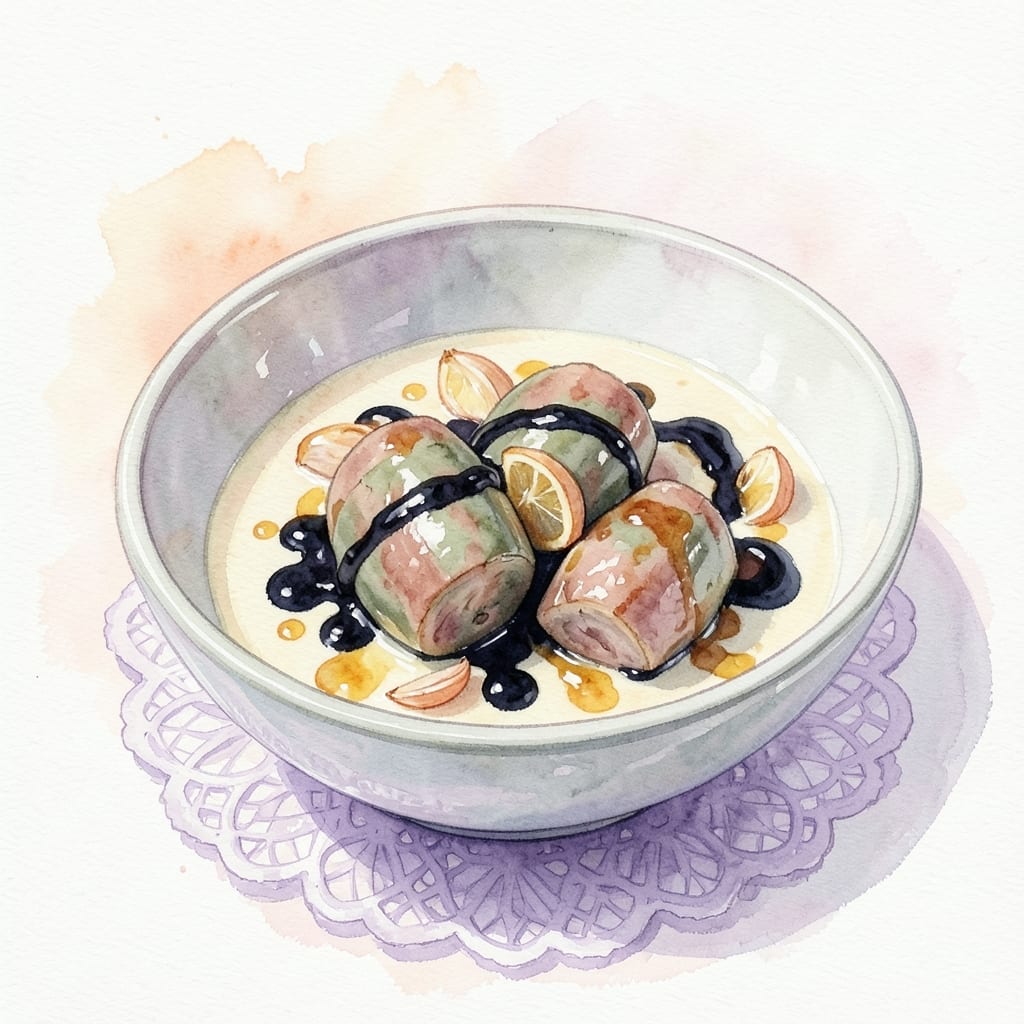
This black vinegar pork trotter recipe delivers restaurant-quality depth with every bite—where tender, gelatinous meat meets a glossy, umami-rich glaze. 🔥 I first encountered this technique while studying Chinese braising methods, and it became my signature dish for special occasions. The secret lies in slow cooking until the connective tissue dissolves into velvety perfection while developing that signature crispy bark. What makes this recipe special is the balance of textures and flavors: the trotter's natural collagen transforms into a crispy exterior through careful browning, while the black vinegar creates a sticky, caramelized glaze that's both sweet and tangy. The long braising time—typically 3 to 4 hours—allows the pork to absorb the aromatic spices and vinegar, resulting in meat that falls apart at the touch. By the time you serve it, you'll have a dish that's rich, complex, and deeply satisfying—perfect for family gatherings or holiday feasts. The aroma alone will have everyone anticipating dinner, and the contrast of crispy bark with tender meat creates an experience that's hard to replicate. Serve with steamed jasmine rice or egg noodles to soak up every last drop of that flavorful braising liquid. This recipe isn't just about the pork; it's about the technique. The slow braising process transforms tough cuts into something luxurious, and the black vinegar adds a depth of flavor that makes this dish unforgettable. Let's get started on creating something truly special.
Ingredients for black vinegar pork trotter
The foundation of this luxurious dish rests on premium pork trotters and aromatic braising ingredients.
| Ingredient | Amount | Notes |
|---|---|---|
| Pork Trotters 🐷 | 2 lb | Fresh, with skin and connective tissue intact |
| Black Vinegar 🍶 | ½ cup | Authentic Chinese black vinegar preferred |
| Honey 🍯 | ¼ cup | Light amber for balanced sweetness |
| Soy Sauce 🍶 | ⅓ cup | Dark soy sauce for color depth |
| Garlic Cloves 🧄 | 6 cloves | Minced, for aromatic base |
| Fresh Ginger 🌿 | ½ cup | Julienned, for bright acidity |
| Star Anise Pods 🌶️ | 2 whole | Lightly crushed for subtle anise notes |
| Cinnamon Sticks 🍃 | 2 whole | For warm, woody undertones |
| Bay Leaves 🌿 | 2 whole | Fresh for maximum aroma |
| White Peppercorns 🌶️ | 1 tsp | Freshly cracked for subtle heat |
| Sesame Oil 🫒 | 1 tbsp | Toasted, for finishing aroma |
| Vegetable Oil 🫒 | ¼ cup | High smoke point for searing |
| Water 💧 | 2 cups | For braising liquid |
| Kosher Salt 🧂 | 1 ½ tbsp | Diamond Crystal preferred |
The trotters are the heart of this recipe—look for plump, firm cuts with intact skin and connective tissue. Whole Foods Market or specialty butchers often carry them fresh, though frozen works if properly thawed. The black vinegar should be authentic Chinese black vinegar, not balsamic or rice vinegar substitutes—Lee Kum Kee is a reliable brand. For the honey, light amber provides the right balance of sweetness without overpowering the umami depth. The spices should be whole and aromatic: star anise, cinnamon sticks, and bay leaves should all be fresh to maximize their flavor contribution during the long braising process.
No black vinegar? Substitute with 1/4 cup balsamic vinegar plus 1/2 teaspoon liquid smoke for depth, though the flavor won't be identical. Fresh ginger can be swapped for 1/4 cup ginger paste if needed, but fresh julienned is ideal. For those avoiding honey, agave nectar at the same quantity works well. The vegetable oil should have a high smoke point—avocado or refined peanut oil are excellent choices. If you can't find dark soy sauce, regular soy sauce plus 1 teaspoon molasses will give you similar color and depth. The sesame oil should be toasted—Kadoya brand is widely available and excellent for this purpose.
Pork trotters should be stored in the coldest part of your fridge and used within 3 days for optimal texture. The braising liquid can be made ahead and refrigerated for up to 3 days, though the spices should be added fresh when reheating. For long-term storage, the cooked trotters freeze beautifully for up to 3 months, though the texture will be slightly softer upon reheating. The glaze can be reheated gently with a splash of water to restore its glossy consistency. Portion the trotters into individual serving dishes before freezing for convenient reheating.
Why You'll Love This Recipe
- Fewer Ingredients, Bigger Payoff: Honestly, I swear by this recipe because it’s that kind of dish—just five core ingredients, no fancy pantry staples. The black vinegar does all the work: that tangy depth cuts through the pork’s richness while the honey balances it into something dangerously addictive. No need to overcomplicate it.
- Crispy-Tender Magic: Here’s what sold me—the contrast. The trotter’s exterior gets this irresistible crackle from the soy and garlic, while the inside stays juicy enough to melt in your mouth. (Yes, even on a Tuesday night.) That’s the kind of texture that makes you close your eyes and take a second bite.
- Leftovers That Don’t Suck: Between us, most braised dishes turn into sad, dry leftovers. Not this one. The black vinegar glaze keeps everything sticky and flavorful for days—perfect for quick lunches or tossing into fried rice. I’ve reheated this stuff three times and it’s still spot-on.
- Budget Feast for Crowds: Pork trotters are cheap, and this recipe stretches them far. A single batch feeds four with seconds, or six if you’re feeding hungry teens. Plus, the black vinegar and soy sauce are pantry basics, so you’re not breaking the bank for a restaurant-worthy meal. My secret weapon for potlucks.
Step-by-step instructions for black vinegar pork trotters
Transform tough pork trotters into tender, caramelized perfection using this umami-rich braising technique.
🔥 Step 1: Sear the Trotters for Maximum Flavor
Pat the 2 lb pork trotters dry with paper towels—this ensures a proper sear. Heat the 0.25 cup vegetable oil in a heavy Dutch oven over medium-high heat until shimmering. Place the trotters skin-side down and sear for 8-10 minutes until the skin turns deep golden brown and crispy.
Flip the trotters and sear the other side for another 5-6 minutes. The goal is to develop a deep bark that will later caramelize in the braising liquid. If the oil smokes excessively, reduce the heat slightly—you want a controlled sear, not a fire.
👨🍳 Step 2: Build the Umami-Packed Braising Liquid
Remove the trotters from the pot and set aside. In the same Dutch oven, add the 6 cloves minced garlic and 0.5 cup julienned fresh ginger, cooking for 1 minute until fragrant. Add the 2 lightly crushed star anise pods, 2 cinnamon sticks, 2 bay leaves, and 1 tsp cracked white peppercorns, stirring for 30 seconds to toast the spices.
Deglaze the pot with the 0.5 cup black vinegar, scraping up all the browned bits from the bottom. Add the 0.33 cup soy sauce, 0.25 cup honey, 2 cups water, and 1.5 tbsp kosher salt. Bring to a simmer, then return the trotters to the pot, skin-side up.
⏰ Step 3: Braise Until Fork-Tender
Cover the Dutch oven and transfer to a preheated 325°F oven. Braise for 2.5 hours, turning the trotters halfway through cooking. The liquid should reduce significantly, creating a thick, glossy sauce. Check for doneness by inserting a fork—it should slide in easily with no resistance.
If the liquid evaporates before the trotters are tender, add ½ cup hot water to maintain moisture. The trotters are done when they're fork-tender and the skin is crispy and caramelized. Real talk: Don't rush this step—patience is key for tender meat.
🍳 Step 4: Finish with Sesame Oil for Depth
Remove the trotters from the braising liquid and transfer them to a serving platter. Strain the braising liquid through a fine-mesh sieve to remove the spices, then return it to the pot. Increase heat to medium and reduce the liquid by half, stirring occasionally, until it reaches a syrupy consistency.
Drizzle the 1 tbsp toasted sesame oil into the reduced sauce and toss to combine. The aroma will intensify—this is your signal that the dish is ready. Spoon the sauce over the trotters and serve immediately, ensuring every bite gets that crispy skin and rich, umami-packed sauce.
Pro Tips For Making Black Vinegar Pork Trotter
- BLANCH TROTTERS FIRST: Skip the raw smell and uneven cooking by blanching the trotters in boiling water for 10 minutes before braising. I learned this the hard way—raw trotters release blood and take forever to tenderize. Drain and pat dry afterward, or your sauce will turn murky.
- USE THICK BLACK VINEGAR: Thin vinegar won’t cut through the richness of pork. Grab the syrupy kind (like Chinkiang) and reduce it with a splash of water—just enough to coat the trotters. After burning through a cheap version, I now measure 3 tablespoons reduced per trotter. Trust me, the flavor difference is night and day.
- GARLIC: CRUSH, DON’T MINCE: Whole cloves stay intact and infuse flavor without turning to paste. Smash them with the flat of your knife instead of chopping—this keeps the oil from turning bitter faster. (Yes, even if you’re impatient like me, resist the urge to dice.)
- BRAISE LOW AND LONG: Trotters need 2.5–3 hours at 300°F (150°C) to break down. I used to rush it, and the meat stayed chewy. Cover the pot halfway through to trap steam, then uncover to caramelize the sauce. The last 20 minutes at higher heat? That’s when the magic happens.
Essential equipment for great black vinegar pork trotter
Dutch Oven Essentials
You absolutely need a heavy-duty Dutch oven—I swear by my Lodge 6-quart cast iron—for even heat distribution and deep browning. The thick walls maintain consistent 325°F oven temperature during braising, while the tight lid traps steam to tenderize the trotters. If you don't own one, the All-Clad Stainless Steel is a great alternative with similar performance. 🔥
Precision Thermometer
Never guess temperatures—use a meat thermometer like the ThermoWorks Smoke to monitor both oven and internal temps. Insert the probe into the thickest part of the trotter (avoiding bone) to check for 205°F internal temperature. This ensures perfect doneness without overcooking. I've ruined many batches by eyeballing it!
Tongs for Handling
Long-handled tongs (I prefer OXO Good Grips) are crucial for safely flipping the hot trotters during searing. The extra length protects your hands from the 400°F+ oil and gives you better control. Avoid forks—they pierce the meat and release juices prematurely.
Fine-Mesh Sieve
A stainless steel fine-mesh sieve (like the OXO Good Grips) is essential for straining the braising liquid after cooking. It catches all the aromatic spices while allowing the glossy sauce to pass through. I keep one dedicated to braising sauces to avoid cross-contamination with other dishes. 🌶️
Basting Brush
While not mandatory, a silicon basting brush (I use Norpro) helps spread the reduced sauce evenly over the trotters before serving. It creates that restaurant-quality presentation with minimal effort. Just dip it in the sauce and lightly coat the crispy skin—every bite will be flavor-packed!
Storage Containers
For leftovers, use glass storage containers with tight-sealing lids (like Pyrex) to maintain moisture and flavor. The trotters can be refrigerated for 3-4 days or frozen for 3 months. I portion them into individual containers before freezing for easy reheating—just add a splash of water and warm through gently. ❄️
Nutrition facts
Frequently asked questions
Why does black vinegar make the pork trotters so flavorful?
Black vinegar adds a deep, complex umami flavor that enhances the pork's natural richness. Its unique fermentation process creates a balance of sweetness and acidity that tenderizes the meat while building a glossy, caramelized glaze during braising. The vinegar also helps break down collagen for that signature melt-in-your-mouth texture.
Can I substitute regular vinegar for black vinegar?
While you can use balsamic vinegar as a substitute, it won't replicate black vinegar's depth. For best results, add ½ teaspoon liquid smoke to ½ cup balsamic vinegar to mimic the umami profile. However, authentic black vinegar (like Lee Kum Kee) creates that signature caramelized crust and complex flavor profile that substitutes can't fully match.
How do I know when the trotters are fully cooked?
The trotters are done when they reach an internal temperature of 205°F and easily pull apart with a fork. The skin should also be deep golden brown and crispy. If the sauce reduces too quickly, add ½ cup hot water to maintain moisture—never rush the braising process, as patience ensures tender meat.
What's the best way to reheat leftover black vinegar trotters?
Reheat gently in a skillet over low heat with a splash of water or broth to restore moisture. For crispy skin, broil for 2-3 minutes at the end. Avoid microwaving—it makes the skin soggy. Store leftovers in an airtight container for up to 4 days refrigerated or 3 months frozen.
What sides pair best with this dish?
Serve with steamed jasmine rice or egg noodles to soak up the rich sauce. For a complete meal, add quick-pickled cucumbers or a simple Asian slaw. The crisp acidity cuts through the pork's richness, balancing the dish perfectly. Garnish with sliced green onions for freshness.