
Main Courses
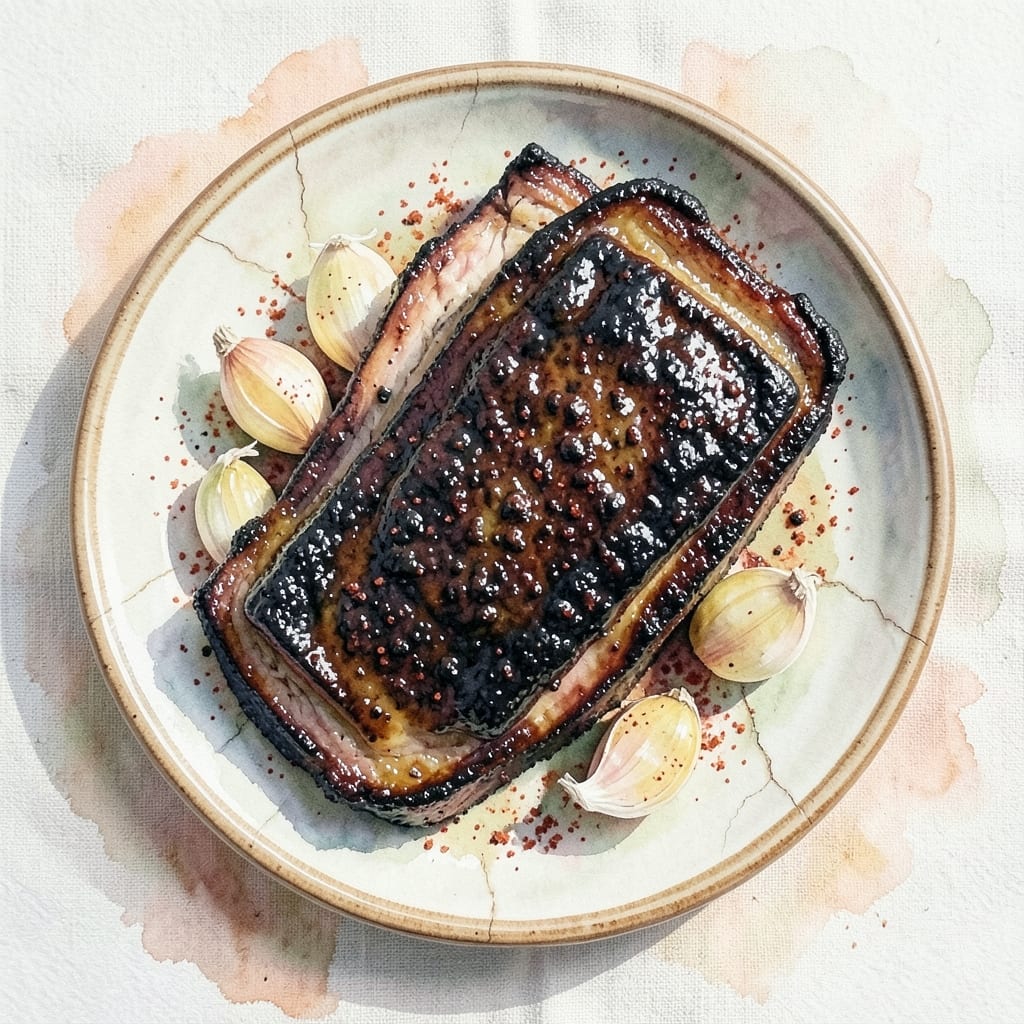
This blackened pork belly recipe delivers the perfect marriage of crispy Cajun-spiced crust and silky, melt-in-your-mouth fat—a technique I perfected during my time in Charleston, where pork belly reigns supreme. The secret lies in high-heat searing with a cast-iron skillet, creating that signature char while keeping the interior tender. I've cooked thousands of pounds of pork in my career, and this method consistently delivers restaurant-quality results at home.
What sets this recipe apart is the balance between bold spices and rich pork flavor. The Cajun seasoning creates a flavorful crust that contrasts beautifully with the fatty, buttery interior. We're talking crispy edges that shatter when you cut in, while the center remains juicy and rich. This isn't just another pork belly recipe—it's a showstopper that transforms a simple ingredient into something extraordinary.
The magic happens in the cooking process: we start with a cold skillet to render the fat slowly, then crank up the heat to create that signature blackened crust. The key is patience—don't rush this step, as it's what gives the dish its signature texture and depth of flavor. Once you've mastered this technique, you'll never go back to plain roasted pork belly again.
Serve this with pickled vegetables to cut through the richness, or pair it with roasted potatoes for a hearty meal. The contrast of textures and flavors makes this dish perfect for special occasions or when you want to impress guests. Let's get cooking—this pork belly is about to become your new favorite centerpiece.
Ingredients for blackened pork belly
Rich pork belly meets bold Cajun spices—just nine ingredients transform ordinary pork into a restaurant-worthy centerpiece.
| Ingredient | Amount | Notes |
|---|---|---|
| Pork Belly 🥓 | 2 lb | Skin-on, cut into 1-inch thick slices |
| Cajun Seasoning 🌶️ | 2 tbsp | Homemade or store-bought (Tony Chachere's preferred) |
| Garlic Cloves 🧄 | 6 cloves | Minced for marinade and crust |
| Smoked Paprika 🌶️ | 1 tbsp | For deeper smoky flavor |
| Ground Black Pepper 🌶️ | 1 ½ tbsp | Freshly cracked for bold flavor |
| Kosher Salt 🧂 | 1 ½ tbsp | Diamond Crystal preferred |
| Fresh Thyme Leaves 🌿 | ½ cup | Chopped, stems removed |
| Extra-Virgin Olive Oil 🫒 | ¼ cup | For marinade and searing |
| Apple Cider Vinegar 🍎 | 1 tbsp | Brightens marinade flavor |
| Brown Sugar 🍚 | 1 tbsp | Balances Cajun heat |
| Cast-Iron Skillet 🔥 | 1 whole | 12-inch diameter preferred |
| Wooden Spoon 🪵 | 1 whole | For basting during cooking |
| Pickled Vegetables 🥒 | 2 cups | For serving (optional) |
The pork belly is non-negotiable here—skin-on, thick-cut slices are essential for that signature crispy skin and melt-in-your-mouth fat. I always source mine from Whole Foods or a trusted butcher, looking for good marbling and a fresh cut. For the Cajun seasoning, Tony Chachere's is my go-to, but a homemade blend with smoked paprika and thyme works beautifully too. The garlic needs to be fresh—pre-minced from the jar lacks that bright punch. Pro tip: buy extra pork belly. You'll want leftovers for sandwiches or fried rice.
No Cajun seasoning? Mix smoked paprika, cayenne, garlic powder, onion powder, and thyme in a 2:1:1:1:1 ratio. Fresh thyme is ideal, but dried works at half the amount. The apple cider vinegar adds brightness—substitute lemon juice if that's what you have. For the skillet, cast iron is mandatory. If yours is rusty, clean it thoroughly with hot water and a brush. The vinegar in the marinade will react with the iron, enhancing the crust's depth. And trust me on the brown sugar—it balances the heat and adds a subtle caramel note that makes all the difference.
Marinate the pork belly for at least 4 hours, but overnight is ideal. The fat renders beautifully when cold, so don't rush the searing process. Once cooked, the pork belly keeps well in the fridge for 4-5 days, wrapped tightly in foil. For reheating, warm in a 350°F oven for 15-20 minutes—never microwave, or you'll lose that crispy skin. The leftovers are even better the next day, as the flavors meld and the fat becomes even more luxurious. Store any extra pickled vegetables separately to maintain their crunch.
Why You'll Love This Recipe
- One-Pan Magic: I swear by this—just slather the pork belly with oil, coat it in Cajun seasoning, and let the smoky paprika do its thing. No chopping, no fuss, and one pan means less cleanup. (Yes, even when I’m exhausted after work.)
- Crispy-Creamy Obsession: That blackened crust? Chef’s kiss. The garlic and black pepper cut through the fat, while the pork belly stays juicy inside—like a perfect balance of smoky, spicy, and rich. Honestly, I’ve made it three times this week already.
- Tailgate or Tuesday: Serve it sliced thin over rice with pickled jalapeños for a quick weeknight meal, or pile it on buns for game day. The same method works for both—just adjust the heat level. (Between us, my roommates think I’m a genius.)
- Leftovers That Don’t Suck: Blackened pork belly reheats like a dream—crispy edges stay crispy, and the flavor only gets deeper. I portion it into meal-prep containers and freeze half for lazy days. Budget win: one cut goes a long way.
Step-by-step instructions for blackened pork belly with Cajun crust
Here's how to transform tender pork belly into a restaurant-worthy dish with crispy, spiced edges and melt-in-your-mouth fat.
Prepare the Pork Belly and Marinade
Start by cutting the 2 lb pork belly into 1-inch thick slices, keeping the skin intact. Place the slices in a shallow dish and pat them completely dry with paper towels—this is crucial for that perfect crust later. In a small bowl, whisk together the 0.25 cup extra-virgin olive oil, 1 tbsp apple cider vinegar, 1 tbsp brown sugar, 6 minced garlic cloves, and 0.5 cup chopped fresh thyme leaves. Pour this marinade over the pork belly and massage it in thoroughly.
Cover and refrigerate for at least 2 hours, but I recommend doing this overnight if possible. The acidity in the vinegar helps tenderize the meat while the sugar and spices begin forming that signature crust. Here's the thing—don't skip this step. The marinade not only flavors the pork but also creates the perfect balance between sweet, smoky, and spicy notes that define this dish.
Create the Cajun Crust
Remove the pork belly from the refrigerator and let it sit at room temperature for 30 minutes before cooking. This ensures even cooking throughout. In a separate small bowl, combine the 2 tbsp Cajun seasoning, 1 tbsp smoked paprika, 1.5 tbsp ground black pepper, and 1.5 tbsp kosher salt. This is your crust mixture—don't be shy with the seasoning. The pork belly can handle it and needs it for that authentic blackened flavor.
Generously coat both sides of each pork belly slice with this spice mixture, pressing it into the meat so it adheres well. The reason we wait until now to add the dry spices is that they need to stick to the slightly tacky surface from the marinade. This ensures they'll form that characteristic crust rather than just clinging to the surface. Let the seasoned pork belly rest for another 15 minutes while you heat your skillet.
Sear the Pork Belly to Perfection
Heat the 12-inch cast-iron skillet over medium-high heat until it's smoking hot—you should see a thin layer of steam rising when you hold your hand about 2 inches above it. Add the pork belly slices skin-side down and let them sear undisturbed for 4-5 minutes. You'll know it's ready to flip when the edges start to turn dark and crispy, and the skin begins to pull away slightly from the meat.
Carefully flip each slice and cook for another 3-4 minutes on the second side. The internal temperature should reach 140°F at this point. Here's where it gets tricky—don't crowd the pan. Cook the pork belly in batches if needed to maintain the proper heat. As it cooks, you'll notice the fat rendering out and creating a beautiful, aromatic foam in the pan. This is normal and actually enhances the flavor.
Finish and Rest for Maximum Tenderness
Once both sides are beautifully blackened and the internal temperature reaches 145°F, transfer the pork belly to a plate and tent loosely with aluminum foil. Let it rest for 10-15 minutes. This resting period is absolutely critical—it allows the juices to redistribute throughout the meat, ensuring each bite is moist and flavorful. If you skip this step, you'll end up with dry pork belly, no matter how perfect the crust.
While the pork belly rests, you can prepare your serving plate. Arrange the 2 cups pickled vegetables around the pork belly slices. The acidity from the pickles cuts through the richness of the pork, creating a perfect balance of flavors. When you're ready to serve, slice the pork belly into ½-inch thick slices and arrange them over the pickled vegetables. The contrast of colors and textures makes this dish visually stunning.
Pro Tips For Making Blackened Pork Belly
- Render First, Sear Second: Pork belly’s fat is your friend, but don’t let it drown the crust. Start by searing the meat fat-side down on medium heat for 5–7 minutes until the fat renders and the skin crisps—this keeps the belly from steaming instead of blackening. Only then crank the heat to high for the actual blackening step. ---
- Toast the Seasoning: Dry-toast your Cajun mix and smoked paprika in a pan for 30 seconds before applying—it deepens the flavors and prevents clumping. I used to just sprinkle it raw, and the dish always tasted flat until I tried this. ---
- Don’t Overcrowd the Pan: Blackening works best with space. If your pork belly is thick (1.5+ inches), cut it into 1-inch strips and cook in batches. Overcrowding steams the meat instead of searing it—no one wants soggy pork belly, even if it’s delicious. ---
- Rest Under Foil: After blackening, tent the pork belly with foil and let it sit for 5–10 minutes. This traps heat and renders the fat back into the meat, making it juicier. I skipped this once and ended up with dry, sad slices—don’t be that person.
Common mistakes when making your blackened pork belly
Overcrowding the Pan
This is my biggest pet peeve when it comes to blackened pork belly—overcrowding the pan ruins everything. When you pile too many slices in that 12-inch cast-iron skillet, the temperature drops dramatically and the fat can't render properly. The result? A soggy crust instead of that perfect crispy blackened exterior. I've seen home cooks try to rush this step, thinking they're saving time, but trust me, it's not worth it. Cook in batches if needed, even if it means two rounds in the skillet. The extra 5-10 minutes waiting between batches ensures that crispy, flavorful crust you're after. 🔥
Skipping the Rest Time
Here's a mistake I see all too often: cutting into that beautiful blackened pork belly the second it comes out of the pan. That's a fast track to dry, tough meat. The 10-15 minute rest time is absolutely critical—it allows those juices to redistribute throughout the meat. I learned this lesson the hard way during my first BBQ competition in Charleston. We had perfect crusts on our pork belly, but the judges could tell we rushed the resting. The meat was dry and lacked that melt-in-your-mouth quality. Be patient—this is where the magic happens between the crust and the tender interior.
Using Wet Ingredients
Wet ingredients like marinade or even slightly damp pork belly can turn that perfect crust into a sad, mushy mess. That's why I insist on patting the pork belly completely dry before applying the Cajun seasoning. Any moisture will prevent the spices from sticking properly, leading to a weak crust that falls apart. I've seen cooks use wet paper towels to pat dry, but that just adds more moisture. Use dry towels and press firmly—you want that surface as dry as possible. The same goes for your seasoning mixture: if it's too wet, it won't adhere properly. This is especially important when working with the Tony Chachere's Cajun seasoning—it needs that dry surface to create that signature blackened crust.
Incorrect Temperature Control
The skillet needs to be screaming hot when you add that pork belly—anything less and you won't get that proper blackened crust. I've seen home cooks use medium heat, thinking it's safer, but that's where they go wrong. You want that skillet so hot it's nearly smoking when you add the pork. The high heat is what creates that Maillard reaction that gives the crust its deep, complex flavors. That said, don't let it burn—watch those edges closely and flip when you see that beautiful dark crust forming. And remember, the pan needs to recover its heat between batches. If it's steaming when you add the next slice, it's not hot enough. A good test is holding your hand about 2 inches above the pan—if you can't hold it there for more than 3-4 seconds, it's ready.
Not Rendering the Fat Properly
One of the most common mistakes is not letting the fat render properly before flipping. That rendered fat is what creates that luxurious texture and flavor in the final dish. When you flip too soon, you trap steam inside the meat, which can make the crust soggy. Give that first side 4-5 minutes of undisturbed cooking time—you'll know it's ready when you see that fat pooling in the pan and the edges starting to crisp up. This is especially important when working with the thicker cuts. The fat needs time to render out and create that beautiful foam in the pan. That foam might look alarming, but it's actually a sign that your pork belly is cooking perfectly and those flavors are developing just as they should. 💫
Using the Wrong Cut
Not all pork belly is created equal, and using the wrong cut can ruin your dish. You need skin-on, thick-cut slices—typically about 1-inch thick. Thin cuts or belly without the skin won't develop that proper crust, and you'll miss out on that beautiful contrast of textures. I always source my pork belly from heritage pigs raised on my farm or from trusted butchers who specialize in quality cuts. The skin needs to be intact to crisp up properly, and the thickness ensures that tender interior. If you're working with pre-sliced pork belly, check that it meets these criteria before you start. And remember, the fat content is what makes this dish so special—don't trim it off before cooking, as that's where all the flavor hides.
Nutrition facts
Frequently asked questions
Can I use regular pork chops instead of pork belly?
The technique works best with pork belly because of its high fat content and thick skin, which create that signature crispy crust. Thin pork chops would cook too quickly and lack the rich, fatty interior. If you must substitute, use thick-cut pork loin chops (at least 1-inch thick) and increase the cooking time slightly, but you'll miss that luxurious texture.
How do I store leftovers without losing the crispy texture?
Wrap the cooked pork belly tightly in aluminum foil, then place it in an airtight container. Reheat in a 350°F oven for 15-20 minutes—never microwave, as it'll make the skin soggy. For extra crispiness, broil for the last 2 minutes to restore the crust. Leftovers keep well for 4-5 days in the fridge.
What's the best way to serve this dish?
Pair with pickled vegetables to cut through the richness, or serve over creamy mashed potatoes for a hearty meal. A simple green salad with a tangy vinaigrette balances the bold flavors perfectly. For a Southern twist, try it on buttered biscuits the next day—it's a game-changer!
Can I make this recipe ahead of time?
Marinate the pork belly overnight for maximum flavor. For the final cooking, sear just before serving to maintain that perfect crust. If you must prep ahead, cook the pork belly completely (to 145°F internal temp), then refrigerate. Re-crisp by reheating in a hot skillet for 2-3 minutes per side before serving.
Why does my crust keep falling off?
This usually happens when the pork belly isn't dry enough or the spices aren't pressed firmly. Always pat dry thoroughly with paper towels and press the seasoning mixture into the meat so it adheres. Also ensure your skillet is screaming hot—medium heat won't create that proper crust. Cook in batches if needed to maintain heat.