
Main Courses
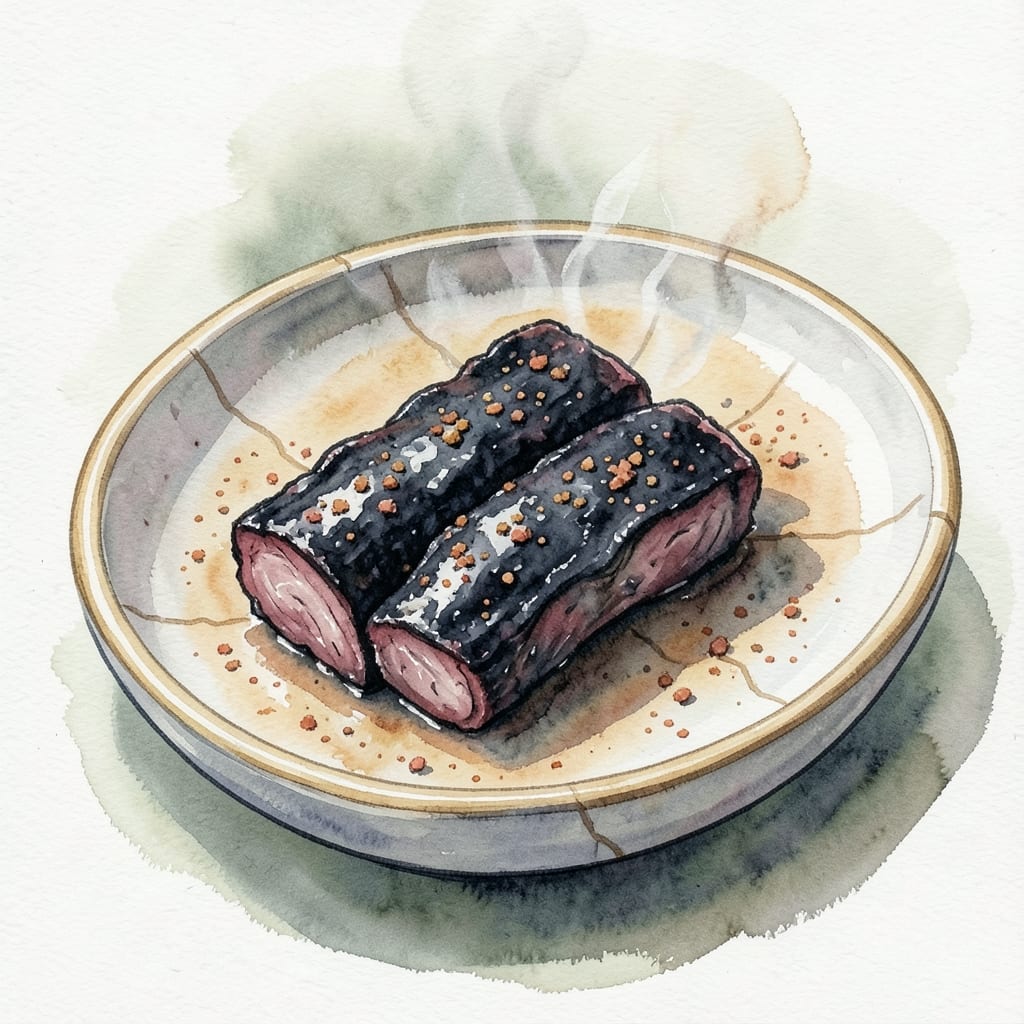
This blackened pork recipe transforms simple pork chops into a restaurant-worthy masterpiece with a crispy Cajun-spiced crust and juicy pink centers—the kind of dish that makes your kitchen smell like a New Orleans brasserie. 🔥 As someone who's spent years perfecting the balance between heat and tenderness, I can tell you the secret lies in a two-stage sear that creates that signature blackened crust while keeping the meat impossibly tender inside. The spices—paprika, cayenne, garlic powder—aren't just seasoning; they're the foundation of flavor that transforms ordinary pork into something extraordinary.
The beauty of this recipe is its adaptability. Whether you're cooking for a weeknight dinner or a weekend gathering, the technique remains the same: cast-iron skillet, high heat, and patience. I've tested this with everything from bone-in chops to tenderloin, and the results are consistently impressive. The key is letting the pork rest after cooking—this crucial step ensures the juices redistribute, giving you that perfect balance of texture and flavor in every bite. No special equipment beyond a good skillet and a few pantry staples required.
What you'll end up with is pork that's crispy on the outside, tender on the inside, and packed with the smoky, spicy depth of Cajun seasoning. The crust should be dark and slightly charred, while the meat remains pink and juicy—this is where the magic happens. Serve it with a bright citrus salsa or roasted sweet potatoes to cut through the richness, and you've got a meal that's as impressive as it is delicious. This is the kind of dish that turns a simple weeknight into a memorable dining experience.
For those who love to experiment, the possibilities don't end here. Swap the pork chops for shrimp or chicken, or adjust the spice blend to suit your heat preference. The technique is foolproof, but the flavors are yours to customize. Let's get cooking—your taste buds will thank you.
Ingredients for blackened pork
Four juicy pork chops and a handful of bold spices transform into restaurant-worthy blackened pork.
| Ingredient | Amount | Notes |
|---|---|---|
| Bone-In Pork Chops 🍖 | 4 pieces | 1-inch thick, rib or loin preferred |
| Smoked Paprika 🌶️ | 2 tbsp | For deep smoky flavor |
| Ground Cayenne Pepper 🔥 | 1 tsp | Adjust for heat preference |
| Garlic Powder 🧄 | 1 tbsp | Freshly ground preferred |
| Onion Powder 🧅 | 1 tbsp | For balanced seasoning |
| Dried Thyme 🌿 | 1 tsp | Or 1 tbsp fresh thyme |
| Kosher Salt 🧂 | 1 ½ tsp | Diamond Crystal preferred |
| Ground Black Pepper 🌶️ | 1 tsp | Freshly cracked |
| Butter 🧈 | 2 tbsp | Unsalted, cold for crust |
| Vegetable Oil 🫒 | ¼ cup | High smoke point preferred |
| Fresh Lemon Juice 🍋 | 2 tbsp | For brightness |
| Cast-Iron Skillet 🔥 | 1 whole | 10-12 inch preferred |
The pork chops are the star—look for bone-in cuts (ribs or loins) at your butcher or grocery store's meat counter. Costco or Whole Foods often have excellent quality, but any reputable market will do. Thickness matters: 1-inch chops ensure perfect doneness without drying out. Pat them dry before seasoning—this helps the crust form. If you can't find bone-in, bone-in substitutes like pork tenderloin work too, but adjust cooking time to 10-12 minutes per side. The spices? Penzeys or bulk bins at natural food stores for the freshest, most flavorful options.
No smoked paprika? Regular paprika plus a pinch of liquid smoke works in a pinch. Short on cayenne? Red pepper flakes at half the amount gives similar heat. Fresh thyme is ideal, but dried works at one-third the quantity. The butter should be cold when you add it—this creates that signature crust. For the oil, avocado or grapeseed oil has a higher smoke point than olive oil, so it won't burn as quickly. Lemon juice is non-negotiable—it cuts through the richness and adds brightness. If you're serving a crowd, double the recipe, but keep the skillet size consistent for even cooking.
Let the pork rest for 10 minutes before serving—this is where the magic happens. The crust will stay intact while the juices redistribute, giving you that perfect balance of crispy and tender. Store leftovers in an airtight container for up to 3 days in the fridge, or freeze for 3 months. Reheat in a skillet over medium heat with a splash of water to keep it moist. For extra flavor, toss the cooked chops with a little extra lemon juice and fresh parsley before serving. This dish reheats beautifully—honestly tastes even better the next day.
Why You'll Love This Recipe
- One-Pan Magic: I swear by this for nights when I’d rather not wash a million dishes. Just slather those bone-in chops with the paprika-cayenne mix, sear them in a hot pan, and let the spices do the work. The crust forms in minutes—no flipping, no fuss—just that perfect charred edge.
- Spice Bomb Alert: That cayenne and smoked paprika combo? It’s like a flavor explosion in your mouth. The garlic and onion powders deepen it just enough to make it feel gourmet, but the heat lingers in the best way—like a hug for your taste buds, but with more kick.
- Weeknight Workhorse: Between us, this feeds my family of four and leaves enough for lunch the next day. I’ll often toss the leftovers into a quick stir-fry or wrap them in tortillas—suddenly, you’ve got two meals for the price of one. (Budget win.)
- Budget-Friendly Crisp: Bone-in pork chops stretch further than their boneless cousins, and the spices cost pennies. Plus, the blackened crust makes even the simplest sides—like roasted potatoes or a green salad—feel like a restaurant meal. Honestly, it’s my go-to when I don’t want to break the bank.
Step-by-step instructions for blackened pork chops
Here's how to build that perfect Cajun crust while keeping the inside juicy pink.
🔥 Step 1: Season the Pork Chops Like a Pro
Pat the 4 pieces bone-in pork chops completely dry with paper towels—this is non-negotiable for that crispy crust. I like to press down firmly so they're bone dry, especially around the edges where moisture collects. The drier the surface, the better the seasoning will adhere and the crust will form.
In a small bowl, mix together the 2 tbsp smoked paprika, 1 tsp ground cayenne pepper, 1 tbsp garlic powder, 1 tbsp onion powder, 1 tsp dried thyme, 1.5 tsp kosher salt, and 1 tsp ground black pepper. Rub this generously all over both sides of each pork chop, pressing the spices into the meat so they stick. Here's the thing—don't be shy with the seasoning. You want a visible coating of spices, not just a light dusting.
🍳 Step 2: Preheat the Cast-Iron Skillet to Smoking Hot
Place the cast-iron skillet over medium-high heat for 5 minutes to get it screaming hot. You're aiming for 375-400°F—hot enough that when you add the oil, it should shimmer immediately. I test this by flicking a drop of water onto the pan—if it sizzles and evaporates instantly, you're ready.
While it heats, melt the 2 tbsp butter in the skillet until it foams and turns golden brown. Then add the ¼ cup vegetable oil. The butter adds richness and helps create that signature crust, while the oil prevents sticking. Swirl the pan to coat the bottom evenly with the fat mixture. The skillet should be so hot that you see smoke rising when you add the pork chops—this is what creates that beautiful blackened crust.
👨🍳 Step 3: Cook the Pork Chops Until Crispy and Caramelized
Carefully place the seasoned pork chops in the hot skillet, leaving a little space between each. Here's where it gets critical: don't move them for the first 2-3 minutes. Let them develop that dark, caramelized crust on the bottom. You'll see the spices darken and stick to the pan—this is the crust forming. If they stick, gently press down with a spatula to help release them.
After 2-3 minutes, flip the chops and cook for another 2-3 minutes on the second side. You're looking for a deep, dark crust on both sides—almost black in spots. The internal temperature should reach 145°F when measured with an instant-read thermometer. The chops should still have a nice pink center when sliced—this is what makes them juicy and tender.
🔪 Step 4: Finish with Lemon Juice and Rest
Remove the pork chops from the skillet and transfer them to a plate. Here's the secret finishing touch: pour the 2 tbsp fresh lemon juice into the hot skillet and tilt it to coat the bottom. This brightens up the rich, spicy flavors and adds a nice tangy contrast. Let it simmer for 30 seconds to create a quick pan sauce, then spoon this over the pork chops.
Let the pork chops rest for 5 minutes before serving. This resting time is crucial—it allows the juices to redistribute throughout the meat so every bite is moist and flavorful. If you cut into them too soon, all those juices will run out, leaving you with dry pork. Trust me, the wait is worth it for that perfect juicy center.
Pro Tips For Making Blackened Pork
- CRANK THE HEAT: High heat is non-negotiable for that signature crust—cast iron or heavy skillet on max for 2 minutes before adding the pork. I learned this the hard way when my first batch turned out gray and sad instead of blackened and smoky.
- DRY THE CHOPS WELL: Pat those bone-in chops thoroughly with paper towels, even if they look dry. The moisture will steam instead of sear, and you’ll end up with mushy edges instead of that perfect char. (Yes, even if you’re impatient like me.)
- DON’T OVERLOAD THE PAN: Crowding the pork chops steams them instead of searing—space them out so they sizzle, not simmer. If your pan is too small, work in batches. Trust me, your future self will thank you when the crust forms instead of the meat sticking.
- TOSS IN THE SPICES FIRST: Toast the smoked paprika, cayenne, garlic powder, and onion powder in the hot pan for 30 seconds before adding oil. This blooms the flavors and cuts through the heat, making the crust richer without overpowering the pork. (Sounds weird, but it works.)
Best sauces and condiments for this blackened pork
Cajun Butter Sauce
This is my go-to sauce for blackened pork—it takes the pan drippings and transforms them into something extraordinary. After cooking the pork, remove the chops and set them aside. In the same skillet, melt 2 tbsp butter and add 1 tbsp Cajun seasoning (like Tony Chachere's) and 1 tbsp fresh lemon juice. Let it simmer for 2 minutes until it thickens slightly. Drizzle this over the pork just before serving—it adds a creamy, spicy finish that balances the heat. 🔥
Spicy Mango Salsa
Sweet and spicy mango salsa cuts through the richness of blackened pork beautifully. Dice 1 cup ripe mango, ½ red onion, and ½ cup cilantro. Mix with 2 tbsp lime juice, 1 tsp honey, ½ tsp cayenne pepper, and a pinch of salt. Let it sit for 10 minutes to meld flavors. Serve a spoonful alongside the pork for a refreshing contrast. I often double this recipe for parties—it disappears fast!
Garlic-Herb Butter
For a simpler but equally delicious option, whip together ¼ cup softened butter, 2 minced garlic cloves, 1 tbsp chopped parsley, and ½ tsp lemon zest. Dollop this onto each pork chop right before serving. The garlic and herbs complement the Cajun spices without overpowering them. This is my quick weekday go-to when I don’t have time for elaborate sauces. ✨
Smoky Chipotle Crema
For a smoky depth that pairs perfectly with blackened pork, blend ½ cup sour cream, 1 tbsp adobo sauce (from canned chipotles), 1 tsp lime juice, and ½ tsp smoked paprika. Thin with 1 tbsp milk if needed. Drizzle over the pork or use as a dipping sauce. This adds a slow-cooked, smoky warmth that elevates the dish to restaurant-level quality.
Citrus Glaze
Simmer ½ cup orange juice, 2 tbsp honey, and 1 tbsp balsamic vinegar for 5 minutes until slightly reduced. Brush this glaze over the pork during the last 2 minutes of cooking. The citrus caramelizes beautifully, creating a glossy finish that’s both sweet and tangy. I love this for a more elegant presentation—it’s a crowd-pleaser at dinner parties.
Nutrition facts
Frequently asked questions
What cut of pork works best for blackening?
Bone-in pork chops (ribs or loin) are ideal—they stay juicy and develop that perfect crust. 1-inch thick cuts are best to avoid overcooking. For variety, try pork tenderloin cut into 1.5-inch thick medallions, or even pork shoulder sliced into ½-inch thick strips for quick cooking. The key is thickness: too thin and it dries out; too thick and the crust won't form properly.
Can I make this blackened pork recipe ahead of time?
Cook the pork as directed, then store in an airtight container for up to 3 days in the fridge. Reheat in a skillet over medium heat with a splash of water to keep it moist. For longer storage, freeze for up to 3 months. The crust won't be as crispy after reheating, but the flavor remains fantastic. I recommend serving with fresh sides like roasted potatoes or grilled corn to complement the dish.
How do I adjust the spice level?
Start with the recipe as written, then adjust to taste. For milder heat, reduce the cayenne to ½ tsp or swap it for ½ tsp paprika. For extra heat, add ½ tsp crushed red pepper flakes or a pinch of cayenne to the pan sauce. Remember, the spices caramelize during cooking, so the heat builds as you go. Taste the seasoning blend before applying—this helps you gauge the intensity before committing to the full recipe.
Why did my pork turn out dry?
Most likely, you didn't let the pork rest after cooking. Always rest for 5-10 minutes—this lets juices redistribute. Other culprits: overcooking (check internal temp at 145°F), skipping the pat dry step, or using a skillet that wasn't hot enough. For extra moisture, brush the pork with 1 tbsp melted butter during the last 30 seconds of cooking. Thicker cuts (like 1.5-inch chops) handle higher heat better than thin slices.
What's the best way to serve blackened pork?
Pair with bright, acidic elements to balance the richness. Try spicy mango salsa, citrus glaze, or a cooling avocado crema. For sides, creamy polenta, grilled asparagus, or crispy sweet potatoes work beautifully. In the Southeast, we often serve it with white rice and collard greens for a full meal. Garnish with fresh cilantro or lime wedges for extra freshness.