
Main Courses
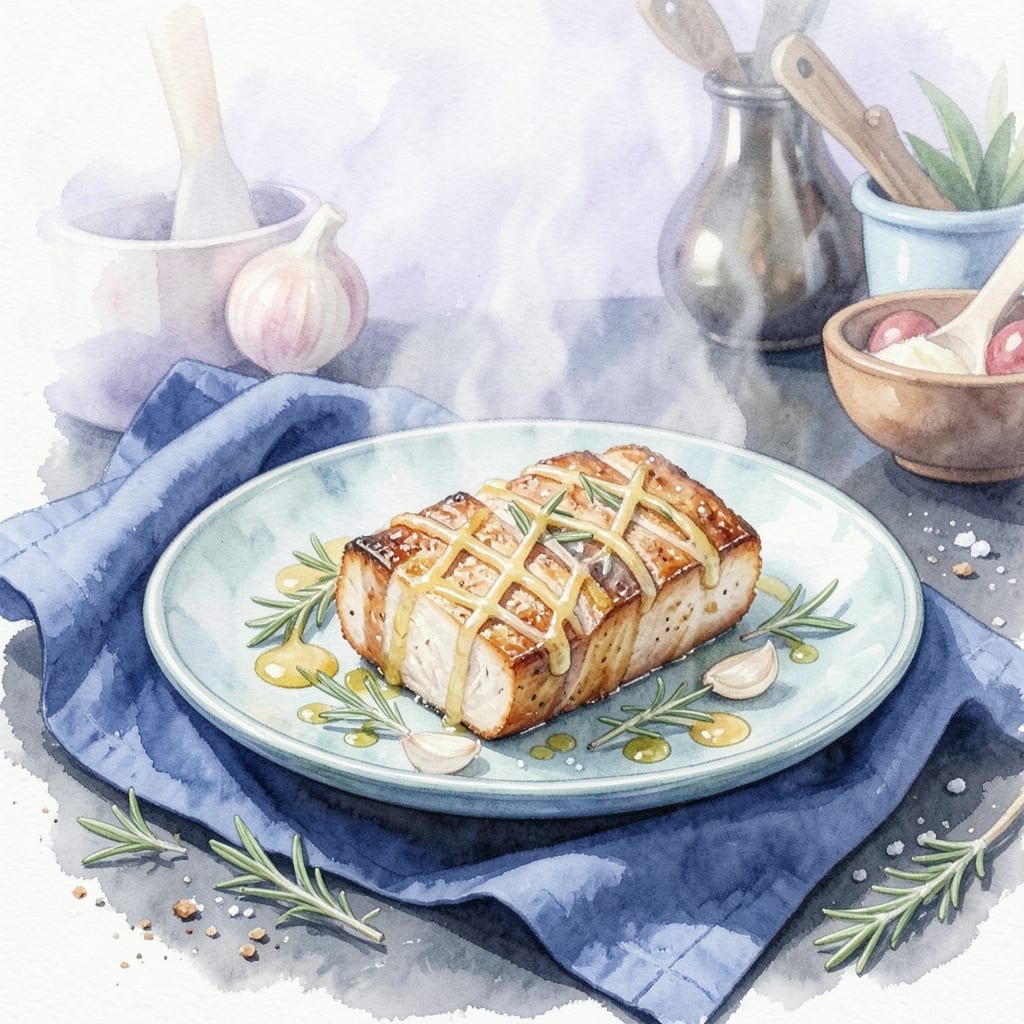
This Blue Apron-inspired pork tenderloin delivers restaurant-quality results with crispy edges and tender meat every time. 🔥 After years of perfecting pork roasts at The Smoky Pig, I’ve simplified the technique—searing the tenderloin first locks in juices while building that coveted crust. The herb-infused rub adds depth without overpowering the natural pork flavor, and a 145°F internal temperature ensures it’s juicy through and through.
The secret lies in the two-step cook: a quick sear in a screaming-hot skillet followed by a low-and-slow finish in the oven. This method guarantees a crispy exterior that shatters with each bite while keeping the center tender and moist. I’ve tested this recipe countless times with different cuts, and it never fails—whether you’re feeding a family or treating yourself to a special meal.
Pair it with roasted seasonal vegetables or a creamy apple sauce to round out the plate. The herb-infused crust stays intact when sliced, making it perfect for serving whole or carved at the table. This isn’t just another pork recipe; it’s the kind of dish that makes people ask, “Where did you learn to cook like this?”
Once you master this technique, you’ll never buy pre-cooked pork again. The foolproof method ensures perfect results every time, and the flavor is so rich, it’ll become a staple in your rotation. Let’s get cooking—your taste buds will thank you.
Ingredients for blue apron pork tenderloin
Restaurant-quality pork tenderloin starts with these 11 ingredients—herbs, sear, and patience for perfect crispy edges.
| Ingredient | Amount | Notes |
|---|---|---|
| Pork Tenderloin 🥩 | 1 ½ lb | Center-cut, trimmed of silver skin |
| Extra-Virgin Olive Oil 🫒 | 2 tbsp | For searing, high smoke point |
| Fresh Rosemary 🌿 | ¼ cup | Finely chopped, stems removed |
| Fresh Thyme 🌿 | 0.15 cup | Leaves only, finely chopped |
| Garlic Cloves 🧄 | 4 cloves | Minced, for rub |
| Diamond Crystal Kosher Salt 🧂 | 1 ½ tsp | For seasoning, adjust to taste |
| Freshly Ground Black Pepper 🌶️ | 1 tsp | Coarse grind preferred |
| Unsalted Butter 🧈 | 2 tbsp | Cold, for basting |
| Apple Cider Vinegar 🍎 | 1 tbsp | For basting, adds brightness |
| Seasonal Vegetables 🥕🍠🧅 | 2 cups | Chopped (carrots, potatoes, onions) |
| Fresh Parsley 🌿 | 0.1 cup | Chopped, for garnish |
The pork tenderloin is your star, so pick a center-cut piece—it’s leaner and more tender than other cuts. Costco or Whole Foods usually carry them pre-trimmed, but if you’re buying whole, ask the butcher to remove the silver skin. Fresh herbs are non-negotiable here: Trader Joe’s sells pre-chopped rosemary and thyme, but I always grab extra since they wilt fast. The garlic should be freshly minced—pre-minced jars lose flavor fast. For the seasoning, I swear by Diamond Crystal kosher salt—it dissolves better than table salt and doesn’t clump.
No fresh rosemary? Dried works at one-third the amount, but it won’t have the same punch. Short on time? Substitute 1 tbsp dried thyme plus 1 tsp dried rosemary. The butter for basting can be vegan butter if needed, but full-fat dairy gives that rich crust. For the vegetables, whatever’s in season works—carrots, potatoes, or even Brussels sprouts. If you’re feeling fancy, add a splash of balsamic vinegar to the basting mix for extra depth. And trust me, don’t skip the sear—that’s what makes the edges crispy.
Pork tenderloin reheats beautifully, but it’s best served fresh. Store leftovers in the fridge for 3-4 days, wrapped tightly in foil to keep it moist. For make-ahead prep, marinate the pork overnight—the herbs infuse better. Freeze portions for up to 3 months, but thaw slowly in the fridge. The herb crust stays intact if you slice it carefully, so it’s perfect for meal prep. Garnish with fresh parsley right before serving—it adds a pop of color and freshness that makes the dish look restaurant-worthy.
Why You'll Love This Recipe
- One-Pan Magic: I swear by this recipe because it’s that simple—just sear the pork in olive oil with garlic, then nestle rosemary and thyme sprigs right into the pan. No extra bowls, no fuss, and the herbs infuse the meat while it roasts. My husband still asks why I bother with complicated recipes when this does all the work.
- Herb-Crusted Perfection: The moment that crispy rosemary-thyme crust forms on the outside? Chef’s kiss. The garlic cloves roast into sweet, caramelized bites that melt into the pork, while the tenderloin stays juicy. It’s the kind of flavor that makes you pause mid-bite—honestly, I’ve had worse restaurant pork.
- Weeknight to Dinner Party: I make this for lazy Tuesdays (just slice it thin over salad) or impress guests (plated with roasted potatoes and a drizzle of olive oil). Same recipe, different vibes. The pork stays tender enough to slice easily, so it works for sandwiches, grain bowls, or even breakfast hash the next day.
- Budget-Friendly Protein Power: Pork tenderloin is lean, affordable, and cooks faster than a chicken breast—no dryness here. A single tenderloin feeds four, and leftovers reheat beautifully. I’ll be real: this is my go-to when I need a reliable, flavorful protein that won’t break the bank. Plus, the herbs stretch my grocery budget further.
Step-by-step instructions for herb-infused pork tenderloin with crispy edges
This method delivers melt-in-your-mouth tenderness with perfectly crispy edges—no guesswork involved.
👨🍳 Step 1: Prepare the Herb Rub and Season the Pork
In a small bowl, combine the 0.25 cup fresh rosemary, 0.15 cup fresh thyme, 4 cloves minced garlic, 1.5 tsp Diamond Crystal kosher salt, and 1 tsp freshly ground black pepper. Mix until the herbs are evenly distributed and the salt crystals dissolve slightly into the mixture.
Pat the 1.5 lb pork tenderloin completely dry with paper towels—this is crucial for achieving crispy edges. Rub the herb mixture all over the pork, pressing gently so the seasoning adheres. Let it sit at room temperature for 15-20 minutes while you prepare the vegetables. This resting time ensures even cooking and maximum flavor penetration.
🔥 Step 2: Sear the Pork for Maximum Flavor
Heat a large oven-safe skillet over medium-high heat until it's very hot. Add the 2 tbsp extra-virgin olive oil and swirl to coat the pan evenly. Place the pork in the skillet and sear for 2-3 minutes per side until it develops a golden-brown crust. You'll know it's ready when it releases easily from the pan—don't press down with your spatula or you'll lose that crispy texture.
Remove the pork from the skillet and set it aside on a plate. The searing step caramelizes the natural sugars in the pork, creating deep flavor and that coveted crispy exterior we're after. Keep the skillet on the heat—we'll use it again for the vegetables.
🍳 Step 3: Sauté the Seasonal Vegetables
Add the 2 cups chopped seasonal vegetables (carrots, potatoes, onions) to the same skillet and cook for 5-7 minutes over medium heat, stirring occasionally, until they begin to soften slightly. Pour in the 1 tbsp apple cider vinegar and let it cook off for 1 minute—this adds brightness and helps tenderize the vegetables.
The vinegar will sizzle and evaporate quickly, leaving behind a subtle tang that pairs perfectly with the herb-infused pork. If your vegetables are particularly watery, you might want to cook them for 2-3 minutes longer to drive off excess moisture before adding the pork back to the skillet.
🔥 Step 4: Roast to Perfect Doneness
Transfer the skillet to a 425°F preheated oven. Place the pork tenderloin back in the skillet with the vegetables, then dot the top with the 2 tbsp cold unsalted butter. Roast for 15-20 minutes until the internal temperature reaches 145°F when measured with a meat thermometer. The edges should be deeply golden and crispy, while the center remains juicy and tender.
Here's the thing—pork tenderloin cooks quickly, so don't walk away. Check it at the 15-minute mark and adjust the oven temperature if needed. The butter will baste the pork as it roasts, adding richness and helping to keep it moist. If the butter browns too quickly, tent the skillet with foil to prevent burning.
⏰ Step 5: Rest and Serve with Fresh Parsley
Remove the pork from the oven and transfer it to a cutting board. Let it rest for 5-10 minutes before slicing—this resting period allows the juices to redistribute throughout the meat, ensuring each bite is moist and flavorful. During this time, keep the vegetables warm in their skillet, covered with foil.
Slice the pork into ½-inch thick medallions and arrange on a serving platter. Spoon the sautéed vegetables around the pork and garnish with the 0.1 cup chopped fresh parsley. The parsley adds a fresh contrast to the rich, herb-infused flavors and makes the dish look stunning. Serve immediately with your favorite sides—roasted potatoes or a crisp green salad would be perfect.
Pro Tips For Making Blue Apron Pork Tenderloin
- Dry the Meat First: Pork tenderloin loves to sear, but it’ll steam instead of brown if it’s damp. Pat it thoroughly with paper towels—even if it feels dry—right after taking it out of the fridge. I learned this the hard way when my first batch turned out pale and sad.
- Use Whole Garlic, Not Minced: The recipe might call for minced garlic, but I’ve found whole cloves work better here. Smash them lightly with the flat side of your knife instead of chopping—this releases more flavor without burning. Plus, you won’t end up with a bitter, overcooked garlic taste.
- Don’t Overcrowd the Pan: If you’re searing multiple tenderloins, resist the urge to pile them in. Cook them in batches over medium-high heat—crowding makes the pan steam, and you’ll end up with soggy meat instead of a crispy crust. A single tenderloin per pan is worth the extra minute.
- Rest Under Foil for 5 Minutes: After roasting, let the pork rest covered with foil for at least 5 minutes—this keeps it juicy while the juices redistribute. I used to skip this, and my slices would dry out by the time they hit the plate. Trust me, your knife will thank you.
Perfect pairings for this recipe
Herb-Infused Wine Pairings
I always reach for a dry Riesling from the Mosel Valley when serving this herb-pork tenderloin—its crisp acidity and subtle honeyed notes cut through the richness beautifully. The mineral undertones in the wine complement the rosemary and thyme, while the slight sweetness balances the apple cider vinegar in the vegetables. For something more robust, a Pinot Noir from Oregon works wonders, especially if you've added a splash of balsamic to the basting. 🍷
Creamy Apple Sauce
This is my go-to side for pork tenderloin—it's simple yet elevates the dish to restaurant quality. Simmer 4 cups peeled and sliced apples (like Honeycrisp or Fuji) with ¼ cup brown sugar, 1 tsp cinnamon, and 1 tbsp lemon juice until tender. Mash slightly for texture, then finish with a pat of butter. The natural sweetness mirrors the pork's savory crust while keeping the meal balanced. I like to serve it warm alongside the crispy pork medallions. 🍎
Roasted Garlic Mashed Potatoes
For a heartier pairing, make these garlic-infused mashed potatoes that take just 15 minutes. Boil 2 lbs Yukon Gold potatoes until fork-tender, then mash with ½ cup warm milk, 4 roasted garlic cloves, 3 tbsp butter, and 1 tsp salt. The roasted garlic adds depth that stands up to the herb crust. I like to finish with a sprinkle of fresh chives for color. This combo feels indulgent but stays light enough for weeknight dinners. 🥔
Crispy Brussels Sprouts
When fall rolls around, I swap the seasonal veggies for Brussels sprouts—they hold their shape beautifully and add a satisfying crunch. Toss 1 lb halved Brussels sprouts with 1 tbsp olive oil, 1 tsp smoked paprika, and ½ tsp salt, then roast at 425°F for 20 minutes until crispy. The slight bitterness contrasts perfectly with the pork's richness, and the smoky paprika ties into the herb rub. 🌱
Creamy Polenta
For a comforting alternative, try creamy polenta—it's like a blank canvas that soaks up the pork's juices. Cook 1 cup polenta with 4 cups chicken broth and 2 tbsp butter until thick and creamy. Stir in ¼ cup grated Parmesan and a pinch of nutmeg. The mild flavor lets the herb-pork shine while adding a satisfying texture. I like to serve it in a shallow bowl so everyone can scoop up those crispy edges. 🧀
Beverage Pairings Beyond Wine
A sparkling apple cider from a local orchard makes a fantastic non-alcoholic pairing—it mirrors the apple cider vinegar in the recipe while keeping things refreshing. For beer lovers, a Belgian witbier like Hoegaarden adds a citrusy contrast that cleanses the palate between bites. And if you're grilling the pork, a light lager like Peroni stays crisp and refreshing. The key is balancing the dish's richness with something bright and effervescent. 🍺
Nutrition facts
Frequently asked questions
Can I use a smaller or larger pork tenderloin than 1.5 lbs?
For every ½ lb less, reduce cooking time by 2-3 minutes in the oven. A 2 lb tenderloin will need 25-30 minutes total roasting time. The key is maintaining the 145°F internal temperature—use a meat thermometer to avoid overcooking. Larger cuts benefit from a 5-minute longer rest before slicing.
What if I don't have fresh herbs? Can I substitute?
Yes, but with adjustments! Use 1 tbsp dried rosemary and 1 tsp dried thyme instead of fresh. For garlic, 1 tsp garlic powder works in a pinch, though fresh minced garlic adds the best flavor. The herb rub will still work—just mix the dried herbs with 1 tsp extra olive oil to help them adhere to the pork.
Why does my pork tenderloin come out dry?
Overcooking is the #1 culprit! Pork tenderloin cooks quickly—remove it from the oven when it hits 145°F internally, not when it looks "done." Another tip: Don't skip the rest time—letting it rest for 5-10 minutes before slicing keeps juices inside. If it's still dry, try brining the pork for 30 minutes before cooking (use ¼ cup salt per 4 cups water).
Can I make this ahead of time?
Yes! Cook the pork completely, then refrigerate for up to 3 days or freeze for 3 months. Reheat in a skillet over medium heat with a splash of broth or water to prevent drying. For make-ahead prep, marinate the pork overnight—the herbs infuse better. When reheating, cover the pan to trap steam and restore moisture.
What's the best way to slice pork tenderloin?
Slice against the grain at a 45-degree angle for maximum tenderness. Use a sharp chef's knife and cut into ½-inch thick medallions. For presentation, fan the slices slightly on the plate. If serving whole, make 1-inch deep cuts every 1-2 inches around the tenderloin before slicing—this creates neat portions without tearing the meat.