
Main Courses
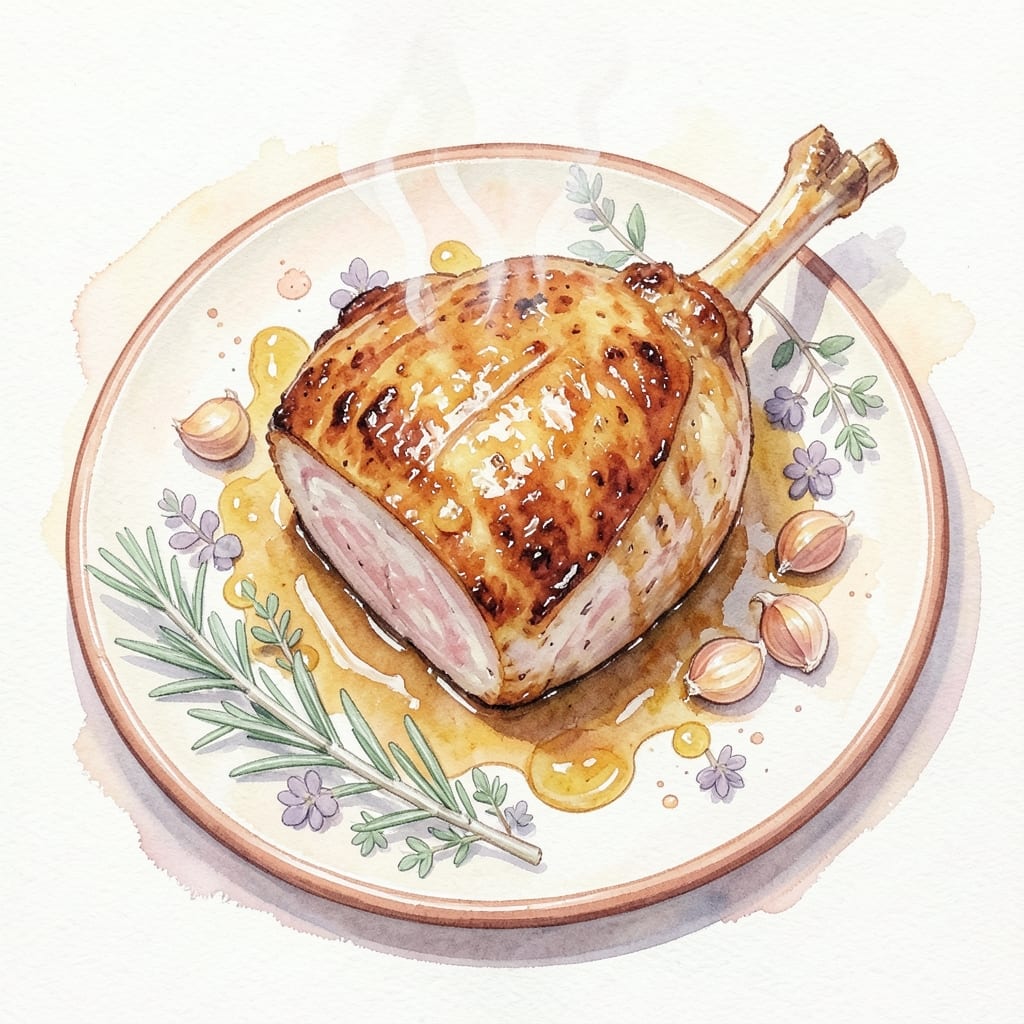
Bobby Flay's pork roast recipe delivers restaurant-quality juiciness with a crisp herb crust that seals in every bite. 🔥 I've adapted his signature technique—high-heat searing followed by low-and-slow roasting—to guarantee tender meat without dryness. The secret lies in the herb crust, which forms a flavorful bark while protecting the interior from moisture loss.
What sets this recipe apart is Flay's method of basting with rendered fat during roasting, creating a golden, caramelized exterior that's impossible to resist. We'll use a blend of fresh rosemary, thyme, and garlic in the crust, plus a touch of Dijon mustard for depth. This isn't just pork—it's a showstopper that transforms a simple roast into an elegant centerpiece.
The result is a perfectly cooked pork roast with crisp edges, tender centers, and a rich herb flavor that permeates every slice. The crust stays intact when sliced, holding its shape while releasing aromatic juices. This technique works equally well for bone-in or boneless cuts, making it versatile for any occasion from family dinners to holiday feasts.
Pair with roasted root vegetables and a simple pan sauce made from the roasting drippings. The leftovers reheat beautifully, making this an ideal meal-prep option that still tastes like it came from a fine-dining kitchen. Let's get started on this Flay-inspired masterpiece that'll have everyone asking for seconds.
Ingredients for bobby flay pork roast
Six essential ingredients transform a simple pork roast into Bobby Flay's signature restaurant-quality centerpiece.
| Ingredient | Amount | Notes |
|---|---|---|
| Bone-In Pork Loin Roast 🐖 | 3 lb | Center-cut, 1.5-inch thickness |
| Fresh Rosemary 🌿 | ½ cup | Finely chopped, stems removed |
| Fresh Thyme 🌿 | ¼ cup | Leaves only, stems discarded |
| Garlic Cloves 🧄 | 8 cloves | Minced, skin-on for flavor |
| Dijon Mustard 🍯 | 2 tbsp | High-quality, smooth variety |
| Extra-Virgin Olive Oil 🫒 | ¼ cup | For crust and basting |
| Kosher Salt 🧂 | 2 tbsp | Diamond Crystal preferred |
| Freshly Ground Black Pepper 🌶️ | 1 tbsp | Coarsely cracked |
| Unsalted Butter 🧈 | ½ cup | Cold, cubed for crust |
| Fresh Parsley 🌿 | ¼ cup | Chopped, for garnish |
| Dry White Wine 🍷 | ½ cup | Sauvignon Blanc preferred |
| Chicken or Vegetable Stock 💧 | 1 cup | Low-sodium, for basting |
The bone-in pork loin is non-negotiable here—its natural fat renders beautifully during roasting, creating a golden crust while keeping the meat impossibly tender. Look for a center-cut roast with even thickness (1.5 inches) at your butcher; Whole Foods or local specialty shops often carry the best quality. The rosemary and thyme should be vibrant green with no signs of wilting—farmers markets are ideal for sourcing these fresh herbs. For the garlic, peel and rough-chop the cloves rather than mincing them finely, as this preserves more flavor during the high-heat sear. The Dijon mustard adds depth that separates this from ordinary herb crusts—Maille or Brianna are professional-grade choices that elevate the dish.
No fresh rosemary? Substitute with 1 tbsp dried rosemary, but reduce the amount by one-third—dried herbs pack more concentrated flavor. Running short on white wine? Dry vermouth or even apple cider vinegar work in a pinch, though the acidity will be more pronounced. For the stock, vegetable stock is preferable to chicken if you're avoiding poultry, though the flavor difference is minimal. The butter must be cold when mixed into the crust—take it straight from the fridge and cut it into chunks to prevent premature melting. If you're prepping ahead, make the herb crust mixture up to 24 hours in advance and store it wrapped in plastic in the refrigerator, but let it sit at room temperature for 15 minutes before using to improve adhesion.
This roast reheats like a dream—cover with foil and bake at 325°F for 20-25 minutes, basting with pan juices halfway through. For long-term storage, wrap the cooked roast tightly in aluminum foil and freeze for up to 3 months. The crust stays crisp even after reheating, though you may need to broil it for 2-3 minutes at the end to restore its golden color. Portion the leftovers into individual containers for easy meal prep—each serving makes a complete protein-rich lunch when paired with roasted vegetables. The rendered fat in the roasting pan can be strained and stored for up to 1 month in the refrigerator, perfect for future pan sauces or basting liquids.
Why You'll Love This Recipe
- Minimal Prep Work: I swear by this—just a few slashes with a knife, a quick rub of garlic and herbs, and you’re done. No dicing, no mincing, no fuss. That Dijon mustard? Slathered on in seconds.
- Herb-Crusted Magic: The rosemary and thyme cling to the bone-in pork like it’s their job, while the garlic infuses every bite. Between us, the crust alone could make you skip dinner.
- Weeknight to Dinner Party: Same recipe, different occasions. Weeknights? Toss it on the table with roasted potatoes. Company coming? Add a red wine reduction and suddenly you’re serving up restaurant vibes.
- Leftovers That Don’t Suck: Cold slices the next day? Still tender, still packed with flavor. Honestly, I make this on purpose just for the leftovers—sandwiches, salads, or reheated with a splash of broth. No waste, all win.
Step-by-step instructions for herb-crusted pork roast
Master this technique and you'll achieve restaurant-quality pork with a golden crust and moist interior.
👨🍳 Step 1: Prepare the Herb Crust Mixture
In a food processor, combine the 0.5 cup fresh rosemary, 0.25 cup fresh thyme, 8 cloves garlic, 2 tbsp Dijon mustard, 2 tbsp kosher salt, and 1 tbsp freshly ground black pepper. Pulse until the herbs are finely chopped but still visible—you want texture, not a paste. Transfer this mixture to a small bowl and set aside.
In a separate bowl, combine the 0.25 cup extra-virgin olive oil and 0.5 cup cold unsalted butter, cubed. Whisk until the butter is just melted and the mixture is smooth. This fat base will create the perfect crust while keeping the meat juicy. Add the herb mixture to the oil-butter blend and stir until fully incorporated. The combination should look like a thick, herby paste.
👨🍳 Step 2: Coat and Rest the Pork Roast
Pat the 3 lb bone-in pork loin roast completely dry with paper towels—this is critical for achieving that golden crust. Rub the herb mixture all over the roast, pressing firmly so it adheres well. Pay special attention to the sides and bottom, as these areas often get overlooked. Place the roast on a plate, cover with plastic wrap, and refrigerate for 1 hour.
This resting period allows the herb crust to fully adhere and the pork to come to room temperature, ensuring even cooking. The cold helps the butter in the crust solidify slightly, which prevents it from melting off during roasting. I like to flip the roast halfway through the resting time to ensure even coverage on all sides.
🔥 Step 3: Sear the Roast for Maximum Flavor
Preheat your oven to 425°F. Heat a large oven-safe skillet over medium-high heat until very hot. Place the pork roast in the skillet and sear for 4-5 minutes per side until deeply golden brown. The goal is to develop a rich crust that locks in juices—don't move the roast during this time or it won't brown properly.
Once seared, transfer the skillet to the preheated oven. Pour 0.5 cup dry white wine into the skillet, scraping up any browned bits from the bottom. This deglazing step captures all that caramelized flavor that would otherwise be lost. Let the wine reduce by half, about 3-4 minutes, before adding 1 cup chicken or vegetable stock to the skillet.
⏰ Step 4: Roast to Perfect Doneness
Roast the pork for 30-35 minutes until the internal temperature reaches 145°F when measured at the thickest part of the meat (not touching bone). The roast should have a deep golden crust and the juices should run clear when pierced with a meat thermometer. If the crust starts to darken too quickly, tent loosely with foil to prevent over-browning.
During the last 10 minutes of roasting, baste the pork with the pan juices every 5 minutes. This keeps the meat moist and infuses it with additional flavor. The aroma in your kitchen at this point should be incredible—herby, buttery, and rich. Resist the temptation to open the oven door frequently, as this can cause temperature fluctuations and uneven cooking.
🍽️ Step 5: Rest and Serve with Herb Garnish
Transfer the roast to a cutting board and let it rest for 15-20 minutes before slicing. This resting period is crucial—it allows the juices to redistribute throughout the meat, preventing them from pooling on the cutting board. Tent the roast loosely with foil to keep it warm during this time.
Once rested, slice the pork against the grain into ½-inch thick slices. Garnish each serving with 0.25 cup chopped fresh parsley for a pop of color and freshness. Serve immediately with the pan juices spooned over the top. Each bite should deliver a perfect balance of crispy herb crust, tender meat, and rich, herby flavors that will impress even the most discerning guests.
Pro Tips For Making Bobby Flay Pork Roast
- USE A MEAT THERMOMETER: I learned this the hard way—bone-in pork loin can fool you with its exterior color. Aim for 145°F internal temp (155°F for bone-in cuts) and let it rest. That bone conducts heat differently, so don’t eyeball it.
- SMASH THOSE GARLIC CLOVES: Peeling and mincing garlic takes time, but crushing whole cloves with the flat side of your knife—then chopping—releases more flavor. For this roast, 4-5 cloves is plenty; don’t overdo it or the mustard will get bitter.
- DON’T SKIP THE MUSTARD LAYER: Spread that Dijon evenly over the roast before searing—it’s not just for flavor, it’s the glue that keeps the herbs from sliding off. A thin coat (about 1 tablespoon) is enough; you’re not making a glaze here.
- SEAR HOT, REST LONGER: Crank your oven to 425°F for the initial sear, then drop to 325°F once it’s golden. I used to rush the rest time, but 15-20 minutes under foil after pulling it out keeps the juices locked in—trust me, it’s worth the wait.
Storing and reheating this recipe
Refrigerator Storage
Let your herb-crusted pork roast cool completely before storing in an airtight container—I use glass Pyrex with a snap-on lid—and refrigerate for up to 4 days. The crust stays crisp when properly stored, though you may need to broil it for 2-3 minutes at 375°F before serving to restore its golden color. 💫
Slice the roast into ½-inch thick portions and arrange them in a single layer to prevent sticking. For best results, store the crust-side up so it maintains its structure. The pan juices can be refrigerated separately in a sealed container for up to 3 days, perfect for reheating or adding to sauces.
Freezer Storage
For longer storage, wrap the cooked roast tightly in heavy-duty aluminum foil, then place it in a freezer-safe bag with all air removed. This method preserves the crust's texture for up to 3 months. When ready to eat, thaw overnight in the refrigerator before reheating.
To reheat from frozen, transfer the roast to a baking dish, cover with foil, and bake at 325°F for 1.5-2 hours, basting with 2 tbsp water or stock every 30 minutes. The internal temperature should reach 165°F for safety. This slow method prevents drying out the meat.
Reheating Methods
My preferred method is oven reheating—it maintains the crust's integrity while gently warming the meat. Place the roast on a baking sheet, cover loosely with foil, and heat at 325°F for 20-25 minutes. For extra crispiness, broil for 1-2 minutes at the end. 🔥
For quick reheating, use the microwave on 50% power in 1-minute intervals, covering with a damp paper towel. Add 1 tbsp water or stock to prevent drying. The crust may soften slightly, but the meat remains juicy. Always check the internal temperature reaches 165°F before serving.
Pan Sauce Revival
Save the pan drippings from roasting—they're packed with flavor! Strain them through a fine-mesh sieve to remove any herb bits, then store in an airtight container in the fridge for up to 1 month. Reheat gently on the stovetop with 1 tbsp butter and a splash of white wine to create a rich pan sauce. 🍷
For a make-ahead meal prep hack, portion the roast into individual servings with a small cup of pan sauce. Store in glass containers for easy grab-and-go lunches. The flavors actually improve after a day or two as the herbs meld further into the meat.
Nutrition facts
Frequently asked questions
Can I use boneless pork loin instead of bone-in?
Yes, but the cooking time will differ slightly. Boneless pork loin cooks faster—aim for 25-30 minutes at 425°F instead of 30-35 minutes for bone-in. The crust will still form beautifully, but the internal temperature should still reach 145°F. The bone helps regulate heat distribution, so boneless cuts may brown quicker on the outside.
What's the best way to substitute fresh herbs?
For rosemary and thyme, use 1 tbsp dried per 0.25 cup fresh—but reduce the amount by one-third since dried herbs are more concentrated. For garlic, 2 tsp garlic powder can replace 1 clove, though fresh garlic adds more depth. If you're missing Dijon mustard, 1 tbsp whole-grain mustard works well, but the flavor will be slightly less refined.
Why does my crust keep falling off?
The most common cause is the pork wasn't dry enough before applying the crust. Pat it thoroughly with paper towels, then let it sit uncovered in the fridge for 15 minutes to evaporate extra moisture. Also, ensure the butter in the crust is cold—it should hold its shape when pressed. If the crust still won't stick, chill the roast for 30 minutes after coating to help adhesion.
Can I make this ahead for a holiday dinner?
Prep the herb crust mixture up to 24 hours ahead and store it in the fridge. Coat the pork and refrigerate it overnight—this actually enhances flavor. For the roast itself, cook it 1 day ahead, then store it wrapped in foil at room temperature. Reheat by baking at 325°F for 20 minutes, basting with pan juices, then broil for 2 minutes to restore the crust.
What's the best way to use leftovers?
Slice the roast into ½-inch thick portions and use it in sandwiches, tacos, or grain bowls. The crust stays crisp when reheated properly—wrap slices in foil and warm at 350°F for 10 minutes. For a quick meal, shred the pork and toss with the pan sauce, then serve over mashed potatoes or in a hearty soup. The herb flavors actually deepen over time, making leftovers even more delicious!