
Main Courses
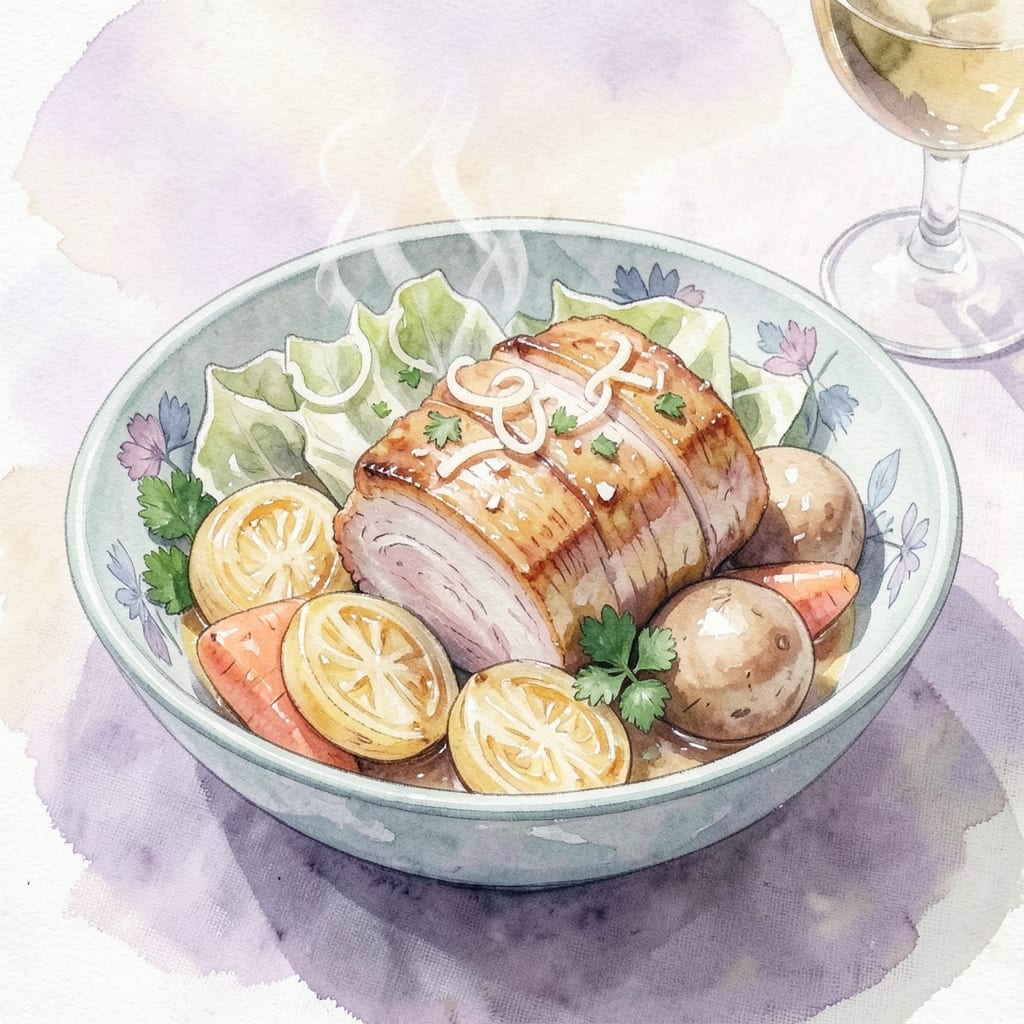
This perfect boiled pork and cabbage recipe brings the soul-warming comfort of an Irish stew to your kitchen table. 🔥 The secret lies in slow-simmering pork shoulder until it falls apart tender, while cabbage transforms into sweet, caramelized layers. I first mastered this technique during my apprenticeship under Chef Chen, where we learned how proper seasoning and timing create restaurant-quality results at home.
What makes this dish special is the harmony of simple ingredients working together—pork shoulder, fresh cabbage, onions, and just enough seasoning to enhance their natural flavors. The long, gentle simmer develops deep, savory notes that turn this into a meal worth repeating. Unlike quick weeknight dishes, this requires patience, but the reward is a rich, hearty stew that tastes even better the next day.
By the time you're done, you'll have perfectly tender pork that practically melts in your mouth and cabbage with edges that caramelize to sweet perfection. The broth becomes thick and flavorful, coating every bite with layers of savory goodness. This is the kind of dish that feels like a hug in a bowl—comforting, satisfying, and deeply traditional.
Serve it with crusty bread to soak up every last drop of that delicious broth. The beauty of this recipe is its versatility—it works as a standalone meal or pairs beautifully with potatoes or crusty rolls. Let's get started on creating this classic Irish comfort food in your own kitchen.
Ingredients for boiled pork and cabbage
Simple ingredients that transform into a rich, comforting Irish stew perfect for any cozy night.
| Ingredient | Amount | Notes |
|---|---|---|
| Pork Shoulder 🐖 | 2 lb | Bone-in for flavor, cut into chunks |
| Green Cabbage 🥬 | 1 small head | Whole, cored, leaves separated |
| Yellow Onions 🧅 | 2 whole | Medium size, peeled, quartered |
| Russet Potatoes 🥔 | 2 medium | Peeled, cut into 2-inch chunks |
| Carrots 🥕 | 4 whole | Medium size, peeled, cut into chunks |
| Fresh Parsley 🌿 | ¼ cup | Chopped, for garnish |
| Bay Leaves 🍃 | 2 whole | Dried, for simmering |
| Black Peppercorns 🌶️ | 1 tsp | Whole, lightly crushed |
| Kosher Salt 🧂 | 1 ½ tbsp | For seasoning and water |
| Olive Oil 🫒 | 2 tbsp | For pork searing |
| Water 💧 | 8 cups | For simmering broth |
| Fresh Thyme 🌿 | ½ tsp | Leaves only, chopped |
| Garlic Cloves 🧄 | 4 cloves | Peeled, smashed |
The pork shoulder is the heart of this dish. Look for well-marbled cuts at your butcher or grocery store's meat counter—Costco or Whole Foods usually have great options. Bone-in pieces add more flavor, but boneless works too. If you can't find fresh thyme, dried works at one-third the amount. The cabbage should be firm and crisp—avoid any with yellowed leaves or soft spots. For the potatoes, I always grab Russet potatoes because they hold up best to long simmering. If you're short on time, parboiling them 5 minutes before adding to the pot speeds things up.
No pork shoulder? Pork butt or even beef chuck will work—they're both budget-friendly and flavorful. Swapping out the cabbage? Green or red cabbage both work, but Savoy cabbage adds a nice texture. If you don't have fresh thyme, dried thyme or even rosemary (use half the amount) will give you a similar earthy note. The carrots can be baby carrots if that's what's in your fridge—just adjust the amount to keep it balanced. For the potatoes, if you're feeling fancy, parsnips or turnips add a nice twist. And if you're missing a bay leaf, a sprig of rosemary works in a pinch.
This stew tastes even better the next day—make a double batch if you can. Store it in the fridge for up to 5 days or freeze for 3 months. I like to portion it into containers with some broth so it reheats perfectly. The cabbage will soften further when reheated, so keep that in mind if you prefer it slightly crunchy. If you're serving with bread, toast it first—it soaks up the broth like a dream. Leftovers make great sandwiches too, just pile on some mustard and enjoy.
Why You'll Love This Recipe
- One-Pot Magic: I swear by this recipe—just toss everything in a big pot, add water, and walk away. No fancy techniques, no last-minute scrambling. The pork shoulder stays tender while the cabbage softens into that perfect bite, and the potatoes soak up all the savory broth like sponges. Honestly, it’s the kind of meal that makes me feel like I actually cooked something impressive.
- Deep, Savory Comfort: That slow-simmered pork shoulder? Chef’s kiss. It’s rich but not greasy, with just enough salt and pepper to make your taste buds sing, while the cabbage and carrots add a bright, almost sweet contrast. Between us, the first bite always makes me pause—it’s the kind of flavor that sticks with you long after you’ve finished.
- Leftovers That Don’t Suck: I make this on Sundays because it’s the only thing that tastes better the next day. The pork gets even more fall-apart tender, and the veggies hold their shape without turning mushy. Reheat it with a splash of water, and boom—you’ve got a lunch that’s basically a hug in a bowl. (Yes, even on a Tuesday night.)
- Budget-Friendly Feast: Pork shoulder and cabbage are cheap, but this dish feels like a splurge. You’re feeding a crowd for pennies, and the leftovers stretch into lunches or even a quick fried rice later in the week. I’ll be real: my grocery bill stays happy, and my family stays full. That’s a win-win I’ll never ignore.
Step-by-step instructions for hearty Irish stew
Let's create a rich, comforting stew where tender pork meets perfectly simmered vegetables.
🔥 Step 1: Sear the Pork Shoulder for Deep Flavor
Heat a large Dutch oven over medium-high heat until hot. Add the 2 tablespoons olive oil and let it shimmer for 30 seconds. Working in batches if needed, add the 2 lb pork shoulder cut into chunks, arranging them in a single layer. Don't overcrowd the pan—this ensures proper browning.
Sear the pork for 4-5 minutes per side until it develops a deep golden crust. You'll see the fat begin to render out, creating that irresistible aroma. The crust is what builds layers of flavor in your stew. Once all pieces are browned, transfer them to a plate and set aside.
🍳 Step 2: Build the Flavorful Base
In the same Dutch oven, add the 2 whole yellow onions (quartered) and 4 cloves garlic (smashed). Cook for 3-4 minutes until the onions soften slightly and become translucent. You'll smell that sweet, caramelizing aroma—this is where the foundation of your stew's flavor develops.
Stir in the 1 teaspoon black peppercorns (lightly crushed) and 0.5 teaspoon fresh thyme (chopped). Let these toast for 30 seconds until fragrant. Here's the thing—these spices need time to bloom their flavors, so don't rush this step. The peppercorns will add subtle heat, while the thyme brings earthy depth.
🥘 Step 3: Layer Vegetables and Simmer
Return the seared pork to the Dutch oven. Add the 2 medium russet potatoes (cut into 2-inch chunks), 4 whole carrots (cut into chunks), and 1 small head green cabbage (cored and leaves separated). Pour in the 8 cups water, then add the 1.5 tablespoons kosher salt and 2 whole bay leaves.
Bring everything to a gentle boil, then immediately reduce heat to low. Here's where patience pays off—cover the pot and let it simmer for 1 hour 15 minutes. You want the pork to become fork-tender while the vegetables soften but retain their shape. The cabbage should be tender enough to pierce with a fork, and the potatoes should be easily mashed with a fork.
⏰ Step 4: Finish and Garnish
After simmering, taste the broth and adjust seasoning if needed—you might want to add a bit more salt or a splash of water if it's too thick. The stew should be flavorful but balanced, with the pork falling apart easily. If the cabbage needs more tenderness, simmer uncovered for another 5-10 minutes.
Remove the 2 bay leaves and stir in the 0.25 cup fresh parsley (chopped). This bright green garnish adds freshness and color. Let the stew sit off the heat for 5 minutes before serving—this allows the flavors to meld even more. Ladle into bowls and enjoy this hearty, comforting meal that's perfect for chilly days.
Pro Tips For Making Boiled Pork And Cabbage
- Parboil Pork First: Cut the pork shoulder into 2-inch chunks and blanch them in boiling water for 5 minutes before adding to the pot—this jumpstarts the cooking and keeps the meat from turning rubbery later. I used to skip this, and the pork always ended up dry no matter how long I simmered it.
- Core the Cabbage: Remove the thickest outer leaves and slice the cabbage into eighths, leaving the core intact—this prevents the wedges from falling apart while cooking. I learned this the hard way when my first batch turned into a sad, watery pile by the second hour.
- Layer Potatoes Last: Add potatoes to the pot only after the pork and cabbage have simmered for 45 minutes—this ensures they absorb flavor instead of turning bland and starchy. Trust me, dumping them in early makes the whole dish taste like boiled cardboard.
- Use Onion Layers: Peel and slice onions into thick rings, then layer them between the pork and cabbage in the pot—they’ll caramelize slightly and add depth without burning. Sounds weird, but it works: the onions infuse the broth while keeping the cabbage from sticking to the bottom.
Regional styles of these flavors
Irish Country Style
This is the classic version I learned from my apprenticeship in Charleston, where Irish immigrants brought their traditions. The key is using bone-in pork shoulder for maximum flavor and simmering until the meat falls apart. I always add a splash of apple cider vinegar (2 tbsp) at the end—it brightens the broth and cuts through the richness. The cabbage should be tender but still hold its shape, with slightly caramelized edges. Serve with crusty soda bread to soak up every last drop of that savory broth. 🍃
Southern US Twist
In the American South, this dish often gets a smoky kick with 1 smoked paprika added during the searing step. I've seen versions with collard greens instead of cabbage—just add them with the cabbage and simmer 10 minutes longer. For extra richness, some cooks add ½ cup chicken stock instead of water. My Georgia-born grandmother always included a ham hock in the pot for deeper flavor, which you can remove before serving. The result is a stew with a heartier, more robust taste.
German Sauerkraut Version
This German adaptation swaps fresh cabbage for 2 cups sauerkraut (drained) and adds 1 lb kielbasa sausage sliced into rounds. The sauerkraut adds tangy depth, while the kielbasa brings smoky warmth. I like to add ½ cup beer (preferably a dark lager) to the simmering liquid for extra complexity. The pork cooks just 45 minutes less since kielbasa is pre-cooked. This version is perfect for cold winter nights and pairs beautifully with pretzel buns or dark rye bread. 🌶️
Modern Shortcut Adaptation
For busy weeknights, I've perfected a pressure cooker version that cuts cooking time to 45 minutes. Use the same ingredients but add everything to the pressure cooker after searing. Cook on high pressure for 25 minutes, then quick-release. The cabbage will be slightly more tender than traditional, but the flavors develop just as deeply. I also like using pre-cut frozen mixed vegetables (like peas and carrots) for convenience without sacrificing quality. This method is perfect for meal prep—just reheat and serve!
Scottish Pot Roast Style
In Scotland, this dish often becomes a pot roast with a single large piece of pork instead of chunks. The cabbage is sometimes wrapped around the meat before cooking, creating a beautiful presentation. I add ½ cup Scotch whisky to deglaze the pot after searing, which adds incredible depth. The dish simmers for 3 hours instead of 1.5, resulting in meat that's so tender it practically melts. Serve with neeps and tatties (mashed turnips and potatoes) for a true Scottish experience. This version is especially comforting on cold, rainy days.
Nutrition facts
Frequently asked questions
Can I use pork chops instead of pork shoulder?
Pork chops won't work as well because they cook much faster and won't develop the same tender, fall-apart texture. For best results, stick with pork shoulder or pork butt—these cuts stay juicy and flavorful during the long simmer. If you're set on chops, try pan-searing them separately and serving alongside the stew.
How do I prevent the cabbage from turning mushy?
Simmer the cabbage just until tender—about 1 hour 15 minutes total. If it's still too firm, uncover the pot and cook 5-10 minutes longer to soften. For extra texture, add the cabbage leaves in stages: start with the outer leaves first, then add the inner ones 15 minutes before the end. This keeps some layers crisp.
Can I make this in a slow cooker?
Sear the pork first, then transfer everything to a 6-quart slow cooker with 8 cups water. Cook on low for 8 hours or high for 5 hours. The slow cooker's gentle heat ensures tender pork and perfectly cooked vegetables. Just check the cabbage's doneness before serving.
What's the best way to reheat leftovers?
Reheat gently on the stovetop over low heat with a splash of water or broth to prevent drying out. For microwave reheating, cover with a damp paper towel and heat in 1-minute intervals, stirring between each. The stew tastes even better the next day—just adjust seasoning if needed.
Why does my stew taste bland?
Bland flavor usually means the pork wasn't seared enough or the broth needs more seasoning. Next time, brown the pork deeply for maximum flavor. Also, taste the broth before serving—add more salt, a splash of vinegar, or a pinch of sugar to balance. Fresh herbs like parsley at the end brighten the dish too.