
Main Courses
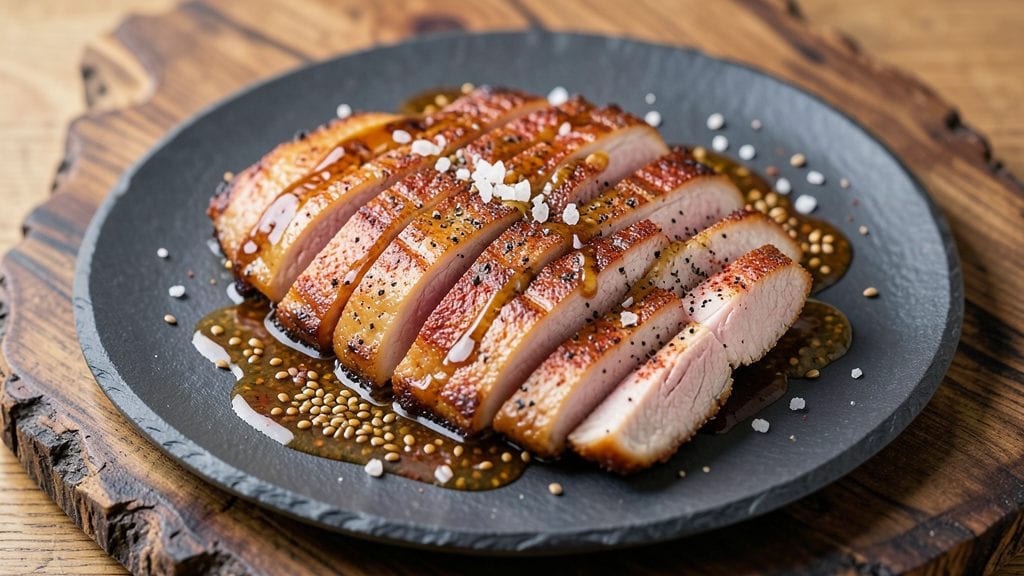
Mastering boneless pork belly transforms it from fatty cut to silky, crispy centerpiece that steals every meal. Growing up in small-town Georgia, I learned pork belly could be tender enough to melt yet crisp enough to shatter between bites—this recipe delivers both.
The secret lies in precise scoring and slow rendering, techniques I perfected during my apprenticeship under Master Chef Chen.
What sets this recipe apart is its balance: crispy edges achieved through high-heat searing, while the interior remains juicy and tender from controlled braising. Unlike whole cuts, boneless pork belly cooks faster but requires the same attention to fat control and moisture.
I use a combination of dry-rub spices and aromatics to build depth without overpowering the natural richness.
The result is a dish that feels restaurant-worthy yet comes together with pantry staples and patience. Each bite delivers layers of flavor—savory, slightly sweet, with that irresistible contrast between crispy exterior and velvety interior.
Serve it with roasted root vegetables or a simple green salad to let the pork belly shine.
This method works equally well for weeknight dinners or special occasions, scaling from single servings to family-style platters. The key is timing: don't rush the crisping, and never skip the resting period.
Trust the process, and you'll have a dish that rivals any high-end restaurant's pork belly—just with your personal touch.
Ingredients for boneless pork belly
Pantry staples meet premium cut for restaurant-quality pork belly at home.
| Ingredient | Amount | Notes |
|---|---|---|
| Boneless Pork Belly 🐖 | 2 lb | Thin-cut, scored for even rendering |
| Kosher Salt 🧂 | 2 tbsp | Diamond Crystal preferred for texture |
| Freshly Ground Black Pepper 🌶️ | 1 tbsp | Cracked from whole peppercorns |
| Granulated Garlic 🧄 | 1 tbsp | Not garlic powder or salt |
| Smoked Paprika 🌶️ | 1 tsp | Spanish smoked for depth |
| Ground Cumin 🌿 | ½ tsp | Toasted for aromatic punch |
| Fresh Ginger 🌿 | 1 tbsp | Finely grated, not powdered |
| Honey 🍯 | 2 tbsp | Wildflower for floral notes |
| Soy Sauce 🍶 | 2 tbsp | Japanese-style, reduced |
| Rice Vinegar 🍶 | 1 tbsp | White vinegar substitute |
| Sesame Oil 🫒 | 1 tsp | Toasted for nutty aroma |
| Avocado Oil 🫒 | ½ cup | High smoke point for searing |
| Yellow Onion 🧅 | 1 whole | Thinly sliced, charred |
| Garlic Cloves 🧄 | 6 cloves | Smashed, not minced |
| Fresh Thyme 🌿 | 4 sprigs | Leaves only, stems removed |
The pork belly is non-negotiable—thin-cut and scored is key for even rendering. Costco or Whole Foods carry the best pre-scored cuts, but if you're buying whole, score it yourself with a sharp knife (1/4-inch deep cuts, 1-inch apart). The fat-to-meat ratio should be about 1:1—too lean, and it won't crisp properly. I always grab mine from local butchers when possible; they'll trim it just right for you. For the spices, Penzeys or bulk bins at natural markets ensure freshness—ground spices lose potency after 3 months, so check your pantry dates.
No smoked paprika? Sweet paprika plus a pinch of liquid smoke works in a pinch, but it won't be identical. Fresh ginger is ideal, but powdered at half the amount gets you close (though it lacks the bright zing). The honey and soy sauce combo builds that signature sweet-savory balance—substitute maple syrup for honey if you're avoiding refined sugar, but the texture will differ slightly. For the oil, avocado or grapeseed are your best bets; peanut oil works but can overpower the pork's natural flavor. The onions and garlic should be charred—high-heat sear in the same pan after removing the pork to render those flavors into the fat.
This dish rewards patience. Let the pork rest 20-30 minutes after cooking—it's the difference between shattering crisp and sad, soggy edges. Store leftovers in the fat drippings (yes, really) for up to 5 days in the fridge. The crisp will soften slightly, but reheating at 350°F for 10 minutes restores most of it. For freezing, wrap tightly in parchment and foil—3 months max. Pro tip: Save the rendered fat! It's liquid gold for roasting vegetables or finishing dishes.
Why You'll Love This Recipe
- No Mess, All Reward: I’ve never met a recipe where the prep feels this effortless. Just pat the pork belly dry, score it like a pro (diagonal lines, trust me), and slather on that spice rub—no fancy skills required. The real magic happens in the oven while you’re doing something else, like wiping down counters or pretending to organize your fridge.
- Crispy Skin, Creamy Center: That crackle on the outside? Chef’s kiss. The fat renders perfectly thanks to the scoring and long rest, while the honey-soy glaze caramelizes into something sticky and addictive. Between the smoky paprika, the sharp garlic, and the toasty cumin, every bite is a flavor explosion you won’t quit.
- Leftovers That Outshine the Main: Honestly, the pork belly gets even better the next day. Store it in the fat drippings (yes, the recipe says it, and it’s genius) and reheat until crispy again. I’ll take my cold cuts in the morning—crispy edges, tender meat, and that glaze clinging to it like a second skin. It’s the kind of leftovers that makes you actually look forward to lunch.
- Budget’s Best Kept Secret: Forget takeout. This recipe turns a humble 2-pound pork belly into a showstopper without breaking the bank. The kosher salt and black pepper add depth for pennies, and the soy sauce and honey stretch further than any expensive marinade. Plus, it feeds a crowd or stretches into tacos, rice bowls, or even fried rice—no waste, just flavor.
Step-by-step instructions for boneless pork belly with crispy edges
Here's how to transform tender pork belly into a masterpiece with crackling skin and melt-in-your-mouth texture.
Prepare and Score the Pork Belly for Even Cooking
Pat the 2 lb boneless pork belly completely dry with paper towels—this is non-negotiable for crispy edges. Place it fat-side up on your cutting board and use a sharp knife to make diagonal cuts about ¼ inch apart across the entire surface. These scores create pathways for the fat to render evenly and help the skin crisp uniformly.
In a small bowl, combine 2 tbsp kosher salt, 1 tbsp freshly ground black pepper, 1 tbsp granulated garlic, 1 tsp smoked paprika, and ½ tsp ground cumin. Rub this mixture all over the scored pork belly, pressing firmly so the spices adhere. Let it rest uncovered in the refrigerator for at least 2 hours—this drying step is what creates that legendary crackling crust.
Build the Glaze and Sear the Pork Belly
In a small saucepan, whisk together 2 tbsp honey, 2 tbsp soy sauce, 1 tbsp rice vinegar, 1 tbsp finely grated fresh ginger, and 1 tsp sesame oil over low heat until the mixture just begins to simmer and thickens slightly. Remove from heat and set aside. This glaze will caramelize beautifully during cooking, adding depth of flavor.
Preheat your oven to 375°F. Heat ½ cup avocado oil in a large oven-safe skillet over medium-high heat until shimmering. Carefully place the seasoned pork belly fat-side down in the skillet and sear for 8-10 minutes until the fat begins to render and the skin turns deep golden brown. Flip once and sear the other side for another 5-7 minutes. The oil should be hot enough to sizzle but not smoke excessively.
Roast and Baste for Maximum Crispiness
Transfer the skillet to the preheated oven and roast the pork belly for 2 hours, basting with the honey glaze every 30 minutes. The glaze will bubble and caramelize, creating a sticky, flavorful crust. For extra crispiness, increase the oven temperature to 400°F for the final 15 minutes of cooking.
While the pork belly roasts, thinly slice 1 yellow onion and 6 garlic cloves (smashed). Sauté them in a separate pan with ½ cup avocado oil until soft and golden. Remove from heat and stir in the leaves from 4 sprigs fresh thyme. These aromatics will complement the pork beautifully when served.
Rest and Slice for Perfect Texture
Remove the pork belly from the oven and transfer it to a cutting board. Let it rest for 15 minutes before slicing—this allows the juices to redistribute, ensuring each bite is tender and flavorful. The skin should be deep golden brown and crackle when touched, while the interior remains silky and moist. If the skin isn't crispy enough, return it to the oven for 5-10 minutes at 425°F to finish.
Slice the pork belly into ¼-inch thick pieces and serve immediately with the sautéed onion and garlic mixture spooned over the top. The contrast of crispy skin and tender meat, combined with the sweet-savory glaze, makes this dish unforgettable. Pair with steamed jasmine rice or roasted vegetables to complete the meal.
Pro Tips For Making Boneless Pork Belly
- SCORE DEEPLY: I learned this the hard way—skimming the scoring step and just slathering on salt. The fat pools unevenly, and you end up with soggy patches instead of crispy cracks. Use a sharp knife and cut diagonally about ¼ inch apart, all the way through the fat cap. It’s tedious, but those little channels let the fat render perfectly and the skin turn golden.
- DON’T SKIP THE DRYING: That 2-hour fridge rest isn’t optional. I used to rush it, thinking it was just about seasoning, but the magic happens when the surface dries out. Pat it thoroughly with paper towels first, then let it air-dry uncovered. The skin will look dull and sad at first—good. That’s how you get the crackle.
- GLAZE IN STAGES: The honey glaze isn’t just for flavor—it’s the crispy skin’s best friend. Don’t dump it all at once. Start with a thin layer during the first basting, then build it up as the pork roasts. The glaze needs time to caramelize, so if it’s too runny early, simmer it briefly off the heat before applying. Trust me, sloppy glaze = sticky mess, not sticky crust.
- CHAR THE AROMATICS: Those sliced onions and smashed garlic cloves aren’t just garnish—they’re the secret to depth. Sear them until they’re deep golden, almost caramelized, before adding the thyme. The bitterness cuts through the richness of the pork belly, and the toasted notes elevate everything. (Yes, even if it looks like you’re making French onion soup instead of pork.)
Health benefits of these flavors
Rich in B Vitamins
Pork belly is packed with B vitamins, particularly B1 (thiamine) and B6 (pyridoxine), which play crucial roles in converting food into energy. A 3-ounce serving provides about 40% of your daily B1 needs and 50% of B6, supporting brain function and metabolism.
I notice my energy levels are more stable when I include pork belly in my meals, especially after a long day at the farm. 💪
Healthy Fats for Heart
Despite its fatty reputation, pork belly contains monounsaturated fats and polyunsaturated fats, which are heart-healthy when consumed in moderation. These fats help lower LDL cholesterol levels while maintaining HDL cholesterol. The omega-3s in pork belly also contribute to reducing inflammation, which is beneficial for long-term heart health.
High-Quality Protein
With 25 grams of protein per 3-ounce serving, pork belly is an excellent choice for muscle repair and growth. The protein in pork belly contains all nine essential amino acids, making it a complete protein source.
This is especially valuable for those recovering from workouts or maintaining muscle mass as we age. I always keep pork belly on hand for post-workout meals. 💛
Collagen for Skin
The collagen in pork belly supports skin elasticity and hydration, helping to maintain a youthful appearance. Collagen breaks down into glycine and proline during digestion, which are essential for skin repair and joint health.
Regular consumption can improve skin texture and reduce signs of aging—something I’ve noticed after including it in my meals consistently.
Mineral Boost
Pork belly is a great source of essential minerals like iron (about 1.5mg per 3-ounce serving), zinc (around 2mg), and phosphorus (about 200mg). Iron supports oxygen transport in the blood, while zinc boosts immune function.
I always make sure to include pork belly in my diet to keep my energy levels up and my immune system strong. ✨
Nutrition facts
Frequently asked questions
Why is scoring the pork belly important?
Scoring creates tiny channels that let fat render evenly during cooking, ensuring the skin crisps perfectly instead of turning greasy. Without scoring, the fat pools in pockets, leading to uneven crispiness and a less satisfying texture. This step is what transforms fatty pork into restaurant-quality crispy edges!
Can I skip the resting period before slicing?
Absolutely not! Resting for 15 minutes lets juices redistribute, keeping each slice tender and juicy. Skipping this step means dry, tough meat instead of that melt-in-your-mouth perfection. Trust me—this is non-negotiable for the best results.
What if my skin isn't crispy enough?
No problem! Return the pork belly to 425°F for 5-10 minutes to crisp up the skin. The high heat will reactivate the fat rendering and give you that satisfying crunch. Just keep an eye on it to avoid burning!
Can I use a different oil for searing?
Avocado oil is ideal for its high smoke point, but you can substitute with grapeseed or peanut oil. Avoid olive oil—it burns too easily at high heat. The key is using an oil that won't break down before the pork renders its fat.