
Main Courses
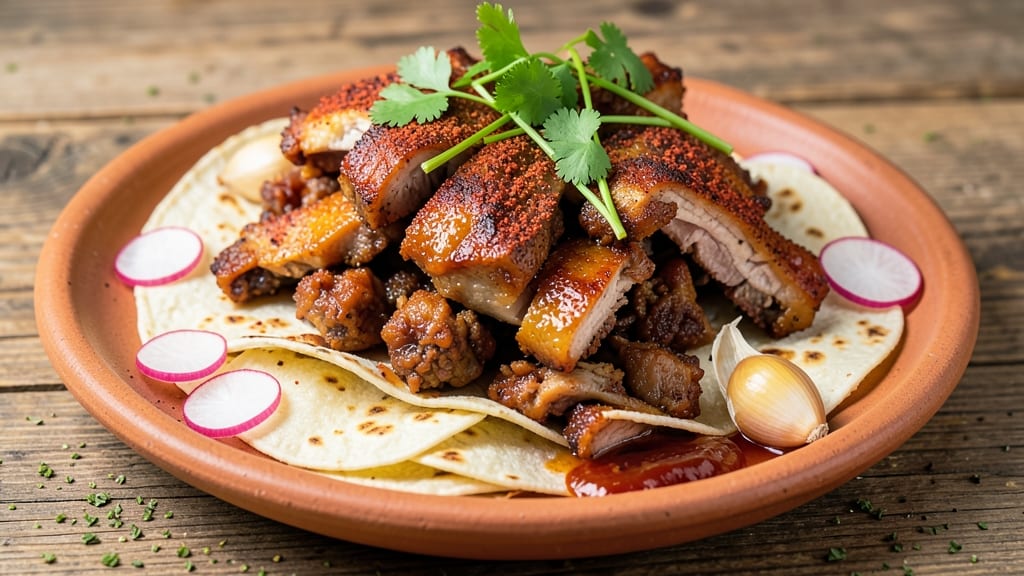
This boneless pork carnitas recipe transforms simple pork shoulder into melt-in-your-mouth shreds with slow-braised tenderness—a technique I perfected after years of perfecting whole-hog roasts in Charleston. The secret lies in the low-and-slow cook, where collagen dissolves into rich, juicy perfection while spices caramelize into a sticky crust.
My farm-raised heritage pork makes all the difference, but even store-bought cuts deliver when braised properly.
What sets this recipe apart is the two-stage cooking process: an initial sear for depth of flavor, followed by hours of gentle braising until the meat practically falls apart at the touch. No need for fancy equipment—just a Dutch oven and patience.
The result? Carnitas so tender they practically dissolve on your tongue, with just enough crispiness when tossed in oil for serving. This is the kind of dish that turns weeknight dinners into restaurant-quality meals.
By the time you're done, you'll have shreds so flavorful they work in tacos, burrito bowls, or even as a breakfast hash. The slow cook transforms tough cuts into something luxurious, while the crispy edges add satisfying texture.
It's the recipe I reach for when I want to impress guests without spending hours in the kitchen—because great food shouldn't require sacrifice.
The beauty of this method is its versatility. Use it for carnitas tacos, stuff it into breakfast burritos, or serve it as a hearty main with fresh salsa and lime.
Every bite delivers that perfect balance of smoky, spiced pork with just enough fat to keep it juicy. Let's get cooking—your taste buds will thank you.
Ingredients for boneless pork carnitas
The perfect pork shoulder, citrusy spices, and slow-braised tenderness—this is your shortcut to restaurant-quality carnitas.
| Ingredient | Amount | Notes |
|---|---|---|
| Boneless Pork Shoulder 🥩 | 3 lb | Trimmed of excess fat, cut into 2-inch chunks |
| Orange Juice 🍊 | ½ cup | Freshly squeezed, no pulp |
| Lime Juice 🍋 | ¼ cup | Freshly squeezed, for brightness |
| Garlic Cloves 🧄 | 6 cloves | Peeled, smashed for maximum flavor |
| Ground Cumin 🌿 | 2 tbsp | Toasted for deeper aroma |
| Smoked Paprika 🌶️ | 1 ½ tbsp | For that signature smoky flavor |
| Dried Oregano 🍃 | 1 tbsp | Mexican oregano preferred |
| Salt 🧂 | 1 ½ tsp | Diamond Crystal kosher salt |
| Black Pepper 🌶️ | 1 tsp | Freshly cracked for heat |
| Bay Leaves 🌿 | 2 whole | For subtle earthy depth |
| Vegetable Oil 🫒 | ¼ cup | For searing, high smoke point |
| Beef Broth 💧 | 1 ½ cups | Low-sodium preferred |
| Cinnamon Stick 🌿 | 1 whole | Optional, for warmth |
| Olive Oil 🫒 | ¼ cup | For final crispy toss |
The pork shoulder is non-negotiable for carnitas—look for well-marbled cuts at Whole Foods or your local butcher. If you can't find heritage pork, store-bought bone-in shoulder works too (just remove the bone before cooking). Trim excess fat to avoid greasiness, but leave some for flavor. For the citrus, freshly squeezed orange juice makes all the difference—bottled won't cut it. The garlic? Roast it whole first for a sweeter, deeper flavor that blends seamlessly into the braise. I always grab my spices from Penzeys or the bulk bins at Trader Joe's—they stay fresher longer.
No fresh oranges? Grapefruit juice works in a pinch, though it's more tart. Running low on cumin? Ground coriander at half the amount adds a nice citrusy note. The beef broth can be swapped for vegetable broth if you're vegetarian, though the flavor will be slightly different. For the bay leaves, crush them lightly before adding to release their oils. The cinnamon stick is optional but worth it—it adds warmth without overpowering. If you're short on time, pre-toasted spices save a few minutes, but fresh is always better. The olive oil for crisping? Use a light variety like extra-light olive oil so it doesn't overpower the pork's natural flavor.
This dish tastes even better the next day—plan ahead and make extra for leftovers. Store in an airtight container in the fridge for up to 5 days, or freeze for 3 months. For serving, reheat gently in a skillet with a splash of broth to keep it moist. The carnitas freezes beautifully too—just thaw in the fridge overnight before reheating. Pro tip: Portion into single servings before freezing for easy meals. The spices and citrus juices can be prepped ahead too, so you're not scrambling when it's time to cook.
Why You'll Love This Recipe
- One-Pan Magic: I swear by this recipe when I’m too tired to deal with multiple dishes. Toss the pork shoulder in a sheet pan, add the citrus and spices, and let the oven do the work—no chopping, no flipping, just hands-off perfection.
- Citrus Kiss: That bright punch from the orange and lime juice? It cuts through the richness of the pork and leaves you wanting more. Honestly, the first time I tasted it, I grabbed the bottle of lime juice to add extra just because.
- Leftovers Heaven: This recipe practically begs to be made in bulk. The pork stays tender for days, so I can throw it into tacos, salads, or even breakfast burritos without a second thought. My freezer’s always stocked with it.
- Budget Win: Pork shoulder is affordable, and this recipe stretches it far. Between us, I’ve fed six people for under $20 with this—plus, the cumin and garlic make it taste like a fancy restaurant dish, not a budget meal.
Step-by-step instructions for slow-braised pork carnitas
Transform tough pork into melt-in-your-mouth carnitas with this foolproof braising technique.
Sear the Pork for Deep Flavor
Heat the 0.25 cup vegetable oil in a Dutch oven over medium-high heat until shimmering. Working in batches to avoid crowding, add the 3 lb boneless pork shoulder cut into 2-inch chunks and sear until deep golden brown on all sides—about 4-5 minutes per batch. This step creates the Maillard reaction that builds rich, caramelized flavor.
As you sear, I like to press down gently on the pork chunks with a spatula during the first minute—this prevents them from curling and ensures even contact with the pan. Remove the pork to a plate and set aside temporarily. You'll want to keep that browned fond in the pot for later.
Build the Aromatic Base
Reduce the heat to medium and add the 6 smashed garlic cloves, 2 tbsp ground cumin, 1.5 tbsp smoked paprika, 1 tbsp dried oregano, 1.5 tsp salt, and 1 tsp black pepper to the Dutch oven. Stir constantly for 1 minute until fragrant—you should smell that deep, toasty aroma of spices hitting the hot oil.
Here's where it gets good: Pour in the 0.5 cup orange juice and 0.25 cup lime juice, scraping up all those browned bits from the bottom. Let it simmer for 2 minutes until slightly reduced. The acidity from the citrus will help tenderize the pork as it braises, while the spices create that signature carnitas flavor profile.
Braise Until Fork-Tender
Return the seared pork to the Dutch oven along with the 1.5 cups beef broth and 1 whole cinnamon stick. Bring to a gentle simmer, then cover tightly with a lid. Transfer to a 350°F oven and braise for 2.5 to 3 hours until the pork is fork-tender—it should shred easily with minimal resistance.
The key here is patience. I check the pork at the 2-hour mark by inserting a fork into the thickest piece. If it's not shredding yet, return it to the oven for another 30 minutes. The meat should be falling apart with just a gentle pull, and the cooking liquid should be rich and slightly reduced.
Crisp the Carnitas to Perfection
Once the pork is tender, carefully remove it from the braising liquid with tongs and transfer to a large skillet. Increase heat to high and add the 0.25 cup olive oil. Working in batches, crisp the pork pieces for 2-3 minutes per side until golden brown and crispy—this is what transforms braised pork into restaurant-quality carnitas.
Real talk: Don't rush this step. You want that satisfying crunch that makes carnitas so addictive. The pork should be deeply caramelized while staying juicy inside. Discard the 2 whole bay leaves from the braising liquid and reserve both the crispy pork and the flavorful cooking liquid for serving.
Pro Tips For Making Boneless Pork Carnitas
- CRANK THE HEAT FIRST: Start your pork shoulder in a screaming-hot skillet or Dutch oven for 3-4 minutes per side—this seals the surface and locks in juices. I used to low-and-slow from the start, and my carnitas always ended up dry. High heat gives you that crispy edge without overcooking.
- PEEL AND SMASH GARLIC: Skip mincing—peel whole cloves, smash them flat with the side of your knife, and let them sit in the oil for 30 seconds before adding the pork. The oils render faster, and you get deeper flavor without burning. (Yes, it looks like you’re making garlic paste, but it works.)
- DON’T DROWN IN JUICE: Use about ½ cup orange juice for every pound of pork, not the whole bottle. Too much liquid turns your carnitas into a braise instead of crispy shreds. If it’s too soupy, remove the lid and let it evaporate halfway through cooking.
- SHRED WHEN IT’S 165°F: Pull the pork at 165°F, not 203°F—it’ll climb another 10 degrees off the heat while resting. Overcooking makes it tough, and you’ll lose that tender, pull-apart texture. Let it rest 10 minutes under foil before shredding, or you’ll end up with a gluey mess.
Wine and beer pairings for this boneless pork carnitas
Mexican Lager Pairings
Nothing complements carnitas like a crisp, refreshing Mexican lager.
I always reach for Modelo Especial—its clean, slightly malty profile cuts through the rich pork and citrus flavors without overpowering them. Pacífico Clara is another winner, with its light body and subtle citrus notes that mirror the orange and lime in the recipe.
For a craft option, try Estrella Damm—its balanced carbonation and mild hop bitterness make it a perfect palate cleanser between bites. 🍺
Spiced Red Wine
If you prefer wine, go for a Spanish Garnacha or Tempranillo with a hint of oak. The wine's earthy undertones harmonize beautifully with the smoked paprika and cumin in the carnitas, while its acidity brightens the dish.
I love Bodegas Franco Espanyol Garnacha—it's affordable and always delivers. For something bolder, a Portuguese Ruby Port adds a luxurious touch, especially when served slightly chilled with a splash of orange juice.
Craft Beer with Citrus Twist
For a more adventurous pairing, try a Mexican-style IPA with citrusy hops like Tecate IPA or Cerveza Modelo Negra. The grapefruit and orange notes in the beer echo the citrus in the carnitas, creating a delightful flavor bridge.
If you're serving this at a gathering, a Mexican Wheat Beer (like Negra Modelo) is a crowd-pleaser—its light, slightly sweet profile balances the smoky spices perfectly.
Non-Alcoholic Options
Don't overlook non-alcoholic pairings! A sparkling limeade made with fresh lime juice, soda water, and a touch of agave syrup is a refreshing match. For something warmer, Mexican hot chocolate with cinnamon and a pinch of chili powder complements the carnitas' flavors beautifully.
I also love a ginger beer—its spicy kick pairs surprisingly well with the smoky, spiced pork. 🌿
Nutrition facts
Frequently asked questions
Can I use pork loin instead of pork shoulder for carnitas?
Pork loin is leaner and will dry out during the long braising time, so it's not ideal. Stick with pork shoulder—its fat content keeps the meat juicy and flavorful. If you must use loin, cut it into very thin slices (about ½-inch thick) and reduce braising time to 1.5 hours, but expect less tender results.
How do I make my carnitas extra crispy without drying them out?
After braising, pat the pork dry with paper towels before crisping. Use a large skillet on high heat with just enough oil to coat the bottom (about 1 tablespoon per batch). Work in small batches and don't overcrowd—this ensures maximum contact with the hot surface. A 2-minute toss in the skillet after initial crisping adds extra crunch.
Can I make carnitas in a slow cooker instead of the oven?
Follow the same steps for searing and building the spice base, then transfer everything to your slow cooker. Cook on low for 6-7 hours or high for 3-4 hours until tender. For crispiness, finish in a skillet as directed. The slow cooker method is perfect for hands-off prep—just add the pork and let it work its magic.
Why did my carnitas turn out greasy?
Excess grease usually means too much fat in the pork or not enough time to render it. Trim visible fat before cooking and use a Dutch oven with a tight lid to contain the juices. If it's still greasy, drain the pork on paper towels before serving or use the braising liquid to make a quick pan sauce to absorb some of the fat. Pro tip: Skim excess fat from the cooking liquid during braising.
How can I use leftover carnitas creatively?
Carnitas are incredibly versatile! Toss them into breakfast burritos with eggs and cheese, mix into tacos with avocado and salsa, or use as a hearty topping for baked potatoes. For a quick meal, serve with rice and black beans, or stuff into sweet potatoes with a dollop of sour cream. The possibilities are endless—just reheat gently with a splash of broth to keep them moist.