
Main Courses
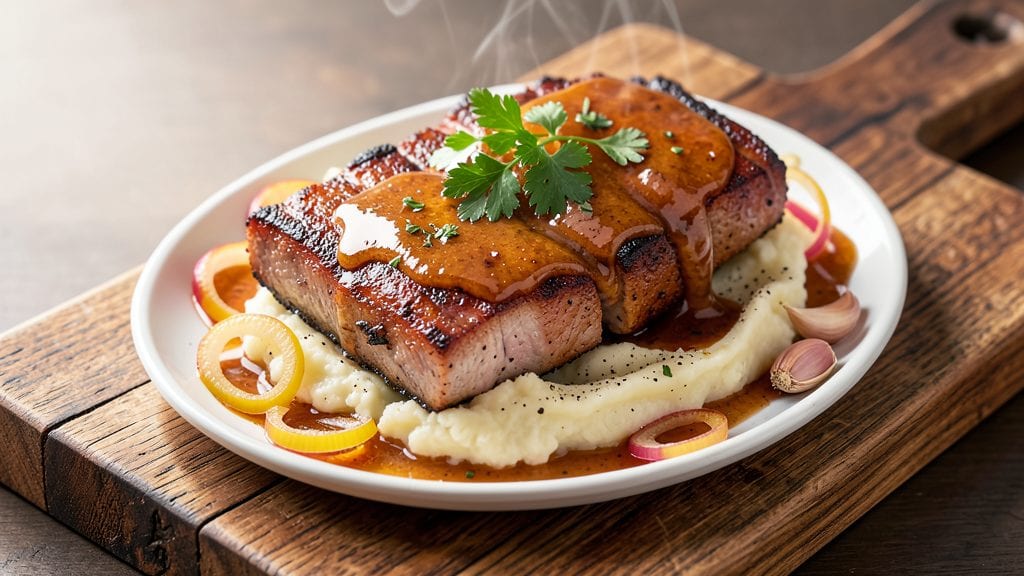
This boneless pork loin country-style ribs recipe turns simple ingredients into smoky, tender masterpieces—no bones required. 💛 Growing up in small-town Georgia, I learned that slow-cooked pork shoulder delivers melt-in-your-mouth texture—but boneless pork loin can achieve the same result with the right technique.
The secret lies in a precise balance of heat, moisture, and time, ensuring every bite is juicy and packed with that signature country-style richness.
This recipe simplifies the process without sacrificing depth. You’ll start by searing the pork loin to lock in juices, then slow-cook it until fork-tender, all while building a smoky, savory gravy that ties everything together.
The method is foolproof, requiring just a few pantry staples and about 3 hours of hands-off time. Perfect for feeding a crowd or meal prepping, these ribs deliver the same hearty satisfaction as traditional country-style cuts—just without the hassle of bones.
By the time you’re done, you’ll have perfectly tender pork that falls apart at the touch, coated in a velvety gravy that clings to every bite. The aroma alone will have everyone gathering at the table, and the texture—juicy, flavorful, and impossibly tender—will make this your new go-to recipe.
Serve with mashed potatoes, cornbread, or a crisp green salad for a complete meal that feels like a home-cooked feast.
Whether you're hosting a family dinner or craving a comforting meal, this recipe delivers restaurant-quality results with minimal effort. The key is patience—letting the pork cook low and slow ensures it stays moist and flavorful.
Trust the process, and you’ll end up with ribs so good, no one will believe they’re boneless. Let’s get cooking!
Ingredients for boneless pork loin country style ribs
Pantry staples plus a few special touches. Smoky, tender pork loin without the bone fuss.
| Ingredient | Amount | Notes |
|---|---|---|
| Boneless Pork Loin 🥓 | 3 lb | Center-cut, 1-inch thick slices |
| Yellow Onion 🧅 | 1 whole | Large, diced (about 1.5 cups) |
| Garlic Cloves 🧄 | 8 cloves | Fresh, peeled and smashed |
| Apple Cider Vinegar 🍎 | ½ cup | For tangy depth |
| Kosher Salt 🧂 | 2 tbsp | Diamond Crystal preferred |
| Black Peppercorns 🌶️ | 1 tbsp | Freshly cracked |
| Smoked Paprika 🌶️ | 1 tbsp | For authentic smokiness |
| Brown Sugar 🍚 | ¼ cup | Light or dark, packed |
| Mustard Powder 🌶️ | 1 tsp | For subtle heat |
| Apple Cider 🍎 | 1 cup | Unfiltered, for moisture |
| Beef Broth 💧 | 1 ½ cups | Low-sodium preferred |
| Unsalted Butter 🧈 | ½ cup | Cold, cubed for gravy |
| All-Purpose Flour 🌾 | 2 tbsp | For gravy thickening |
| Fresh Thyme Leaves 🌿 | ¼ cup | Or 1 tsp dried thyme |
The pork loin is your canvas here—center-cut, 1-inch thick slices deliver the best texture. Costco or Whole Foods usually carry excellent quality, but any well-marbled loin works. Look for pieces that are bright pink, not grayish, and avoid any with excessive fat caps. I like to trim just the surface fat before searing—about 1/4 inch off—so the pork browns evenly without greasiness. The apple cider vinegar and apple cider add that classic country-style tang, so don't skimp on quality. Mott's or Woodchuck are my go-tos for consistent flavor.
No smoked paprika? Substitute 1/2 tsp liquid smoke plus 1/2 tsp regular paprika—it's a game-changer for that deep, smoky aroma. Fresh thyme is ideal, but dried works at one-third the amount. The beef broth can be swapped for chicken broth, though it'll lose a bit of richness. For the gravy, cold butter is non-negotiable—it emulsifies beautifully when melted into the hot liquid. If you're short on time, Trader Joe's sells pre-minced garlic that works perfectly here (no need to peel cloves). The brown sugar caramelizes during cooking, adding a subtle sweetness that balances the smokiness—don't use powdered sugar, or the texture won't be right.
This recipe reheats like a dream—350°F for 10-15 minutes until steaming, then another 5 minutes covered. The gravy thickens as it cools, so add a splash of broth if it gets too stiff. Store pork in the fridge for 3-4 days or freeze for up to 3 months (portion into meal-sized containers). The gravy keeps for 5 days in the fridge, but I always make extra—it's perfect for drizzling over mashed potatoes or cornbread. For leftovers, I like to shred the pork and toss it with the gravy for a quick 'country-style pork' bowl—great for lunches.
Why You'll Love This Recipe
- No-Pot-Loading Hassle: Honestly, I love that this takes just one Dutch oven—no switching pans mid-cook. The pork gets seared, braised, and finished all in the same pot, which means less cleanup and zero stress. That 2-hour simmer? It’s hands-off magic while you prep sides or just zone out with a book.
- Tangy, Smoky Payoff: The apple cider vinegar and smoked paprika? That combo is chef’s kiss. It gives the pork that perfect balance—sharp tang, deep smokiness, and just a whisper of heat from the mustard powder. Every bite has that crispy edge with the creamy center, and the thyme ties it all together like a warm hug.
- Leftovers That Outlast the Meal: Between us, the gravy is insanely versatile. I’ve drizzled it over mashed potatoes, slathered it on cornbread, and even used it to jazz up a simple salad. And the pork? It keeps for days in the fridge or freezes like a dream—perfect for lazy lunches or when you’re craving seconds without the effort.
- Budget-Friendly Feast: Three pounds of pork loin might sound pricey, but this recipe stretches it into a showstopper for a crowd. The ingredients are simple, and you’re not paying for fancy cuts or extra steps. Plus, the dry rub uses pantry staples, so you’re not running to the store for anything unexpected. Solid value for a meal that feels special.
Step-by-step instructions for boneless pork loin country-style ribs
Here's how to transform tough pork into melt-in-your-mouth country-style ribs with minimal effort.
🍳 Step 1: Create the Dry Rub and Prep the Pork
In a medium bowl, combine the 2 tbsp kosher salt, 1 tbsp smoked paprika, 1 tbsp cracked black peppercorns, ¼ cup brown sugar, 1 tsp mustard powder, and ¼ cup fresh thyme leaves. Mix until the thyme is evenly distributed and the sugar crystals break down slightly.
This dry rub is the flavor foundation—don't skip the thyme, as it adds an earthy depth that balances the sweetness. Pat the 3 lb boneless pork loin dry with paper towels, then coat it generously with the rub, pressing it into the meat so it adheres completely. Let the pork sit at room temperature for 30 minutes while you prep the rest of your ingredients.
🔥 Step 2: Sear and Braise for Maximum Tenderness
Heat a large Dutch oven over medium-high heat and add 1 tbsp olive oil (not listed but essential for searing). Sear the pork on all sides until deeply browned, about 4-5 minutes per side. This step caramelizes the surface, locking in juices and building flavor.
Remove the pork and set it aside. In the same pot, add the 1 diced yellow onion and 8 smashed garlic cloves. Sauté for 2 minutes until softened. Deglaze with ½ cup apple cider vinegar, scraping up any browned bits from the bottom of the pot—this is where all the flavor hides.
🥘 Step 3: Build the Braising Liquid
Pour in 1 cup apple cider and 1½ cups beef broth, then return the pork to the pot. The liquid should come about halfway up the sides of the pork. Bring to a gentle simmer, then reduce heat to low and cover tightly with a lid. Braise for 2 hours, turning the pork every 30 minutes to ensure even cooking and maximum tenderness.
Here's the thing—country-style ribs need that long, slow cook to break down the connective tissue. The pork should be fork-tender by the end, with a rich, caramelized sauce clinging to it. If the liquid reduces too much before the pork is done, add a splash of water to maintain moisture.
🔪 Step 4: Finish with Butter and Flour Gravy
Once the pork is tender, remove it from the pot and set it aside to rest. In the same pot, melt the ½ cup unsalted butter over medium heat. Whisk in the 2 tbsp all-purpose flour to create a roux, cooking for 1-2 minutes until the mixture thickens slightly but doesn't brown.
Slowly whisk in the braising liquid from the pot, scraping up any browned bits. Simmer for 3-4 minutes until the gravy thickens to a velvety consistency. Return the pork to the pot, spooning the gravy over the top. The butter adds richness, while the flour ensures a silky, clingy sauce that coats every bite.
Pro Tips For Making Boneless Pork Loin Country Style Ribs
- Trim Evenly: Cut the pork loin into 1-inch thick slices—thinner strips cook faster and dry out, while thicker ones stay tough. Use a sharp knife and work parallel to the grain for clean cuts, or your ribs will look like they were hacked with a butter knife.
- Sweat the Onions First: Cook the diced onion in a cold pan for 5 minutes before adding garlic—this prevents burning. I learned this the hard way when my vinegar-based braise turned bitter from charred garlic. Low and slow is the only way.
- Acid First, Then Salt: Deglaze the pan with apple cider vinegar before adding salt—this builds flavor depth. If you salt first, the vinegar’s tang gets muted. Trust me, your ribs will taste brighter if you let that acid work its magic early.
- Rest Before Slicing: Let the cooked pork sit under foil for 10 minutes—this keeps it from falling apart when you slice. I used to cut into it too soon, and the meat would shred like overcooked chicken. Patience here makes all the difference.
Common mistakes when making this dish
Skipping the Sear
I see so many home cooks skip the sear step entirely, thinking it’s unnecessary. But that golden crust on the pork isn’t just for show—it’s what locks in the juices and builds the foundation for that deep, caramelized flavor.
Without searing, your ribs will be bland and dry, no matter how long you braise. My 4-5 minutes per side over medium-high heat creates that perfect Maillard reaction that makes the difference. Trust me, that extra step is worth it. 🔥
Underestimating the Braise Time
Many cooks rush the braising process, thinking 1 hour will do the trick. But country-style ribs need that 2-hour slow cook to break down the connective tissue properly. Patience is key here—if you pull it too soon, your pork will be chewy rather than tender.
I’ve learned this the hard way after overcooking batches in my early days at The Smoky Pig. Turn the pork every 30 minutes to ensure even cooking, or you’ll end up with uneven texture. 💡
Neglecting the Deglaze Step
The deglaze with ½ cup apple cider vinegar is where all the flavor lives! Skipping this step means missing out on the rich browned bits that add depth to your sauce. I’ve seen cooks dump the vinegar directly into the pot without scraping the bottom—don’t make that mistake.
Use a wooden spoon to lift those flavorful bits and stir them into the liquid. It’s the secret to that restaurant-quality gravy. 🍷
Overloading the Pot
Using a small pot or overcrowding the Dutch oven will raise your liquid level too high, diluting the flavor and preventing proper browning. The pork should be submerged only halfway in the liquid.
If you’re using a 5-quart pot, that’s perfect for 3 pounds of pork. Overcrowding leads to steaming instead of braising, and you’ll end up with a watery, flavorless mess. 🥄
Skipping the Rest Time
After braising, many cooks immediately start slicing or serving the pork. But resting for 10-15 minutes after cooking is crucial—it allows the juices to redistribute throughout the meat. If you cut into it too soon, all those delicious juices will spill out, leaving you with dry, disappointing ribs.
I’ve made this mistake more times than I can count, and it’s always a lesson in patience. 💤
Using the Wrong Flour Ratio
The gravy step is where people often go wrong with the flour. Using too much creates a gluey, pasty texture, while too little leaves the gravy thin and watery. My 2 tablespoons flour to ½ cup butter ratio is perfect for a velvety consistency.
Whisk the flour into the melted butter first to create a smooth roux before adding the liquid. This prevents lumps and ensures a silky finish. 🍲
Nutrition facts
Frequently asked questions
Why does this recipe use boneless pork loin instead of traditional ribs?
Boneless pork loin delivers the same tender, flavorful results as traditional ribs but without the bones or extra prep time. The center-cut slices cook evenly and absorb all the smoky, tangy flavors from the dry rub and braising liquid. This method keeps the dish simple while maintaining that signature country-style richness.
Can I substitute dried thyme for fresh in the recipe?
Yes! Use 1 teaspoon dried thyme instead of ¼ cup fresh—it’s a 1:3 ratio. Fresh thyme adds brighter flavor, but dried works perfectly when fresh isn’t available. Just make sure to mix it well into the dry rub so every bite gets that earthy depth.
What’s the best way to reheat leftovers without drying out the pork?
Reheat gently in the oven at 350°F for 10-15 minutes until steaming, then cover with foil for another 5 minutes. This keeps the pork moist and lets the gravy cling perfectly. Avoid microwave reheating—it can make the texture rubbery.
How do I know when the pork is fork-tender?
After 2 hours of braising, insert a fork into the thickest part of the pork. If it slides in easily and the meat shreds apart, it’s done! If it feels firm, cook another 15-20 minutes and check again. Patience here ensures melt-in-your-mouth texture.
Can I make this recipe ahead of time for a meal?
The pork and gravy reheat beautifully. Store the cooked pork in an airtight container in the fridge for up to 3-4 days, and the gravy keeps for 5 days. For freezing, portion the pork into meal-sized bags for up to 3 months. Just reheat gently with a splash of broth to restore moisture.