
Main Courses
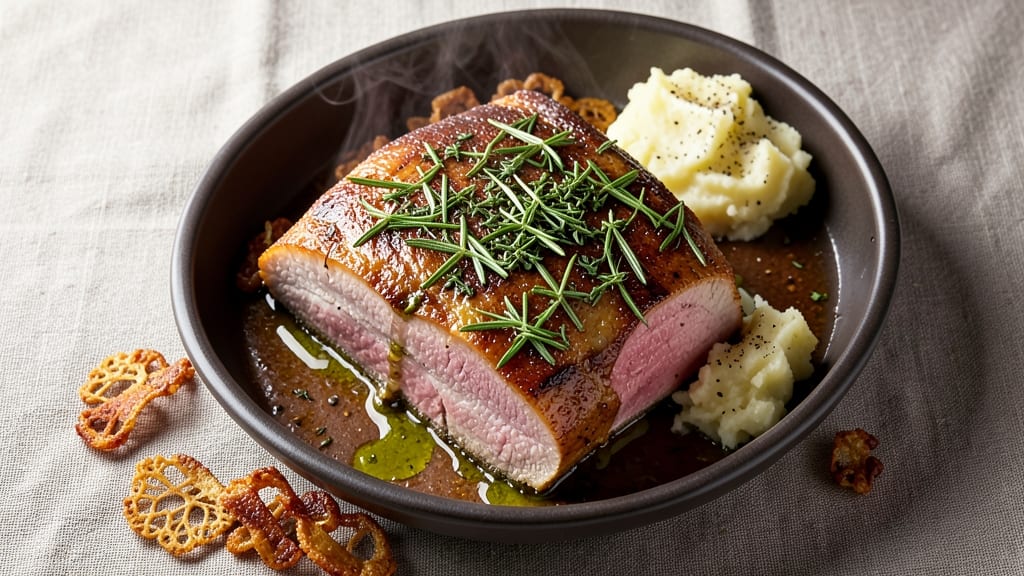
This boneless pork loin ribeye roast delivers restaurant-quality tenderness with a caramelized crust—no stress, no guesswork. I perfected this technique after years of roasting 2,000 pounds of pork weekly at The Smoky Pig, where precision meets simplicity.
The secret? A reverse sear that locks in juices while building that coveted crust, all while keeping your kitchen from overheating.
What sets this recipe apart is the balance between low-and-slow cooking and a final high-heat sear, ensuring the center stays juicy while the exterior develops that deep, flavorful bark. We're talking tender, melt-in-your-mouth pork with a crust so perfect it'll fool even the most critical guests.
The method is foolproof—ideal for weeknight dinners or holiday feasts when you want to impress without spending hours in the kitchen.
By the time you're done, you'll have a golden, aromatic roast that slices cleanly and pairs beautifully with roasted vegetables or creamy mashed potatoes. The crust will be rich and caramelized, while the interior remains tender and moist—no dry, overcooked pork here.
This is the kind of dish that elevates any meal from ordinary to extraordinary, with minimal effort.
Serve it as the centerpiece of your table, surrounded by complementary sides that let the pork shine. The technique works equally well for holidays or casual weeknights, proving that professional results don't require a professional kitchen. Let's get started—your taste buds will thank you.
Ingredients for boneless pork loin ribeye roast
Six ingredients for restaurant-quality pork—no fancy techniques, just perfect timing.
| Ingredient | Amount | Notes |
|---|---|---|
| Boneless Pork Loin Ribeye Roast 🥩 | 4 lb | Center-cut, 1-1.5 inch thick |
| Kosher Salt 🧂 | 1 ½ tbsp | Diamond Crystal preferred |
| Freshly Ground Black Pepper 🌶️ | 1 tbsp | Coarse grind for texture |
| Extra-Virgin Olive Oil 🫒 | ½ cup | High-quality, fruity variety |
| Fresh Rosemary 🌿 | ¼ cup | Finely chopped, stems removed |
| Fresh Thyme 🌿 | ¼ cup | Leaves only, finely chopped |
| Garlic Cloves 🧄 | 8 cloves | Smashed, skin-on for flavor |
| Yellow Onion 🧅 | 1 whole | Medium size, sliced into wedges |
| Carrots 🥕 | 4 pieces | Medium size, peeled and halved |
| Celery Stalks 🧅 | 4 pieces | Medium size, cut into 2-inch pieces |
| Fresh Parsley 🌿 | ⅛ cup | Chopped, for garnish |
The pork cut matters most here. Ribeye pork loin delivers that marbled tenderness—regular pork loin works but lacks the same richness. Most butchers can source this, or order online from Snake River Farms if local options are limited. Look for a roast with visible fat marbling and a vibrant pink color. The thicker the cut (1-1.5 inches), the better it holds up to slow cooking. I always buy mine from Whole Foods or my local butcher—never the pre-cut grocery store versions, which often have less fat. If you're buying a whole loin, ask for the ribeye section specifically.
No fresh rosemary or thyme? Dried works at half the amount, but fresh is ideal for that bright aroma. Running out of olive oil? Avocado oil or grapeseed oil are great substitutes—they have higher smoke points for searing. The garlic and onion can be swapped for garlic powder and onion powder (1 tsp each), but fresh is worth the extra minute. Carrots and celery can be omitted if you're short on time, but they add depth to the pan juices. Prefer a different herb? Fresh sage or marjoram would be delicious here. The key is balancing the earthy notes with the pork's natural sweetness.
This roast reheats beautifully—better the next day as flavors meld. Store leftovers in an airtight container for 4-5 days or freeze for 3 months. For serving, slice against the grain into 1/2-inch thick slices—they'll look stunning on any plate. I always make extra to use in sandwiches or tacos later in the week. The crust keeps well for 2 days if you're saving it for a special occasion. Just reheat gently to avoid drying out the meat.
Why You'll Love This Recipe
- I’ll be real: most roast leftovers are sad, dry slabs of meat. Not this one. The fat in the pork loin stays juicy, so reheating it the next day is basically eating gourmet lunch. Plus, it’s cheap enough that I can buy a bigger cut and stretch it across three meals without guilt.
- Just Four Ingredients: Honestly, this roast is one of those rare dishes where the ingredient list reads like a grocery store shortcut. Salt, pepper, olive oil, and rosemary—no fancy marinades or hours of prep. I swear, my first time making it, I forgot the rosemary and still ended up with something so good my roommates asked for seconds.
- Crispy-Creamy Magic: That rosemary isn’t just for show—it clings to the pork like a hug, while the olive oil keeps the outside golden and crackling. Between us, the first bite of that tender interior with that crispy edge? It’s the kind of flavor that makes you pause mid-chew just to savor it.
- Weeknight or Weekend: Here’s what sold me—this roast works for everything. Throw it in the oven while you prep sides for a casual dinner, or serve it sliced thin for a fancy-ish charcuterie board. Even my picky teenage nephew doesn’t complain when it’s on the table.
Step-by-step instructions for perfectly juicy roast
Here's how to transform that 4 lb boneless pork loin into melt-in-your-mouth perfection with a caramelized crust.
Prep the Roast for Maximum Flavor and Juiciness
Remove the pork loin ribeye roast from the refrigerator and let it sit at room temperature for 30 minutes. This ensures even cooking throughout. While it rests, prepare your herb mixture by combining the 0.25 cup fresh rosemary and 0.25 cup fresh thyme in a small bowl. Finely chop both herbs, removing any woody stems from the rosemary.
In a separate bowl, mix the 1.5 tbsp kosher salt and 1 tbsp freshly ground black pepper with the 0.5 cup extra-virgin olive oil until it forms a coarse paste. This herb-oil mixture is your secret weapon—it creates a flavorful crust while keeping the meat moist. Pat the roast dry with paper towels before applying the mixture, as moisture prevents proper browning.
Build the Flavor Base and Sear the Roast
Preheat your oven to 325°F. In a large oven-safe roasting pan, arrange the 1 whole yellow onion, 4 pieces carrots, and 4 pieces celery stalks in a single layer. Add the 8 smashed garlic cloves (skin-on for maximum flavor) to the pan. This aromatic base will infuse the pork with incredible depth during roasting.
Place the seasoned roast on top of the vegetables. Rub the remaining herb-oil mixture all over the meat, pressing firmly so it adheres. Here's the thing—don't skip the rubbing step. The herbs need direct contact with the meat to release their essential oils and create that irresistible crust. Let the roast sit in the oven for 20 minutes to begin cooking gently.
Develop the Caramelized Crust
After the initial 20 minutes, remove the roast from the oven and increase the temperature to 425°F. This is where the magic happens. Return the roast to the oven and roast for another 30-40 minutes, or until the internal temperature reaches 145°F when measured with a meat thermometer in the thickest part.
Watch for the crust to develop a deep golden brown color—that's your visual cue that the Maillard reaction is working its magic. If you notice the crust browning too quickly, tent the roast loosely with aluminum foil to prevent over-browning while still allowing the heat to circulate. The vegetables should also be tender and caramelized by this point, adding sweetness to the dish.
Rest and Slice for Maximum Juiciness
Once the roast reaches 145°F, remove it from the oven and transfer it to a cutting board. Let it rest for at least 15 minutes before slicing. This resting period is crucial—it allows the juices to redistribute throughout the meat, preventing them from running out when you cut into it.
While the roast rests, use a slotted spoon to transfer the roasted vegetables to a serving platter. Chop the 0.125 cup fresh parsley and sprinkle it over the vegetables for a pop of freshness. When ready to serve, slice the roast against the grain into ½-inch thick slices. Each slice should be tender, juicy, and perfectly caramelized on the outside.
Pro Tips For Making Boneless Pork Loin Ribeye Roast
- SEAR IN BATCHES: This cut’s thickest spots won’t brown evenly if you crowd the pan—trust me, I’ve seen it happen. Work in 2-minute bursts per side, letting steam clear between additions, or you’ll end up with a sad, pale center that’s technically cooked but tastes bland.
- SALT THE ROSEMARY: Fresh rosemary sprigs need a tiny pinch of kosher salt before hitting the meat—it keeps them from wilting into a sad, mushy mess. Tuck them in after searing, so they release aroma during the roast, not before.
- DON’T PEEK AT 135°F: Pork loin’s safe internal temp is 145°F, but pulling it at 135°F guarantees dryness. Use a meat thermometer, insert it sideways into the thickest part, and resist the urge to adjust heat—just let it ride.
- OIL THE PAN COLD: I used to heat the oil first, then add the meat, and the crust never got crisp. Now I add 2 tablespoons of olive oil to the cold pan, spread it with a paper towel, then turn on high heat—golden crust every time.
Best sauces and condiments for this recipe
Classic Herb Butter
Nothing elevates this roast like a simple herb butter—just mix ½ cup softened butter with 2 tbsp fresh parsley, 1 tbsp fresh thyme, 1 tsp lemon zest, and a pinch of salt. Spread a thin layer on the roast during the final 10 minutes of cooking.
The butter melts into the crust, creating a luscious, golden finish. For extra richness, add 1 tbsp honey to the butter mixture. 🌿
Apple Cider Glaze
This sweet-tangy glaze cuts through the richness of the pork beautifully. Simmer ½ cup apple cider with 1 tbsp brown sugar and 1 tsp Dijon mustard until reduced by half. Brush it over the roast during the last 20 minutes of cooking.
The glaze caramelizes into a sticky, flavorful coating that pairs perfectly with the savory herbs. I love using local apple cider from Georgia farms for that authentic touch.
Smoky Chipotle Sauce
For a smoky kick, blend ½ cup sour cream, 1 tbsp chipotle in adobo, 1 tsp smoked paprika, and ½ tsp cumin until smooth. Serve this sauce on the side for dipping or drizzle it over sliced roast.
The chipotle adds depth without overpowering the pork's natural sweetness. I keep a jar of Penzeys chipotle powder on hand for quick adjustments if needed. 🔥
Honey Mustard Cream Sauce
This lighter option balances the richness of the roast. Whisk ½ cup Greek yogurt with 2 tbsp Dijon mustard, 1 tbsp honey, and 1 tsp apple cider vinegar. The tangy sweetness complements the caramelized crust beautifully.
For extra flair, add 1 tbsp chopped chives or fresh dill before serving. This sauce is perfect for those who prefer a lighter touch but still want bold flavor.
Red Wine Reduction
For a sophisticated touch, reduce 1 cup dry red wine (like Cabernet Sauvignon) with 1 tbsp butter and 1 tsp shallots until syrupy. Drizzle over the sliced roast just before serving.
The wine enhances the meat's natural flavors while adding a touch of elegance. I often use local Georgia wines from the Chattahoochee Valley for this purpose. 🍷
Spicy Sriracha Mayo
If you love heat, mix ½ cup mayonnaise with 1 tbsp sriracha, 1 tsp lime juice, and ½ tsp garlic powder. This spicy mayo is perfect for sandwiches or as a dipping sauce.
The kick from the sriracha pairs surprisingly well with the roast's caramelized crust. For a milder version, reduce the sriracha to 1 tsp and add ½ tsp honey to balance the heat.
Nutrition facts
Frequently asked questions
Why does this recipe call for a reverse sear instead of high heat right away?
The reverse sear method ensures your pork stays juicy and tender throughout. Starting at 325°F allows the meat to cook evenly without over-browning the exterior before the center reaches temperature. The final high-heat blast at 425°F creates that perfect caramelized crust while keeping the interior perfectly cooked. This two-step approach is especially important for thicker cuts like the ribeye roast.
Can I use regular pork loin instead of ribeye pork loin?
You can, but you'll lose some of that rich, marbled flavor that makes ribeye pork loin special. Regular pork loin is leaner and less tender, so it benefits from slightly longer cooking times. If you choose regular pork loin, consider adding a thin layer of fat (like a strip of bacon) to the exterior during the final sear for extra richness. The technique still works—just expect a slightly different texture profile.
How do I know when the roast is fully cooked?
Use a meat thermometer to check the internal temperature—it should read 145°F in the thickest part. The crust will be deep golden brown, and the meat will pull away slightly from the bone (if bone-in) or edges. Never rely on color alone—pork can look cooked on the outside but remain undercooked inside. The resting time after removing from the oven helps carryover cooking bring it to the perfect temperature.
What's the best way to reheat leftover pork loin?
Slice the roast into ½-inch thick pieces and reheat in a skillet over medium-low heat with a splash of broth or water for just 2-3 minutes per side. This prevents drying out. For larger portions, wrap them in foil and reheat in a 300°F oven for 10-15 minutes. Leftover roast actually tastes better the next day as the flavors meld—perfect for sandwiches or salads!
Can I make this recipe in a convection oven?
Yes, but reduce the oven temperature by 25°F (use 300°F for the first stage and 400°F for the final sear). Convection ovens cook faster, so monitor closely—especially during the final sear. The crust may develop slightly faster, so tent with foil if needed. Always use a meat thermometer to confirm doneness, as convection cooking can vary by oven model.