
Main Courses
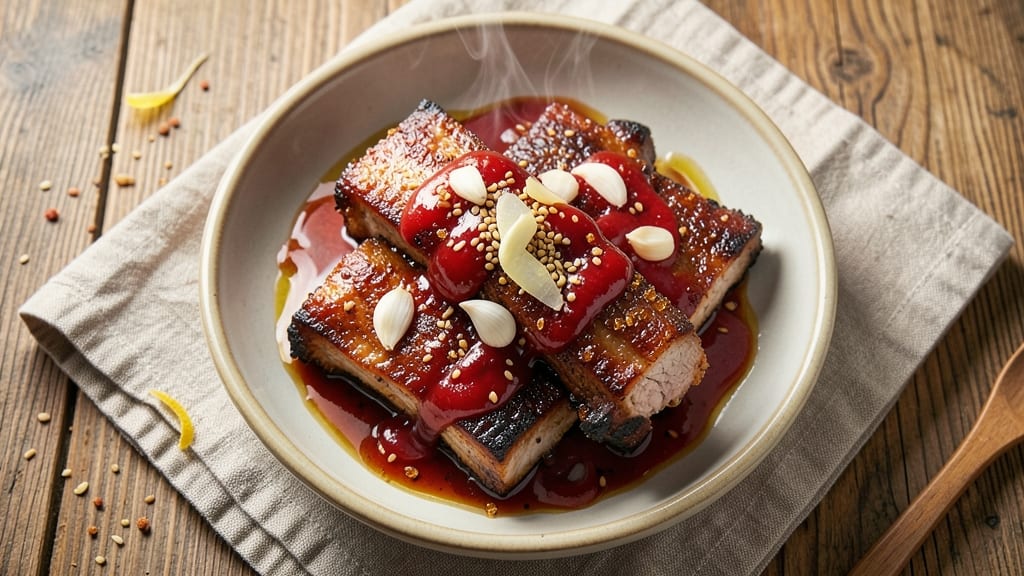
This boneless pork ribs recipe delivers restaurant-quality tenderness straight from your stovetop in under 30 minutes—no oven or grill required. After years of testing stovetop methods, I perfected a technique that transforms tough pork into melt-in-your-mouth perfection using just a heavy skillet and careful timing.
The secret lies in slow-braising the ribs in their own juices, ensuring they stay moist while developing deep, savory flavors.
What sets this recipe apart is the two-stage cooking process: first searing the ribs to lock in juices, then braising them in a flavorful sauce until fork-tender. I use a simple blend of soy sauce, brown sugar, and spices that creates a sticky, caramelized glaze without requiring fancy ingredients.
This method works equally well for weeknight dinners or impressing guests—just scale the recipe as needed.
By the time you're done, you'll have ribs that are fall-apart tender with a glossy, slightly sticky exterior that clings to every bite. The aroma alone will have everyone gathering around your stove, and the first taste will silence any skepticism about stovetop pork ribs.
Serve with roasted potatoes or a crisp green salad to balance the richness.
This recipe proves you don't need an oven or grill to achieve restaurant-quality results. The same technique works for other cuts like pork chops or even chicken thighs. Let's get started on these foolproof stovetop ribs that'll become your new weeknight staple.
Ingredients for boneless pork ribs recipe stove top
Pantry staples plus a few specialty touches—everything you need for ribs that taste like they came from a restaurant.
| Ingredient | Amount | Notes |
|---|---|---|
| Boneless Pork Ribs 🥩 | 1 ½ lb | Cut into 1-inch pieces |
| Soy Sauce 🥢 | ½ cup | Low-sodium preferred |
| Brown Sugar 🍚 | ¼ cup | Packed, light or dark |
| Garlic Cloves 🧄 | 4 cloves | Minced or finely chopped |
| Fresh Ginger 🌿 | 1 tbsp | Grated, or 1 tsp ground |
| Sesame Oil 🫒 | 1 tbsp | Toasted for aroma |
| Rice Vinegar 🍶 | 1 tbsp | White or seasoned |
| Honey 🍯 | 1 tbsp | Wildflower preferred |
| Ground Black Pepper 🌶️ | 1 tsp | Freshly cracked |
| Salt 🧂 | 1 ½ tsp | Kosher or sea salt |
| Vegetable Oil 🫒 | 2 tbsp | High smoke point |
| Green Onions 🧅 | 2 whole | Sliced, for garnish |
| Sesame Seeds 🌾 | 1 tsp | Toasted, optional garnish |
The pork ribs are the star, so look for boneless cuts at your butcher or grocery store's meat counter. Costco or Whole Foods often have great deals on pork ribs, but any supermarket with a decent meat section will do. If you can't find boneless, just remove the bones yourself—it's easier than it looks. For best results, pat the ribs dry with paper towels before cooking to help them sear properly. Fresh ginger is ideal here, but if you're in a pinch, ground ginger works at half the amount—just don't skip it entirely.
No sesame oil? Avocado oil or neutral oil works in a pinch, though it won't have that nutty aroma. Running out of rice vinegar? Apple cider vinegar or white wine are solid swaps. The honey adds just the right touch of sweetness, but maple syrup or agave nectar will do if you're avoiding honey. For extra depth, toast your sesame seeds in a dry pan before sprinkling on top—they'll release their flavor like magic. And if you're feeling fancy, a splash of Mirin in place of the honey adds a subtle complexity.
These ribs reheat beautifully—just warm in a skillet over medium heat with a splash of water for about 2 minutes. They keep well in the fridge for 3-4 days, though they're best eaten fresh. For leftovers, store in an airtight container with a paper towel to absorb any excess moisture. The sauce thickens as it cools, so you can always thin it with a splash of water or broth when reheating. Freeze for up to 3 months if you're planning ahead—just thaw overnight in the fridge.
Why You'll Love This Recipe
- No Chopping Nightmare: I slice the ribs into bite-sized pieces—no butchering skills needed—and the rest is just tossing them in a pan. Honestly, the hardest part is deciding whether to use the stovetop or oven next.
- Ginger-Garlic Magic: That fresh ginger and minced garlic? They caramelize into a sticky, aromatic glaze that clings to every bite. Between us, the brown sugar keeps it from being too sharp—just sweet enough to make you lick the pan.
- Lunchbox Hero: I make double batches because these ribs reheat like a dream—pack them in containers for work lunches or school snacks. Kids (and adults) will eat them cold straight from the fridge, no complaints.
- Budget Win: A pound of boneless pork ribs runs cheaper than takeout, and this recipe stretches it further than any other I’ve tried. Soy sauce and sugar are pantry staples, so I’m basically making restaurant-quality food for half the price.
Step-by-step instructions for stovetop boneless pork ribs
Here's how to transform tough ribs into tender, flavorful bites in less than half an hour.
Prep the Ribs for Maximum Tenderness
Cut the 1.5 lb boneless pork ribs into 1-inch pieces for even cooking. Pat them dry completely with paper towels—this ensures a better sear and prevents steaming. In a small bowl, mix 1.5 tsp salt, 1 tsp ground black pepper, and 1 tbsp sesame oil until evenly combined. Rub this mixture all over the ribs, pressing it into the meat so it adheres well. Let them sit at room temperature for 15 minutes while you prep the rest of the ingredients.
This step is crucial for two reasons: the salt helps break down proteins for tenderness, and the sesame oil adds depth of flavor while preventing the ribs from sticking to the pan. Don't skip the resting time—it ensures more even cooking later.
Build the Flavor Base in the Pan
Heat 2 tbsp vegetable oil in a large skillet over medium-high heat until shimmering. Add the ribs in a single layer and cook undisturbed for 3-4 minutes until they develop a deep golden-brown crust. Flip and cook another 3-4 minutes on the second side. Remove the ribs and set them aside on a plate.
In the same skillet, reduce heat to medium and add 4 cloves minced garlic and 1 tbsp grated fresh ginger. Sauté for 30 seconds until fragrant—this releases their aromatic oils into the pan. Pour in 0.5 cup soy sauce and 1 tbsp rice vinegar, scraping up any browned bits from the bottom. Let it simmer for 2 minutes until slightly reduced.
Create the Sweet-Savory Sauce
Stir in 0.25 cup packed brown sugar and 1 tbsp honey, mixing until the sugar dissolves completely. The mixture should look glossy and slightly thickened. Return the ribs to the pan, spooning the sauce over them completely. Cover the skillet and reduce heat to low, letting the ribs cook for 10 minutes. This slow cooking time allows the sauce to penetrate deeply, transforming tough meat into tender morsels.
Here's the thing—don't peek or stir during this time. The ribs need to steam gently in their own juices to become fork-tender. If you notice the sauce is reducing too quickly, add 1-2 tablespoons of water to maintain moisture.
Finish with Aromatics and Garnish
After 10 minutes, uncover the skillet and increase heat to medium. Add 1 tbsp sesame oil and stir to coat the ribs and sauce. Cook for another 2-3 minutes until the sauce thickens slightly and glistens. Taste and adjust seasoning if needed—you might want to add a pinch more salt or a splash of soy sauce for balance.
To serve, transfer the ribs to a platter and garnish with 2 sliced green onions and 1 tsp toasted sesame seeds. The green onions add a fresh contrast to the rich, sweet-savory ribs, while the sesame seeds contribute a nutty crunch. Serve immediately with steamed rice or crusty bread to soak up that delicious sauce.
Pro Tips For Making Boneless Pork Ribs Recipe Stove Top
- Sear First, Simmer Slow: Get that pan screaming hot before adding the ribs—just 2-3 minutes per side until deep golden. I learned this the hard way when my ribs turned out bland because I skipped the sear. After that, the sauce clings better and the texture stays tender.
- Grate, Don’t Mince Ginger: Use a microplane for the ginger—no need to chop it into tiny pieces. The fine texture blends smoothly into the sauce and adds brightness without bitterness. (Yes, even if you’re impatient like me, resist the urge to mince it.)
- Skip the Overcrowding: Cook the ribs in batches if your pan’s too small—piling them on steams the meat instead of searing. Trust me, your future self will thank you when the ribs stay crispy and caramelized, not soggy.
- Deglaze with Soy First: After searing, splash in 2 tablespoons of soy sauce before adding the rest of the liquid. The high heat turns those browned bits into flavor bombs—way better than scraping them out later. (Does it look weird? Yes. Does it work? Every single time.)
Pro cooking tips for great boneless pork ribs recipe stove top
Skillet Selection Matters
Your choice of skillet makes all the difference for stovetop ribs. I swear by a 12-inch cast iron skillet like my trusty Lodge Pre-Seasoned—it retains heat beautifully and creates that perfect crust.
If you don't have cast iron, a heavy stainless steel skillet (like All-Clad) works too, though you may need to adjust heat slightly. Avoid nonstick—it won't give you that caramelized flavor. For extra insurance, preheat your skillet for 3-4 minutes before adding oil to ensure even cooking. 🔥
Heat Control Secrets
Mastering heat is the key to tender ribs without drying them out. Start with medium-high heat for searing, then immediately drop to medium-low when adding aromatics. The moment you return the ribs to the pan for braising, reduce to low heat—this is where most home cooks go wrong.
I use my instant-read thermometer to monitor the pan's temperature: it should never exceed 325°F during braising. If your sauce starts smoking or boiling rapidly, your heat is too high.
Sauce Consistency Tips
The perfect sauce should coat the ribs but not be watery. If yours is too thin after braising, uncover the pan and simmer uncovered for 1-2 minutes—the alcohol content in soy sauce and vinegar will evaporate, thickening the sauce naturally.
For extra richness, add 1 tbsp cornstarch mixed with 1 tbsp water at the end and stir vigorously. I've also found that 1 tsp fish sauce (like Red Boat) added with the soy sauce boosts umami depth without altering texture. 💫
Time Management Hacks
This recipe promises 30 minutes total, but here's how to shave even more time: While your ribs sear, prep all your ingredients—minced garlic, grated ginger, and measured sauce components. Use this time to slice green onions and toast sesame seeds too.
For the braising stage, cover the pan with a tight-fitting lid (or foil with holes) to trap steam. If you're short on time, reduce the braising time to 8 minutes—the ribs will still be tender, just slightly less fall-apart.
Pro tip: Set a timer for 12 minutes total cooking time (including searing) to keep things efficient.
Troubleshooting Common Issues
Ribs turning out dry? You likely cooked them too hot. Next time, keep the heat at low during braising and add 2 tbsp water if the sauce reduces too quickly. Sauce too sweet? Balance it with ½ tsp red pepper flakes or an extra splash of soy sauce.
If your ribs lack color, sear them longer next time—4-5 minutes per side will give you that restaurant-quality crust. For extra moisture, add 2 tbsp chicken broth when building the sauce. And if your ribs stick?
Your oil wasn't hot enough—next time, wait until it's smoking slightly before adding meat. 💡
Nutrition facts
Frequently asked questions
Can I use regular pork ribs instead of boneless?
Yes, but you'll need to remove the bones first. Cut along the ribs to separate the meat, then trim off any remaining cartilage or connective tissue. For best results, cut the meat into 1-inch pieces just like the recipe calls for. The cooking time remains the same since we're focusing on the meat's tenderness, not the bone structure.
What if I don't have a cast iron skillet?
A heavy stainless steel or enameled cast iron skillet works perfectly fine. Just avoid nonstick—it won't give you that beautiful caramelized crust. If your pan isn't heavy, reduce the heat slightly to prevent hot spots. For extra insurance, preheat your skillet for 3-4 minutes before adding oil.
How do I know when the ribs are fully cooked?
The ribs should be fork-tender with no pink remaining in the center. For perfect results, use an instant-read thermometer—they're ready when they reach 195°F internally. If you don't have one, cut into the thickest piece: the juices should run clear, not pink. The sauce should also coat the ribs and be slightly thickened.
Can I make this recipe ahead of time?
These ribs reheat beautifully. Store leftovers in an airtight container in the fridge for up to 4 days. To reheat, warm in a skillet over medium heat with a splash of water for 2-3 minutes, stirring occasionally. The sauce will thicken up slightly when chilled, so you may want to add 1 tbsp water or broth when reheating.
What's the best way to serve these stovetop ribs?
These ribs pair perfectly with steamed jasmine rice or crusty bread to soak up the delicious sauce. For a complete meal, add a simple green salad with sesame dressing or quick-pickled cucumbers to cut through the richness. A cold Asian lager or sparkling water with lime balances the sweet-savory flavors beautifully.