
Main Courses
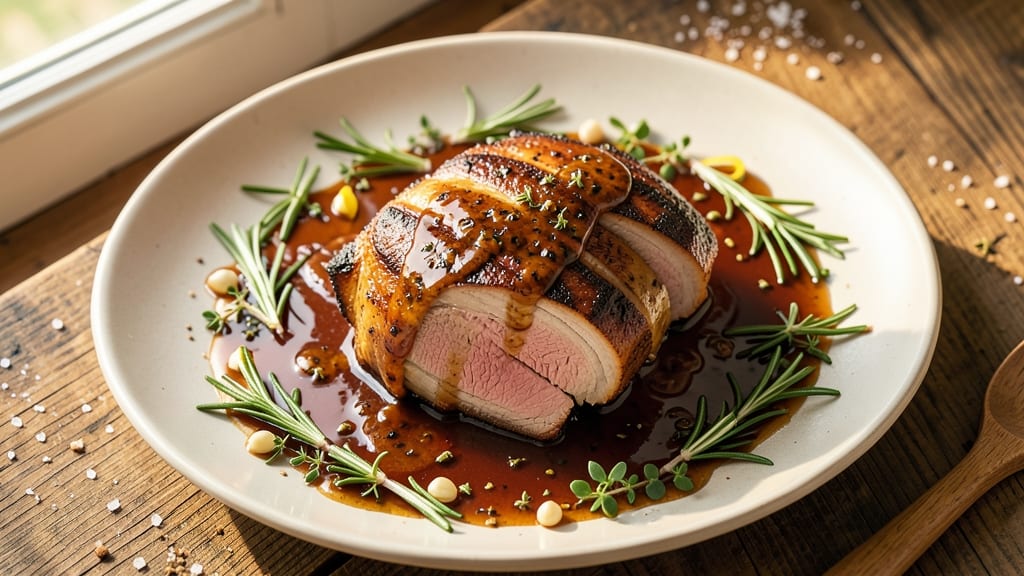
This boneless pork roast grill recipe transforms lean cuts into melt-in-your-mouth perfection in just 45 minutes. After years of perfecting grill techniques, I've cracked the code for juicy, flavorful pork that never dries out—even on hot days.
The secret lies in proper prep and temperature control, ensuring tender meat with a caramelized crust every time.
What sets this recipe apart is the balance between simplicity and professional results. You'll start with a flavorful marinade or dry rub of your choice, then use a combination of direct grilling and indirect heat to cook the pork evenly.
The key is monitoring internal temperature closely—145°F for medium—while maintaining a consistent grill temperature around 375°F.
By the time you're done, you'll have restaurant-quality pork that's juicy, tender, and packed with flavor. The crust will be beautifully caramelized, while the interior remains moist and succulent. This technique works equally well for pork loin, tenderloin, or even pre-cut roasts from your butcher.
Serve with classic grilled vegetables, a fresh herb salad, or your favorite BBQ sauce for a complete meal. The versatility of this recipe makes it perfect for weeknight dinners or weekend gatherings. Let's get grilling!
Ingredients for boneless pork roast grill
Fourteen ingredients to transform simple pork into restaurant-quality grill perfection.
| Ingredient | Amount | Notes |
|---|---|---|
| Boneless Pork Loin Roast 🥩 | 2 lb | Center-cut for best tenderness |
| Extra-Virgin Olive Oil 🫒 | ¼ cup | For basting and searing |
| Fresh Rosemary 🌿 | ¼ cup | Chopped, coarse texture preferred |
| Fresh Thyme 🌿 | ⅛ cup | Leaves only, stems removed |
| Garlic Cloves 🧄 | 6 cloves | Minced, for marinade |
| Dijon Mustard 🍯 | 1 tbsp | For depth of flavor |
| Apple Cider Vinegar 🍋 | 2 tbsp | Brightens flavors |
| Kosher Salt 🧂 | 1 ½ tbsp | Diamond Crystal preferred |
| Ground Black Pepper 🌶️ | 1 ½ tsp | Freshly cracked |
| Smoked Paprika 🌶️ | 1 tsp | For subtle smokiness |
| Honey 🍯 | 1 tbsp | For caramelization |
| Yellow Onion 🧅 | 1 whole | Thinly sliced, for garnish |
| Fresh Parsley 🌿 | ⅛ cup | Chopped, for garnish |
The pork cut is everything here. Center-cut pork loin stays juicy and holds up perfectly to grilling. I always grab mine from Whole Foods or my local butcher—they trim it just right. Look for a roast with good marbling; it’ll give you that melt-in-your-mouth texture. If you can’t find center-cut, tenderloin works too, but it’s leaner so baste it more often. For the herbs, fresh is non-negotiable—dried just won’t cut it. Rosemary and thyme from the grocery store’s produce section are fine, but if you’re feeling fancy, hit up a specialty market for organic varieties.
No fresh rosemary? Dried works at half the amount, but it lacks that piney aroma. Short on time? Swap the apple cider vinegar for red wine vinegar—same tang, different depth. The Dijon mustard adds richness, but if you’re out, whole-grain mustard works too. For the honey, maple syrup is a solid substitute if you’re avoiding it. The smoked paprika gives a subtle smokiness without overpowering—if you’ve got chipotle powder, use half the amount. And if you’re grilling on a gas grill, soak wood chips in water for 30 minutes before adding them for that smoky flavor.
Prep the pork the night before if you can—pat it dry and let it sit uncovered in the fridge for at least 2 hours. This helps the seasoning stick better. Store the marinade in a sealed container in the fridge for up to 24 hours. The roast itself keeps raw in the fridge for 3 days if sealed well. Once grilled, it reheats beautifully—just slice it against the grain and warm it in a skillet with a splash of broth for 2-3 minutes. Leftovers? Store in an airtight container for 4 days or freeze for 3 months. Trust me, it tastes even better the next day.
Why You'll Love This Recipe
- No-Carve Hassle: I swear by this recipe because you skip the butchering—no trimming, no tying. Just rub that pork loin with olive oil, crushed garlic, and fresh herbs, then slap it on the grill. My hands stay clean, and the meat still gets that perfect crust.
- Herb-Infused Magic: That combo of rosemary and thyme? It’s like a flavor hug for your pork. The garlic cloves roasted right into the oil give it this deep, savory punch—every bite tastes like a little vacation. (Yes, even on a Tuesday night.)
- Leftovers That Shine: Cook once, eat twice (or three times). Slice the roast thin for sandwiches the next day, or toss chunks into salads—it stays juicy and delicious. Honestly, I make extra just for this reason.
- Grill Master’s Secret: Budget-friendly but feels fancy. A single pork loin feeds four, and the ingredients cost less than takeout. Plus, it’s ready in under an hour—no one has to wait while you fuss over a complicated meal.
Step-by-step instructions for grilled boneless pork roast
Transform your pork roast into a juicy, flavorful grill masterpiece in under an hour.
Create the Herb Marinade
In a medium bowl, combine the 0.25 cup extra-virgin olive oil, 0.25 cup chopped fresh rosemary, 0.125 cup fresh thyme leaves, 6 minced garlic cloves, 1 tbsp Dijon mustard, 2 tbsp apple cider vinegar, 1 tbsp honey, 1.5 tbsp kosher salt, 1.5 tsp ground black pepper, and 1 tsp smoked paprika. Whisk vigorously until fully emulsified—you should see the oil and vinegar blend into a smooth, aromatic paste.
This marinade does double duty: tenderizing the meat while infusing it with layers of flavor. The acidity from the vinegar and honey creates a perfect balance that keeps the pork moist during grilling. Let it sit at room temperature for 10 minutes to allow the flavors to meld before using.
Coat and Rest the Pork
Pat the 2 lb boneless pork loin roast dry with paper towels, removing any excess moisture from the surface. This step is crucial—wet surfaces prevent proper searing. Spread the marinade evenly over all sides of the pork, pressing it into the meat so it adheres well. Let it rest uncovered in the refrigerator for 1 hour (or up to 4 hours for deeper flavor penetration).
During this time, the marinade will penetrate the meat, creating a flavorful crust while the pork comes to a consistent temperature. This resting period also allows the pork to relax, preventing it from shrinking dramatically on the grill. I like to place the pork on a wire rack set over a baking sheet to catch any drippings.
Preheat and Sear the Pork
Preheat your grill to medium-high heat (about 400°F), ensuring you have good heat control for indirect cooking. Clean and oil the grates thoroughly to prevent sticking. Place the marinated pork loin on the grill and sear for 5-6 minutes per side, turning once, until you develop a deep golden-brown crust. You'll know it's ready when the pork releases easily from the grates.
Here's where the magic happens—the Maillard reaction creates that irresistible caramelized flavor. Don't rush this step; patience ensures a perfect sear. If your grill has hot spots, rotate the pork occasionally to prevent over-browning in certain areas.
Move to Indirect Heat and Finish Cooking
Move the pork to the cooler side of the grill (indirect heat) and close the lid. Maintain a temperature of 350°F and cook for 15-20 minutes, or until the internal temperature reaches 145°F when measured with a meat thermometer. Insert the probe into the thickest part of the pork, avoiding the bone if present.
The key here is maintaining even heat without drying out the pork. If the temperature drops significantly, simply move the pork closer to the heat source. The internal temperature will rise 5°F during resting, so pull it out just before it reaches 145°F to ensure perfect doneness.
Rest and Garnish
Transfer the pork to a cutting board and tent loosely with aluminum foil. Let it rest for 10-15 minutes—this crucial step allows the juices to redistribute throughout the meat, ensuring each bite is moist and flavorful. During this time, thinly slice the 1 whole yellow onion and chop the 0.125 cup fresh parsley for garnish.
Slice the pork against the grain into ½-inch thick medallions and arrange on a platter. Drizzle with any accumulated pan juices from the grill, then sprinkle with the sliced onion and chopped parsley. Serve immediately with your favorite grill sides—this pork is at its juiciest right out of the grill!
Pro Tips For Making Boneless Pork Roast Grill
- SEAR FIRST, THEN GRILL: I used to throw the pork straight on the grill and wonder why it stayed bland inside. Instead, sear it in a hot cast-iron skillet with olive oil for 3-4 minutes per side before transferring—this locks in juices and builds flavor faster than any marinade.
- CHOP HERBS FINE: Fresh rosemary and thyme are great, but if you leave them whole, you’re just decorating. Roughly chop them and smash the garlic cloves slightly with the flat of your knife—this releases oils and aromatics that actually penetrate the meat.
- DON’T SKIP THE REST: Cutting into pork roast right after grilling is a rookie move. Let it sit under foil for 5-10 minutes—this lets the juices redistribute. I learned this the hard way after serving dry slices that tasted like overcooked chicken.
- USE A MEAT THERMOMETER: Guessing doneness with pork is how you end up with either rubbery or undercooked meat. Aim for 145°F internal temp (160°F if you prefer well-done). The grill’s heat varies—trust the thermometer, not the clock.
Serving suggestions for leftovers
Classic Grill Sides
Nothing complements grilled pork like classic grill sides that soak up those juices. I love serving grilled asparagus with a squeeze of lemon and a sprinkle of fresh parmesan—it’s simple, elegant, and pairs perfectly with the herby notes in the pork.
For a heartier option, try grilled corn on the cob slathered with garlic butter and a pinch of smoked salt. Both sides take just 10-15 minutes on the grill and elevate the whole meal. 🌿
Fresh Herb Salad
A crisp arugula salad with shaved fennel, cherry tomatoes, and a light balsamic vinaigrette cuts through the richness of the pork beautifully. I toss in toasted pine nuts for crunch and a handful of shredded radicchio for a peppery kick.
The acidity in the dressing balances the smoky, herby flavors of the pork, making every bite refreshing. Serve it chilled right out of the fridge. ✨
BBQ Sauce Slather
For a crowd-pleaser, set out a homemade BBQ sauce (or your favorite store-bought like Stark’s Kansas City) for guests to drizzle over their slices. I like to add a touch of honey and apple cider vinegar to my sauce for extra depth.
A smoky, tangy sauce like Texas Pete or a spicy chipotle glaze also works wonders. Serve it in a small bowl with a brush for easy application. 🔥
Crusty Bread Basket
A warm basket of crusty sourdough bread or baguette slices is a must for soaking up any leftover juices or sauce. Toast the bread lightly before serving so it stays fresh and crispy.
I often brush the bread with garlic-infused olive oil and sprinkle it with flaky sea salt for an extra touch of sophistication. It’s the perfect way to make the meal feel complete. 🥖
Grilled Potato Wedges
For a heartier side, try grilled potato wedges tossed in olive oil, rosemary, garlic powder, and smoked paprika. Cut them into 1-inch thick wedges, toss with oil, and grill on the same heat as the pork for 20-25 minutes, flipping once.
The crispy edges and fluffy centers make them a fantastic addition to any grill menu. Serve with a side of aioli or sour cream. 🥔
Drink Pairings
To round out the meal, I recommend a crisp white wine like Sauvignon Blanc or a light lager such as Heineken to cleanse the palate. For a non-alcoholic option, sparkling water with lemon or iced hibiscus tea adds a refreshing contrast to the rich flavors.
If you’re feeling adventurous, a smoky mezcal cocktail with lime and agave syrup can add a fun twist. 🍷
Nutrition facts
Frequently asked questions
Can I use pork tenderloin instead of pork loin for this recipe?
Pork tenderloin works beautifully—it's even leaner than loin, so baste it with extra marinade every 5 minutes to prevent drying out. Since it's smaller, reduce cooking time to 10-12 minutes on indirect heat, aiming for 145°F internal temp. The herb marinade will keep it juicy while adding fantastic flavor.
What's the best way to keep my grill temperature steady?
For consistent heat, use a two-zone fire—pile coals or gas burners on one side for direct heat, leaving the other side empty for indirect cooking. Keep the lid closed to trap heat, and avoid opening it frequently. For gas grills, use half the burners on low-medium. A good grill thermometer helps monitor temps accurately.
How do I know when the pork is done without overcooking?
Use a meat thermometer—pork is safe at 145°F internal temperature. Insert the probe into the thickest part, avoiding bone. The temperature will rise 5°F during resting, so pull it out just before it hits 145°F. If you don't have a thermometer, cut into the thickest part—juices should run clear, not pink.
Can I grill this pork in a smoker instead?
Yes! Set your smoker to 225°F with indirect heat. Add wood chips (hickory or apple works well) for 3-4 hours until internal temp reaches 145°F. The low-and-slow method gives amazing smoke flavor. For extra tenderness, wrap the pork in butcher paper during the last 30 minutes of cooking.
What if my pork comes out dry?
Dry pork usually means it was overcooked or lacked moisture. Next time, try brining the pork for 1 hour in a saltwater solution (1 cup salt per gallon of water) before marinating. Also, baste frequently with marinade or broth during cooking. For leftovers, slice thinly and reheat quickly in a skillet with a splash of broth.