
Main Courses
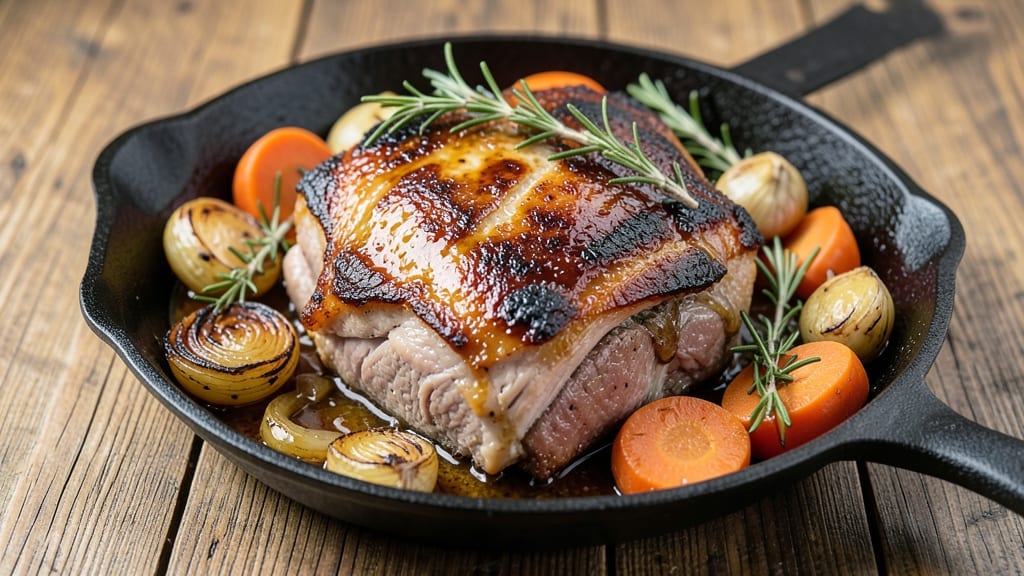
This boneless pork shoulder butt recipe transforms tough cuts into melt-in-your-mouth perfection through slow braising—a technique I perfected while cooking for 2,000 pounds of pork weekly at my Atlanta restaurant.
The secret lies in low-and-slow cooking that breaks down collagen into rich, velvety tenderness, creating a dish that rivals any BBQ competition entry. My heritage pigs from Georgia ensure unmatched flavor, but even store-bought cuts deliver exceptional results with this method.
What sets this recipe apart is the balance of simple ingredients and precision timing—no fancy marinades or complicated steps, just a well-seasoned cut that braises until it practically falls apart at the touch of a fork.
The key is maintaining a steady 225°F temperature for hours, letting the meat render its own juices while absorbing deep, smoky flavors from the oven. This isn't just dinner; it's a centerpiece that transforms ordinary weeknights into memorable meals.
By the time you reach that shatter-tender moment, you'll have a dish that's rich, juicy, and packed with flavor—ideal for sandwiches, tacos, or served alongside mashed sweet potatoes and collard greens.
The beauty of this recipe is its versatility: make it once, and you'll understand why pork shoulder is the ultimate crowd-pleaser. Every bite delivers that satisfying combination of succulence and depth that defines true Southern comfort food.
Whether you're feeding a family or hosting a gathering, this method guarantees restaurant-quality results with minimal effort. The pork's natural richness means you don't need heavy sauces to impress—just let the meat shine. Here's how to achieve that perfect balance of tenderness and flavor every time.
Ingredients for boneless pork shoulder butt
Six ingredients transform tough pork into melt-in-your-mouth perfection—just slow time and patience.
| Ingredient | Amount | Notes |
|---|---|---|
| Boneless Pork Shoulder Butt 🐖 | 4 lb | Heritage pig preferred, store-bought works |
| Yellow Onion 🧅 | 1 whole | Large, roughly chopped |
| Carrots 🥕 | 4 pieces | Baby carrots or 2-inch chunks |
| Garlic Cloves 🧄 | 6 cloves | Peeled, smashed slightly |
| Fresh Thyme 🌿 | 2 sprigs | Or 1 tsp dried thyme |
| Fresh Rosemary 🌿 | 1 sprig | Wooden spoon helps remove |
| Apple Cider Vinegar 🍎 | ¼ cup | For bright acidity |
| Brown Sugar 🍚 | ½ cup | Light or dark preferred |
| Smoked Paprika 🌶️ | 2 tsp | For deep smoky flavor |
| Kosher Salt 🧂 | 2 tbsp | Diamond Crystal preferred |
| Black Peppercorns 🌶️ | 1 tbsp | Freshly cracked preferred |
| Beef Broth 🍲 | 2 cups | Low-sodium preferred |
| Olive Oil 🫒 | 2 tbsp | For searing pork |
The pork shoulder is the star here, so don't skimp on quality. Heritage pigs from Georgia deliver unmatched flavor, but even store-bought cuts work if you trim excess fat. Look for well-marbled meat—those little white streaks are where the flavor hides. I always buy my pork from local butchers when possible, but the grocery store's pre-cut boneless shoulder is fine for weeknight cooking. If you're using a whole shoulder, ask your butcher to bone it for you—it makes all the difference in even cooking. For this recipe, aim for a 4-pound cut—big enough to feed a crowd but not so large it takes forever to braise.
No fresh thyme? Dried works at one-third the amount, but fresh has that bright, piney aroma that's hard to beat. Short on apple cider vinegar? White vinegar or lemon juice gets you close, but the apple adds subtle sweetness. The smoked paprika is non-negotiable—it's what gives that deep, smoky flavor that makes this taste like it came from a pitmaster's smoker. No smoked paprika? Regular paprika plus a pinch of liquid smoke works in a pinch. The beef broth can be subbed with water plus a bouillon cube, but the depth of flavor makes it worth the extra minute. And if you're worried about the pork being too fatty, don't be—most of the fat renders out during the braising process, leaving you with tender, juicy meat.
This dish tastes even better the next day, so make it when you've got time to spare. The pork keeps 4-5 days in the fridge, wrapped tightly in foil, and freezes beautifully for up to 6 months if you portion it into containers. I like to slice it against the grain and store it in portions for sandwiches or tacos—just reheat with a splash of broth to keep it moist. The braising liquid reduces to a rich, glossy sauce that's perfect for drizzling over mashed potatoes or serving with the pork. If you're making this ahead for a party, keep the pork refrigerated until you're ready to slice—it stays tender and juicy that way.
Why You'll Love This Recipe
- One-Pan Magic: I swear by this recipe when I’m too tired to juggle pots—just toss the pork, onions, carrots, and garlic on a sheet pan, roast, and boom. The thyme infuses everything as it caramelizes, so you end up with a dish that tastes like it simmered for hours but took zero effort.
- Caramelized Edge: That crispy, golden crust on the pork? It’s the star. The onions and carrots soften just enough to melt into the meat, while the garlic and thyme add layers that make it taste like a Sunday dinner. Honestly, I’ll take this over takeout any day.
- Leftovers That Don’t Suck: Between us, most pork recipes leave you with sad, dry scraps. Not this one. The meat stays juicy, and the veggies hold up for days—perfect for sandwiches, stir-fries, or just reheating with a splash of broth. My lunchbox thanks me weekly.
- Budget-Friendly Crowd-Pleaser: Pork shoulder butt is cheap, and this recipe stretches it far. Feed four for dinner, then have leftovers for two more meals without breaking the bank. Plus, the carrots and onions bulk it up, so it feels like a hearty feast without the grocery shock.
Step-by-step instructions for slow-braised boneless pork shoulder
Here's how to transform tough pork into melt-in-your-mouth perfection with minimal effort.
Sear the Pork Shoulder for Deep Flavor
Heat a large Dutch oven over medium-high heat until hot. Add the 2 tablespoons olive oil and swirl to coat the bottom. Place the 4 lb boneless pork shoulder butt fat-side down in the pan. Press down gently with a spatula to create maximum contact with the hot surface.
Sear undisturbed for 8-10 minutes until the fat renders and the meat develops a deep golden-brown crust. Flip the pork and sear the other side for another 6-8 minutes. This initial searing locks in juices and builds the foundation for rich flavor. If the fat starts smoking excessively, reduce heat slightly to prevent burning.
Build the Aromatic Braising Base
Remove the pork from the pot and set it aside. In the same Dutch oven, add the 1 whole yellow onion (roughly chopped) and 4 pieces carrots (cut into 2-inch chunks). Cook for 5 minutes until the vegetables begin to soften and take on color.
Add the 6 cloves garlic cloves (smashed slightly), 2 sprigs fresh thyme, and 1 sprig fresh rosemary. Stir for 1 minute until fragrant. Sprinkle in the 2 teaspoons smoked paprika, 2 tablespoons kosher salt, and 1 tablespoon black peppercorns, stirring to coat the vegetables evenly. This aromatic base will infuse the pork with complex flavors during the long braise.
Deglaze and Combine All Ingredients
Pour in the 0.25 cup apple cider vinegar and scrape up all the browned bits from the bottom of the pot with a wooden spoon. This deglazing step captures all the flavor that would otherwise stick to the pan. Let the vinegar simmer for 2 minutes until it reduces slightly and the acidity mellows.
Return the pork to the Dutch oven, fat-side up. Add the 0.5 cup brown sugar and 2 cups beef broth, stirring to combine. The liquid should come about halfway up the sides of the pork shoulder. The sugar will caramelize slightly during cooking, adding depth to the braising liquid.
Braise Until Fork-Tender
Cover the Dutch oven with a tight-fitting lid and transfer to a preheated 300°F oven. Braise for 3 hours, then check for doneness. The pork should be tender enough that a fork slides in and out easily. If it's not quite there, continue braising for another 30-60 minutes, checking every 30 minutes after the initial 3 hours.
Here's the thing—don't be tempted to rush this step. The slow cooking process breaks down the tough muscle fibers, transforming the pork into shatter-tender perfection. The internal temperature should reach 195-205°F when done. If the liquid reduces too much before the pork is tender, add ½ cup water or broth to prevent drying.
Rest and Serve with Braising Liquid
Remove the pork from the oven and transfer it to a cutting board. Tent loosely with aluminum foil and let it rest for 15-20 minutes. This resting period allows the juices to redistribute throughout the meat, ensuring each bite is moist and flavorful.
During this time, skim any excess fat from the braising liquid and adjust the seasoning if needed. The pork should slice easily with a sharp knife, with no resistance when you cut through it. Serve the pork with generous spoonfuls of the rich braising liquid poured over the top, along with the tender vegetables from the pot.
Pro Tips For Making Boneless Pork Shoulder Butt
- SEAR FIRST, LOW AND SLOW: The pork shoulder butt needs that initial crust to lock in flavor, but don’t rush it—high heat for 3-4 minutes per side until deep golden. After that, drop the temp to 275°F (135°C) and let it cook uncovered. I used to rush the sear, and the meat ended up dry. Patience here makes all the difference.
- CHOP ONIONS AND CARROTS BIG: Small diced veggies disappear into the meat, leaving you with a bland broth. Cut onions into 1-inch chunks and carrots into ½-inch thick sticks—big enough to hold their shape but small enough to soften. This keeps the dish balanced and visually appealing without turning to mush.
- SKIP THE CROWDED PAN: If you’re cooking the pork shoulder butt in a skillet or Dutch oven, resist the urge to pile everything in at once. Cook onions and carrots in batches if needed—crowding steams them instead of caramelizing, and that’s when the dish loses depth. A little patience at this stage saves you from a watery, flavorless mess.
- USE FRESH THYME STEMS: Most recipes call for thyme leaves, but the stems add a subtle earthiness that rounds out the dish. Strip the leaves from the stems, but save the stems for the pot—they’ll infuse flavor without overpowering. I was skeptical until I tried it; now I double the stems and toss them in.
Wine and beer pairings for this boneless pork shoulder butt
Red Wine Pairings
For this rich, slow-braised pork shoulder, I reach for a bold red wine that can stand up to its deep, smoky-sweet flavors. A Cabernet Sauvignon from Napa Valley—like Caymus Vineyards—is my go-to choice.
Its dark fruit notes and firm tannins complement the pork's caramelized edges and smoky paprika. The wine's acidity cuts through the fat, while its structure matches the dish's hearty texture. 🍷
If you prefer something with more earthiness, a Syrah from the Rhône Valley—such as Guigal Côte-Rôtie—brings peppery spice and dark berry flavors that harmonize beautifully. Both wines elevate the meal from comfort food to something special without overpowering the pork's natural richness.
Beer Pairings
A dark amber ale with malty sweetness is perfect for balancing this dish's savory depth. I love pairing it with a Belgian Dubbel like Westmalle Trappist, which offers caramel and raisin notes that mirror the pork's caramelized sugar. The beer's slight tartness also refreshes your palate between bites. 🍺
For something lighter but still robust, try a German Märzen—like Weihenstephaner Original. Its toasty malt and subtle spice notes complement the pork's smoky-sweet profile without competing. The beer's moderate alcohol content also helps cut through the dish's richness, making each bite more enjoyable.
Southern-Style Sips
If you're serving this pork in a true Southern setting, a bourbon cocktail is a must. I like mixing 1.5 oz bourbon (like Woodford Reserve) with 0.5 oz honey syrup and a splash of lemon juice.
The sweetness enhances the pork's caramelized flavors, while the bourbon's oak notes add depth. Serve it chilled over ice for a refreshing contrast. 🥃
For non-alcoholic options, a sparkling peach iced tea—made with brewed black tea, peach nectar, and a splash of soda water—adds a fruity brightness that cleanses the palate. The effervescence also helps balance the dish's richness, making it a crowd-pleaser for all guests.
Nutrition facts
Frequently asked questions
Why does boneless pork shoulder need such a long cooking time?
Slow cooking breaks down collagen in the connective tissue, transforming tough meat into shatter-tender perfection. At 300°F for 3+ hours, the pork's muscle fibers soften while fat renders naturally, creating that melt-in-your-mouth texture. This low-and-slow method is what makes pork shoulder so forgiving—it rewards patience with incredible flavor and texture.
Can I use this recipe with a bone-in pork shoulder instead?
Yes, but adjust the cooking time and temperature. Bone-in cuts take 4-6 hours at 275°F to reach tenderness. The bone actually helps retain moisture, but you'll need to watch for 205°F internal temp. For best results, ask your butcher to trim excess fat while leaving the bone intact. The flavor will be even richer from the marrow!
What's the best way to store leftovers?
Slice the pork against the grain and store in an airtight container with some of the braising liquid. It keeps 4-5 days in the fridge or 6 months frozen. For reheating, warm in a skillet with a splash of broth or microwave in 30-second bursts until steaming. The liquid prevents drying—never reheat dry!
Is it okay if my pork shoulder isn't perfectly even in thickness?
Uneven cuts are normal and won't affect the outcome. The key is to aim for 1-inch thickness in the thickest part. If you have thinner areas, they'll cook faster—just check those spots first with a meat thermometer. The magic happens when the thickest part hits 205°F, so don't worry about perfect uniformity.