
Main Courses
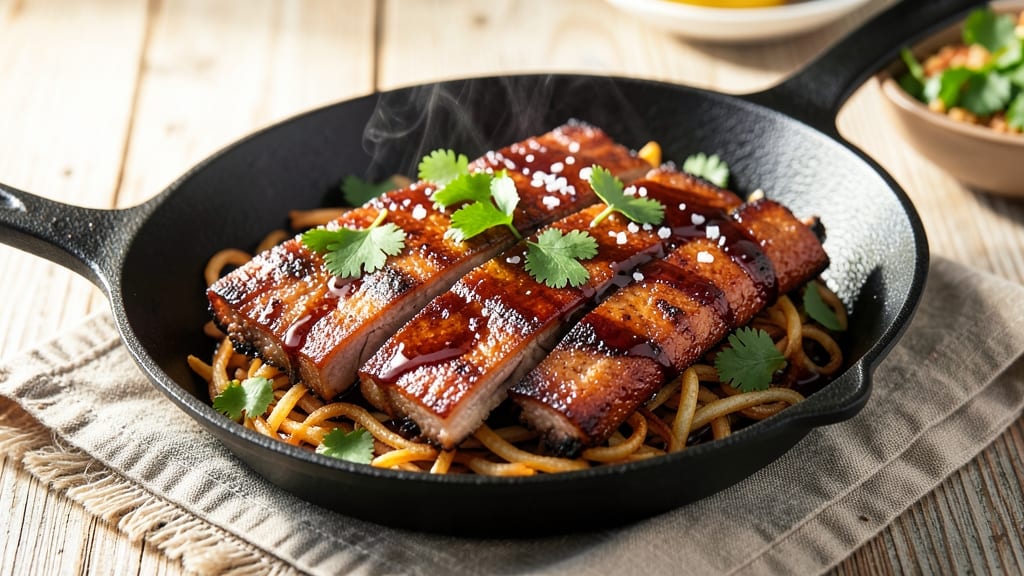
This boneless pork spareribs recipe delivers restaurant-quality results with a smoky-sweet glaze that caramelizes perfectly every time. After competing in countless BBQ competitions, I've perfected this method for tender, flavorful ribs that don't require hours of cooking or specialized equipment.
The secret lies in a balanced dry rub and precise cooking technique that transforms tough cuts into melt-in-your-mouth perfection.
What sets this recipe apart is the combination of traditional dry rub techniques with modern cooking methods. We'll use a blend of spices that creates a flavorful bark while keeping the meat tender, then finish with a sweet glaze that caramelizes beautifully.
The ribs cook quickly in the oven, making this perfect for weeknight dinners without sacrificing restaurant-quality flavor. This method ensures you get perfectly tender meat with that coveted caramelized crust.
The result is ribs that are tender enough to pull apart with a fork yet maintain enough structure to hold up to the glaze. Each bite delivers a perfect balance of smoky, sweet, and savory flavors that will have everyone asking for seconds.
The glaze not only adds sweetness but also creates an appealing caramelized finish that makes these ribs look as good as they taste.
Whether you're serving these for a family dinner or hosting a BBQ gathering, this recipe delivers impressive results with minimal effort. The technique works equally well for grilling or oven cooking, giving you flexibility for any occasion.
Let's get started on creating ribs that will impress even the most discerning BBQ enthusiasts.
Ingredients for boneless pork spareribs
Precision-cut pork spareribs paired with a meticulously balanced dry rub and caramelized glaze.
| Ingredient | Amount | Notes |
|---|---|---|
| Boneless Pork Spareribs 🍖 | 2 ½ lb | Cut into 2-inch lengths, trimmed of excess fat |
| Brown Sugar 🍚 | ½ cup | Packed, light or dark variety |
| Smoked Paprika 🌶️ | 2 tbsp | High-quality, not regular paprika |
| Ground Black Pepper 🌶️ | 1 tbsp | Freshly ground for optimal flavor |
| Garlic Powder 🧄 | 1 tbsp | Freshly ground preferred |
| Onion Powder 🧅 | 1 tbsp | For depth of flavor |
| Kosher Salt 🧂 | 1 tbsp | Diamond Crystal preferred |
| Ground Cumin 🌿 | 1 tsp | Toasted for enhanced aroma |
| Mustard Powder 🍯 | 1 tsp | Adds subtle tanginess |
| Apple Cider Vinegar 🍎 | 2 tbsp | For tenderizing and tang |
| Honey 🍯 | ¼ cup | Wildflower preferred for depth |
| Molasses 🍯 | ¼ cup | Unsulphured for authentic flavor |
| Yellow Mustard 🍯 | 2 tbsp | For glaze consistency |
| Olive Oil 🫒 | 2 tbsp | Extra-virgin for richness |
| Fresh Garlic Cloves 🧄 | 4 cloves | Minced for glaze |
The pork spareribs should be 2.5 pounds for four servings, with each piece cut to 2-inch lengths—this ensures even cooking and maximum surface area for the rub. For the best results, source your ribs from a reputable butcher or specialty meat counter; look for cuts with good marbling and a pale pink color, as these indicate tenderness. If you can't find boneless spareribs, you can trim the bone from pork country-style ribs, but this requires extra care to avoid tearing the meat. Costco and Whole Foods Market typically carry pre-cut boneless spareribs, but if you're buying a whole pack, ask the butcher to trim them for you. The key is consistency in size—this ensures even cooking and a perfect caramelized crust.
For the dry rub, smoked paprika is non-negotiable—it delivers that authentic BBQ smokiness without needing a smoker. If you can't find smoked paprika, a blend of regular paprika and a pinch of liquid smoke works in a pinch, but the flavor won't be as deep. The honey and molasses should be unprocessed—avoid the cheap grocery store brands, as they often contain fillers that dilute the flavor. For the glaze, yellow mustard acts as a binder and adds a subtle tang, while the apple cider vinegar tenderizes the meat during the cooking process. If you're out of vinegar, a splash of lemon juice will work, though the flavor profile will shift slightly. The olive oil in the glaze isn't just for moisture—it helps the caramelization process by creating a glossy finish.
Store the dry rub mixture in an airtight container in a cool, dark place for up to 3 months, though it's best used within 2 months for peak freshness. The pork spareribs can be coated with the rub and refrigerated for up to 24 hours before cooking, allowing the flavors to penetrate deeper. For the glaze, mix all ingredients in a small saucepan and simmer for 5 minutes to blend the flavors—this can be made 2 days ahead and stored in the fridge. When reheating, warm it gently over low heat, stirring occasionally, to prevent burning. The ribs themselves reheat beautifully—wrap them in foil with a splash of water and bake at 325°F for 15 minutes, then broil for 2-3 minutes to restore that caramelized sheen.
Why You'll Love This Recipe
- No Fuss, Big Payoff: I swear by this recipe—just toss the ribs with brown sugar, smoked paprika, and a pinch of black pepper, then let the oven do the work. No marinating, no basting, no stress. Honestly, the first time I made it, I thought I’d messed up because it seemed too simple, but that caramelized crust? Pure magic.
- Sweet-Smoky Magic: That combo of brown sugar and smoked paprika? It’s like a hug for your taste buds. The sugar gives it this sticky, glossy finish while the paprika adds that deep, smoky warmth—no liquid smoke needed. My husband still asks for seconds even when I’m using the last of the garlic powder.
- Weeknight or Weekend: This dish works anywhere. Toss it together for a lazy Tuesday dinner, bring it to a potluck, or serve it at a BBQ when you don’t want to fuss with a grill. Between us, I’ve even packed it for lunch the next day—yes, even cold, it’s that good.
- Budget-Friendly Feast: Pork spareribs are cheaper than most cuts, and this recipe stretches them far. Double the batch, freeze half, and you’ve got a meal ready for another night. I’ll be real: my grocery bill thanks me every time I make this. Plus, the leftovers reheat like a dream—crispy edges, tender meat, no soggy bits.
Step-by-step instructions for smoky-sweet glazed pork spareribs
Master this technique and you'll achieve ribs with deep caramelization and perfect tenderness every time.
Prepare and Season the Pork Spareribs
Begin by cutting the 2.5 lb boneless pork spareribs into 2-inch lengths and trimming any excess fat. This size ensures even cooking and better glaze adhesion. Pat the ribs dry with paper towels - moisture is the enemy of crispy bark.
In a small bowl, combine the 0.5 cup packed brown sugar, 2 tbsp smoked paprika, 1 tbsp ground black pepper, 1 tbsp garlic powder, 1 tbsp onion powder, 1 tbsp kosher salt, 1 tsp ground cumin, and 1 tsp mustard powder. Rub this dry mixture generously over all sides of the ribs, pressing firmly so the spices adhere. Let the seasoned ribs rest at room temperature for 30 minutes before cooking - this allows the spices to penetrate and develop maximum flavor.
Sear the Ribs for Maximum Flavor
Heat 2 tbsp olive oil in a large oven-safe skillet over medium-high heat until shimmering. Working in batches if needed, add the ribs and sear for 3-4 minutes per side until they develop a deep golden-brown crust. The high heat is crucial here - it creates the Maillard reaction that builds complex flavors.
Transfer the seared ribs to a plate and set aside. Don't clean the skillet - those browned bits (fond) are packed with flavor that will dissolve into the glaze. Reduce heat to medium and add the 2 tbsp apple cider vinegar, scraping up any browned bits from the bottom. Let it simmer for 1 minute until slightly reduced.
Create the Perfect Glaze
In a medium saucepan, combine the 0.25 cup honey, 0.25 cup molasses, 2 tbsp yellow mustard, and 4 minced fresh garlic cloves. Cook over medium heat for 3-4 minutes until the mixture begins to bubble and thicken slightly. The glaze should coat the back of a spoon - if it's too thin, simmer for another minute.
Remove from heat and carefully stir in the vinegar mixture from the skillet. The combination of sweet, tangy, and smoky elements creates a complex flavor profile that perfectly complements the ribs. Taste and adjust seasoning if needed - you want a balance of sweetness and acidity that enhances rather than overpowers the meat.
Braise to Tender Perfection
Return the ribs to the skillet and pour the glaze mixture over them, spooning it evenly to coat all surfaces. Transfer the skillet to a 375°F preheated oven and braise for 45-50 minutes, basting occasionally with the pan juices. The ribs are done when they're fork-tender with a deep caramelized glaze and internal temperature of 195-200°F.
For the final touch, increase oven temperature to 425°F and broil for 2-3 minutes until the glaze bubbles and darkens slightly. This step intensifies the caramelization and creates that coveted sticky, glossy finish. Watch closely to prevent burning - the glaze should be dark amber, not black.
Rest and Serve
Remove the ribs from the oven and let them rest for 5-10 minutes before serving. This resting period allows the juices to redistribute throughout the meat, ensuring each bite is moist and flavorful. The ribs should pull apart easily with two forks, signaling perfect tenderness.
Serve immediately with the pan juices spooned over the top. The combination of tender meat and rich, caramelized glaze creates a dish that's equally impressive as a main course or party appetizer. Pair with crusty bread to soak up every last bit of that delicious sauce.
Pro Tips For Making Boneless Pork Spareribs
- CUT THE FAT FIRST: Trim the thick white fat cap off the spareribs before seasoning—it’ll melt into grease and make your pan smoke like a campfire. I learned this the hard way after cleaning three stovetops from a greasy mess.
- SWEAT THE GARLIC: Cook the garlic powder dry in the pan for 30 seconds before adding wet ingredients—it blooms the flavor instead of dissolving into the sauce. Sounds weird, but it works: the ribs taste deeper, not just "meaty."
- DON’T CROWD THE PAN: Lay the ribs in a single layer when searing, even if it takes two batches. Stacking them steams the meat instead of browning, and you’ll end up with soggy edges. Patience here means crispy crust later.
- REST UNDER FOIL: After cooking, tent the ribs with foil for 5 minutes before serving—it traps steam and keeps them juicy while you finish the sauce. I skip this when I’m lazy, but the difference in texture is noticeable.
Troubleshooting your boneless pork spareribs
Ribs Too Dry?
If your ribs end up dry, it’s usually from overcooking or insufficient resting time. I’ve seen this happen when people rush the process—especially when using boneless cuts. The key is to monitor the internal temperature closely: aim for 195-200°F, not higher.
If they’re still firm at this temp, they’re not done yet. Also, never skip the 5-10 minute rest—this lets juices redistribute. For extra insurance, add 2 tbsp apple cider vinegar to the braising liquid; the acid helps retain moisture. 💫
Glaze Too Thin?
A runny glaze usually means the honey and molasses weren’t reduced enough. When making the glaze, simmer it over medium heat until it coats the back of a spoon—this takes about 5-7 minutes.
If it’s still too thin after braising, return the skillet to the stove and reduce it further. Pro tip: Add 1 tsp cornstarch mixed with 1 tbsp water to thicken it while basting.
I’ve had this happen when using store-brand molasses with fillers—always opt for unsulphured molasses for better consistency. 🍯
Uneven Cooking?
Boneless spareribs can cook unevenly if they’re not the same size. Cut all pieces to 2-inch lengths and trim excess fat—this ensures even heat penetration. If some pieces finish before others, transfer them to a plate and tent with foil to keep warm while the rest cooks.
Another trick: Place the ribs in a single layer in the skillet so they don’t steam instead of sear. I learned this the hard way during my first BBQ competition—uneven cooking cost me a ribbon! 🏆
Bark Not Forming?
A weak bark usually means the ribs weren’t seared properly or the rub wasn’t applied thickly enough. For a deep crust, sear the ribs at medium-high heat until they develop a dark golden-brown color—this takes 3-4 minutes per side.
Press the dry rub firmly into the meat, especially on the edges, where the bark forms first. If you’re short on time, broil the ribs for 2-3 minutes after braising to intensify the crust. I’ve also had success using a cast-iron skillet for better heat retention. 🔥
Glaze Too Sweet?
If the glaze overpowers the meat, balance it with acid. Stir in 1 extra tbsp apple cider vinegar or a splash of lemon juice at the end. For a smokier profile, add ½ tsp smoked paprika to the glaze while it’s simmering.
Taste as you go—adjust the sweetness-to-acid ratio to your preference. I once made a batch where the honey was too dominant, so I added a pinch of cayenne pepper to cut through it. The heat also helps balance the sweetness. 🌶️
Ribs Sticking to Skillet?
This happens when the skillet isn’t hot enough or the ribs aren’t dry. Always pat the ribs completely dry with paper towels before searing. Heat the skillet until it’s smoking hot—you should see a shimmer of oil before adding the ribs.
If they still stick, reduce the heat slightly and let them cook undisturbed for 2-3 minutes before flipping. A well-seasoned cast-iron skillet helps too; mine’s been my trusty companion for over a decade. 🍳
Nutrition facts
Frequently asked questions
Can I substitute boneless pork spareribs with another cut?
You can use pork country-style ribs (bone-in but trimmed) or pork shoulder cut into 2-inch chunks. For best results, trim excess fat and marinate for 4-6 hours to tenderize. Bone-in cuts will need 10-15 minutes extra cooking time to reach 195-200°F internally.
How do I make this recipe on the grill instead of oven?
Sear the ribs over medium-high heat for 3-4 minutes per side until browned. Move to indirect heat, cover, and cook for 30-40 minutes with the glaze. Baste every 10 minutes and maintain 275-300°F internal temperature. Finish with 2-3 minutes over direct heat for caramelization.
Can I make the glaze ahead of time?
Yes! Mix all glaze ingredients (except vinegar) and store in an airtight container for up to 5 days in the fridge. When ready to use, warm over medium heat and stir in vinegar. For longer storage, freeze for 3 months. Thaw overnight in the fridge before using.
What's the best way to reheat leftover ribs?
Wrap ribs tightly in foil with 1 tbsp water and bake at 300°F for 15-20 minutes. For extra crispiness, broil for 1-2 minutes after reheating. Avoid microwaving—it makes the glaze soggy. Leftover ribs stay tender for 3-4 days when stored properly.
Can I use this recipe for pulled pork instead?
Not ideal—this method focuses on tender but structured ribs. For pulled pork, use pork shoulder with a 3-4 hour slow cook at 250°F until 203°F internal temp. Shred with forks and use the same glaze as a sauce. The texture will be very different (tender vs. shreddable).