
Main Courses
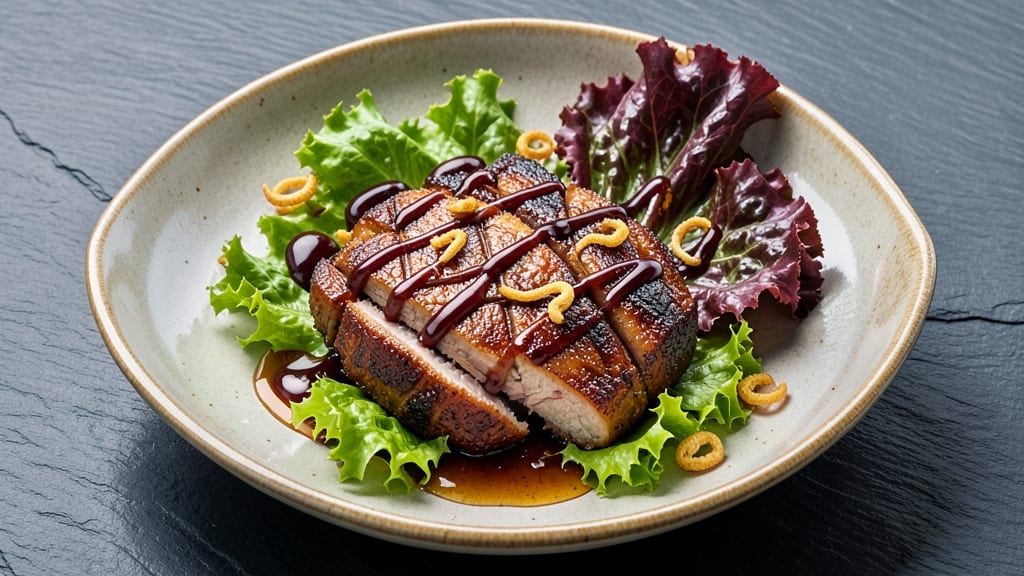
This Bossam pork belly recipe delivers the ultimate Korean street food experience with crispy, five-spice glaze-coated pork wrapped in melty fat and fresh lettuce. After perfecting this dish during my time in Charleston, I've developed a method that balances authentic technique with approachable steps for home cooks.
The secret lies in the double-frying process that creates that signature crunch while preserving the pork's rich, fatty interior.
What sets this recipe apart is the homemade ssamjang—a complex blend of fermented soybean paste, gochujang, and garlic—that transforms simple lettuce wraps into a symphony of flavors. I've simplified the process without sacrificing authenticity, using quality ingredients that make the difference between good and exceptional bossam.
The five-spice glaze adds depth that complements the pork's natural richness perfectly.
By the time you're done, you'll have restaurant-quality bossam with perfectly crispy pork edges, tender centers, and that irresistible crunch from the glaze. The ssamjang sauce will be vibrant red and packed with umami, while the lettuce wraps provide the perfect vehicle for all those delicious flavors.
This is the kind of dish that turns ordinary weeknights into special occasions.
Serve with traditional sides like kimchi and quick-pickled vegetables to complete the Korean experience. The recipe scales beautifully for parties, and leftovers reheat wonderfully—though I doubt you'll have any. Let's create this showstopper dish that's sure to impress even the most discerning food lovers.
Ingredients for bossam pork belly
Crispy pork, vibrant ssamjang, and melty fat—these ingredients create restaurant-quality bossam at home.
| Ingredient | Amount | Notes |
|---|---|---|
| Pork Belly Slab 🥓 | 2 lb | Thick-cut, skin-on preferred |
| Lettuce Leaves 🥬 | 12 whole | Butter lettuce or romaine |
| Ssamjang Sauce 🍅 | ¾ cup | Homemade or quality store-bought |
| Five-Spice Powder 🌶️ | 2 tbsp | Toasted for deeper aroma |
| Honey 🍯 | 2 tbsp | Wildflower preferred |
| Soy Sauce 🍶 | ½ cup | Korean preferred |
| Rice Vinegar 🍶 | 2 tbsp | Seasoned preferred |
| Sesame Oil 🫒 | 1 tbsp | Toasted sesame preferred |
| Garlic Cloves 🧄 | 6 cloves | Minced for glaze |
| Ginger 🌿 | 1 tbsp | Freshly grated |
| Neutral Oil 🫒 | ½ cup | Vegetable or canola |
| Salt 🧂 | 1 ½ tsp | Kosher preferred |
| Black Pepper 🌶️ | ½ tsp | Freshly ground |
| Kimchi 🥬 | 1 cup | For serving |
| Quick-Pickled Vegetables 🥕 | 1 cup | For serving |
The pork belly is the star—thick-cut, skin-on slabs from Costco or your local butcher shop work best. Look for good marbling and ask for it to be cut about 1-inch thick. If you can't find thick-cut, double-fry thinner slices to achieve that signature crunch. The ssamjang sauce is non-negotiable for authentic flavor—Hanjin or Ssamjang from the Korean market are my go-tos, but homemade works too. Fresh ginger and garlic are essential for the five-spice glaze, so don't use powdered substitutes here. Toast your five-spice powder in a dry pan for 30 seconds to deepen its aroma—trust me on this.
No ssamjang? Mix 2 tbsp gochujang, 1 tbsp fermented soybean paste (doenjang), and 1 tsp sugar for a quick substitute. Running out of sesame oil? Toast 1 tsp sesame seeds and grind them into the glaze instead. The pork belly can be prepped a day ahead—score the fat cap in a crosshatch pattern and cure it overnight in the soy sauce mixture. For the lettuce, butter lettuce or romaine works best—avoid iceberg. The quick-pickled vegetables are optional but add that perfect tangy crunch to cut through the richness of the pork.
The pork belly keeps best in the fridge for 3 days before cooking, but once fried, it's best enjoyed fresh. The ssamjang sauce stores for 1 month in the fridge, and the five-spice glaze can be made a week ahead. I always make extra glaze—it's perfect for drizzling over rice or noodles. Wrap leftovers tightly in foil to preserve that crispy texture. Reheat in a skillet over medium heat for 2-3 minutes to restore the crunch.
Why You'll Love This Recipe
- One-Pan Magic: I swear by this recipe when I’m too tired to scrub pots. The pork belly roasts right on the sheet pan with the five-spice powder and honey, while the ssamjang simmers in the same pan—zero extra dishes. Honestly, the only thing I clean is my fork.
- Craving-Worthy Crunch: That crispy, caramelized edge on the pork belly? It’s the star. The ssamjang adds this deep, tangy richness, while the honey cuts through the saltiness—like a perfect balance of sweet, spicy, and savory. My kids fight over the last piece, and I don’t even care.
- Weeknight to Party: Same ingredients, endless ways to serve it. Wrap it in lettuce for a quick lunch, pile it high for game day, or serve it as a centerpiece for dinner guests. Between us, it’s my go-to when I need something impressive but still feels like a weeknight meal.
- Leftovers That Don’t Suck: Most pork belly recipes leave you with sad, dry seconds. Not this one. The ssamjang keeps it moist, and the five-spice powder adds warmth that only gets better the next day. I prep a whole slab on Sundays and eat it all week—no complaints, just seconds.
Step-by-step instructions for bossam pork belly
Here's how to transform thick-cut pork belly into crispy, aromatic layers with a glossy five-spice honey glaze.
Cure and Score the Pork Belly
Start by scoring the pork belly in a diamond pattern with a sharp knife, cutting about ½-inch deep without piercing the fat. This creates channels for the marinade to penetrate while allowing the skin to crisp beautifully. In a small bowl, whisk together the 2 tbsp five-spice powder, 1.5 tsp salt, and 0.5 tsp black pepper.
Rub this spice mixture all over the pork belly, pressing firmly into the scored lines. Then, in a separate bowl, combine the 0.5 cup soy sauce, 2 tbsp rice vinegar, and 1 tbsp sesame oil. Pour this marinade over the pork belly, coating it completely. Cover and refrigerate for 12-24 hours, turning once halfway through. This curing process ensures tender meat and deeply flavorful layers.
Render the Fat and Crisp the Skin
Remove the pork belly from the fridge and let it sit at room temperature for 30 minutes before cooking. Preheat your oven to 425°F and place a rack in the lower third of the oven. Line a baking sheet with parchment paper and place the pork belly fat-side down on the sheet.
Transfer the baking sheet to the oven and cook for 45-50 minutes, or until the skin is deep golden brown and the fat has rendered about 75% of the way. The pork belly will look like a crispy, caramelized shield with layers of fat underneath. Flip the pork belly skin-side up and return it to the oven for another 15 minutes to crisp the other side. This two-stage cooking ensures maximum crispiness while keeping the meat tender.
Prepare the Five-Spice Honey Glaze
While the pork belly is cooking, prepare the glaze by combining the 2 tbsp honey, 6 minced garlic cloves, and 1 tbsp freshly grated ginger in a small saucepan. Heat over medium-low heat and stir until the honey becomes slightly translucent and fragrant, about 3-4 minutes. Remove from heat and stir in the 0.75 cup ssamjang sauce.
This glaze will add a sweet-savory depth to the crispy pork belly, balancing the rich fat with umami and aromatic spices. Keep the glaze warm until ready to use, as it will thicken slightly as it cools.
Assemble the Bossam
Once the pork belly is fully crispy and cooked to an internal temperature of 195-203°F (use a meat thermometer), remove it from the oven and let it rest for 10 minutes. Using kitchen shears or a sharp knife, cut the pork belly into ½-inch thick slices, keeping the layers intact.
To assemble each serving, place 3 lettuce leaves on a plate and arrange a slice of pork belly on top. Drizzle with the warm five-spice honey glaze and add ¼ cup kimchi and ¼ cup quick-pickled vegetables on the side. The contrast of crispy, melty pork belly with the refreshing pickles and tangy kimchi creates the perfect balance of textures and flavors.
Serve Immediately
Bossam is best enjoyed fresh, so serve immediately while the pork belly is still crispy and the glaze is warm. The layers of fat and meat should be tender yet firm, with a crackling skin that gives way to juicy, flavorful bites. Each mouthful delivers a symphony of textures—crispy, creamy, and chewy—all wrapped in a sweet-spicy glaze that ties everything together.
Garnish with an extra drizzle of sesame oil and a sprinkle of toasted sesame seeds for added aroma and visual appeal. The combination of the rich pork belly, vibrant kimchi, and crisp lettuce makes this dish a showstopper that's sure to impress your guests.
Pro Tips For Making Bossam Pork Belly
- CRISP THE BELLY FIRST: Cut the pork belly into 1-inch thick slices before cooking—thinner pieces crisp faster and soak up ssamjang better. I used to fight with thick slabs, but this way, you get that perfect snap every time.
- SWEAT THE FIVE-SPICE: Toast the five-spice powder in a dry pan for 30 seconds until fragrant—it deepens the flavor way more than just sprinkling it raw. I learned this the hard way after my first batch tasted flat.
- DON’T OVERMIX THE SAUCE: Stir ssamjang into the honey just before serving—mixing too early makes the sauce clump and lose its bright color. Keep it separate until the last minute for that restaurant-quality gloss.
- REST THE LETTUCE: Soak lettuce leaves in ice water for 10 minutes, then pat very dry—cold crisp leaves hold up better under the pork and sauce. Wet leaves turn soggy, and nobody wants a mushy wrap.
Best sauces and condiments for this bossam pork belly
Homemade Ssamjang
My go-to ssamjang recipe starts with ½ cup gochujang (Korean chili paste) blended with ¼ cup doenjang (fermented soybean paste) and 2 tbsp toasted sesame oil. Add 1 tbsp honey for balance and 1 tsp grated ginger for warmth.
Simmer this mixture for 5 minutes until fragrant, then let it cool before using. This homemade version has 10x more depth than store-bought—trust me, your bossam will taste like you spent hours perfecting it. 🌶️
Sweet-Spicy Glaze
The five-spice honey glaze transforms bossam from good to unforgettable. I combine 2 tbsp honey, 1 tbsp rice vinegar, and 1 tsp toasted five-spice powder in a small saucepan. Simmer until the honey caramelizes slightly (3-4 minutes), then whisk in ¼ cup ssamjang.
This glaze adds a perfect balance of sweetness and heat that cuts through the richness of the pork belly. Use it generously—it's the secret to restaurant-quality bossam at home. 🍯
Sesame Oil Finish
Don't skip the final drizzle! A light coating of toasted sesame oil right before serving adds nutty aroma and helps the glaze cling to the pork. I like to use a ½-inch wide brush to apply it evenly.
For extra flair, sprinkle with toasted sesame seeds—this adds both texture and visual appeal that makes your dish look like it came from a Seoul street stall. 🌟
Kimchi Variations
While traditional bossam uses classic napa kimchi, I often experiment with spicy cabbage kimchi or radish kimchi for different textures. For heat lovers, add 1 tsp gochugaru (Korean chili flakes) to your kimchi before serving.
The acidity helps balance the fat in the pork belly beautifully. Pro tip: Warm your kimchi slightly before serving to enhance its flavors. 🥬
Pickled Vegetable Mix
Quick-pickled vegetables add that essential tangy crunch. My favorite mix includes ½ cup julienned cucumber, ¼ cup thinly sliced carrot, and 2 tbsp rice vinegar with 1 tsp sugar. Let it sit for at least 30 minutes before serving.
For extra brightness, add 1 tsp grated daikon radish to the mix. This simple side elevates the entire dish by cutting through the richness. 🥕
Extra Sauce Options
For guests who want more sauce, set out a small bowl of ssamjang mixed with 1 tbsp water to thin it slightly. You can also offer soy-vinegar dipping sauce (mix 2 tbsp soy sauce, 1 tbsp rice vinegar, and 1 tsp sesame oil).
These options let everyone customize their bossam experience while keeping the meal cohesive. 💫
Nutrition facts
Frequently asked questions
Can I use regular pork shoulder instead of pork belly for bossam?
While pork shoulder works in a pinch, it won't give you that signature melty fat experience. The fat layers in pork belly are essential for authentic bossam texture. If you must substitute, look for pork shoulder with good marbling and cut it into thin slices (¼-inch thick) before cooking. You'll lose some of the richness, but the five-spice glaze will still make it delicious.
How do I get the pork belly extra crispy like Korean restaurants?
The secret is double-frying! After oven-roasting, transfer the pork belly to a cold skillet and fry skin-side down for 1-2 minutes until ultra-crispy. For even better results, use a mix of neutral oil (70%) and lard (30%) in the pan. This creates that coveted crackling texture while keeping the fat layers tender inside. Work quickly—crispiness fades fast!
What if I don't have ssamjang sauce?
No problem! Make a quick substitute by mixing 2 tbsp gochujang, 1 tbsp doenjang (or soy sauce), 1 tsp honey, and ½ tsp toasted sesame oil. For extra depth, add 1 minced garlic clove and ¼ tsp grated ginger. Simmer for 2 minutes until fragrant. This won't be identical, but it'll give you that essential umami-spicy kick that makes bossam special.
Can I make bossam ahead of time?
Yes, but with some adjustments. Cook the pork belly completely, then store it in the fridge for up to 3 days. Reheat in a skillet over medium heat for 2-3 minutes per side to restore crispiness. The ssamjang sauce can be made 1 month ahead, and the lettuce should be washed and dried just before serving. For the glaze, make it fresh day-of—it's best when warm and glossy.
What's the best way to serve bossam for a crowd?
Set up a DIY bossam station with these components: warm pork belly slices, ssamjang sauce, lettuce leaves, kimchi, pickled vegetables, and extra glaze. Provide small bowls for each component and let guests assemble their own wraps. For extra flair, arrange the pork belly on a large platter with the sauce in a central bowl and garnish with sesame seeds. This interactive approach makes it perfect for parties!