
Main Courses
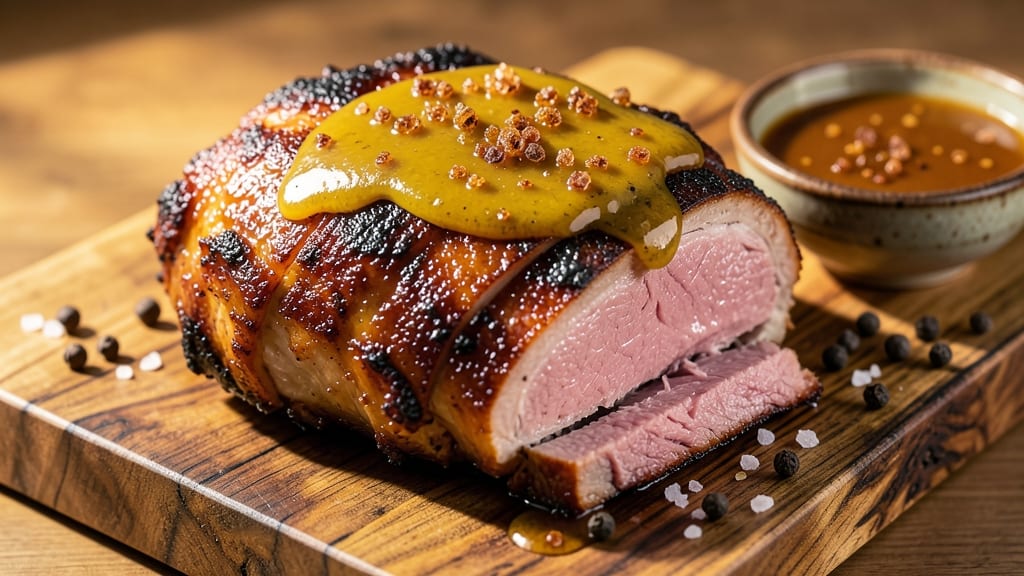
This Bradley smoker pork shoulder recipe delivers the kind of shatter-tender meat that turns heads at every BBQ competition. 🔥 After years of perfecting my technique—from my CIA training to competing on the Southeast circuit—I’ve refined the process to ensure your pork shoulder develops that coveted smoky bark while staying juicy and fall-apart tender.
The secret lies in precise temperature control, proper wood selection, and a patient approach that transforms tough cuts into something extraordinary.
What sets this recipe apart is the balance between traditional techniques and modern efficiency. We’ll use a Bradley smoker for its exceptional heat distribution, which means no cold spots or uneven cooking.
The key steps—proper trimming, strategic seasoning, and optional injection—ensure maximum flavor penetration, while the slow cook transforms connective tissue into melt-in-your-mouth richness. This isn’t just another pork shoulder; it’s a showstopper that rivals any competition-winning cut.
By the time you pull that shoulder from the smoker, you’ll have a golden, bark-covered masterpiece with an internal temperature of 203°F—where the meat practically falls apart at the touch. The crust is deep, smoky, and slightly sticky, while the interior remains juicy and tender.
This is the kind of pork that earns standing ovations, whether you’re serving it at a backyard gathering or a high-stakes BBQ competition.
The best part? The versatility. Serve it sliced thin for sandwiches, pulled for tacos, or as a whole shoulder for a centerpiece that commands attention. With this recipe, you’re not just cooking pork—you’re creating an experience. Let’s get started on crafting your next showstopper.
Ingredients for bradley smoker pork shoulder
Sixteen essential ingredients transform tough pork into competition-worthy smoky perfection.
| Ingredient | Amount | Notes |
|---|---|---|
| Pork Shoulder (Bone-In) 🍖 | 8 lb | Preferably 3-4 inches thick, trimmed of excess fat |
| Yellow Mustard 🍯 | ½ cup | For injection marinade base |
| Apple Cider Vinegar 🍏 | ½ cup | For injection marinade acidity |
| Brown Sugar 🍚 | 1 cup | Packed, for injection marinade sweetness |
| Kosher Salt 🧂 | 4 tbsp | Diamond Crystal preferred for precise measurement |
| Coarse Black Pepper 🌶️ | 2 tbsp | Freshly cracked for bark development |
| Smoked Paprika 🌶️ | 2 tbsp | For deep smoky flavor |
| Garlic Powder 🧄 | 1 tbsp | Freshly ground preferred |
| Onion Powder 🧅 | 1 tbsp | For balanced seasoning |
| Cherry Wood Chips 🌳 | 4 lb | Soaked overnight for optimal smoke |
| Hickory Wood Chips 🌳 | 2 lb | Complements cherry for balanced flavor |
| Beef Broth 🍲 | 1 cup | For spritzing during cook (optional) |
| Apple Juice 🍎 | 1 cup | For spritzing during cook (optional) |
| Butter (Unsalted) 🧈 | ½ cup | For basting at the end (optional) |
The pork shoulder is your canvas here—look for a well-marbled cut with good fat coverage for moisture. Butcher shops often have better quality than grocery stores, but if you're buying from a chain, Costco or Whole Foods carry reliable cuts. Trim excess fat to about 1/4-inch thickness to encourage bark formation without overwhelming the meat. The wood chips are non-negotiable: Traeger or Cookshack brands work best, and always soak them for 30 minutes before using. For the injection marinade, balance is key—the mustard and vinegar tenderize while the brown sugar caramelizes during cooking.
No cherry wood chips? Pecan or apple wood are excellent substitutes, but avoid fruitwoods like mesquite—they can overpower the pork. Short on time? Skip the injection and rub the seasoning dry, but you'll lose some tenderness. The beef broth spritz isn't mandatory, but it keeps the bark from becoming too dry during long cooks. For the basting butter at the end, European-style unsalted (like Plugrá) melts more cleanly than American butter. If you're cooking in cooler weather, increase the wood chips by 25% to maintain proper smoke levels—Bradley smokers handle this better than offset smokers due to their even heat distribution.
Store prepped pork in the fridge for up to 24 hours before smoking—this actually improves flavor penetration. The wood chips can be soaked and refrigerated for up to 5 days if wrapped tightly in a damp towel. Leftovers? This pork freezes beautifully for up to 3 months—portion it into meal-sized containers for easy reheating. Pro tip: Save the fat trimmings from the pork shoulder—render them down for homemade lard or add to your next batch of BBQ rub. The bark alone makes this worth the effort, so don't rush the final hour of cooking when that golden crust starts forming.
Why You'll Love This Recipe
- I’ll be real: this recipe is almost too easy. You slather on the mustard-vinegar mix, sprinkle brown sugar and salt, and let the smoker do the rest—no basting, no fuss. The bone-in cut keeps it juicy while the crust forms without babying it.
- Smokehouse Simplicity: I’ll be real: this recipe is almost too easy. You slather on the mustard-vinegar mix, sprinkle brown sugar and salt, and let the smoker do the rest—no basting, no fuss. The bone-in cut keeps it juicy while the crust forms without babying it.
- Sweet-Savory Magic: That tangy-sweet glaze? Chef’s kiss. The apple cider vinegar cuts through the richness, while the brown sugar caramelizes into a sticky, smoky crust. Honestly, the first bite makes me pause mid-chew—it’s that good.
- Leftovers for Days: This isn’t just a one-meal wonder. The pork shreds like butter the next day, perfect for tacos, sandwiches, or even fried rice. My freezer’s always stocked because it’s that reliable—no sad, dry meat here.
Step-by-step instructions for smoky pork shoulder with perfect bark
Here's how to transform your pork shoulder into melt-in-your-mouth perfection with that coveted smoky crust.
🔥 Step 1: Prepare the Injection Marinade
In a blender, combine the 0.5 cup yellow mustard, 0.5 cup apple cider vinegar, 1 cup packed brown sugar, 4 tbsp kosher salt, 2 tbsp coarse black pepper, 2 tbsp smoked paprika, 1 tbsp garlic powder, and 1 tbsp onion powder. Blend until completely smooth—this marinade is your flavor delivery system. The acidity from the vinegar helps tenderize while the sugar creates that irresistible bark.
Transfer the marinade to a bowl and let it sit at room temperature for 30 minutes before injecting. This allows the flavors to meld completely. I use a meat injector with a ½-inch needle to distribute the marinade evenly throughout the pork shoulder—about 10-15 injections per pound. The goal is to get marinade deep into the meat without creating large pockets that would affect cooking time.
🍳 Step 2: Set Up Your Smoker for Low-and-Slow Cooking
Soak the 4 lb cherry wood chips and 2 lb hickory wood chips in water for at least 4 hours (or overnight) before smoking. This prevents them from burning and creates cleaner, more flavorful smoke. Set your smoker to 225°F using a mix of both wood chips—cherry gives sweetness while hickory adds depth. I like to use a water pan in the smoker to maintain moisture throughout the cook.
Once the smoker reaches temperature and you see thin blue smoke (not thick white steam), it's ready. Place the injected pork shoulder fat-side up on the smoker grates. The fat helps protect the meat and creates flavorful drippings. Close the lid and resist the urge to peek—every time you open it, you lose 15-20 minutes of cook time and disrupt the temperature.
⏰ Step 3: Cook Until Probe-Tender with Strategic Spritzing
Smoke the pork shoulder for 12-14 hours until the internal temperature reaches 195-203°F—this is when the collagen breaks down and the meat becomes shatter-tender. Every 2 hours, spritz with a mix of ½ cup beef broth and ½ cup apple juice (save the remaining ½ cup each for later). This keeps the surface moist and prevents a dry bark while maintaining flavor.
Here's the thing about the stall—around 165-170°F, the internal temperature will plateau as moisture evaporates. Don't panic; this is normal. If you notice the bark starting to dry out, give it another spritz. The meat is done when a meat probe slides in like butter with no resistance. Real talk: this is where patience pays off—rushing leads to tough meat.
🔥 Step 4: Finish with Butter Basting for Maximum Flavor
When the pork shoulder reaches 203°F, remove it from the smoker and let it rest for 15 minutes before basting. While it rests, melt the 0.5 cup unsalted butter in a small saucepan over low heat until it's just liquid but not browned. The butter should be warm but not hot—you want to coat the meat without cooking it further.
Using a pastry brush, generously coat all sides of the pork shoulder with the melted butter. This step adds incredible richness and helps create a glossy finish. Return the pork to the smoker (or a warm oven at 225°F) for 10-15 minutes to let the butter set. The result? A pork shoulder with a deep mahogany bark that shatters at the touch and meat so tender it falls apart with minimal effort.
🔪 Step 5: Rest and Slice for Ultimate Juiciness
Transfer the pork shoulder to a cutting board and let it rest for at least 1 hour (I prefer 2 hours) wrapped in butcher paper. This resting period allows the juices to redistribute throughout the meat, ensuring every slice is moist and flavorful. The bark will stay intact during this time, maintaining its perfect texture.
Slice the pork shoulder against the grain into ½-inch thick slices. The grain runs vertically along the muscle fibers, so cutting perpendicular to this direction shortens the fibers and makes each bite more tender. Serve immediately with the remaining beef broth and apple juice reduced into a quick pan sauce if desired. Each bite should deliver smoky, sweet, and savory flavors with that perfect balance of bark and tender meat.
Pro Tips For Making Bradley Smoker Pork Shoulder
- Trim the Fat First: The bone-in pork shoulder’s fat cap can turn into a greasy mess if you skip this. Use a sharp knife to trim it down to about ¼-inch thickness—enough to render flavor but not so much it smothers the bark. (Yes, even if the butcher says it’s fine; trust me on this.)
- Mix the Rub Dry: Combine the brown sugar, salt, and mustard into a dry paste before slathering it on. Wet ingredients like apple cider vinegar or mustard will clump if you mix them directly on the meat—think gluey, not sticky. A dry rub clings better and caramelizes faster.
- Don’t Crowd the Smoker: If you stack pork shoulders too close, the vinegar and mustard in the rub will steam instead of crisp. Leave at least 2 inches of space between racks or batches—your bark will thank you. (I learned this after my first attempt looked like soggy meatloaf.)
- Wrap at 165°F: The Bradley recipe calls for a foil wrap, but timing matters. Wait until the internal temp hits 165°F before wrapping—any earlier, and you’ll trap moisture too soon, turning your smokehouse into a sauna. (Yes, even if the recipe says “when it’s ready.”)
Perfect pairings for bradley smoker pork shoulder
Classic BBQ Sides
No smoked pork shoulder is complete without the right sides.
I always serve mine with creamy coleslaw—toss 4 cups shredded cabbage and 1 cup shredded carrots with a dressing of ½ cup mayo, 2 tbsp apple cider vinegar, 1 tbsp Dijon mustard, 1 tbsp brown sugar, and 1 tsp celery seeds.
The tangy crunch cuts through the richness beautifully. 🥬 For a heartier option, mac and cheese with a Gruyère and sharp cheddar blend melts perfectly with the smoky flavors.
Bread Pairings
Warm, crusty bread soaks up all the juices and bark. I love Texas toast—thick slices of sourdough buttered and toasted until golden, then topped with garlic butter and a sprinkle of flaky sea salt.
For a Southern touch, cornbread with a honey butter glaze adds a sweet contrast. Pro tip: Toast the bread right before serving so it stays fresh and crispy.
Drink Recommendations
A cold sweet tea with a splash of lemon is my go-to—its Southern roots pair perfectly with the smoky depth. For something stronger, a bourbon old-fashioned with maple syrup and orange bitters complements the caramelized flavors.
Beer lovers should try a hazy IPA (like New Belgium Fat Tire) to cleanse the palate between bites. Avoid heavy lagers—they can mute the smoky notes.
Sauce Options
While the pork has its own bark, a light vinegar-based sauce adds brightness. Whisk together ½ cup apple cider vinegar, ¼ cup honey, 1 tbsp smoked paprika, and 1 tsp liquid smoke for a quick drizzle.
For something richer, peanut sauce with crushed peanuts, tamarind paste, and lime juice works wonders on pulled pork sandwiches. Always serve sauces on the side so guests can customize their experience.
Dessert Harmony
Finish the meal with peach cobbler—the natural sweetness of ripe peaches baked with a buttery biscuit topping balances the smoky flavors. For a lighter option, vanilla bean ice cream with a caramel drizzle provides a creamy contrast.
I often serve homemade peach cobbler at my BBQs—it’s a crowd-pleaser that ties the whole meal together.
Nutrition facts
Frequently asked questions
How do I know when my pork shoulder is ready to pull from the Bradley smoker?
Your pork shoulder is done when the internal temperature reaches 203°F and a meat probe slides in like butter with no resistance. The bark should be deep mahogany and slightly sticky. If you're unsure, let it cook a few more minutes—it's better to be patient than to rush and end up with tough meat.
Can I use a different wood combination than cherry and hickory?
While cherry and hickory create a classic balance, you can experiment with pecan and apple for a sweeter profile or oak and cherry for a bolder flavor. Just avoid mesquite—it can overpower the delicate pork. The key is maintaining a consistent 225°F temperature regardless of wood choice.
What's the best way to handle the stall in pork shoulder cooking?
The stall typically occurs around 165-170°F and can last 1-2 hours. Don't panic—this is normal! Spritz with your beef broth/apple juice mix every 30 minutes during this phase to keep moisture in the meat. The Bradley smoker's even heat distribution helps minimize stall duration compared to offset smokers.
How far in advance can I prepare the injection marinade?
You can prepare the marinade up to 24 hours ahead and store it in the fridge. Let it sit at room temperature for 30 minutes before injecting to ensure proper flavor melding. The wood chips can be soaked and refrigerated for up to 5 days if wrapped tightly in a damp towel.
What's the deal with the butter basting at the end?
The butter basting adds incredible richness and helps create that glossy finish. Melt 0.5 cup unsalted butter until just liquid, then brush it on while the pork rests. Return to the smoker for 10-15 minutes to let it set—this step transforms your pork from good to showstopping. It's worth the extra effort for that restaurant-quality finish.