
Main Courses
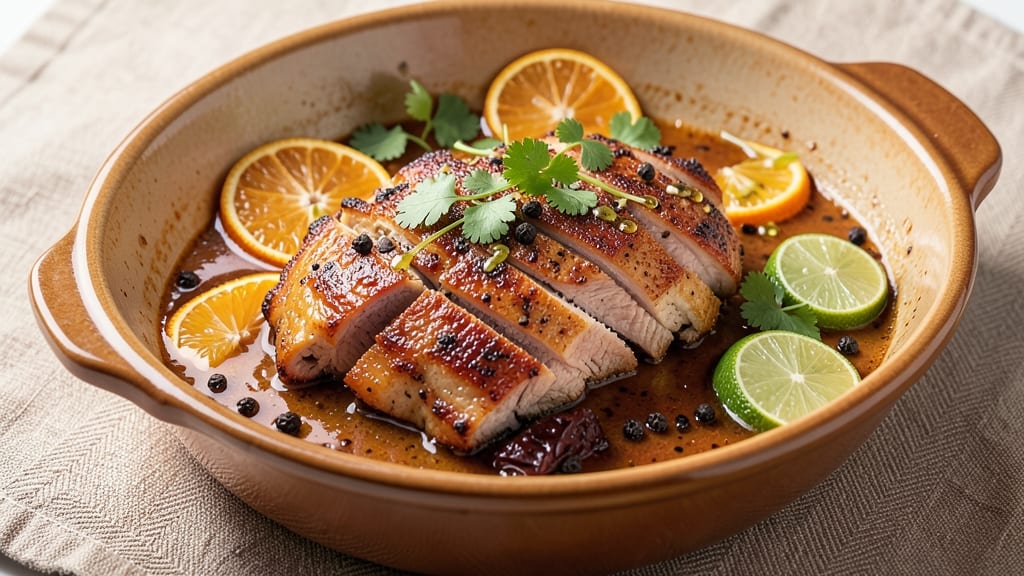
This braised pork carnitas recipe transforms tough pork shoulder into melt-in-your-mouth, crisp-edged perfection through slow braising—my foolproof method for restaurant-quality results at home. The secret lies in the low-and-slow cook, where collagen-rich pork breaks down into tender, shreddable magic while developing deep, caramelized flavors.
I developed this technique after years of perfecting whole-hog roasts at The Smoky Pig, where we process 2,000 pounds of pork weekly—this is the method I trust for foolproof tenderness every time.
The beauty of this recipe is its versatility—whether you're serving it in tacos, burrito bowls, or over roasted potatoes, the shred-ready texture comes from a precise balance of time and temperature.
We start with a simple marinade of citrus and spices, then slow-braise until the meat falls apart at a touch. The key? Never rushing the process; patience is what separates home-cooked pork from something truly special.
This method also works beautifully with heritage pork, which adds even more depth of flavor.
By the time you're done, you'll have pork so tender it practically shreds itself, with edges that crisp up perfectly when reheated. The aroma alone—smoky, savory, with just a hint of citrus—will have everyone gathering around your table.
This isn't just pork; it's a transformative dish that turns a simple ingredient into something extraordinary. The best part? Leftovers taste even better the next day, making this a perfect meal for feeding a crowd or prepping ahead.
Serve with warm tortillas, fresh pico de gallo, and a cooling lime crema to balance the rich pork. For an extra touch, I like to finish with a sprinkle of smoked paprika and fresh cilantro—simple, but it elevates the dish to another level.
Let's get cooking; your taste buds (and dinner guests) will thank you.
Ingredients for braised pork carnitas
Eight ingredients transform tough pork into restaurant-quality carnitas through slow braising magic.
| Ingredient | Amount | Notes |
|---|---|---|
| Pork Shoulder (Bone-In) 🐖 | 5 lb | Heritage pork preferred for flavor |
| Orange Juice 🍊 | 1 cup | Freshly squeezed, no pulp |
| Lime Juice 🍋 | ½ cup | Freshly squeezed, bright flavor |
| Garlic Cloves 🧄 | 8 cloves | Peeled, smashed for infusion |
| Guajillo Chiles 🌶️ | 4 whole | Stems/seeds removed, soaked |
| Ancho Chiles 🌶️ | 2 whole | Stems/seeds removed, soaked |
| Cumin Seeds 🌿 | 1 tbsp | Toasted for depth of flavor |
| Ground Cumin 🌿 | 1 tbsp | For extra earthiness |
| Oregano 🍃 | 1 tbsp | Mexican oregano preferred |
| Bay Leaves 🍃 | 2 whole | Fresh for best aroma |
| Beef Broth 🍲 | 2 cups | Low-sodium preferred |
| Dark Brown Sugar 🍬 | ¼ cup | For caramelized depth |
| Olive Oil 🫒 | ¼ cup | For searing pork |
| Smoked Paprika 🌶️ | 1 tbsp | For final garnish |
| Salt 🧂 | 1 ½ tbsp | Diamond Crystal preferred |
| Black Peppercorns 🌶️ | 1 tsp | Freshly cracked |
The pork shoulder is the star here—heritage pork adds incredible depth, but any bone-in cut works. Whole Foods or your local butcher are best for heritage cuts, but the regular grocery store pork shoulder (5-7 lb) still delivers amazing results. Look for good marbling—fat equals flavor. The chiles? Trader Joe's sells them pre-packaged, but if you can find dried chiles at a Latin market, they're fresher and more flavorful. Soak them in hot water for 15 minutes to soften before blending. The citrus juices should be fresh-squeezed—no bottled juice here. I always double the batch of marinade because it's perfect for basting during cooking.
No guajillo or ancho chiles? Ancho chiles alone work at double the amount, or swap for 1 tbsp chili powder plus 1 tsp smoked paprika. Short on cumin seeds? Ground cumin at 1.5 tbsp gets you close, but toasting whole seeds first makes a difference. The beef broth can be swapped for chicken broth, but beef gives that deeper umami punch. For extra richness, add 2 tbsp of Adobo sauce from canned chipotles to the braising liquid. The brown sugar caramelizes beautifully—don't skip it. If you're using heritage pork, the natural fat renders perfectly, but regular pork needs about 1/4 cup extra broth to compensate.
This dish tastes even better the next day—plan ahead. Store in the fridge for up to 5 days with the rendered fat on top to keep it moist. For longer storage, freeze portions in airtight containers for up to 3 months. When reheating, add a splash of water or broth to prevent drying. The crispy edges? That's the magic of slow-braising followed by a quick sear. I always make double batches because it's perfect for tacos, burrito bowls, or even breakfast hash the next morning. The leftovers are just as delicious as the first serving—trust me on that.
Why You'll Love This Recipe
- One-Pot Magic: I swear by this recipe—just dump everything into one pot, walk away, and let the guajillo chiles and orange juice work their magic. That bone-in pork shoulder practically falls apart on its own, so tender it’s almost unfair.
- Citrus Kiss: The bright punch of orange and lime juice cuts through the richness of the pork, leaving you with layers of flavor that feel fresh but deeply satisfying. Honestly, the first time I tasted it, I thought, “Why didn’t I do this sooner?”
- Leftovers That Shine: This dish tastes even better the next day—yes, really. I’ve turned last night’s braise into today’s tacos, nachos, or even a hearty bowl of rice, and no one ever complains. (My roommate still asks for seconds even after I’ve warned him.)
- Budget-Friendly Feast: Pork shoulder is the ultimate value player—big flavor, big portions, and it stretches across multiple meals without breaking the bank. Between us, I’ve fed six people for under $20, and they all left happy. That’s a win.
Step-by-step instructions for slow-braised pork carnitas
Transform a simple pork shoulder into melt-in-your-mouth carnitas with this slow-braised method.
Prepare the Pork and Aromatics
Pat the 5 lb pork shoulder (bone-in) completely dry with paper towels—this ensures maximum crispiness later. Season generously with 1.5 tbsp salt and 1 tsp freshly cracked black peppercorns, pressing the spices into the meat so they adhere evenly. Let it sit at room temperature for 30 minutes while you prepare the rest.
Toast the 1 tbsp cumin seeds in a dry skillet over medium heat for 1-2 minutes until fragrant and slightly darkened. Immediately grind them with the 1 tbsp ground cumin in a spice grinder or mortar and pestle. This toasting step deepens the cumin's earthy flavor, making it the star of your carnitas. While the cumin toasts, remove stems and seeds from the 4 whole guajillo chiles and 2 whole ancho chiles, then soak them in hot water for 10 minutes to soften.
Build the Braising Liquid
Drain the soaked chiles and blend them with the 1 cup freshly squeezed orange juice, 0.5 cup freshly squeezed lime juice, 8 peeled and smashed garlic cloves, 0.25 cup dark brown sugar, and 2 cups low-sodium beef broth until completely smooth. Strain through a fine-mesh sieve to remove any pulp or seeds—this ensures a silky braising liquid. The citrus and sugar will caramelize beautifully during cooking, creating a glossy, flavorful sauce.
In a large Dutch oven, heat the 0.25 cup olive oil over medium-high heat until shimmering. Add the seasoned pork shoulder and sear on all sides until deeply golden brown—about 8-10 minutes total. This step develops the Maillard reaction, which creates that irresistible depth of flavor. Remove the pork and set it aside temporarily.
Simmer the Pork Low and Slow
Pour the blended braising liquid into the Dutch oven, scraping up any browned bits from the bottom—these contain concentrated flavor. Return the pork to the pot, along with the 2 whole bay leaves, 1 tbsp Mexican oregano, and 1 tbsp smoked paprika. Bring to a gentle simmer, then reduce heat to maintain a barely bubbling state. Cover and braise for 3 hours, turning the pork occasionally to ensure even cooking and to prevent the skin from sticking.
After 3 hours, check for doneness by inserting a meat thermometer into the thickest part of the shoulder—it should read 195-200°F. If it's not there yet, continue braising for another 30-60 minutes. The pork will be fork-tender and nearly falling apart, ready for the crispy finish. Here's the thing—patience is key. Rushing this step will leave you with tough, chewy carnitas instead of the tender, shred-ready magic you're after.
Render Fat and Crisp the Pork
Once the pork reaches the proper temperature, carefully remove it from the braising liquid and transfer it to a cutting board. Strain the braising liquid through a fine-mesh sieve to remove any solids, then return it to the Dutch oven. Place the pot over medium-high heat and simmer uncovered for 10-15 minutes to reduce the liquid slightly and concentrate the flavors.
Cut the pork shoulder into 1-inch chunks and return them to the Dutch oven. Increase heat to medium-high and let the fat render and crisp the edges for 8-10 minutes, stirring occasionally. You'll see the pork develop a beautiful golden crust—this is your signal that it's ready. The residual fat in the pot will baste the pork as it crisps, ensuring every bite has that perfect texture contrast between tender meat and crispy edges.
Finish and Serve
Taste the braising liquid and adjust seasoning if needed—add a pinch more salt or a splash of lime juice if desired. The carnitas are now ready to be served immediately or stored for later use. For the best results, serve with warm tortillas, pickled onions, and a sprinkle of smoked paprika to enhance the smoky depth. Each bite should deliver tender, juicy pork with a crispy exterior and a sauce that's perfectly balanced between sweet, tangy, and smoky.
Pro Tips For Making Braised Pork Carnitas
- Brown the Pork First: Skip the slow start by searing the bone-in pork shoulder until it’s deep golden—this locks in flavor and makes the braising liquid richer. I used to rush this, and the final dish always tasted flat; now I take the 10 minutes it needs and never look back.
- Toast the Guajillo Chiles: Dry-toast the guajillo chiles in a skillet for 30 seconds per side before soaking—they’ll deepen in color and add a smoky backbone to the braise. I learned this the hard way when my first batch tasted dull and one-dimensional.
- Deglaze with Orange Juice: After browning the pork, hit the pan with the orange juice immediately—it dissolves the fond and keeps the acidity balanced. Letting it sit turns the sauce bitter, and you’ll regret not acting fast.
- Shred While Warm, Not Cold: Pull the pork when it’s fork-tender (200°F internal), then shred it right away while still hot—this makes it easier to pull apart and keeps the texture tender. Waiting until it’s cool turns it into a chewy mess, and nobody wants that.
Best sauces and condiments for this recipe
Citrus-Chili Sauce
This is the star of your braised pork carnitas—where the guajillo and ancho chiles blend with citrus and brown sugar to create a silky, balanced sauce. I always double the batch because it's perfect for basting during cooking and reheating leftovers.
The key is straining it thoroughly to remove any chile pulp, which can make the sauce gritty. For extra depth, add 1 tbsp Adobo sauce from canned chipotles when blending. 🌶️
Pro tip: Reduce this sauce by 10-15 minutes after removing the pork to intensify the flavors. The caramelized sugar and citrus create a glossy finish that clings beautifully to the pork.
Store any extra sauce in the fridge for up to 1 week—it's fantastic drizzled over tacos or used as a marinade for grilled chicken.
Smoky Chipotle Crema
This cooling crema balances the richness of the pork with its tangy, smoky kick. Blend 1 cup sour cream, ½ cup Mexican crema, 1 tbsp Adobo sauce, 1 tsp lime juice, and a pinch of smoked paprika until smooth.
The Adobo sauce adds heat without overpowering, while the sour cream keeps it creamy. I like to serve this chilled in a small bowl with a sprinkle of cilantro for garnish.
For a dairy-free version, substitute the sour cream with ½ cup coconut yogurt and ¼ cup lime juice. This crema also works as a dipping sauce for crispy pork tacos or as a topping for roasted sweet potatoes.
Trust me, it's the perfect palate cleanser between bites of rich carnitas. ✨
Pickled Red Onions
Quick-pickled red onions add a bright, tangy crunch that cuts through the richness of the pork. Thinly slice 1 red onion and toss with ½ cup apple cider vinegar, 1 tbsp lime juice, 1 tsp brown sugar, and a pinch of salt.
Let it sit for at least 30 minutes before serving. The acidity in the vinegar softens the onions just enough to make them tender but still hold their shape.
For extra flavor, add ½ tsp ground cumin or a pinch of cayenne pepper to the pickling liquid. These onions keep in the fridge for up to 2 weeks, making them a great make-ahead component.
They're essential for tacos, burrito bowls, or even as a topping for grilled corn. 🌟
Spicy Mango Salsa
This sweet-spicy salsa brings a refreshing contrast to the smoky pork. Dice 1 ripe mango, ½ red bell pepper, ¼ red onion, and 1 jalapeño (seeds removed for mild heat).
Mix with 2 tbsp lime juice, 1 tbsp chopped cilantro, and a pinch of salt. The mango's natural sweetness balances the heat, while the jalapeño adds a subtle kick.
For a smoky twist, add ½ tsp smoked paprika to the mix. This salsa pairs perfectly with carnitas tacos or as a topping for grilled fish. It's best made fresh but can be stored in the fridge for up to 3 days.
The mango's flavor peaks when it's slightly underripe—just firm but not hard. 🍍
Nutrition facts
Frequently asked questions
Can I use pork shoulder without the bone for this recipe?
Yes, boneless pork shoulder works perfectly—just reduce the cooking time by about 30 minutes since it cooks faster without the bone. The texture will be just as tender, but you'll lose some of the rich bone marrow flavor. For best results, look for a well-marbled cut with good fat content to keep the meat juicy during braising.
How do I know when the pork is fully tender?
Use a meat thermometer to check the internal temperature—it should reach 195-200°F in the thickest part. The pork will also feel fork-tender, almost falling apart when pierced. If it's not quite there after 3 hours, add another 30-60 minutes of braising time. Never rush this step, as patience is what creates the melt-in-your-mouth texture.
Can I make this recipe in a slow cooker?
Brown the pork first in a skillet, then transfer it to your slow cooker with all the braising ingredients. Cook on low for 8 hours or high for 5-6 hours, then finish by crisping the pork in a skillet with the rendered fat. The slow cooker method is perfect for hands-off prep, though the Dutch oven gives you more control over the browning and crisping stages.
What's the best way to reheat leftovers?
Reheat in a skillet with a splash of water or broth over medium heat for 5-7 minutes, stirring occasionally, until warmed through. The residual fat will help restore crispiness. For extra flavor, add a pinch of smoked paprika or a squeeze of lime juice. Leftovers keep well for 5 days in the fridge or 3 months frozen, making this a great make-ahead dish.
Can I substitute the chiles with something else?
For a milder version, use 2 tbsp chili powder plus 1 tsp smoked paprika instead of the dried chiles. If you prefer more heat, add 1-2 chipotle peppers in Adobo sauce to the braising liquid. The chiles provide depth and complexity that ground spices can't fully replicate, but these swaps work in a pinch. Always taste and adjust seasoning at the end.