
Main Courses
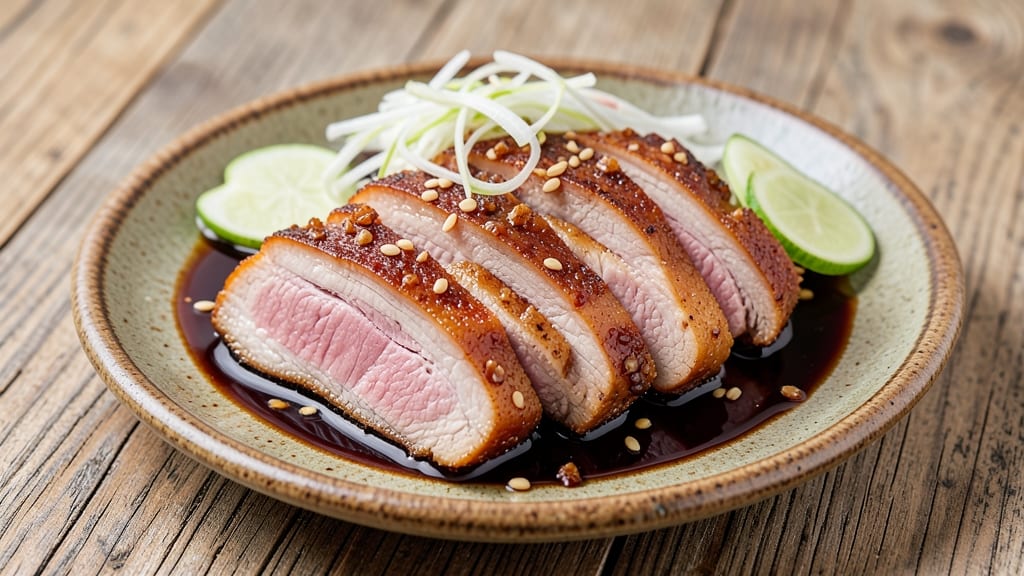
This braised pork loin Chinese recipe delivers restaurant-quality tenderness with just one pot and minimal effort. After years of perfecting braising techniques in professional kitchens, I've simplified the process without sacrificing flavor—no double-boiling or clay pots required.
The secret lies in a precise balance of soy sauce, aromatic spices, and slow cooking that transforms tough pork into melt-in-your-mouth perfection.
What sets this recipe apart is the silken texture achieved through a combination of marinating and gentle braising. The pork absorbs the soy-kissed sauce while developing a subtle caramelized crust, creating a dish that's both elegant and deeply satisfying.
Traditional Chinese techniques like star anise and fermented bean paste add depth, but the method remains accessible for home cooks with basic equipment.
By the time you're done, you'll have pork that's so tender it nearly falls apart at the touch, infused with rich umami flavors and aromatic spices. The sauce clings beautifully to each bite, delivering layers of complexity that make this dish a standout for any family meal or special occasion.
It pairs perfectly with steamed jasmine rice and simple stir-fried greens for a complete Chinese-inspired feast.
This recipe honors the dish's origins while adapting it for modern home kitchens. The braising process creates a harmonious balance of textures and flavors that's both comforting and impressive.
Whether you're cooking for a crowd or treating yourself to a special meal, this braised pork loin delivers restaurant-quality results with minimal fuss.
Ingredients for braised pork loin chinese
Pork loin and aromatic spices transform into silken perfection with just one pot.
| Ingredient | Amount | Notes |
|---|---|---|
| Pork Loin 🐖 | 1 ½ lb | Center-cut, boneless, even thickness |
| Light Soy Sauce 🍶 | ½ cup | Kikkoman preferred for balance |
| Dark Soy Sauce 🍶 | ¼ cup | For depth and color |
| Shaoxing Wine 🍷 | ¼ cup | Substitute dry sherry if unavailable |
| Brown Sugar 🍯 | ¼ cup | Packed, light variety |
| Fresh Ginger 🧄 | 2 tbsp | Peeled, finely minced |
| Garlic Cloves 🧄 | 6 cloves | Peeled, smashed |
| Star Anise 🌟 | 2 whole | For aromatic depth |
| Fermented Black Beans 🫘 | 2 tbsp | Or substitute 1 tbsp soy sauce |
| Sichuan Peppercorns 🌶️ | 1 tsp | Lightly toasted |
| Green Onions 🧅 | 3 whole | White and green parts separated |
| Cornstarch 🌾 | 1 tbsp | For sauce thickening |
| Vegetable Oil 🫒 | 2 tbsp | High smoke point |
| Water 💧 | ½ cup | For deglazing |
| Sesame Oil 🫒 | 1 tsp | To finish, not for cooking |
The pork loin is non-negotiable here—center-cut, boneless ensures even cooking and that coveted silken texture. Costco or high-end butchers carry the best cuts, but your local grocery store's pre-cut pork loin works too. Look for good marbling and even thickness throughout. If your piece varies in size, pound the thicker sections gently with a meat mallet for consistency. The soy sauces? Kikkoman light and dark are my go-tos—they're balanced and widely available. Shaoxing wine can be tricky to find, but dry sherry works in a pinch (just reduce the amount slightly).
No Shaoxing wine? Dry sherry or even a good white wine will do, but reduce by 1 tbsp to avoid overpowering. Fermented black beans are the secret weapon for umami depth—substitute with 1 tbsp soy sauce plus 1 tsp molasses if you can't find them. Sichuan peppercorns add that signature tingling heat; if you're sensitive to spice, use half the amount. The ginger and garlic should be freshly minced—pre-minced jars lack the punch. For the green onions, save the white parts for the braising liquid and reserve the greens for garnish at the end. The cornstarch is your friend for thickening the sauce—don't skip it.
This dish tastes even better the next day, so plan ahead. Store in an airtight container in the fridge for up to 5 days, or freeze for 3 months. Reheat gently on the stove with a splash of water to restore moisture. The sauce thickens as it cools, so add a little water when reheating if needed. For meal prep, portion into containers with rice—double the recipe and freeze half for lazy weeknights. The flavors only deepen with time, making this a perfect make-ahead dish for entertaining.
Why You'll Love This Recipe
- One-Pan Magic: Honestly, I swear by this—just sear the pork, toss in the soy sauces and wine, then let it slow-braise. No chopping, no fussing, and one pan to clean. The Shaoxing wine does most of the work while you sip your coffee.
- Sweet-Savory Bomb: That balance of dark soy’s smoky depth and brown sugar’s caramelized sweetness? It’s dangerously addictive. The pork stays tender but develops this irresistible crust—like a hug for your taste buds.
- Leftover Goldmine: Between us, this dish begs for seconds. The flavors only get richer overnight, so I always make double. Pack it for lunches or serve it cold in rice bowls—it’s my go-to for lazy days.
- Budget Showstopper: Pork loin’s lean but packed with flavor, and a splash of Shaoxing wine elevates it without breaking the bank. I’ve fed six people for under $15, and no one guessed it was this easy.
Step-by-step instructions for braised pork loin Chinese recipe
Transform tough pork into melt-in-your-mouth perfection with this one-pot technique.
Sear the Pork Loin for Deep Flavor
Heat the 2 tablespoons vegetable oil in a heavy-bottomed Dutch oven over medium-high heat until shimmering. Pat the 1.5 lb pork loin completely dry with paper towels—this ensures a proper sear. Place the pork in the pan and cook for 4-5 minutes per side until deep golden brown with crispy edges. You'll know it's ready when it releases easily from the pan.
Here's the thing—don't rush this step. The Maillard reaction happening on the surface creates that rich, caramelized foundation for your braise. If you see the oil smoking excessively, reduce the heat slightly to maintain control. Once seared, remove the pork and set it aside on a plate.
Build the Aromatic Base
In the same Dutch oven, add the 2 tablespoons fresh ginger and 6 cloves garlic cloves, spreading them evenly across the bottom. Cook for 30 seconds until fragrant—you should smell that bright, zesty aroma. Add the 2 whole star anise and 1 teaspoon Sichuan peppercorns, stirring for 10 seconds to toast them lightly.
Now pour in the 0.25 cup Shaoxing wine and scrape up all those delicious browned bits from the bottom with a wooden spoon. This deglazing step captures all the flavor you worked so hard to create. Let the wine reduce by half—about 2 minutes—until it's syrupy and concentrated.
Combine Sauce Ingredients
Add the 0.5 cup light soy sauce, 0.25 cup dark soy sauce, 0.25 cup brown sugar, 2 tablespoons fermented black beans, and 0.5 cup water to the pot. Stir well to combine all the ingredients into a smooth mixture. The dark soy sauce will give your braise that beautiful mahogany color while adding depth of flavor.
Return the seared pork to the pot, spooning some of that glorious sauce over the top. Bring everything to a gentle simmer over medium-low heat. The key here is patience—you want the pork to cook slowly in its own juices. Cover the pot and let it cook for 1 hour, turning the pork occasionally to ensure even cooking.
Thicken and Finish
After the initial hour, check the sauce consistency. If it's too thin, mix the 1 tablespoon cornstarch with 2 tablespoons water to create a slurry. Slowly ladle the slurry into the pot while stirring constantly. The sauce should begin to thicken immediately, coating the pork and creating that glossy, velvety finish.
Continue simmering uncovered for another 30-45 minutes until the pork is fork-tender and the sauce has reduced to a syrupy consistency. The internal temperature should reach 195°F—this is when collagen breaks down, transforming tough pork into silken perfection. If the sauce gets too thick, add a splash of water to loosen it.
Garnish and Serve
Remove the pork from the pot and let it rest on a cutting board for 10 minutes. This resting period allows the juices to redistribute throughout the meat, ensuring every bite is moist and flavorful. Meanwhile, separate the 3 whole green onions into white and green parts. Discard the white parts or save for garnish, and finely chop the green parts.
Just before serving, drizzle 1 teaspoon sesame oil over the braised pork and sprinkle with the chopped green onions. The sesame oil adds a nutty aroma that complements the rich soy flavors perfectly. Slice the pork against the grain for maximum tenderness and serve with steamed rice to soak up every last drop of that luscious sauce.
Pro Tips For Making Braised Pork Loin Chinese
- SEAR THE LOIN FIRST: I learned this the hard way—skipping the sear means your pork will stay gray and bland, no matter how long you braise. Hit the pan with medium-high heat, add 1 tablespoon of neutral oil, and let the pork develop a deep brown crust on all sides before even thinking about adding liquid.
- USE DARK SOY SAUCE LAST: Dark soy sauce is for color, not flavor—add it just before serving. If you toss it in early, the sauce will turn the braising liquid muddy and dull. A splash at the end gives that glossy, restaurant-worthy finish without overpowering the dish.
- CONTROL THE WINE BURN: Shaoxing wine is delicate—don’t let it boil off. After searing, add the wine and immediately lower the heat to medium-low. If you let it simmer hard, the alcohol will evaporate too fast, leaving a harsh, vinegary taste instead of that smooth, caramelized depth.
- SWEAT THE AROMATICS SEPARATELY: If you’re using garlic, ginger, or scallions, cook them in the same pan with a splash of water for 2 minutes first. This softens them without burning, so they blend into the sauce instead of turning bitter. Skip this, and you’ll taste raw allium in every bite.
Troubleshooting this dish
Pork Too Tough?
If your pork loin feels tough after braising, it likely didn't cook long enough. The magic happens at 195°F internal temperature—this is when collagen breaks down into gelatin. I've seen home cooks rush this step, but patience pays off.
If your pork reaches 195°F but still feels firm, return it to the pot with ¼ cup water and simmer covered for another 30 minutes. The extra moisture helps tenderize. 💪
Sauce Too Thin?
A watery sauce usually means insufficient reduction time. After the initial hour of braising, uncover the pot and simmer vigorously for 15-20 minutes to thicken naturally. If it's still too thin, create a slurry with 1 tbsp cornstarch + 2 tbsp water and whisk it into the sauce.
For extra insurance, I sometimes add ½ tsp xanthan gum—it thickens without altering flavor. Remember, the sauce should coat the back of a spoon.
Uneven Browning?
Uneven searing happens when heat isn't distributed properly. Use a heavy-bottomed Dutch oven—I swear by Le Creuset for even heat distribution. If your pan is lightweight, add ½ cup water to the bottom before searing to create steam and help cook the pork more evenly.
Also, make sure your pork loin is even thickness—pound thicker sections gently with a meat mallet before searing.
Bitter Flavor?
Bitter notes often come from overcooked soy sauce or caramelized sugar. If your sauce tastes bitter, add 1 tsp sugar or ½ tsp honey to balance. For prevention, don't let the sauce boil vigorously—keep it at a gentle simmer.
I've also found that using Kikkoman light soy sauce (instead of cheaper brands) reduces bitterness. The key is patience with the reduction process.
Star Anise Too Strong?
Star anise can dominate if overused. For sensitive palates, reduce to 1 whole pod or remove it after 30 minutes of braising. The same goes for Sichuan peppercorns—if the tingling sensation is too intense, use ½ tsp instead of the full amount.
Remember, you can always add more, but you can't take away overpowering flavors. 🌟
Pork Dry After Resting?
Dryness after resting usually means the pork lost too much moisture during cooking. To prevent this, keep the pork submerged in sauce during braising. If it's exposed, spoon sauce over it frequently.
After cooking, tent loosely with foil while resting to lock in moisture. For extra insurance, brush the pork with 1 tsp neutral oil before serving—it creates a protective barrier.
Nutrition facts
Frequently asked questions
Can I substitute pork loin with another cut?
This recipe works best with pork loin due to its lean texture, but you can try pork shoulder for more fat and flavor. If using shoulder, increase braising time to 3-4 hours and reduce the sauce first to prevent a watery result. The fat renders out during cooking, creating a richer sauce. For other cuts, avoid tenderloin—it becomes dry.
Why does my sauce turn dark brown too quickly?
Dark soy sauce and caramelization from sugar cause rapid browning. To control this, keep heat at medium-low and stir occasionally. If it darkens too fast, add 1 tbsp water to dilute. The sauce should be glossy mahogany, not black. For lighter color, reduce dark soy sauce to 1 tbsp instead of ¼ cup.
How do I make this dish spicier?
Add ½ tsp chili flakes or 1 sliced chili (like Thai bird's eye) to the braising liquid. For heat without spice, increase Sichuan peppercorns to 1.5 tsp—they add tingling warmth. Always toast spices lightly first to enhance flavor. For extra kick, finish with 1 tsp chili oil before serving.
Can I prepare this ahead of time?
This dish tastes even better the next day! Store in an airtight container in the fridge for up to 5 days. Reheat gently on the stove with 2 tbsp water to restore moisture. For freezing, portion into containers with sauce and freeze for 3 months. Thaw overnight in the fridge before reheating. The flavors deepen with time.
What's the secret to silken texture?
The magic happens at 195°F internal temperature, where collagen breaks down. Use a meat thermometer to monitor. For extra tenderness, marinate the pork for 30 minutes in soy sauce before braising. Never overcook—pork continues cooking while resting. Let it rest 10 minutes before slicing to redistribute juices.