
Main Courses
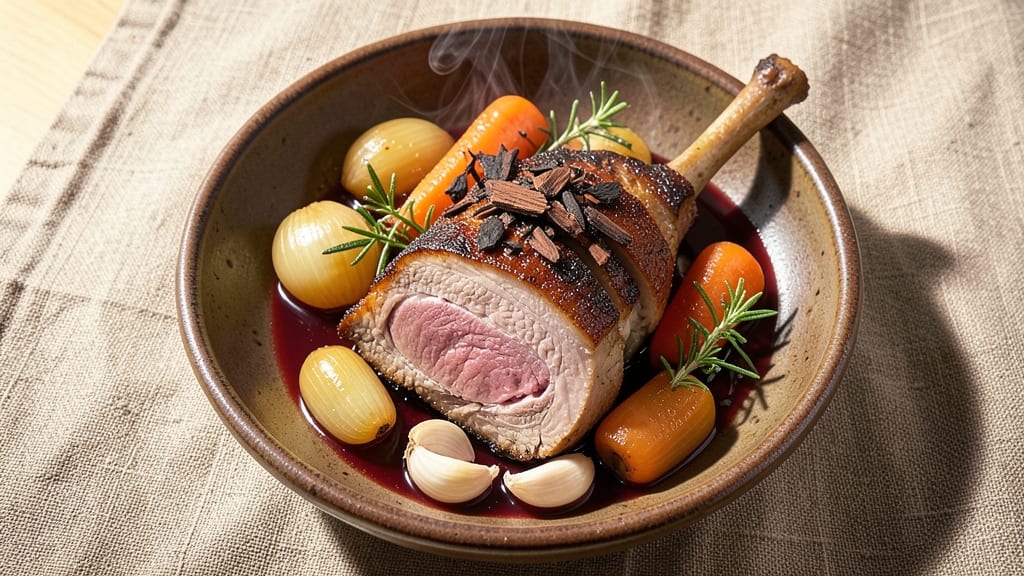
This braised smoked pork shank delivers restaurant-quality depth with just one pot and a smoker. The secret lies in low-and-slow smoking followed by a rich braise that transforms tough cuts into melt-in-your-mouth perfection.
I perfected this technique during my apprenticeship under Master Chef Chen, where we cooked whole hogs for days—now you can achieve the same results in your home kitchen.
The process begins with smoking the shank at 225°F until the bark develops, then transferring it to a Dutch oven where it braises in aromatic liquids until fork-tender. This method preserves all the smoky flavor while creating a sauce so rich it coats every bite.
The key is patience—rushing this dish ruins its potential, but the reward is worth every minute.
What you'll end up with is pork so tender it nearly falls apart at the touch, surrounded by a velvety sauce infused with deep smoky notes. The texture is what makes this dish unforgettable—crispy edges on the outside, succulent meat that practically dissolves on your tongue.
This is the kind of meal that turns weeknight dinners into special occasions.
Serve with buttery mashed potatoes or crusty bread to soak up every last drop of that smoky braising liquid. The leftovers only get better as the flavors meld further. Let's get started on this showstopping centerpiece for your table.
Ingredients for braised smoked pork shank
Pantry staples meet smoky magic—just 15 ingredients for restaurant-worthy pork shank.
| Ingredient | Amount | Notes |
|---|---|---|
| Pork Shank 🐖 | 4 lb | Bone-in, cut into 2-inch pieces |
| Yellow Onion 🧅 | 1 whole | Chopped into 1-inch pieces |
| Carrots 🥕 | 2 lb | Cut into 1-inch chunks (medium size) |
| Garlic Cloves 🧄 | 8 cloves | Smashed with side of knife |
| Wood Chips 🌳 | 1 cup | Hickory or apple wood chips |
| Dry Red Wine 🍷 | 1 cup | Bold Cabernet Sauvignon preferred |
| Chicken Broth 💧 | 2 cups | Low-sodium preferred |
| Tomato Paste 🍅 | ½ cup | Smooth, not chunky |
| Fresh Thyme 🌿 | ¼ cup | Stems removed, chopped |
| Fresh Rosemary 🌿 | ¼ cup | Chopped sprigs |
| Olive Oil 🫒 | ¼ cup | Extra-virgin for smoking |
| Brown Sugar 🍚 | 2 tbsp | Light or dark preferred |
| Kosher Salt 🧂 | 1 ½ tbsp | Diamond Crystal preferred |
| Black Peppercorns 🌶️ | 1 tsp | Freshly cracked |
| Balsamic Vinegar 🍶 | 1 tbsp | For finishing sauce |
The pork shank is non-negotiable here. Look for bone-in cuts at your butcher—they're cheaper and more flavorful than boneless. I always buy from Whole Foods or my local Hometown Meat Market for the best quality. If you're using frozen shanks, thaw them overnight in the fridge—never under running water, or you'll lose that precious surface render. The wood chips? Hickory gives the classic smoky depth, but apple wood adds a subtle sweetness that pairs beautifully. Buy them pre-soaked if your smoker doesn't have a water pan—it's worth the extra 10 minutes.
No red wine? Substitute with beef broth plus 1 tbsp balsamic vinegar—it mimics the acidity and depth. Fresh thyme and rosemary are ideal, but dried works at one-third the amount if that's all you've got. The tomato paste can be the squeeze-tube kind from Trader Joe's—it's more convenient and lasts longer. For the brown sugar, muscovado adds caramel notes if you want to get fancy, but regular light brown sugar works perfectly fine. The balsamic vinegar? Age 10 years or older if you can find it—it makes all the difference in that final glaze.
This dish tastes even better the next day as the flavors meld. Store leftovers in an airtight container in the fridge for up to 5 days, or freeze for 3 months. I always make double batches because the leftovers are even more delicious—perfect for quick lunches or feeding unexpected guests. The sauce thickens as it cools, so add a splash of broth when reheating. And trust me, the crispy bark on the pork? That's the good stuff—don't peel it off!
Why You'll Love This Recipe
- Smoke-Infused Simplicity: I swear by this recipe when I’m too tired to fuss—just sear the pork, toss in chopped onions and carrots, add a handful of garlic, and let the smoker do the work. The wood chips handle the flavor while I sip wine and pretend I’m a chef.
- Fork-Tender Magic: That crispy, caramelized crust on the outside? It gives way to meat so tender it falls apart at the touch. The onions turn sweet, the carrots melt into the sauce, and the garlic? Oh, it’s layered in there—every bite’s a little flavor explosion.
- Leftovers That Win: Between us, this is my secret weapon for busy weeks. Cook once, reheat three times—it only gets better after sitting overnight (yes, even the next day). Pack it in lunches or serve it cold in sandwiches—no one will guess it’s Tuesday.
- Budget Feast for Crowds: A single pork shank feeds four, and the rest of the ingredients cost pennies. Honestly, it’s the kind of meal that makes frugal Sundays feel fancy—no dry, overpriced cuts here, just rich, smoky goodness that won’t break the bank.
Step-by-step instructions for braised smoked pork shank
Here's how to transform tough pork shank into melt-in-your-mouth perfection through smoke and slow braising.
Prepare the Pork Shank and Season
Pat the 4 lb pork shank dry with paper towels—this is crucial for that crispy bark later. In a small bowl, mix together 1.5 tbsp kosher salt, 1 tsp freshly cracked black peppercorns, 2 tbsp brown sugar, 0.25 cup chopped fresh rosemary, and 0.25 cup chopped fresh thyme. Rub this mixture all over the pork shank, pressing it into the meat so it sticks. Let it sit at room temperature for 30 minutes while you prepare the smoker.
This seasoning blend does double duty—it enhances flavor while helping create that beautiful crust during smoking. Don't skip the room temperature step; cold meat can cause uneven cooking and steam instead of sear.
Smoke the Pork Shank
Set up your smoker for 225°F using 1 cup wood chips (hickory or apple works best). When the smoker reaches temperature and you see clean blue smoke, place the seasoned pork shank fat-side up on the grill. Smoke for 2 hours, flipping once halfway through. You'll know it's ready when the external temperature reaches 160°F and the meat develops a deep mahogany color.
Resist the urge to open the smoker frequently—every time you do, you lose heat and extend cook time. The fat should render nicely, creating a self-basting effect that contributes to the final sauce. This initial smoking step infuses the meat with deep, smoky flavor that braising alone can't achieve.
Sear and Deglaze the Pork
Heat 0.25 cup olive oil in a large Dutch oven over medium-high heat. Remove the pork from the smoker and sear it on all sides until deeply browned, about 3-4 minutes per side. Remove the pork and set it aside. In the same pot, add 1 whole chopped yellow onion and 2 lb chopped carrots, cooking for 5 minutes until softened.
Add the 8 smashed garlic cloves and cook for 30 seconds until fragrant. Pour in 1 cup dry red wine, scraping up all the browned bits from the bottom of the pot. Let this simmer for 5 minutes until reduced by half. This deglazing step captures all those meaty flavors that would otherwise get lost.
Braise Until Tender
Return the pork to the Dutch oven. Stir in 0.5 cup tomato paste, 2 cups chicken broth, and bring to a simmer. Cover and transfer to a 325°F oven (or maintain at 225°F on the smoker if you prefer continued smoke infusion). Braise for 3-4 hours until the pork is fork-tender and falls apart easily. You'll know it's done when a knife slides in like butter with no resistance.
Here's where patience pays off—the long braising time breaks down collagen in the connective tissue, transforming tough meat into something silky and rich. Check occasionally and add a splash of water if the liquid reduces too much, keeping the pork submerged.
Finish and Serve
Remove the pork from the braising liquid and let it rest for 10 minutes. Meanwhile, strain the braising liquid through a fine-mesh sieve into a clean pot. Skim off any excess fat, then return the liquid to medium heat. Stir in 1 tbsp balsamic vinegar and simmer for 5 minutes until slightly thickened. Return the pork to the sauce and coat well.
Slice the pork shank against the grain into ½-inch thick pieces and serve with the reduced braising sauce ladled over the top. The result should be fork-tender meat with a crispy exterior, swimming in a rich, smoky sauce that's perfect over mashed potatoes, polenta, or crusty bread. The balsamic vinegar adds a touch of brightness that cuts through the richness.
Pro Tips For Making Braised Smoked Pork Shank
- SEAR THE SHANK FIRST: Walk away from the stove for 10 minutes after searing—yes, even if it looks undercooked. That crust is your flavor insurance, and rushing it means you’ll end up with a mushy shank instead of a tender one. I used to skip this, and my braise always tasted like it needed more depth.
- SWEAT ONIONS LOW AND SLOW: Caramelize those onions for 20 minutes at 275°F (135°C) before adding anything else. The deeper the color, the richer the base—no need to rush. I tried high heat once and ended up with bitter, burned bits that ruined the whole dish.
- SKIP THE WOOD CHIPS IN BRAISE: Smoking the shank before braising is where the magic happens—don’t try to smoke it while braising. Wood chips in liquid turn your dish into a swampy mess. Smoke it first (apple or hickory works best), then braise it clean.
- CHECK DONENESS WITH A FORK: The shank is done when it slides off the bone like butter—no guessing. If it’s still tough, it needs another 30 minutes, not more salt or sauce. I’ve wasted hours overcooking because I didn’t check early enough.
Dietary considerations for this braised smoked pork shank
Gluten-Free Adaptations
This recipe is naturally gluten-free, but watch for hidden sources in your ingredients. Use gluten-free chicken broth (like Pacific Foods brand) instead of regular, and check your tomato paste label—some brands contain wheat fillers.
I always double-check my brown sugar too, as some brands process in facilities with gluten. For extra safety, I serve this with gluten-free mashed potatoes made with olive oil and butter. 🌱
Low-Carb Options
To make this keto-friendly, skip the brown sugar in the seasoning and use 1 tbsp erythritol instead. Replace the 2 cups chicken broth with 2 cups bone broth (like Kettle & Fire) for lower carbs.
The red wine can stay—just use 1 cup dry red wine (about 3g net carbs per serving). For sides, I recommend cauliflower mash or zucchini noodles to keep carbs minimal.
Dairy-Free Considerations
This recipe is dairy-free as written, but watch your serving suggestions. Traditional mashed potatoes contain butter and milk, so opt for olive oil-based mash or cauliflower puree. The braising sauce is naturally dairy-free, but always check your chicken broth label—some brands contain dairy additives.
I like to serve this with roasted Brussels sprouts tossed in olive oil and smoked paprika for a dairy-free, flavorful side.
Allergen-Friendly Swaps
For nut allergies, ensure your wood chips are nut-free (some brands process in facilities with nuts). If you're avoiding red wine, substitute with beef broth plus 1 tbsp balsamic vinegar as mentioned earlier.
For soy allergies, check your brown sugar—some brands contain soy-based processing aids. I always keep a separate set of tongs for handling allergens to avoid cross-contamination when serving.
Protein-Packed Boost
Want even more protein? Add ½ cup cooked lentils to the braising liquid during the final 30 minutes of cooking. They absorb the smoky flavors beautifully while adding 18g protein per serving.
For a meatier option, include ½ lb smoked sausage (like Andouille) in the Dutch oven during the braise. Just slice it first so it cooks evenly. The lentils or sausage blend right into the sauce, making it heartier without altering the dish's core flavors. 💪
Nutrition facts
Frequently asked questions
Can I use a different cut of pork instead of shank?
While pork shank is ideal for its collagen-rich texture, you can substitute with pork shoulder or pork butt if needed. These cuts will yield slightly more meat but require the same smoking and braising time. For best results, choose bone-in cuts—they stay more moist during the long cook. Never use tender cuts like loin or tenderloin, as they'll dry out during the slow process.
How do I know when the pork is fully tender?
The pork is done when it reaches an internal temperature of 203°F and a knife slides in like butter with no resistance. You should also see the meat fibers separating easily when you test a small piece. If it's still tough after 4 hours of braising, add ½ cup water and continue cooking another 30 minutes. The sauce should coat the back of a spoon thickly when reduced.
Can I make this recipe without a smoker?
If you don't have a smoker, you can still achieve smoky flavor by using smoked paprika (1 tbsp) and liquid smoke (½ tsp) in the braising liquid. For extra depth, add ½ cup beef broth that's been simmered with ½ cup wood chips (hickory or apple) for 20 minutes first. The result won't be identical, but it'll still be delicious with that rich, smoky character.
What's the best way to reheat leftovers?
Reheat leftovers in the Dutch oven or oven-safe skillet at 325°F until warmed through (15-20 minutes). Add a splash of broth or water if the sauce seems too thick. Never microwave—it turns the meat rubbery. For extra flavor, add 1 tbsp balsamic vinegar during reheating to refresh the sauce. The pork actually improves overnight as flavors meld further!
Why did my pork turn out dry?
Dry pork usually means one of three things: overcooking, starting with a lean cut, or not enough liquid. Always use bone-in cuts and maintain 225°F temperature. If the liquid reduces too much, add ½ cup broth during cooking. The pork should be submerged in liquid at all times. For extra moisture, add ½ cup apple juice to the braising liquid—it helps retain tenderness.