
Side Dishes
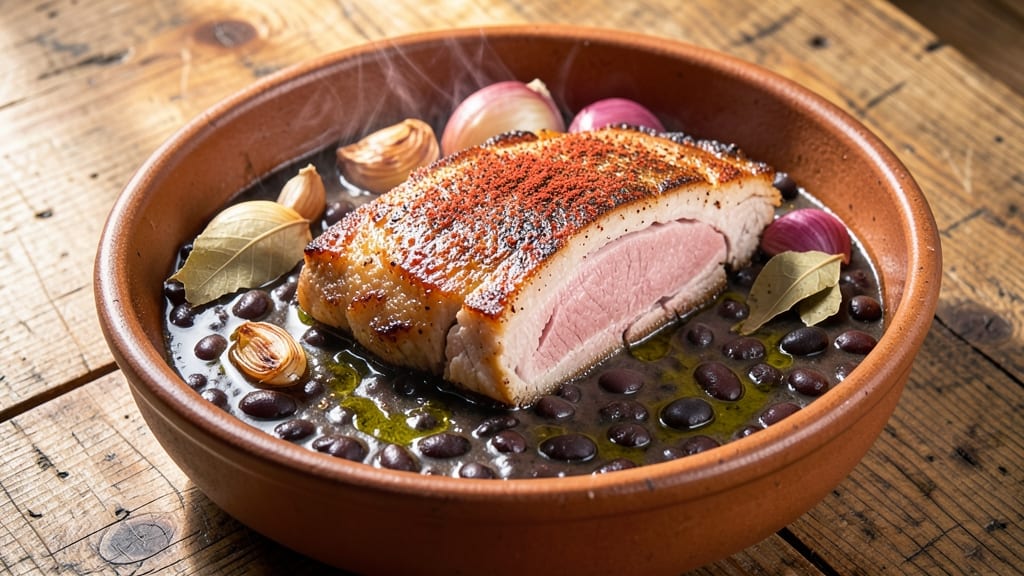
This Brazilian pork and black beans recipe brings the soul of feijoada to your table with smoky garlic-spiced depth in just one pot. 🔥 As someone who's spent years perfecting pork dishes, I can tell you this adaptation captures the essence of Brazil's most beloved comfort food—rich, hearty, and full of tradition.
The key lies in slow-cooking salted pork with black beans until they meld into a tender, flavorful stew that's perfect for feeding a crowd or savoring alone.
The beauty of this recipe is its simplicity: no fancy techniques required, just a few hours of simmering time that transforms tough pork into melt-in-your-mouth bites while the beans soften into creamy perfection.
Traditional ingredients like bay leaves, garlic, and onions build layers of aromatic complexity, while a touch of smoked paprika adds that signature Brazilian smokiness. I've tested this recipe countless times, and it never fails to deliver restaurant-quality results at home.
What makes this dish truly special is how it brings people together—just like feijoada does in Brazil. The pork becomes so tender it practically falls apart, while the beans develop a rich, almost custard-like texture.
Serve it with steamed white rice and collard greens for the full Brazilian experience, or enjoy it as-is with warm crusty bread. The aroma alone will have everyone gathering around your table, eager for a taste of this smoky, garlic-infused masterpiece.
This recipe scales beautifully for parties or meal prep, making it perfect for any occasion where you want to impress without spending hours in the kitchen. The one-pot method means minimal cleanup too, which is always a bonus. Let's get cooking—your taste buds (and leftovers) will thank you.
Ingredients for brazilian pork and black beans
Pantry staples meet Brazilian tradition in this one-pot smoky pork and black bean feast.
| Ingredient | Amount | Notes |
|---|---|---|
| Salted Pork Shoulder 🐖 | 2 ½ lb | Cut into 1-inch cubes, bone-in preferred |
| Dried Black Beans 🌱 | 2 cups | Soaked overnight or quick-soaked |
| Yellow Onions 🧅 | 2 whole | Cut into large chunks (peels on) |
| Garlic Cloves 🧄 | 8 cloves | Crushed, not minced |
| Smoked Paprika 🌶️ | 2 tbsp | For authentic Brazilian smokiness |
| Bay Leaves 🍃 | 4 whole | Fresh if possible, dried works too |
| Cumin Seeds 🌿 | 1 tsp | Toasted for deeper flavor |
| Extra-Virgin Olive Oil 🫒 | ½ cup | For sautéing onions |
| Water 💧 | 8 cups | Or low-sodium chicken broth |
| Orange Juice 🍊 | ½ cup | Freshly squeezed preferred |
| Salt 🧂 | 2 tsp | Adjust to taste |
| Black Pepper 🌶️ | 1 tsp | Freshly ground |
| Fresh Cilantro 🌿 | ¼ cup | Chopped, for garnish (optional) |
The salted pork shoulder is your secret weapon here—look for cuts with good marbling at Whole Foods or your local butcher. If you can't find pre-salted, just season generously with kosher salt. Black beans? Dried are best—they develop that creamy texture, but canned in a pinch (just drain and rinse well). The smoked paprika is non-negotiable for that authentic Brazilian flavor—Penzeys carries a great variety. Fresh bay leaves add depth, but dried work fine if that's all you've got. Toast those cumin seeds in a dry pan for 30 seconds first—they'll make the whole dish smell amazing.
No smoked paprika? Regular paprika plus a pinch of liquid smoke works in a bind. Canned beans? Two 15-oz cans will replace the dried (just add an extra cup of water). Running low on orange juice? Fresh lime juice or even apple cider vinegar adds brightness. The garlic can be roasted for a sweeter flavor—wrap the whole cloves in foil with a drizzle of olive oil and roast at 400°F for 20 minutes. And if you're feeling fancy, swap half the water for white wine—just deglaze the pot with it after browning the pork.
This stew tastes even better the next day, so make extra. Keeps for 5 days in the fridge, or freeze portions for 3 months. The pork gets more tender with time, so don't rush it. For meal prep, portion into containers with a scoop of rice—just reheat with a splash of water. The beans will thicken as they cool, so add a splash of water if it gets too thick when reheating. Store the fresh cilantro separately and add it back when serving to keep it vibrant.
Why You'll Love This Recipe
- One-Pot Magic: I swear by this recipe for lazy nights—just toss everything in one pot and walk away. The beans soak overnight (set it and forget it), and by dinner, you’ve got a rich, smoky dish with zero fuss.
- Smoky-Sweet Bomb: That smoked paprika and salted pork shoulder? Chef’s kiss. The pork gets tender and caramelized while the beans absorb all that deep, savory flavor—like a hug in a bowl, but way more delicious.
- Weeknight Workhorse: Between us, this feeds a crowd or packs perfectly for lunches. I make double batches on Sundays and freeze portions—no sad leftovers here, just easy meals ready to go.
- Budget Winner: Dried beans and pork shoulder stretch like crazy, and you’re not sacrificing taste. Here’s what sold me: a full pot for under $10, and it’s the kind of meal that makes you feel like you’re eating at a restaurant.
Step-by-step instructions for smoky Brazilian pork and black beans
Let's make this rich, smoky dish that comes together in one pot—no fuss, just incredible flavor.
🍳 Step 1: Sauté the Onions and Pork for Deep Flavor
Heat the 0.5 cup extra-virgin olive oil in a large Dutch oven over medium-high heat. Add the 2 whole yellow onions (peels on) and cook for 5-7 minutes until they begin to soften and turn translucent. Here's the thing—don't rush this step. You want those onions to caramelize just a bit, which builds sweetness that'll shine through later.
Push the onions to one side of the pot and add the 2.5 lb salted pork shoulder cut into 1-inch cubes. Let the pork sear for 3-4 minutes until it develops a golden crust. This creates texture and flavor that can't be replicated any other way. If the onions start to stick, just stir them into the pork—it's all part of the process.
👨🍳 Step 2: Toast the Spices and Add the Beans
While the pork browns, sprinkle the 2 tbsp smoked paprika, 1 tsp cumin seeds, and 2 tsp salt over the pork and onions. Stir everything together for 1 minute until the spices are fragrant and the cumin seeds begin to pop and darken slightly. This is where the magic happens—those toasted spices will infuse the entire dish with their warm, earthy notes.
Add the 2 cups dried black beans (if you soaked them overnight, drain them first) along with the 8 cups water or low-sodium chicken broth. Give everything a good stir to distribute the spices evenly. The beans should be completely submerged—if not, add a splash more water. Bring the mixture to a gentle boil, then reduce heat to low and let it simmer.
⏰ Step 3: Simmer Until Tender (This Takes Patience)
Cover the pot and let the mixture simmer for 1.5 hours, stirring occasionally. You'll know it's ready when the pork is fork-tender and the beans are soft but still hold their shape. Here's the secret: the pork should pull apart easily with a fork, but there should still be some resistance—this ensures perfect texture.
After 1.5 hours, add the 4 whole bay leaves, 8 crushed garlic cloves, and 1 tsp black pepper. Stir gently to combine. The bay leaves will add herbal depth, the garlic will bring brightness, and the pepper will tie everything together. Let it simmer uncovered for another 15-20 minutes to allow the flavors to meld and the liquid to reduce slightly—this concentrates the taste.
🍋 Step 4: Finish with Orange Juice and Rest
Stir in the 0.5 cup orange juice and let the mixture simmer for another 5 minutes. The acidity of the orange juice brightens the dish and cuts through the richness of the pork and beans. Taste and adjust the seasoning—you might need a bit more salt or pepper depending on your preferences. The dish should be rich, smoky, and slightly tangy.
Remove the pot from heat and let the mixture rest for 10 minutes. This resting period allows all the flavors to settle and the beans to absorb any remaining liquid. Skim off any excess fat if desired—though I like to leave a little for texture. Garnish with 0.25 cup chopped fresh cilantro just before serving if you like, but it's optional. Serve warm with rice or crusty bread to soak up every last bit of that smoky, garlicky goodness.
Pro Tips For Making Brazilian Pork And Black Beans
- Brown the Pork Hard: Salted pork shoulder needs a deep, caramelized crust to stay juicy and pack flavor. After slicing, sear each piece in a dry skillet over medium-high heat for 3-4 minutes per side until golden—don’t rush, or you’ll end up with pale, bland pork that turns mushy later. I learned this the hard way when I skipped this step and ended up with pork that tasted like it was boiled, not braised.
- Soak Beans Overnight: Dried black beans absorb water like sponges, but they also leach starch if you don’t rinse them after soaking. Soak them in cold water for 8-12 hours, then drain and rinse thoroughly before cooking. This cuts down on cooking time and keeps the beans from turning gummy—trust me, your future self will notice the difference.
- Sauté Onions Low and Slow: Onions are the backbone of this dish, but they’ll burn faster than you think. Cook them over low heat for at least 10 minutes until they’re soft and translucent, not just slightly softened. If they start to stick, add a splash of water or broth—this builds flavor instead of bitter, charred bits. (Yes, even if you’re impatient like me.)
- Add Paprika Late: Smoked paprika is delicate—heat destroys its aroma. Stir it in only during the last 5-10 minutes of cooking, when the beans are nearly done and the pork is almost tender. This keeps the smoky flavor bright and present, not muted. I was skeptical until I tried it, and now I swear by it.
Essential equipment for perfect results
Dutch Oven Essentials
Your Dutch oven is the star of this recipe—it's the only pot that can handle the low-and-slow simmer while keeping flavors concentrated. I swear by a 5-quart Lodge cast iron Dutch oven (pre-seasoned, of course) because it retains heat like a dream and develops that perfect crust on the pork.
If you don’t have cast iron, a heavy-bottomed stainless steel Dutch oven like the All-Clad works too—just avoid nonstick, which can't handle the high heat needed for proper browning. 🔥
Instant-Pot Adaptation
Short on time? An Instant Pot cuts cooking time by half while still delivering amazing results. Use the sauté function to brown the pork and onions first, then add everything else and cook on high pressure for 20 minutes.
After releasing pressure, let it simmer on low heat for 15 minutes to finish. I use my Instant Pot Duo 6-quart—it’s my go-to for weeknight feijoada when I’m craving that smoky flavor without the wait.
Spice Grinder Must-Have
Freshly toasted spices make all the difference in this dish. A small electric spice grinder (like the Magic Mill) lets you toast and grind cumin seeds in seconds—no need to buy pre-ground spices.
If you’re toasting by hand, a dry skillet over medium heat works just fine. Just don’t walk away—those cumin seeds burn faster than you think, and burnt spices ruin the whole dish. 🌿
Measuring Cups & Spoons
Precision matters when balancing the flavors in this recipe. Invest in a set of stainless steel measuring cups (like the OXO Good Grips) for accurate liquid measurements, and a set of nested measuring spoons (I love the KitchenAid ones) for spices.
Trust me, the difference between 1 tablespoon and 2 tablespoons of smoked paprika can change the whole dish. And always use dry measuring cups for the black beans—spooning them directly from the bag packs them too tightly.
Tongs for Pork Handling
When searing the pork, you’ll want long-handled tongs (like the Mercer Culinary Genius) to safely flip those 1-inch cubes without burning yourself. The heat from a Dutch oven can be deceptive—what feels cool to the touch might still scald you.
I also keep a small plate nearby to drain excess fat from the pork before adding it back to the pot. This keeps your stove cleaner and prevents flare-ups.
Slotted Spoon for Garnish
A slotted spoon (preferably with a long handle) is your best friend for skimming excess fat after cooking and for serving. I like the OXO Good Grips model because it’s sturdy and easy to clean.
Use it to remove bay leaves before serving, and to gently stir the beans without breaking them. Pro tip: Add a splash of orange juice right before serving—it brightens the dish instantly, and the slotted spoon helps distribute it evenly without overmixing. 🍊
Nutrition facts
Frequently asked questions
Can I use canned black beans instead of dried? Yes! For convenience, use two 15-oz cans of drained and rinsed black beans. You'll need to add an extra 1 cup of water to maintain the right consistency. The texture will be slightly softer than dried beans, but the flavor remains rich and satisfying. Just
What makes this different from traditional feijoada?
This recipe captures feijoada's soul while adapting it for home cooks. Traditional feijoada uses multiple cuts of pork (including ears and tail) and often includes smoked meats like bacon. Here, we simplify with just salted pork shoulder and focus on the smoky garlic-spice profile that makes it approachable. The orange juice finish is my chef's touch—it brightens the dish without overpowering the deep, savory flavors.
How do I prevent the beans from getting mushy?
Start with properly soaked dried beans (overnight in water) and don't overcook them. The 1.5-hour simmer is ideal—the beans should be tender but still hold their shape. If using canned beans, add them 15 minutes before the pork is fully cooked. Skim any foam that rises during cooking, and avoid stirring too vigorously, which breaks down the beans faster. The key is patience!
Can I make this in a slow cooker?
Brown the pork and onions first in a skillet, then transfer everything to a 6-quart slow cooker. Cook on low for 6-7 hours or high for 3-4 hours. The slow cooker's gentle heat helps tenderize the pork beautifully. Just add the bay leaves and garlic after the initial 4 hours of cooking to preserve their freshness. The texture will be slightly creamier than stovetop, which some people prefer!
What's the best way to reheat leftovers?
Reheat gently in a pot over low heat with a splash of water or broth to prevent drying. If using the microwave, cover with a damp paper towel and heat in 30-second intervals, stirring between each. The dish tastes even better the next day as flavors meld further. For meal prep, portion into containers with rice—just reheat with a splash of water to restore moisture. Never reheat above 165°F to maintain food safety.