
Main Courses
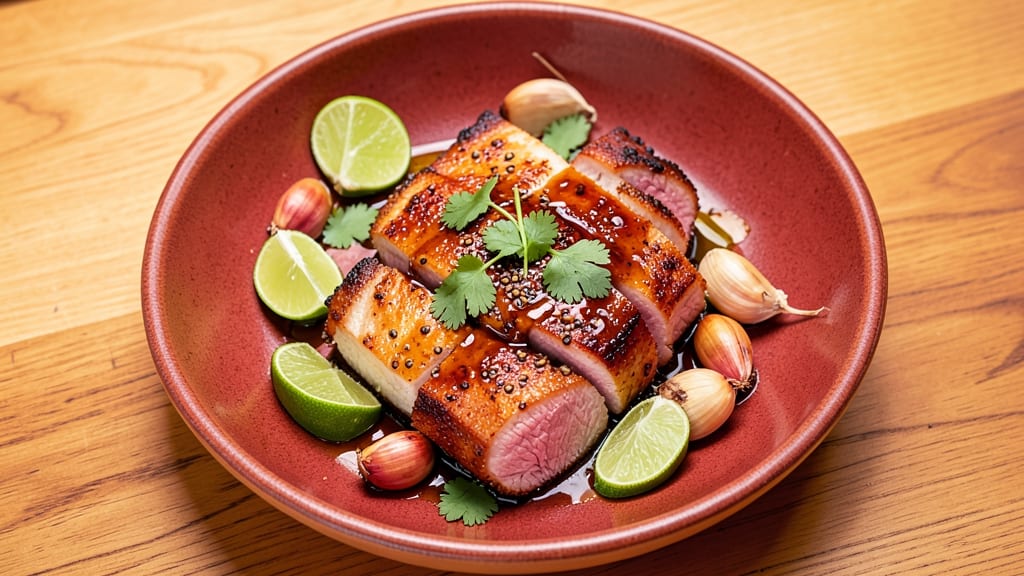
This Brazilian pork tenderloin recipe transforms simple ingredients into a dish that tastes like a churrascaria feast. The secret lies in a cachaça marinade that infuses the meat with citrus brightness and smoky depth, while high-heat grilling creates those coveted crispy edges we all crave.
After years of perfecting this technique at my farm, I've developed a method that delivers restaurant-quality results at home—no fancy equipment required.
The marinade is where the magic happens: garlic, lime, and cumin work together to tenderize the meat while building layers of flavor. We grill it over medium-high heat until the exterior develops that perfect caramelized crust, then let it rest to ensure juicy, melt-in-your-mouth texture.
The result? A dish that pairs beautifully with farofa, black beans, or even a tropical salsa—just like you'd find in a Brazilian steakhouse.
What makes this recipe truly special is how it captures the soul of Brazilian cooking without requiring exotic ingredients. The cachaça adds an authentic touch that's impossible to replicate with vodka or rum, while the grilling technique ensures that crispy crust we all love.
This isn't just pork tenderloin—it's a celebration of Brazilian flavors that will have your guests asking for seconds.
Serve with a caipirinha on the side for the full experience, or pair it with a simple farofa to soak up those delicious juices. The combination of textures—crispy exterior, tender meat, and crumbly farofa—makes this dish unforgettable. Let's get cooking!
Ingredients for brazilian pork tenderloin
Just 12 ingredients for a dish that tastes like a Brazilian churrascaria feast at home.
| Ingredient | Amount | Notes |
|---|---|---|
| Pork Tenderloin 🥩 | 1 ½ lb | Center-cut, trimmed of fat |
| Cachaça 🍹 | ½ cup | Brazilian sugar cane liquor |
| Fresh Lime Juice 🍋 | ¼ cup | From 2-3 limes, freshly squeezed |
| Garlic Cloves 🧄 | 6 cloves | Minced for marinade |
| Ground Cumin 🌿 | 1 ½ tbsp | Freshly toasted for depth |
| Olive Oil 🫒 | ¼ cup | Extra-virgin for richness |
| Salt 🧂 | 1 ½ tsp | Diamond Crystal kosher |
| Ground Black Pepper 🌶️ | ½ tsp | Freshly cracked |
| Smoked Paprika 🌶️ | 1 tsp | For smoky depth |
| Fresh Cilantro 🌿 | ¼ cup | Chopped, for garnish |
| Lime Zest 🍋 | 1 tbsp | From 1 lime, for brightness |
| Vegetable Oil 🫒 | 2 tbsp | For high-heat grilling |
The pork tenderloin is your star—center-cut and trimmed for even cooking. Grab one from Whole Foods or your local butcher; they'll know what to look for. Cachaça is non-negotiable here—it's the soul of Brazilian flavors. If you can't find it, Leblon or Mastique are reliable brands, but don't substitute with vodka or rum. The lime juice should be freshly squeezed (bottled won't cut it), and those bright green cloves of garlic will make all the difference. Toast the cumin seeds in a dry pan for 30 seconds before grinding—worth the extra minute for that nutty aroma.
No cachaça? White rum or vodka with a splash of orange juice can stand in, but it won't be authentic. Fresh cilantro? Substitute with parsley at half the amount if you're out. The smoked paprika adds depth, but if you only have regular paprika, add a pinch of liquid smoke to mimic the smokiness. For the marinade, let the pork soak for at least 2 hours (overnight is ideal)—this is where the magic happens. And if you're worried about the pork being too lean, pat it dry before grilling for that perfect crispy crust.
Marinated pork keeps 2 days in the fridge, but grill it within 24 hours for best texture. The marinade itself? Use within 3 days or freeze for 1 month. For leftovers, slice thinly and serve on toasted bread with a squeeze of lime—Brazilian-style sandwiches are a game-changer. And if you're making farofa to go with it, toast the cassava flour in butter until it's golden and crumbly—trust me on this.
Why You'll Love This Recipe
- I’ll be real: this pork stays so good reheated it becomes my lazy dinner savior. Slice it for sandwiches, toss it in salads, or just eat it cold with crackers—it’s that versatile. My freezer’s full of it, and nobody complains.
- One-Pan Magic: Between us, this dish is that rare recipe where you toss everything on a sheet pan and walk away. The cumin and garlic marinate right into the pork while it roasts, so no extra bowls or mess—just golden, juicy perfection with a side of caramelized crust.
- Taste Like a Trip: Honestly, the cachaça and lime juice combo is what makes this special. It’s bright, a little tangy, and just sweet enough—like a Brazilian beach vacation in your mouth. (Yes, even on a Tuesday night.)
- Leftovers That Beg: I’ll be real: this pork stays so good reheated it becomes my lazy dinner savior. Slice it for sandwiches, toss it in salads, or just eat it cold with crackers—it’s that versatile. My freezer’s full of it, and nobody complains.
Step-by-step instructions for Brazilian pork tenderloin with crispy edges
Here's how to transform simple pork into a restaurant-worthy dish with bold Brazilian flavors.
Prepare the Cachaça Marinade
In a medium bowl, whisk together the 0.5 cup cachaça, 0.25 cup fresh lime juice, 1.5 tbsp ground cumin, 1 tsp smoked paprika, 1.5 tsp salt, and 0.5 tsp ground black pepper until fully combined. The cachaça will create a bright, aromatic base that tenderizes the meat while adding depth. Add the 6 cloves minced garlic cloves and 1 tbsp lime zest, stirring until evenly distributed. This marinade should smell vibrant and slightly smoky—like a Brazilian street festival.
Place the 1.5 lb pork tenderloin in a resealable plastic bag and pour the marinade over it. Gently massage the marinade into the meat, ensuring it coats all sides evenly. Seal the bag and refrigerate for at least 4 hours or overnight. The acidity in the lime and cachaça will break down the muscle fibers, while the spices penetrate deeply, guaranteeing a tender, flavorful result.
Sear the Pork for Maximum Crispiness
Remove the pork from the marinade (reserve the marinade for later) and pat it dry with paper towels—this step is critical for achieving crispy edges. Heat a skillet over medium-high heat and add 2 tbsp vegetable oil. Once the oil shimmers (around 350°F), carefully place the pork tenderloin in the skillet. Sear for 3-4 minutes per side, pressing down gently with a spatula during the first minute to ensure even contact with the pan. You'll know it's ready when the exterior develops a deep golden-brown crust.
Transfer the seared pork to a plate and let it rest for 5 minutes while you prepare the finishing sauce. The resting period allows the juices to redistribute, preventing them from running out when you slice. Don't skip this—it's the secret to juicy, tender meat every time.
Build the Flavorful Sauce
In the same skillet (no need to clean it—the browned bits are flavor gold), reduce the heat to medium and add 0.25 cup olive oil. Pour in the reserved marinade and scrape up any browned bits from the bottom of the pan. Bring the mixture to a gentle simmer and cook for 5-7 minutes until it reduces by about half and thickens slightly. The sauce should coat the back of a spoon and smell intensely aromatic—like a mix of citrus, cumin, and smoky paprika.
Strain the sauce through a fine-mesh sieve to remove any garlic bits, then return it to the skillet. Add the seared pork tenderloin back to the skillet, spooning the sauce over the top. Let it simmer for 2-3 minutes, basting the pork with the sauce until it's fully coated and glistening. This step ensures every bite is infused with the marinade's bold flavors.
Rest and Garnish for Serving
Transfer the pork to a cutting board and let it rest for 10 minutes before slicing. This resting period is crucial—it allows the juices to settle back into the meat, ensuring each slice is moist and flavorful. While it rests, chop the 0.25 cup fresh cilantro and set it aside for garnishing. The bright, herbaceous notes of cilantro will cut through the richness of the pork and add a fresh finish.
Slice the pork tenderloin into ½-inch thick medallions and arrange them on a platter. Spoon the remaining sauce over the top and garnish with the chopped cilantro. Serve immediately with your choice of sides—grilled vegetables, black beans, or a simple citrus salad would complement this dish beautifully. The result should be a perfect balance of crispy edges, tender meat, and a vibrant, tangy sauce that transports you straight to Brazil.
Pro Tips For Making Brazilian Pork Tenderloin
- Sear First, Braise Second: The pork tenderloin’s exterior needs a good crust before it goes into the cachaça-lime marinade. After a quick 2-3 minute sear in a screaming-hot skillet (yes, even if it’s just a small piece), pull it out and let it rest for 5 minutes. This locks in juices and gives you something to bite into while the sauce simmers—no one wants a meal where the meat’s just a sad, flavorless sponge.
- Use Fresh Cumin, Toasted: Ground cumin loses its punch fast, but whole cumin seeds? Toast them in a dry pan for 30 seconds until fragrant, then grind them fresh. I learned this the hard way—pre-ground cumin in my pantry tasted like dust. Sprinkle the toasted version over the pork while it rests under foil, and you’ll taste the difference. (And no, the extra 30 seconds isn’t worth skipping.)
- Don’t Overcrowd the Pan: If you’re deglazing the skillet with cachaça after searing, resist the urge to dump everything in at once. Let that pork release its juices into the pan first, then add just enough cachaça to deglaze—about 2 tablespoons for a medium skillet. Crowd it, and you’ll steam the meat instead of building flavor. A few minutes of patience here means a sauce that actually coats the pork, not a watery mess.
- Rest the Meat Properly: After cooking, tent that pork with foil and let it sit for at least 10 minutes. I know, I know—you’re hungry. But cutting into it too soon sends all the juices running out, and you’ll end up with a dry, sad slice. Use that time to finish the sauce or prep sides. Trust me, the first bite after resting will make you forget you waited.
Troubleshooting perfect results
Overcooked Exterior
If your pork emerges dry or rubbery, it likely cooked past 145°F internal temperature. Use a meat thermometer—insert it into the thickest part, avoiding fat. For a 1.5 lb tenderloin, aim for 140-145°F (medium-rare) to maintain juiciness.
I’ve seen home cooks overcook this by 10°F or more because pork tenderloin cooks faster than steaks. 🌡️
To fix: Reduce heat to medium-low once the exterior reaches golden brown, then tent with foil. Let it cook slowly until internal temp hits 140°F. If you’ve already overcooked, slice thinly and serve with extra sauce or a creamy farofa to restore moisture.
Uneven Cooking
Uneven doneness often happens when the pork isn’t fully submerged in marinade or the pan isn’t hot enough. Always marinate the pork in a sealed bag, turning it occasionally. For searing, ensure your skillet is preheated to 350°F—test with a drop of water that sizzles immediately.
If your pan isn’t hot enough, the pork will steam instead of sear, leading to pale, uneven edges.
Pro tip: Use a cast iron skillet (like my vintage Lodge) for even heat distribution. If you notice one side cooking faster, rotate the pork every 30 seconds during the first minute of searing. For grilled versions, preheat the grill to 400°F and oil the grates thoroughly.
Sauce Too Thin
A watery sauce usually means the marinade wasn’t reduced enough. After searing, simmer the reserved marinade over medium heat until it thickens to a syrupy consistency—about 5-7 minutes.
If it’s still too thin, remove from heat and stir in 1 tsp cornstarch mixed with 1 tbsp water, then return to low heat until thickened.
For extra depth, deglaze the pan with 2 tbsp cachaça (if you have leftover) after removing the pork. The alcohol burns off, leaving behind a rich, caramelized flavor. If you’re short on time, a splash of orange juice works in a pinch, but it won’t be as authentic. 🍹
Pork Sticking
When pork sticks to the pan, it’s usually because the marinade wasn’t fully absorbed or the meat wasn’t dry enough. Always pat the pork dry with paper towels before searing—this creates a crust that locks in juices. If it sticks mid-cook, don’t panic!
Use a thin metal spatula to gently lift the edges, then slide the pork out. For stubborn cases, add 1 tbsp vegetable oil to the pan and let it heat for 30 seconds before trying again.
To prevent sticking in the future, marinate the pork for at least 4 hours (overnight is ideal) to ensure the flavors penetrate deeply. Also, avoid overcrowding the pan—cook one piece at a time if needed.
A well-seasoned cast iron skillet helps too; I season mine with flaxseed oil for extra non-stick properties.
Nutrition facts
Frequently asked questions
Can I substitute cachaça in this Brazilian pork tenderloin recipe?
While cachaça is essential for authentic flavor, you can use white rum or vodka with 1 tbsp orange juice per 0.5 cup as a substitute. However, the dish won't have the same smoky depth. For best results, look for Leblon or Mastique cachaça—they're widely available at specialty liquor stores or online.
How long should I marinate the pork tenderloin for?
Marinate for at least 4 hours to tenderize the meat, but overnight (up to 24 hours) yields the best flavor penetration. The acidity in lime and cachaça works its magic over time, so don't rush this step. Just don't exceed 24 hours—longer marinating can make the meat mushy.
What's the best way to serve this Brazilian pork tenderloin?
Slice the pork into ½-inch medallions and serve with traditional Brazilian sides like farofa (toasted cassava flour), black beans, or a mango-avocado salsa. For drinks, a caipirinha (lime, sugar, cachaça) completes the experience. The crispy edges pair perfectly with creamy farofa to soak up all the juices.
Can I cook this pork tenderloin in the oven instead of searing?
Yes! Preheat oven to 400°F, place the marinated pork on a wire rack over a baking sheet, and roast for 15-20 minutes until internal temp reaches 140-145°F. For crispy edges, broil for 2-3 minutes at the end. The sauce method remains the same—simmer the reserved marinade until thickened and spoon over the cooked pork.
Why does my pork turn out dry even when following the recipe?
Overcooking is the most common culprit—pork tenderloin cooks faster than you might expect. Use a meat thermometer and aim for 140-145°F internal temperature. If it's overcooked, slice thinly and serve with extra sauce or creamy farofa to restore moisture. Also ensure you're patting the meat dry before cooking for that perfect crust.