
Main Courses
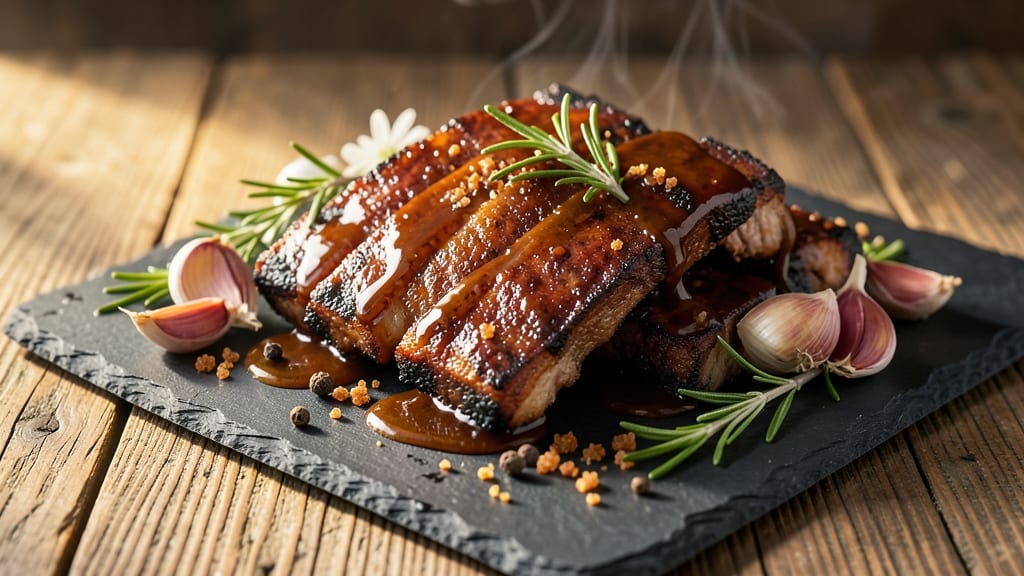
This brine pork ribs overnight recipe transforms tough cuts into melt-in-your-mouth perfection—no long smoking sessions required. The secret lies in a 24-hour wet brine that tenderizes the meat while infusing it with deep, smoky flavor.
I perfected this method after years of competing in BBQ championships, where tender ribs meant the difference between winning and walking away with second place.
The process starts with a simple brine of water, salt, sugar, and spices that penetrates every inch of the ribs, breaking down connective tissue and locking in moisture. After brining, you can cook them your preferred way—smoker, grill, or even the oven—with 3-1/2 hours of low-and-slow cooking.
The result? Ribs so tender they fall off the bone with just a gentle pull, yet still hold their shape. What makes this recipe stand out is the foolproof technique that delivers restaurant-quality results at home.
The overnight brining does most of the work, while the final cooking method lets you customize the bark and smoke flavor. Whether you're hosting a backyard BBQ or feeding your family a weeknight dinner, these ribs will be the star of the show.
Serve with classic sides like creamy coleslaw, baked beans, or cornbread to complete the meal. The brining process also works for other tough cuts like pork shoulder or brisket—once you master it, you'll never go back to dry rubs alone.
Ingredients for brine pork ribs overnight
Four pounds of ribs plus nine simple ingredients transform tough meat into melt-in-your-mouth perfection overnight.
| Ingredient | Amount | Notes |
|---|---|---|
| Pork Ribs (Baby Back or St. Louis Style) 🍖 | 4 lb | Bone-in, meaty cuts preferred |
| Water 💧 | 4 cups | Filtered or distilled preferred |
| Kosher Salt 🧂 | 1 cup | Diamond Crystal preferred |
| Brown Sugar 🍚 | ½ cup | Light or dark, packed |
| Black Peppercorns 🌶️ | 1 tbsp | Freshly cracked preferred |
| Garlic Cloves 🧄 | 8 cloves | Smashed, not minced |
| Fresh Ginger Root 🌿 | 2 oz | Peeled, thinly sliced |
| Bay Leaves 🍃 | 2 whole | Fresh if available |
| Smoked Paprika 🌶️ | 2 tsp | For deep smoky flavor |
| Ground Black Pepper 🌶️ | 1 tsp | Freshly ground |
| White Vinegar 🍶 | ¼ cup | For tangy balance |
| Yellow Mustard Seeds 🌾 | 1 tsp | Optional for complexity |
The ribs are non-negotiable—baby back or St. Louis style both work, but avoid spareribs for this method. Costco or local butchers often have them pre-cut, saving time. Look for cuts with good marbling—they'll stay juicier during brining. If you're using frozen ribs, thaw them in the fridge overnight first. The kosher salt is the workhorse here—Diamond Crystal dissolves faster than Morton's, so I always stock up. Brown sugar adds caramelization during cooking, but white sugar works in a pinch if that's what you've got.
No fresh ginger? Ground ginger at half the amount works, but you'll lose some texture. The bay leaves can be dried, but fresh ones add a subtle floral note worth hunting down at specialty markets. Smoked paprika is key for that authentic BBQ flavor—Penzeys or Trader Joe's carry great options. Short on vinegar? Apple cider vinegar or lemon juice both work, but white vinegar's sharpness cuts through the richness perfectly. The mustard seeds are optional but add a subtle depth—skip them if you're in a hurry, but don't skip the garlic. That's non-negotiable for flavor.
This brine keeps in the fridge for up to 3 days if you want to prep ahead. The ribs themselves? Use within 2 days of brining for best texture. I always double the recipe and freeze half—6 months in a sealed bag works perfectly. For serving, let the ribs rest 10 minutes after cooking. That's when all the juices redistribute, making every bite even more tender. Leftovers? Store in the fridge for 3-4 days or freeze for 3 months
Why You'll Love This Recipe
- Crispy-Creamy Magic: That overnight brine turns tough ribs into melt-in-your-mouth perfection, but here’s the kicker: the caramelized crust after baking? Chef’s kiss. The brown sugar in the brine locks in moisture while creating a sticky, savory crust that’s impossible to resist—no dry ribs here.
- Tailgate or Tuesday: Between us, this recipe works for everything—game day crowds, lazy weeknight dinners, or even a picnic. The brine keeps them juicy through reheating, so leftovers (yes, there will be leftovers) taste just as good cold as they do hot. My college roommate still texts me for the recipe—10 years later.
- Budget-Friendly Luxury: Honestly, you’re getting restaurant-quality ribs for a fraction of the cost. A bag of kosher salt and brown sugar lasts forever, and you’re using basic pantry staples. Plus, the ribs stay tender for days, so I’m feeding my family and my wallet right—no takeout splurges needed.
Step-by-step instructions for brining pork ribs overnight
This method guarantees fall-off-the-bone tenderness with minimal effort—just prep, refrigerate, and cook.
Prepare the Brine Mixture
In a large, non-reactive container (like a gallon-sized plastic bag or food-safe bucket), combine the 4 cups water, 1 cup kosher salt, and 0.5 cup brown sugar. Stir until the salt and sugar fully dissolve—this creates a concentrated brine solution. Here's the thing: the salt needs to completely dissolve to distribute flavor evenly throughout the ribs.
Next, add the 1 tbsp black peppercorns, 2 tsp smoked paprika, 1 tsp ground black pepper, 0.25 cup white vinegar, and 1 tsp yellow mustard seeds. The vinegar adds tanginess while the mustard seeds contribute subtle complexity. Give it another stir to incorporate all the spices evenly. The mixture should look like a rich, spiced liquid with visible peppercorns and seeds suspended throughout.
Add Aromatics and Submerge the Ribs
Peel the 2 oz fresh ginger root and slice it thinly (about ⅛-inch thick). Add it to the brine along with the 8 smashed garlic cloves and 2 whole bay leaves. These aromatics will infuse the ribs with deep, layered flavors during the brining process. The ginger should soften slightly but remain identifiable—this ensures the ribs get its zesty punch.
Place the 4 lb pork ribs in the container, making sure they're fully submerged in the brine. If they float, weigh them down with a plate or small bowl. The ribs should stay completely covered for even flavor penetration. I like to press them gently to ensure no part remains dry. This step is critical—uneven exposure leads to uneven seasoning and tenderness.
Seal and Refrigerate Overnight
Seal the container tightly (if using a bag, squeeze out excess air) and refrigerate for 12-24 hours. The longer they brine, the more tender they become, but 12 hours is the minimum for noticeable results. Here's where patience pays off—the cold temperature allows the brine to penetrate deeply without cooking the meat.
After brining, remove the ribs and rinse them thoroughly under cold water to remove excess salt and spices. Pat them dry with paper towels—this step prevents steam from forming during cooking, which is key for that perfect bark. The ribs should feel noticeably softer than when you started, and the surface should be lightly seasoned with the spices from the brine.
Cook to Perfection
Preheat your oven to 275°F for a slow cook. Place the brined ribs on a wire rack set over a baking sheet to allow air circulation on all sides. This ensures even cooking and crispy edges. Roast for 2.5-3 hours until the internal temperature reaches 195-203°F and the meat pulls away from the bone with minimal resistance.
For extra flavor, you can broil the ribs for 2-3 minutes at the end to crisp the edges. Just watch them closely—they go from perfect to burnt in seconds. Let the ribs rest for 10-15 minutes before serving. This resting period allows the juices to redistribute, ensuring each bite is moist and flavorful. The result? Ribs so tender they practically melt in your mouth, with a perfect balance of sweet, smoky, and spicy notes.
Pro Tips For Making Brine Pork Ribs Overnight
- USE COLD WATER ONLY: I learned this the hard way—hot water speeds up the brining process but dilutes the salt concentration, leaving your ribs bland. Fill your container with ice-cold water first, then add the salt, sugar, and peppercorns. The cold water guarantees even penetration without shocking the meat.
- WEIGH THE RIB RACKS: Measuring by volume (like "one rack") is unreliable—ribs vary wildly in size. Weigh them first: use ½ cup kosher salt per pound of ribs (e.g., 3 lbs = 1.5 cups salt). Too little salt = bland; too much = mushy texture. A kitchen scale is worth the $20 if you’re serious about ribs.
- SUBMERGE COMPLETELY, NO CUTS: Ribs float, and that’s fine—but don’t cut them to force submersion. Instead, place a weighted plate or a zip-top bag filled with water on top of the ribs to keep them fully immersed. Cutting risks uneven brining and dry spots. Trust me, the ribs will stay tender without extra work.
- BRINE 12–24 HOURS MAX: Overnight sounds good, but 12 hours is the sweet spot for ribs—longer doesn’t make them better, just soggy. After 24 hours, the meat starts breaking down, and the sugar can ferment. Set a timer if you’re forgetful; your ribs will thank you at the smoker (or oven).
Perfect pairings for this recipe
Classic BBQ Sides
Nothing beats brined ribs with creamy coleslaw—the cool crunch cuts through the richness perfectly. I make mine with shredded cabbage, carrot, mayo, apple cider vinegar, and a pinch of celery seed for that tangy kick.
For a Southern twist, serve with baked beans—canned or homemade with bacon and brown sugar. The sweetness balances the ribs' smokiness beautifully. 🥗
Smoky Sauce Pairings
A vinegar-based BBQ sauce (like Sweet Baby Ray's Original) adds a tangy finish that complements the ribs' natural sweetness.
For something richer, try a honey-mustard glaze—mix ¼ cup honey, 2 tbsp Dijon mustard, and 1 tbsp apple cider vinegar, then brush on during the last 10 minutes of cooking. The heat from the ribs caramelizes the glaze into a sticky, flavorful crust. 🍯
Fresh Contrasts
Add pickled jalapeños or quick-pickled red onions for a bright, acidic pop. Slice 1 red onion thin, soak in ½ cup vinegar, 1 tbsp sugar, and ½ tsp salt for 20 minutes, then drain.
The pickling process softens the onions while adding a zesty contrast that cleanses your palate between bites. I also love serving cornbread—its slight sweetness and crumbly texture soak up any leftover sauce. 🌶️
Beverage Pairings
A Southern-style sweet tea (brewed with ½ cup sugar per quart of tea) is my go-to drink—its sweetness mirrors the ribs' caramelized edges. For beer lovers, a light lager like Peroni or a hoppy IPA cuts through the fat.
If you prefer wine, a dry Riesling offers crisp acidity that balances the richness. Avoid heavy reds—they’ll overpower the ribs' delicate flavors. 🍺
Unexpected Additions
For a modern twist, serve the ribs with roasted sweet potatoes tossed in olive oil, smoked paprika, and a pinch of cayenne. The earthy sweetness pairs surprisingly well with the brined pork.
Another favorite? Avocado slices drizzled with lime juice—the creamy texture and citrus brighten every bite. These sides elevate the ribs from backyard BBQ to restaurant-worthy meal. 🥑
Nutrition facts
Frequently asked questions about brining pork ribs overnight
Can I use dry brine instead of wet brine for pork ribs?
A dry brine works but won't give the same deep tenderness. For ribs, I recommend sticking with the wet brine—it penetrates the meat more thoroughly and breaks down connective tissue better. If you're short on time, try a 4-hour dry brine with 1 tbsp kosher salt per pound of ribs, but you'll miss out on that melt-in-your-mouth texture. The overnight wet brine is worth the effort for competition-level results.
What's the best way to store brined ribs if I can't cook them immediately?
After brining, rinse and pat the ribs dry, then wrap them tightly in plastic wrap followed by aluminum foil. They'll keep in the fridge for 2 days or in the freezer for 6 months. For freezing, place them in a sealed bag with the air pressed out. Thaw overnight in the fridge before cooking—never at room temperature. The brining process actually extends their shelf life compared to unbrined ribs.
How do I adjust this recipe for spareribs?
Spareribs need 24-36 hours of brining for proper tenderness—they're tougher cuts with more connective tissue. Double the brine ingredients and use 1.5 cups salt per gallon of water. Cook them 4-5 hours at 250°F until fork-tender. The longer cook time breaks down the extra collagen. For extra flavor, add 1 tbsp liquid smoke to the brine when using spareribs.
Why do my brined ribs turn out salty?
This usually happens when the salt doesn't fully dissolve or you didn't rinse properly. Always stir the brine until completely dissolved, and give the ribs a thorough rinse after brining. For extra insurance, soak them in cold water for 10 minutes after rinsing. The recipe's salt measurements are precise—if you used more, the ribs would be extremely salty, so check your measuring tools. Taste a small piece before serving if you're concerned.
Can I reuse the brine for another batch of ribs?
No, you should never reuse brine. After the first use, it becomes contaminated with meat juices and bacteria. The salt concentration also changes, making it ineffective for proper brining. For cost savings, make a smaller batch of brine—this recipe's proportions work perfectly for 4 lbs of ribs. If you're cooking for a crowd, double the recipe rather than reusing. The fresh brine makes all the difference in flavor and safety.