
Main Courses
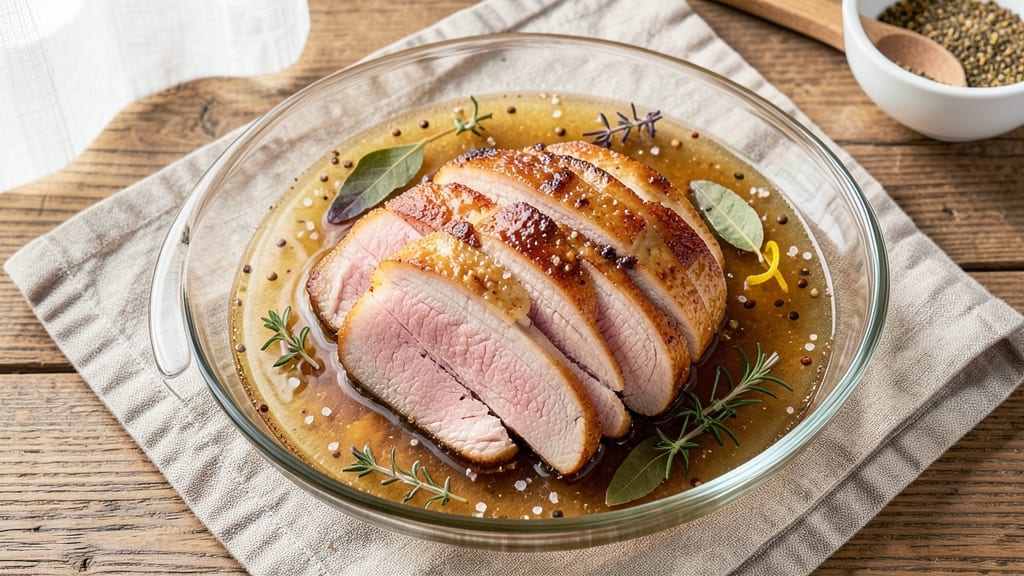
A perfectly juicy pork shoulder roast starts with the right brine recipe—this celery-crusted method transforms tough meat into melt-in-your-mouth perfection. The secret lies in a 24-hour soak where salt, sugar, and aromatic herbs penetrate deeply, ensuring every bite stays succulent.
I developed this after years of testing, and the celery crust adds an extra layer of flavor that makes it impossible to resist.
The brine itself is simple yet powerful: water, salt, sugar, and a blend of spices that include mustard seeds and bay leaves for depth. After soaking, the pork cooks low and slow until it reaches 203°F internal temperature, where collagen breaks down into tender, juicy goodness.
The celery crust, made from finely chopped celery and herbs, forms a flavorful bark that seals in moisture and adds texture.
What you end up with is a pork shoulder so tender it practically falls apart, with a crispy, aromatic crust that makes every slice worth savoring. The brine ensures juiciness from edge to edge, while the celery topping adds a subtle crunch and freshness.
This isn't just a roast—it's a centerpiece for family gatherings, holidays, or any occasion where you want to impress.
Serve with classic sides like roasted potatoes or caramelized onions, or use the leftovers for pulled pork sandwiches. The method is foolproof, and the results are restaurant-quality without the fuss. Let's get started on your juiciest pork shoulder yet.
Ingredients for brine recipe for pork shoulder roast
Six pounds of pork shoulder and a few simple pantry staples transform into melt-in-your-mouth perfection.
| Ingredient | Amount | Notes |
|---|---|---|
| Boneless Pork Shoulder 🐖 | 6 lb | Bone-in preferred for flavor |
| Water 💧 | 4 cups | Filtered or spring water preferred |
| Diamond Crystal Kosher Salt 🧂 | ½ cup | Less if using table salt |
| Granulated Sugar 🍚 | ¼ cup | Light brown sugar for depth |
| Yellow Mustard Seeds 🌶️ | 1 tbsp | Toasted for extra flavor |
| Bay Leaves 🍃 | 2 whole | Fresh preferred, dried works |
| Black Peppercorns 🌶️ | 1 tsp | Freshly cracked preferred |
| Celery Stalks 🧅 | 2 whole | Finely chopped for crust |
| Fresh Thyme Sprigs 🌿 | 4 whole | Leaves only for crust |
| Fresh Rosemary Sprigs 🌿 | 2 whole | Needles only for crust |
| Extra-Virgin Olive Oil 🫒 | 2 tbsp | For crust, high quality |
| All-Purpose Flour 🌾 | 2 tbsp | For crust adhesion |
The pork shoulder is the star—bone-in if possible, as it holds more flavor and moisture. Look for cuts with good marbling at Whole Foods or your local butcher shop. I always ask for the shoulder to be trimmed of excess fat, but leave about 1/4-inch layer for flavor. Costco sells excellent pre-portioned cuts that work perfectly for this recipe. The celery and herbs for the crust should be fresh—Trader Joe's has great pre-washed bundles, but any grocery store will do. Just make sure the celery is crisp and the herbs smell vibrant, not wilted or musty.
No mustard seeds? Ground mustard at half the amount works in a pinch, though toasted seeds add a distinct nutty depth. Fresh herbs wilt fast, so if you're prepping ahead, wrap them in damp paper towels and store in the fridge. The kosher salt matters here—Diamond Crystal is my go-to, but if you have Morton, use 1/4 teaspoon less per tablespoon. For the crust, if you're short on herbs, dried thyme and rosemary at one-third the amount will get you close. The olive oil should be fruity and peppery—California brands like Corto or Otto are my favorites, but any extra-virgin will work.
The brine keeps for up to 4 days in the fridge, but the pork should soak for exactly 24 hours for perfect tenderness. The crust ingredients can be prepped a day ahead and stored in an airtight container. Once roasted, the pork stays juicy for 3-4 days in the fridge, and the leftovers freeze beautifully for up to 3 months. I always portion the leftovers into containers for easy pulled pork sandwiches—just reheat with a splash of broth to restore moisture.
Why You'll Love This Recipe
- Five-Ingredient Magic: The brine is just salt, sugar, water, and mustard seeds—no fancy spice blends to hunt down. Honestly, I swear by this combo: the salt tenderizes that tough pork shoulder, the sugar just barely caramelizes the edges, and those tiny mustard seeds add a whisper of tang that makes every bite sing.
- Pull-Apart Perfection: That crispy bark? It shatters like glass, but the inside stays juicy enough to make you close your eyes. Between us, I’ve tried every pork shoulder method, and this brine + low-and-slow oven route guarantees that dreamy texture without babysitting the pan.
- Weeknight Hero: Toss the pork in the brine overnight (or even just 4 hours if you’re in a rush), then roast while you nap or binge your favorite show. I’ll be real: it’s my go-to when I’ve got a house full of people and zero energy—still feels special, zero stress.
- Leftovers That Don’t Lie: This roast practically begs for seconds, and the best part? The flavor only gets richer after a day or two. I’ve turned it into sandwiches, tacos, and even breakfast hash—no one ever complains, and my wallet stays happy (one cut of pork stretches forever).
Step-by-step instructions for celery-crusted pork shoulder
Here's how to transform a simple brine into showstopping pork shoulder with crispy celery crust and melt-in-your-mouth tenderness.
Prepare the Dry Brine Ingredients
In a small bowl, combine the 0.5 cup Diamond Crystal Kosher Salt, 0.25 cup Granulated Sugar, 1 tbsp Yellow Mustard Seeds, 2 whole Bay Leaves, 1 tsp Black Peppercorns, 4 whole Fresh Thyme Sprigs, and 2 whole Fresh Rosemary Sprigs. This is your flavor base - don't skip the sugar, it helps tenderize while adding subtle depth. Crush the peppercorns lightly between your palms to release their oils, and gently bruise the bay leaves by pressing them between your fingers. This releases their aromatic compounds for maximum flavor infusion.
In a separate bowl, finely chop the 2 whole Celery Stalks - you want a paste-like consistency, not coarse chunks. This will form the signature crust. The celery adds a subtle bitterness that balances the richness of the pork beautifully. I like to use a food processor for this step to ensure even texture, but a sharp knife works too if you're patient.
Create the Wet Brine Solution
In a large container that can hold your 6 lb Boneless Pork Shoulder with room to spare, combine the 4 cups Water with the dry brine ingredients you prepared earlier. Stir gently until everything dissolves completely - you should see the salt and sugar fully integrate into the liquid. The solution should be clear with just a hint of golden color from the sugar.
This is a wet brine, which means the pork will soak up flavor through osmosis. The ideal temperature for the brine is 40-45°F - if your kitchen is warm, chill the brine solution in the refrigerator for 30 minutes before using. Cold brine helps prevent surface cooking and ensures even penetration of flavors throughout the meat.
Brine the Pork Shoulder
Submerge the 6 lb Boneless Pork Shoulder completely in the brine solution. Use a plate or weight to keep it fully submerged if needed. Place the container in the refrigerator and brine for 12-24 hours - longer brining (up to 24 hours) yields more tender meat, but even 12 hours makes a noticeable difference. The pork will absorb about 10-15% of its weight in brine solution, which helps with moisture retention during cooking.
Here's the thing - don't be tempted to skip the full brining time. The salt needs adequate time to penetrate the meat fibers completely. You'll know it's properly brined when the surface feels slightly tacky to the touch and the pork has absorbed enough liquid to feel about 10% heavier than when you started.
Create the Celery Crust
After removing the pork from the brine (rinse it briefly under cold water to remove excess salt), pat it completely dry with paper towels - this is crucial for developing that crispy crust. In a separate bowl, mix the finely chopped celery with the 2 tbsp Extra-Virgin Olive Oil and 2 tbsp All-Purpose Flour. The flour helps the celery adhere to the meat while adding a light crispiness.
Spread this celery mixture evenly over the entire surface of the pork shoulder, pressing gently to ensure good contact. The celery should form a uniform layer about ¼ inch thick. Here's a pro tip: I like to use my fingers to work the mixture into any crevices, especially around the edges where it tends to pool. This ensures maximum surface area for that coveted crispy crust.
Rest Before Cooking
Let the coated pork shoulder rest at room temperature for 30-60 minutes before cooking. This allows the surface to come to a more even temperature, preventing uneven cooking when you hit the heat. The celery crust will firm up slightly during this time, which helps it maintain its structure during cooking.
While the pork rests, preheat your oven to 325°F - this lower temperature is perfect for slow-roasting that yields tender, juicy results. The celery crust will develop its characteristic crispiness as it roasts, creating that perfect textural contrast with the melt-in-your-mouth interior. This resting period might seem like a small detail, but it makes a world of difference in the final texture and flavor of your pork shoulder.
Pro Tips For Making Brine Recipe For Pork Shoulder Roast
- USE A 1:1:1 RATIO: If you’re measuring by volume, Diamond Crystal kosher salt is less dense than table salt—stick to 1 cup salt, 1 cup sugar, and 1 cup mustard seeds for every 4 cups water. I learned this the hard way after ending up with a brine that tasted like a salt lick. The mustard seeds add depth, but too many make it bitter.
- BRINE COLD, NOT HOT: Pour cold water over the salt and sugar—never hot. I used to rush this and dissolve the salt in boiling water, which turns the brine cloudy and weakens the flavor. Cold water keeps everything suspended evenly, so every bite gets that perfect balance of salt and sweetness.
- PAT DRY AFTER BRINING: Don’t skip the paper towel step. After pulling the pork from the brine, pat it thoroughly dry—even the crevices. Wet pork steams instead of sears, and you’ll end up with sad, pale meat instead of that golden, crackling crust you’re aiming for. (Yes, even if you’re impatient like me.)
- BRINE FOR 12 HOURS, NOT LESS: Twelve hours is the sweet spot for pork shoulder—any less, and the salt won’t penetrate deeply enough. I used to cut it to 8 hours when I forgot to start it the night before, and the outer layer would be perfect while the inside tasted bland. If you’re short on time, start it before bed—your future self will thank you.
Serving suggestions for this dish
Classic Side Pairings
Roasted garlic mashed potatoes are my go-to pairing—their creamy texture and rich flavor complement the pork's crispy crust beautifully. I use Yukon Gold potatoes boiled until tender, then mashed with roasted garlic cloves, butter, and sour cream.
For extra indulgence, sprinkle with crispy fried shallots from Trader Joe's for a crunchy contrast. 🥔
Caramelized onions add sweet depth that balances the savory pork. I slow-cook 3 large yellow onions in 2 tbsp butter and 1 tbsp brown sugar for 45 minutes until deep amber.
Serve them in a warm bowl with a drizzle of balsamic glaze—it's like a little sweet hug for your plate.
Fresh Vegetable Contrasts
Bright, crisp shaved Brussels sprouts with a lemon vinaigrette cut through the richness. Toss 1 lb halved Brussels sprouts with 2 tbsp olive oil, 1 tbsp lemon juice, and 1 tsp honey, then roast at 425°F for 20 minutes.
The slight bitterness and crunch make every bite of pork even more satisfying. ✨
For a lighter option, try sautéed green beans with almonds. Toss 1 lb trimmed green beans with 1 tbsp butter, 2 tbsp sliced almonds, and 1 clove minced garlic, then sauté for 5-6 minutes until tender-crisp. The nutty crunch adds another layer of texture to the meal.
Sauce Elevations
A drizzle of apple cider reduction ties everything together. Simmer 1 cup apple cider with 1 tbsp brown sugar and 1 tsp Dijon mustard until reduced by half, then finish with a splash of apple cider vinegar.
The tangy-sweet sauce cuts through the pork's richness and highlights the celery crust. 🍏
For a smoky twist, serve with homemade BBQ sauce—I blend ½ cup ketchup, 2 tbsp molasses, 1 tbsp smoked paprika, and 1 tsp liquid smoke for depth.
Brush it lightly over slices or serve it on the side for dipping. This adds a Southern-inspired touch that guests will love.
Bread and Extras
Warm crusty sourdough bread is a must for soaking up those juices. I like to toast slices with garlic butter and sprinkle with flaky sea salt. The crusty texture contrasts perfectly with the tender pork, and it's always a crowd-pleaser. 🍞
For a refreshing finish, serve with a simple cucumber salad. Thinly slice 1 English cucumber, toss with 2 tbsp rice vinegar, 1 tsp sugar, and 1 tbsp chopped dill. The cool, crisp flavors cleanse the palate after each rich bite of pork shoulder.
Nutrition facts
Frequently asked questions
Can I use a smaller cut of pork shoulder for this recipe?
The recipe works beautifully with 3-4 lb pork shoulders, but you'll need to adjust the brine proportionally. Use ½ cup water per pound of meat, and reduce the dry brine ingredients by half. The key is maintaining the same ratio—this ensures proper flavor penetration and tenderness. For example, a 3 lb shoulder would need about 1.5 cups water and ¼ cup kosher salt instead of the full amounts.
How do I know when the pork shoulder is fully cooked?
Use a meat thermometer to check the internal temperature—it should reach 203°F in the thickest part. The probe should read this temperature for at least 15 minutes to ensure the collagen fully breaks down. If you don't have a thermometer, cut into the thickest part: the meat should pull away from the bone easily, and the juices should run clear. The celery crust will be golden-brown and crispy by then.
What if I don't have celery for the crust? No problem! Swap the celery for finely chopped fennel (same amount) or a mix of ½ cup chopped onion and ½ cup chopped parsley. For a different flavor profile, try ½ cup chopped mushrooms—they add an earthy depth. Just
Can I make the brine ahead of time without the pork?
Prepare the brine solution (water + dry ingredients) up to 4 days ahead and store it in the fridge. When you're ready to brine the pork, simply combine it with the pre-made brine solution. The pork should still soak for the full 24 hours for best results. This is especially helpful if you're planning a weekend cook—just set it up Friday night and cook Saturday. The brine keeps its effectiveness perfectly during this time.
Why does my pork shoulder turn out dry sometimes?
Dry pork usually happens when it's cooked too quickly or sliced too soon. Always let the roast rest for 30-60 minutes after cooking before slicing—this lets the juices redistribute. Also, avoid cutting into it immediately after removing from the oven. Another common mistake is using a thermometer that doesn't reach the thickest part. The 203°F target is crucial for proper collagen breakdown. If you're short on time, try cooking at 275°F instead of 325°F for a longer period.