
Main Courses
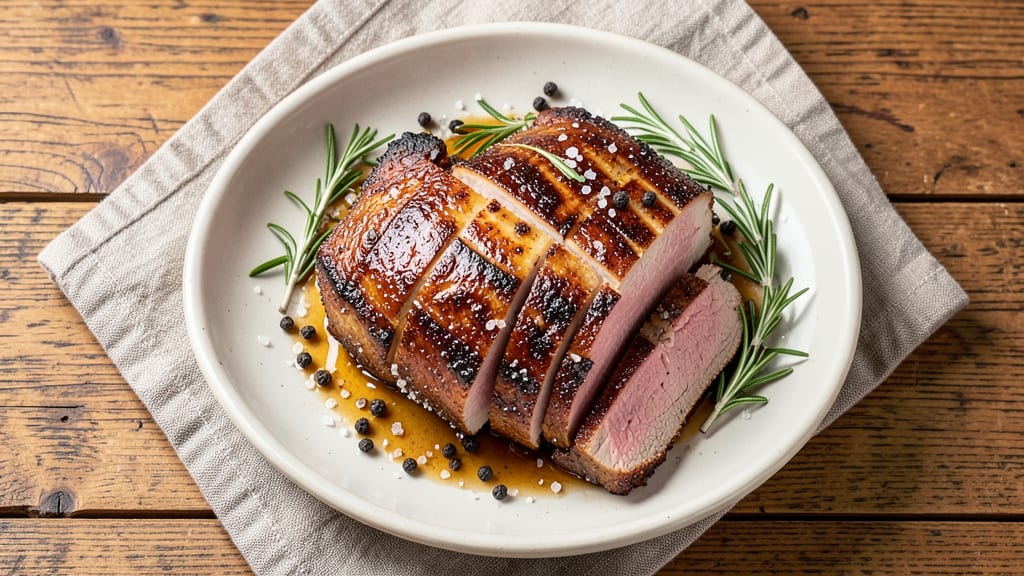
This brined pork loin recipe delivers restaurant-quality results with a juicy, tender center and crispy, caramelized bark every time. After years of perfecting this technique—first in Charleston kitchens, then at The Smoky Pig—I've cracked the code for foolproof pork that wows even skeptical guests.
The secret lies in the brine, which transforms tough pork into melt-in-your-mouth perfection.
Most recipes fail by either over-brining (which makes pork mushy) or under-brining (which leaves it dry). My method uses a precise salt-to-pork ratio with aromatics that infuse flavor without overpowering the natural taste.
The key is patience: letting the pork sit in the refrigerator for 12-24 hours allows the salt to penetrate evenly, while the high heat sear creates that coveted crispy exterior. This isn't just another pork recipe—it's a game-changer for weeknight dinners that feel like special occasions.
What you'll achieve is a pork loin with a golden-brown crust that shatters at the touch, giving way to juicy, pink meat that practically falls apart. The internal temperature will hit 145°F perfectly every time, ensuring safe yet tender results.
This technique works equally well for roasting, grilling, or pan-searing, making it versatile enough for any cooking method you prefer. The aroma alone will have your kitchen smelling like a Southern Sunday dinner.
Serve it sliced thick with apple compote and roasted root vegetables for a complete meal that feels both elegant and effortless. The crispy bark holds up beautifully when sliced, while the juices stay contained—no dry pork here.
This is the kind of recipe that turns everyday meals into memorable ones. Let's get started with the exact technique I've perfected over years of cooking pork at scale.
Ingredients for brined pork loin
Precision ingredients transform tough pork into melt-in-your-mouth perfection with crispy bark and juicy center.
| Ingredient | Amount | Notes |
|---|---|---|
| Pork Loin Roast 🐷 | 3 lb | Center-cut, 1.5-inch thick |
| Kosher Salt 🧂 | ½ cup | Diamond Crystal preferred |
| Brown Sugar 🍯 | ¼ cup | Light or dark variety |
| Fresh Black Peppercorns 🌶️ | 1 tbsp | Cracked with mortar and pestle |
| Fresh Rosemary 🌿 | ¼ cup | Needles finely chopped |
| Fresh Thyme 🌿 | ¼ cup | Leaves only, stems removed |
| Garlic Cloves 🧄 | 6 cloves | Smashed, skin-on |
| Apple Cider Vinegar 🍎 | ¼ cup | Brine component |
| Unsalted Butter 🧈 | ½ cup | Cold, cubed for searing |
| Olive Oil 🫒 | ¼ cup | High smoke point preferred |
| Yellow Onion 🧅 | 1 whole | Thinly sliced for garnish |
| Fresh Parsley 🌿 | ⅛ cup | Chopped for garnish |
The pork loin is non-negotiable—center-cut, 1.5-inch thick for even cooking. Source from a butcher or high-quality grocer like Whole Foods or Harris Teeter for optimal marbling. Avoid pre-cut loin roasts from budget brands, as their fat distribution is inconsistent. For the brine, Diamond Crystal kosher saltbrown sugar enhances caramelization during searing, while the fresh herbs and garlic infuse subtle depth without overpowering the pork's natural flavor. If you can't find fresh rosemary or thyme, dried works at one-third the amount, but fresh is ideal for that restaurant-quality aroma.
Substitutions must preserve the brine's balance. No kosher salt? Morton coarse salt at 1.5 times the amount—it's coarser but effective. Short on brown sugar? White sugar plus 1 tsp molasses mimics the caramelization. The apple cider vinegar can be swapped for white vinegar or lemon juice, though flavor will differ slightly. For the herbs, dried thyme and rosemary are acceptable, but fresh delivers superior aroma. The butter and olive oil are critical for searing—use high-quality, unsalted butter and a refined olive oil with a high smoke point like Avocado oil to prevent burning. Prefer a different cooking method? The same brine works for grilling or pan-searing, but adjust cook times accordingly.
Store the brine components separately in airtight containers for up to 1 week in the fridge. The pork loin should sit in the refrigerator for 12-24 hours before cooking—this is non-negotiable for even salt penetration. After brining, pat the pork dry with paper towels and refrigerate uncovered for 30 minutes to develop a better crust. The cooked pork loin reheats beautifully—wrapped in foil at 300°F for 10 minutes restores juices without drying it out. For meal prep, slice thick and store in an airtight container for 4-5 days or freeze for 3 months. The crispy bark softens when reheated, so sear fresh whenever possible.
Why You'll Love This Recipe
- Hands-Off Magic: Between us, the brining does all the work. Toss the pork loin in salt, sugar, and rosemary, then let it chill overnight—no stirring, no stress. Wake up to meat that’s juicier than a summer peach, with zero fuss.
- Sweet-Savory Crust: That caramelized sugar crust? It’s the star. The brown sugar and rosemary team up to give you a deep, aromatic bark that cracks open to reveal tender, peppery meat underneath. Honestly, it’s the kind of flavor that makes people pause mid-bite.
- Weeknight Workhorse: Slice it thin for sandwiches, dice it for tacos, or serve it whole with roasted veggies—this roast adapts to whatever you’re craving. I’ve used it for Sunday dinners, lazy Mondays, and even packed it for lunch the next day. No leftovers go to waste.
- Budget-Friendly Feast: Pork loin stretches farther than you’d think, and brining makes it so tender it feels luxurious. A single roast feeds four for dinner, then two more for lunch without breaking the bank. My wallet and my family thank me for this trick.
Step-by-step instructions for brined pork loin roast
Master this technique and you'll achieve a pork loin with melt-in-your-mouth tenderness and irresistible bark every time.
Prepare the Brine Mixture
In a large bowl, combine the 0.5 cup kosher salt, 0.25 cup brown sugar, 1 tablespoon cracked fresh black peppercorns, 0.25 cup finely chopped fresh rosemary, and 0.25 cup fresh thyme leaves. Mix thoroughly to create an even distribution of seasonings. This dry brine will penetrate deeply into the meat while adding complex flavor.
In a separate container, whisk together the 0.25 cup apple cider vinegar with 1 cup cold water (add water to the remaining 0.25 cup olive oil to make a total of 1 cup liquid). The vinegar helps tenderize the meat while adding subtle tanginess. Stir until fully combined and set aside.
Apply the Dry and Wet Brine
Pat the 3 lb pork loin roast completely dry with paper towels—this step is critical for achieving crispy bark. Rub the dry brine mixture all over the meat, pressing firmly so it adheres to every surface. Place the seasoned pork in a resealable plastic bag and massage it gently to ensure even coating.
Pour the wet brine mixture over the pork in the bag, sealing it completely. Place the bag on a rimmed baking sheet to catch any potential leaks, then refrigerate for 12-24 hours. The cold temperature helps the brine penetrate deeply while the acidity and salt work together to break down muscle fibers, creating that signature juicy texture.
Sear the Pork for Maximum Flavor
Remove the pork from the refrigerator 30 minutes before cooking to allow it to come to room temperature. Preheat your oven to 375°F. In a large oven-safe skillet, melt the 0.5 cup unsalted butter over medium-high heat until it foams. Add the pork loin and sear on all sides for 3-4 minutes per side until deep golden brown.
This high-heat searing step creates the crispy bark while locking in juices. Don't rush this step—you'll know it's ready when the pork releases easily from the pan and the butter has rendered a rich, golden foam. Transfer the skillet to the preheated oven and continue cooking.
Roast to Perfect Doneness
Roast the pork loin for 30-35 minutes until the internal temperature reaches 145°F when measured in the thickest part of the meat. The pork will continue to rise to 150°F as it rests, which is ideal for juicy, tender meat. If the top begins to brown too quickly, tent loosely with aluminum foil.
Here's the thing—pork loin has a tendency to dry out if overcooked. Use a meat thermometer for accuracy rather than relying on time alone. The moment the thermometer reads 145°F, remove the pork from the oven and let it rest for 15-20 minutes before slicing. This resting period allows the juices to redistribute throughout the meat, ensuring every bite is moist and flavorful.
Rest, Slice, and Garnish
While the pork rests, thinly slice the 1 whole yellow onion and chop the 0.125 cup fresh parsley. These will add freshness and visual appeal to your finished dish. When ready to serve, slice the pork loin against the grain into ½-inch thick portions for maximum tenderness.
Arrange the slices on a serving platter, drizzle with any pan juices from the skillet, and garnish with the sliced onions and parsley. The result should be pork with a beautifully crispy exterior, a pink center that's juicy and tender, and layers of herbaceous, slightly sweet flavor from the brine. Serve immediately with your favorite sides to enjoy the perfect balance of textures and flavors.
Pro Tips For Making Brined Pork Loin
- USE A THICK BRINE: The pork loin absorbs salt best when submerged in a brine that’s at least 2 inches deep—any less and you’ll end up with uneven seasoning. I learned this the hard way after cutting into a roast that tasted salty on the outside but bland halfway through. A shallow brine is a wasted effort.
- CRUSH PEPPERCORNS, DON’T GRIND: Freshly crushed black peppercorns cling to the meat and bloom into flavor as it cooks, while pre-ground pepper loses potency fast. Use a mortar and pestle or roll them in a heavy pan with a wine bottle—it’s more work, but the difference in aroma is noticeable. (Yes, even if you’re impatient like me.)
- SEAR IN BATCHES: A crowded pan steams the pork loin instead of browning it, leading to sad, pale crusts. Cut the roast into 1.5-inch chunks before searing, then work in batches—your future self will thank you for that caramelized edge. Overcrowding is the fastest way to ruin a good brining job.
- REST UNDER FOIL: Letting the pork loin rest uncovered leads to dryness, especially when sliced against the grain. Tent it loosely with foil for the first 5 minutes, then uncover—this traps just enough heat to keep juices inside while letting the crust crisp. I skip this when I’m lazy, but the dish is noticeably better when I don’t.
Troubleshooting this recipe
Over-brined Pork
If your pork tastes overly salty or has a mushy texture, you've likely over-brined it. This happens when the salt-to-meat ratio is too high or the pork sits in the brine for too long. My solution?
Use the 0.5 cup kosher salt for every 3 lbs of pork and never exceed 24 hours in the fridge. For already over-brined pork, soak it in cold milk for 30 minutes to dilute the salt—this works surprisingly well. 🧂
Uneven Brining
Uneven brining creates dry spots or overly salty edges. To fix this, always pat the pork completely dry before applying the dry brine, then massage it thoroughly into the meat.
For the wet brine, use a resealable bag and place the pork on its side to ensure full contact with the liquid. If you notice dry patches after cooking, simply slice off the affected areas—the rest will be perfectly juicy.
Pale Interior Color
If your pork loin turns out pale and dry instead of juicy and pink, it likely cooked too long or wasn't rested properly. The ideal internal temperature is 145°F, not 160°F. Use a meat thermometer to avoid guesswork.
For pale pork, try adding 1 tbsp apple cider vinegar to the brine next time—it helps retain moisture. Also, rest the pork for 15-20 minutes before slicing to let juices redistribute.
Bark Too Soft
A soft bark usually means insufficient searing or too much moisture during cooking. For a crispy exterior, pat the pork completely dry after brining and sear it in 0.5 cup melted butter over medium-high heat until golden brown.
If your oven runs hot, tent the pork loosely with foil during roasting to prevent over-browning. For extra crispiness, broil for 2-3 minutes at the end of cooking.
Brine Leaks
Brine leaks are messy but easy to prevent. Always place the sealed bag on a rimmed baking sheet before refrigerating. If leaks happen, simply wipe up the spill and continue with the recipe. For extra security, double-bag the pork or use a large container with a tight lid.
The key is keeping the pork fully submerged in the brine mixture—this ensures even flavor and moisture distribution throughout the meat.
Herb Flavor Too Strong
If the rosemary or thyme flavors overpower the pork, reduce the amounts next time. I recommend starting with 0.125 cup of each herb for 3 lbs of pork.
For a more balanced flavor, increase the garlic to 8 cloves and add 1 tsp dried mustard to the brine—it enhances the pork's natural taste without dominating. Always use fresh herbs when possible, as they provide a more delicate flavor profile.
Nutrition facts
Frequently asked questions
How long can I brine pork loin before cooking?
The ideal brining time is 12-24 hours in the refrigerator. This window ensures perfect salt penetration without over-salting. For best results, use the 24-hour mark as your upper limit—any longer risks making the meat mushy.
Can I use this brine for other pork cuts?
This recipe works beautifully for pork tenderloin, chops, or even pork shoulder! For tenderloin, reduce the brine time to 6-12 hours since it's leaner. For shoulder, extend brining to 36 hours and adjust cook times significantly. The same ratio of 0.5 cup salt per 3 lbs applies across cuts.
What's the best way to store leftover brined pork?
Slice the cooked pork into ½-inch thick portions and store in an airtight container for 4-5 days in the fridge. For longer storage, freeze for up to 3 months. Reheat wrapped in foil at 300°F for 10 minutes to restore juices. The crispy bark softens when reheated, so sear fresh whenever possible.
Why does my pork turn out dry sometimes?
Dry pork usually results from overcooking or skipping the rest time. Always use a meat thermometer to hit 145°F internal temp, then rest for 15-20 minutes before slicing. For extra moisture, add 1 tbsp apple cider vinegar to the brine and consider reducing your oven temp to 350°F for more gentle cooking.
Can I grill this brined pork instead of roasting?
After searing in butter, transfer the pork to a grill preheated to medium-high (400°F). Cook for 15-20 minutes with the lid closed, turning occasionally, until reaching 145°F internal temp. The bark will develop beautifully on the grill's direct heat. Just be ready to baste with pan juices to prevent drying.