
Main Courses
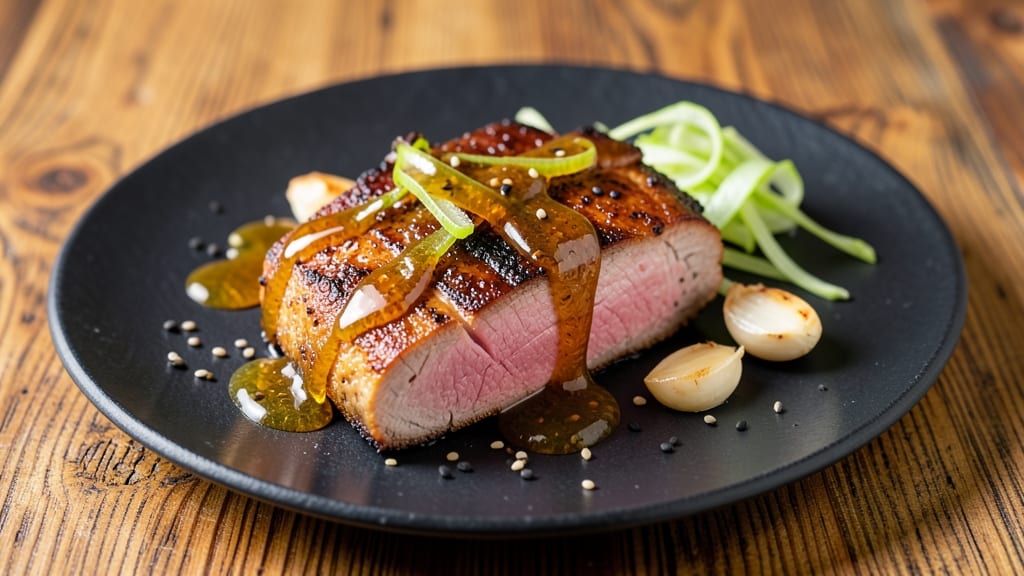
This brown sugar pork recipe delivers the perfect balance of caramelized crust and juicy meat that'll have everyone asking for seconds. 🔥 Growing up in Georgia, I learned that brown sugar isn't just an ingredient—it's the secret weapon for transforming simple pork into something extraordinary.
The key lies in the slow development of that sticky, amber glaze while keeping the interior tender and moist.
What sets this recipe apart is the technique: a foolproof method that combines oven-braising with a final broil to create that signature caramelized bark. We're talking about pork chops or tenderloin slices that develop deep flavor without drying out, thanks to a precise balance of sweetness and savory elements.
This isn't just another pork recipe—it's a restaurant-quality dish that belongs at your family table.
The result is pork with a glossy, crackling crust that clings to every bite, while the interior remains perfectly tender. That caramelized exterior isn't just for show—it's packed with concentrated flavor from the brown sugar, soy sauce, and spices that meld together during cooking.
The aroma alone will have your guests gathering before the meal even begins.
Whether you're serving this for a weekend dinner or preparing for a holiday feast, the versatility of this recipe makes it a standout. Pair it with roasted sweet potatoes or a simple green salad to let the pork take center stage.
Here's how to make it—step by step, just like I've been perfecting it for years in my kitchen at The Smoky Pig.
Ingredients for brown sugar pork
Brown sugar, soy sauce, and tender pork—just the right mix for restaurant-quality flavor.
| Ingredient | Amount | Notes |
|---|---|---|
| Pork Tenderloin 🐖 | 1 ½ lb | Center-cut for even cooking |
| Light Brown Sugar 🍯 | ½ cup | Packed, not granulated |
| Soy Sauce 🍶 | ¼ cup | Low-sodium preferred |
| Garlic Cloves 🧄 | 6 cloves | Minced for marinade |
| Fresh Ginger 🌿 | 1 tbsp | Finely grated |
| Olive Oil 🫒 | 2 tbsp | Extra-virgin for richness |
| Dijon Mustard 🥫 | 1 tbsp | For depth of flavor |
| Ground Black Pepper 🌶️ | 1 tsp | Freshly cracked |
| Salt 🧂 | 1 ½ tsp | Kosher or sea salt |
| Apple Cider Vinegar 🍎 | 1 tbsp | For tangy balance |
| Smoked Paprika 🌶️ | 1 tsp | For subtle smokiness |
| Honey 🍯 | 1 tbsp | For extra caramelization |
| Fresh Rosemary 🌿 | ½ tsp | Chopped, for aroma |
The pork tenderloin is your star here—center-cut for even cooking, no tough ends. Costco or local butcher shops usually have the best quality, but any grocery store will work if you grab it fresh. Look for pieces that are firm and have a pale pink color—no grayish spots. The brown sugar? Light or dark doesn't matter, but packed means more caramelized goodness. I always buy mine in bulk from Walmart or Target—it's cheaper and lasts forever. For the soy sauce, Kikkoman is my go-to, but any good-quality brand works.
No soy sauce? Coconut aminos in a pinch, though it'll taste slightly different. Short on honey? Maple syrup works one-to-one. The garlic and ginger can be swapped for powdered versions at half the amount if you're in a hurry, but fresh is always better. If you've got lemon juice instead of apple cider vinegar, use it—the tang helps balance the sweetness. The smoked paprika adds depth without overpowering, but if you're out, regular paprika plus a pinch of cayenne gets you close. And trust me, the fresh rosemary makes all the difference—dried works, but it's not the same.
This marinade keeps for 3 days in the fridge, but the pork itself? Use it within 2 days for best texture. If you're prepping ahead, marinate the pork overnight—it soaks up all the flavor. Leftovers? They reheat beautifully—just 5 minutes in a skillet with a splash of water to keep them moist. Store in an airtight container, and it'll stay good for 4 days. Freezing isn't ideal for pork tenderloin, but if you must, 1 month max—it dries out fast.
Why You'll Love This Recipe
- One-Pan Magic: I swear by this—just sear the pork, toss in the brown sugar, soy, and minced garlic/ginger, then let it caramelize. No flipping pans, no extra bowls, and honestly? The sticky glaze does half the cleanup for you.
- Sweet-Savory Fix: That brown sugar isn’t just for looks—it melts into a glossy, addictive crust while the soy and ginger cut through the richness. My kids call it "the grown-up stuff," but they’re wrong: it’s pure satisfaction in every bite.
- Leftovers? Yes, Please: This recipe practically begs for seconds—and thirds. The pork stays tender, the sauce clings perfectly, and I’ve reheated portions for lunch without a single complaint. (Between us, I’ve been known to freeze half for lazy Fridays.)
- Budget Meal for Crowds: Tenderloin’s lean but impressive, and a little goes far. Double the batch for game day, potlucks, or when your partner’s "I’m craving takeout" voice comes out. The ingredients? Basic, but the flavor? Anything but.
Step-by-step instructions for brown sugar pork with caramelized crust
Here's how to get that perfect balance of sticky caramelized crust and tender, juicy pork every time.
👨🍳 Step 1: Make the Flavor-Packed Marinade
In a medium bowl, combine the 0.5 cup light brown sugar, 0.25 cup soy sauce, 1 tbsp Dijon mustard, 1 tbsp apple cider vinegar, 1 tbsp honey, 1 tsp smoked paprika, 1.5 tsp salt, 1 tsp ground black pepper, 6 cloves minced garlic, 1 tbsp finely grated fresh ginger, and 0.5 tsp chopped fresh rosemary. Whisk until the brown sugar dissolves completely—this ensures maximum flavor penetration.
Here's the thing—don't rush this step. The sugar needs time to fully integrate with the other ingredients. If it looks too thick, add 1-2 tablespoons of water to help it coat the pork evenly. Let the marinade sit for 10 minutes while you prep the pork—this gives the flavors time to meld together before making contact with the meat.
🍳 Step 2: Prep and Marinate the Pork
Pat the 1.5 lb pork tenderloin completely dry with paper towels—this is crucial for that crispy crust later. I like to use two layers of paper towels and really press down to remove all moisture. Then, rub the marinade all over the pork, pressing it into the surface so it sticks.
Place the pork on a plate and let it marinate for at least 30 minutes at room temperature. I usually do this while I prep the rest of my meal—it's perfect timing. If you can, marinate it for up to 2 hours in the fridge for even deeper flavor. The longer it marinates, the more tender and flavorful your pork will be.
🔥 Step 3: Sear for Maximum Flavor and Crispy Crust
Heat a large oven-safe skillet over medium-high heat and add 2 tbsp olive oil. Once the oil is shimmering (about 3 minutes), carefully add the pork. Sear for 3-4 minutes per side until it develops a deep golden-brown crust—this is where all the magic happens. You'll see the marinade caramelizing and forming that beautiful sticky glaze.
Don't walk away during this step. The pork needs constant attention to prevent burning. When the crust is dark golden and the internal temperature reaches 140°F (use a meat thermometer), it's time to move to the oven. The crust should hold together when you press it gently—if it doesn't, sear a little longer.
🔥 Step 4: Finish in the Oven for Perfect Doneness
Transfer the skillet to a 400°F preheated oven and roast for 15-20 minutes, or until the internal temperature reaches 145°F. This final cooking step ensures the pork is fully cooked while keeping it juicy. The caramelized crust will continue to develop and become even stickier as it bakes.
I like to check the temperature at the 15-minute mark—your oven might run hot or cold, so this gives you a chance to adjust. The pork is done when it's fork-tender and the juices run clear. Let it rest in the skillet for 5 minutes before serving—this resting period is what keeps all those juices inside where they belong.
🍽️ Step 5: Serve with Sticky Caramelized Glaze
Carefully transfer the pork to a serving platter and spoon any pan juices over the top. The glaze should be thick and sticky, clinging beautifully to the pork. If you want to take it to the next level, brush on any extra caramelized marinade from the bottom of the pan for maximum flavor impact.
Slice the pork into ½-inch thick medallions and serve immediately. Each bite should deliver that perfect combination of tender, juicy meat with a sweet, caramelized crust. The flavors from the marinade will shine through—sweet from the brown sugar and honey, umami from the soy sauce, and a nice tang from the apple cider vinegar.
Pro Tips For Making Brown Sugar Pork
- SEAR FIRST, THEN SWEAT: Get that pan screaming hot before adding the pork tenderloin—cast iron or stainless steel works best. I learned this the hard way when my first batch turned out more steamed than seared, and the brown sugar glaze clung like glue instead of caramelizing into a sticky crust.
- GRATE GINGER FINE: Skip the mincer and use a microplane for the ginger—you want it almost paste-like, not chunky. Too many big pieces mean uneven flavor, and nobody wants a surprise bite of raw ginger in their tender pork.
- DEGLAZE WITH SOY SAUCE: After searing, splash in 2 tablespoons of soy sauce before adding the brown sugar mixture. The amino acids in the sauce help break down the browned bits, turning them into a glossy, flavor-packed glaze instead of a sticky mess.
- REST THE PORK: Let the pork sit under foil for 5-10 minutes after cooking—yes, even if you’re impatient. Cutting into it too soon sends all the juicy brown sugar goodness pooling out onto your plate instead of staying where it belongs.
Dietary considerations for this dish
Gluten-Free Adaptations
This recipe is naturally gluten-free, but there are a few precautions to take. The soy sauce is the only potential gluten source, so swap it for tamari or coconut aminos if needed. I also recommend checking your smoked paprika label—some brands process in shared facilities with gluten.
For extra safety, use a dedicated gluten-free soy sauce like San-J Tamari. The rest of the ingredients are inherently gluten-free, so you're golden once you make that substitution. 🌱
Diabetic-Friendly Modifications
For a lower-sugar version, reduce the brown sugar to ¼ cup and replace the remaining ¼ cup with erythritol or monk fruit sweetener. You can also eliminate the honey entirely and use 1 tbsp sugar-free maple syrup instead.
The key is balancing sweetness while keeping the caramelization—try adding 1 tsp vanilla extract to enhance perceived sweetness without extra carbs. Always check blood sugar levels after eating to monitor your body's response.
Low-Sodium Options
This recipe is surprisingly adaptable for low-sodium diets. Start by using low-sodium soy sauce or coconut aminos as your base. Then, cut the salt in half to ¾ tsp and boost flavor with extra garlic, ginger, and smoked paprika.
Add 1 tsp fish sauce for umami depth without extra sodium. The brown sugar and honey will still provide sweetness while keeping the caramelized crust intact. Taste as you go—you might need to adjust seasoning after cooking.
Vegetarian Substitutions
While this recipe centers on pork, you can create a vegetarian version using extra-firm tofu or seitan instead. For tofu, press and marinate 1.5 lbs firm tofu in the same sauce for 4+ hours, then bake at 375°F for 30-35 minutes until golden.
For seitan, use 1.5 lbs store-bought or homemade seitan and follow the same cooking method. The texture won't be identical, but the sticky glaze will still shine. For a meatier texture, consider mushroom steaks—thick portobello slices work beautifully.
Allergen Considerations
For nut allergies, this recipe is already safe—just avoid cross-contamination if you're using shared kitchen tools. If you're allergic to mustard, simply omit the Dijon and add 1 extra tbsp soy sauce for depth.
For vinegar allergies, replace the apple cider vinegar with lemon juice or white wine vinegar if tolerated. Always double-check ingredient labels, especially for soy sauce and spices which sometimes contain hidden allergens. When in doubt, prepare the dish in a dedicated allergen-free zone.
Nutrition facts
Frequently asked questions
Can I use this recipe with pork chops instead of tenderloin?
Bone-in pork chops work beautifully—just increase cooking time by 5-7 minutes per side to ensure they reach 145°F internally. The thicker cut benefits from the extra time to develop that caramelized crust. For even cooking, place chops cut-side down first to render fat, then flip. Pat them bone-dry first, just like the tenderloin.
How do I prevent the brown sugar from burning before the pork is cooked?
Start with a medium-high heat and keep the pork moving in the pan during searing. If the sugar starts darkening too quickly, reduce heat slightly to medium and give it more time. The key is patience—rushing causes burning. After searing, transfer to the oven immediately to finish cooking without burning the crust.
Can I make this recipe in a slow cooker?
Yes! Combine all marinade ingredients in the slow cooker, add the pork, and cook on low for 4-5 hours or high for 2-3 hours. For extra caramelization, finish with a 5-minute broil in the oven (watch closely!). The slow cooker keeps the meat tender, but you'll need to broil separately to develop that signature crust.
What if I don't have Dijon mustard?
No problem! Swap it for 1 tbsp regular yellow mustard or 1 tbsp olive oil for richness. The Dijon adds depth, but the recipe will still work. If using olive oil, reduce the total oil in the recipe by 1 tbsp to maintain balance. The flavor won't be identical, but it'll still be delicious.
How do I store leftovers to keep them moist?
Store in an airtight container with a splash of pan juices to keep it moist. Reheat gently in a skillet over low heat with a splash of water for 3-5 minutes—never microwave. For best texture, reheat only what you'll serve immediately. Leftovers stay fresh for 4 days** in the fridge.