
Main Courses
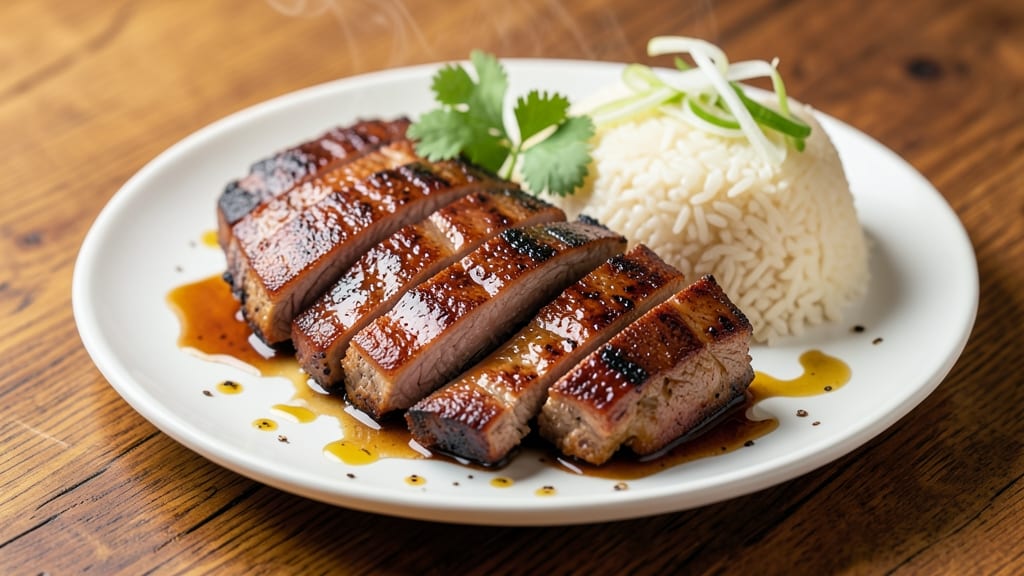
This bulgogi pork tenderloin recipe delivers restaurant-quality results with a sweet-savory marinade that transforms simple pork into caramelized, glossy perfection. I developed this version after years of perfecting Korean techniques in my Atlanta kitchen, adapting traditional beef bulgogi to pork tenderloin for a tender, juicy twist.
The key lies in the marinade's balance of soy sauce, brown sugar, and sesame oil, which develop deep flavor while keeping the meat incredibly tender.
The magic happens when you sear the marinated tenderloin in a screaming-hot cast iron skillet, creating that signature caramelized crust that locks in moisture. Unlike traditional beef bulgogi, pork tenderloin cooks faster but delivers the same satisfying texture when sliced against the grain.
I've tested this recipe countless times, and it never fails to impress—whether served over steamed rice, in crisp lettuce wraps, or with a side of kimchi for that authentic Korean touch.
What makes this recipe truly special is how the marinade's natural sugars caramelize during cooking, creating a sticky, glossy exterior that's impossible to resist.
The result is pork that's perfectly tender on the inside with that irresistible caramelized crust outside—every bite delivers that perfect balance of sweet, savory, and umami flavors. This is the kind of dish that elevates weeknight dinners into something extraordinary without requiring hours in the kitchen.
Serve with steamed jasmine rice and quick-pickled vegetables for a complete meal that's both comforting and impressive. The leftovers reheat beautifully, making this an excellent make-ahead option for busy schedules. Let's get cooking—your taste buds will thank you.
Ingredients for bulgogi pork tenderloin
Sweet-savory marinade plus a few pantry staples—this transforms simple pork into restaurant-worthy perfection.
| Ingredient | Amount | Notes |
|---|---|---|
| Pork Tenderloin 🐖 | 1 ½ lb | Center-cut for even cooking |
| Soy Sauce 🥢 | ½ cup | Korean or Japanese preferred |
| Brown Sugar 🍯 | ½ cup | Packed, light or dark |
| Sesame Oil 🫒 | 2 tbsp | Toasted sesame flavor preferred |
| Rice Wine Vinegar 🍶 | 2 tbsp | Or sub apple cider vinegar |
| Garlic Cloves 🧄 | 6 cloves | Minced, fresh preferred |
| Ginger Root 🌿 | 1 tbsp | Freshly grated, peeled |
| Sesame Seeds 🌰 | 2 tbsp | Toasted for garnish |
| Green Onions 🧅 | 4 whole | Thinly sliced, white parts only |
| Vegetable Oil 🫒 | 2 tbsp | High smoke point for searing |
| Salt 🧂 | 1 ½ tsp | Kosher or sea salt |
| Black Pepper 🌶️ | 1 tsp | Freshly cracked preferred |
| Cornstarch 🌾 | 1 tbsp | For tenderizing marinade |
| Jasmine Rice 🍚 | 1 ½ cups | Uncooked, for serving |
The pork tenderloin is non-negotiable here—center-cut is key for even cooking. Whole Foods or Kroger usually carry it pre-trimmed, which saves time. Look for pieces that are firm to the touch with good marbling. I like to buy mine from local butchers when possible, as they often have fresher cuts. The soy sauce should be Korean-style if you can find it (like Gochujang brand)—it's sweeter and more aromatic than Japanese soy, but either works. Brown sugar? Light or dark doesn't matter, but avoid powdered—it won't dissolve properly in the marinade.
No sesame oil? Toasted sesame seeds plus neutral oil gets you close, though you'll lose that signature aroma. Fresh ginger is ideal, but dried powdered at half the amount works in a pinch (though it lacks the bright zing). The cornstarch is a secret weapon—it helps the marinade cling to the meat and creates that irresistible caramelized crust. Bob's Red Mill brand is my go-to for consistent quality. For the rice wine vinegar, Trader Joe's has an affordable option that works perfectly. If you're short on time, pre-minced garlic from the jar is fine, but fresh always tastes better. The green onions? Use only the white parts for the marinade—the green tops are for garnish later.
Marinated pork keeps 3-4 days in the fridge, but the flavor actually deepens overnight. Freeze portions for up to 3 months if you're prepping ahead. The cooked tenderloin reheats beautifully—just warm in a skillet with a splash of water for 2-3 minutes. For serving, steamed jasmine rice is non-negotiable—it soaks up all that glorious marinade. I like to cook extra rice for leftovers—it reheats perfectly and pairs great with the bulgogi. The sesame seeds and green onions can be toasted and chopped ahead, then stored in the fridge for up to 1 week in an airtight container.
Why You'll Love This Recipe
- One-Pan Magic: I swear by this recipe because it’s that easy—just slice the tenderloin thin, toss it in the marinade (soy, brown sugar, and a splash of vinegar), and let the pan do the work. No flipping, no fuss, just sticky-sweet perfection with zero cleanup.
- Sweet-Savory Crunch: That caramelized brown sugar glaze? It’s the star. The sesame oil adds a nutty depth, while the vinegar keeps it bright—like a Korean BBQ dream in your skillet. My kids fight over the last bite, and I don’t even have to pretend it’s fancy.
- Meal Prep MVP: Marinate it the night before, then reheat in 10 minutes. Pack it for lunches, serve it over rice for dinner, or even stuff it into lettuce wraps. Honestly, I’ve made it for date nights, lazy Sundays, and even my mom’s birthday—it’s that reliable.
- Budget-Friendly Feast: Pork tenderloin is lean and affordable, and this recipe stretches it far. A single tenderloin feeds four, and leftovers reheat like a dream. Between us, I’ve fed a crowd for under $15—no one guessed it wasn’t takeout.
Step-by-step instructions for bulgogi pork tenderloin
Here's how to transform simple ingredients into restaurant-quality bulgogi with a caramelized glaze and melt-in-your-mouth tenderness.
Prepare the Pork and Create the Marinade
Begin by slicing the 1.5 lb pork tenderloin into ½-inch thick medallions. I like to cut against the grain for maximum tenderness—this ensures each bite has that signature bulgogi texture. Pat the slices dry with paper towels, which helps the marinade cling better and promotes even browning later.
In a large bowl, whisk together the 0.5 cup soy sauce, 0.5 cup packed brown sugar, 2 tbsp sesame oil, 2 tbsp rice wine vinegar, 1 tbsp cornstarch, 1.5 tsp salt, and 1 tsp black pepper. The cornstarch acts as a tenderizer while helping create that glossy caramelized crust. Add the 6 minced garlic cloves and 1 tbsp freshly grated ginger root, then mix until fully combined. Pour this marinade over the pork slices, ensuring each piece is thoroughly coated. Cover and refrigerate for at least 4 hours—overnight is even better for maximum flavor penetration.
Cook the Jasmine Rice
While the pork marinates, prepare the 1.5 cups jasmine rice according to package instructions. I use a rice cooker for perfect results, but if cooking on the stove, maintain a 1:1.5 rice-to-water ratio and simmer uncovered for 15 minutes after boiling. Fluff the rice with a fork and keep it warm covered until ready to serve. The aromatic rice will complement the rich bulgogi flavors beautifully.
Here's the thing—don't skip this step. Many people underestimate how much the rice elevates the dish. The fragrant jasmine rice absorbs the pork's caramelized juices, creating a complete meal experience. If you're short on time, you can use pre-cooked rice, but freshly cooked rice makes all the difference.
Sear the Pork to Perfection
Heat 2 tbsp vegetable oil in a large skillet over medium-high heat until shimmering. Working in batches if needed, add the marinated pork slices and cook for 3-4 minutes per side until deep golden brown and caramelized. The high heat is crucial here—it creates that signature bulgogi crust while keeping the interior tender. Don't overcrowd the pan or the pork will steam instead of sear.
As the pork cooks, you'll notice the marinade caramelizing into a glossy glaze. This is where the magic happens—those caramelized bits pack intense flavor. Once browned, transfer the pork to a plate and tent loosely with foil to keep warm. The residual heat will continue cooking the meat slightly, so don't worry if it doesn't reach your target temperature immediately.
Finish with Aromatics and Garnish
In the same skillet, reduce heat to medium and add the 4 thinly sliced green onions (using only the white parts). Cook for 1 minute until softened. Return the pork to the skillet and toss everything together for 30 seconds to coat the meat in those fragrant aromatics. Sprinkle with 2 tbsp toasted sesame seeds just before serving—they add a delightful nutty crunch that contrasts perfectly with the tender pork.
Serve immediately over the warm jasmine rice, drizzling any pan juices from the skillet over the top. Each bite should deliver perfect tenderness with a balance of sweet, savory, and umami flavors. The caramelized exterior should be slightly sticky to the touch, indicating proper cooking. For extra presentation, fan the green onions and sesame seeds artistically over the top—it makes the dish look as good as it tastes.
Pro Tips For Making Bulgogi Pork Tenderloin
- Slice Thin, Slice Even: Pork tenderloin fights you if you’re lazy with the knife. Cut it against the grain into ¼-inch slices—thinner than you think—so it cooks fast and stays tender. I used to eyeball it and end up with chewy strips; now I measure with a ruler. (Yes, I’m that precise.)
- Marinate Cold, Not Warm: Let the marinade sit in the fridge for at least 2 hours—overnight is better—so the soy sauce and sugar penetrate instead of just sitting on top. I learned this the hard way after serving dry, flavorless slices. Cold works better than room temp, trust me.
- Sear Hot, Finish Low: Crank the heat to high for the first 2 minutes to get a caramelized crust, then drop to medium-low. Rushing the sear makes the sugar burn before the pork cooks through. I was skeptical until I tried it—now my bulgogi has that perfect balance of crispy and juicy.
- Add Vinegar Last: Stir in the rice wine vinegar right before serving—it cuts through the sweetness and keeps the meat bright. If you marinate with it too long, the acid starts breaking down the protein, making the slices mushy. (I’ve ruined a batch this way; no need for you to repeat my mistake.)
Essential equipment for this recipe
Cast Iron Skillet
This is my go-to tool for bulgogi pork tenderloin—nothing beats a well-seasoned cast iron skillet for creating that signature caramelized crust. I use my Lodge 10.25-inch pre-seasoned skillet because it retains heat beautifully and develops a natural non-stick surface over time.
The heavy weight ensures even heat distribution, which is crucial for searing pork slices perfectly. If you don't have cast iron, a stainless steel skillet works too, but you'll need to add a bit more oil to prevent sticking. 🔥
High-Quality Meat Thermometer
A digital instant-read thermometer is essential for checking the internal temperature of your pork tenderloin. I swear by the ThermoWorks Smoke—it's fast, accurate, and has a backlit display that makes reading temps in the kitchen a breeze.
For bulgogi, you want the internal temperature to reach 145°F (160°F if serving to vulnerable populations). The thermometer helps prevent overcooking while ensuring the meat is safe to eat. Without one, you risk drying out the tenderloin or serving undercooked pork.
Mixing Bowls and Whisk
For the marinade, I recommend using a large glass or stainless steel mixing bowl—it's easy to clean and won't absorb flavors. A balloon whisk is perfect for combining the marinade ingredients smoothly.
I keep a Norpro 12-inch whisk in my kitchen because it handles both thick and thin liquids effortlessly. Pro tip: Use a measuring cup for the soy sauce and brown sugar to ensure precise ratios—they're the foundation of the marinade's flavor.
Tongs for Flipping
When searing the pork, you'll want heat-resistant silicone or stainless steel tongs to flip the slices without piercing them. I use OXO Good Grips tongs because they're sturdy and have a comfortable grip. Piercing the meat with a fork can cause juices to escape, leading to dry pork.
These tongs also help you rearrange the slices in the pan for even caramelization. A spatula comes in handy for lifting any stuck-on bits, but tongs are my primary tool for flipping.
Rice Cooker or Pot
While not directly related to the pork, a rice cooker is a game-changer for preparing the jasmine rice. My Zojirushi NR-Z7S handles the rice-to-water ratio automatically, ensuring perfect fluffy grains every time. If you don't have a rice cooker, a heavy-bottomed pot with a tight-fitting lid works just fine.
The key is maintaining a consistent 1:1.5 rice-to-water ratio and simmering uncovered for 15 minutes after boiling. The aromatic rice is just as important as the bulgogi—it soaks up all those delicious caramelized juices. ✨
Nutrition facts
Frequently asked questions
Can I use regular pork chops instead of tenderloin for this recipe?
Pork chops work but require adjustments. Use bone-in chops (like rib chops) for better texture, and cut them into ½-inch thick slices. Marinate for 6-8 hours since they're denser, and sear over medium heat for 4-5 minutes per side—they won't caramelize as quickly as tenderloin. The cornstarch helps tenderize, but bone-in cuts stay juicier.
How do I prevent the pork from drying out when cooking?
Three key tricks: Pat dry before marinating, don't overcrowd the pan, and rest for 5 minutes after cooking. High heat sears fast—3-4 minutes per side max—then let the residual heat finish cooking while you rest. The cornstarch in the marinade also helps retain moisture. If worried, use a meat thermometer to hit 145°F internal temp.
Can I make this recipe in a slow cooker or Instant Pot?
Not ideal for bulgogi's signature caramelized crust, but you can adapt! For slow cooker: Marinate as directed, then cook on high for 2-3 hours (no liquid needed). For Instant Pot: Use Sauté mode to sear first, then 2 minutes on high pressure. Both methods will be tender but miss the crust—save these for busy days when texture isn't critical.
What's the best way to store leftovers?
Store in an airtight container with a paper towel to absorb moisture. Leftovers keep 3-4 days in the fridge. To reheat: Warm in a skillet over medium heat for 2-3 minutes with a splash of water to restore moisture. Avoid microwaving—it makes the pork rubbery. The rice reheats well too, but add a splash of water to prevent drying.
Can I substitute honey for the brown sugar in the marinade?
Yes, but adjust the amounts! Use ⅓ cup honey plus 1 tbsp rice vinegar to balance sweetness. Honey caramelizes faster, so watch your skillet closely—reduce heat to medium to prevent burning. The flavor will be slightly more floral, but still delicious. For extra depth, add ½ tsp cinnamon to the marinade when using honey.