
Main Courses
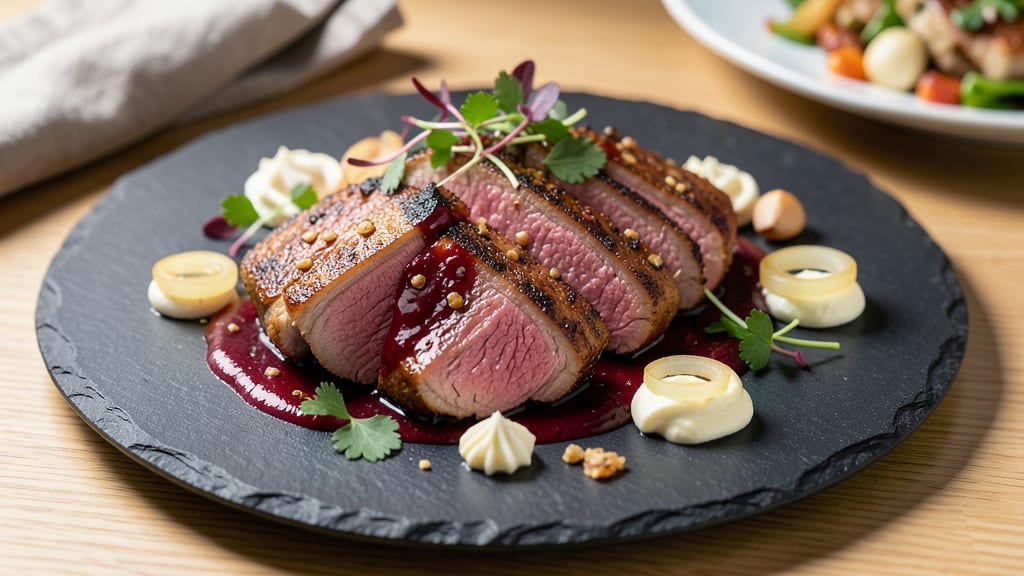
This Burgundy pork tenderloin recipe delivers restaurant-quality results with a wine-reduced sauce that transforms simple ingredients into something extraordinary. 💛 After years of perfecting this technique in my professional kitchen, I've developed a method that ensures tender, juicy pork with a sauce so rich it clings to every bite.
The key lies in precise temperature control and a carefully balanced wine reduction that enhances rather than overpowers the natural flavor of the meat.
The process begins with searing the pork to create a flavorful crust, followed by a slow braise that develops deep, complex flavors. A classic Burgundy reduction—made with red wine, shallots, and beef stock—builds layers of umami and acidity that elevate the dish from ordinary to exceptional.
This recipe is designed to impress, whether you're hosting a dinner party or treating yourself to a special weeknight meal.
What sets this dish apart is the balance of technique and simplicity. You'll achieve perfectly tender pork with a sauce that's velvety yet bright, thanks to the careful reduction of wine and aromatics.
The result is a dish that's elegant enough for company but straightforward enough for any home cook to master. Each forkful delivers a harmonious blend of rich, savory, and slightly tangy flavors that linger on the palate.
Pair this tenderloin with roasted root vegetables or a crisp green salad to complete the meal. The wine sauce works beautifully as a drizzle over the pork or as a sauce for other proteins.
With this recipe, you'll create a dish that feels like a celebration on your dinner table, no matter the occasion. Let's get started on creating this showstopper.
Ingredients for burgundy pork tenderloin
Restaurant-quality pork tenderloin starts with these 13 ingredients—each playing its part in a velvety wine sauce.
| Ingredient | Amount | Notes |
|---|---|---|
| Pork Tenderloin 🍖 | 1 ½ lb | Center-cut for even cooking |
| Dry Red Wine 🍷 | 1 cup | Bold Burgundy or Cabernet Sauvignon |
| Beef Stock 🥫 | 1 cup | High-quality, homemade or store-bought |
| Shallots 🧅 | 3 whole | Thinly sliced, about 0.5 cup total |
| Garlic Cloves 🧄 | 4 cloves | Minced for depth of flavor |
| Unsalted Butter 🧈 | 4 tbsp | European-style preferred |
| All-Purpose Flour 🌾 | 1 tbsp | For sauce thickening |
| Fresh Thyme 🌿 | ½ tsp | Dried works at one-third amount |
| Fresh Rosemary 🌿 | 1 sprig | For aromatic depth |
| Olive Oil 🫒 | 2 tbsp | Extra-virgin for searing |
| Salt 🧂 | 1 ½ tsp | Kosher or sea salt |
| Black Pepper 🌶️ | ½ tsp | Freshly ground for heat |
| Fresh Parsley 🌿 | ¼ cup | Chopped for garnish |
The pork tenderloin is your canvas—center-cut ensures even cooking without drying out. Costco or Whole Foods carry excellent quality, but any well-marbled piece works. Look for bright color and firm texture—avoid anything grayish or soft. For the wine, Burgundy or Cabernet Sauvignon delivers the classic depth, but any dry red will work. The beef stock should be rich and unctuous—Kitchen Basics or homemade is ideal. Shallots add subtle sweetness; peeling them just before use preserves their delicate flavor. Fresh herbs (thyme and rosemary) elevate the dish—Trader Joe's sells pre-bundled sprigs for convenience.
No red wine? Dry sherry or even apple cider works in a pinch, though the flavor profile shifts slightly. Substituting beef stock with vegetable stock keeps it vegetarian but loses umami depth. For the butter, European-style (like Plugrá) has higher fat content, perfect for sauce richness. If you're short on time, pre-minced garlic from a jar saves steps—just rinse it well. The flour is purely functional here; arrowroot powder works too for a gluten-free option. Fresh herbs are non-negotiable for aroma, but dried thyme at one-third the amount gets you close if needed. The olive oil matters for searing—avoid light or refined oils that lack flavor.
This dish reheats beautifully—warm gently in the sauce to maintain moisture. Store leftovers in an airtight container for up to 4 days in the fridge, or freeze the sauce separately for 3 months. The pork itself keeps 2 days refrigerated, but the sauce improves overnight as flavors meld. For make-ahead convenience, prep the sauce components separately and assemble just before serving. Garnish with fresh parsley right before eating—it brightens the dish and adds a pop of color. The wine sauce also freezes well; thaw in the fridge and reheat gently to preserve texture.
Why You'll Love This Recipe
- One-Pan Magic: I swear by this recipe for lazy nights—just sear the pork, pour in the wine and stock, and let it simmer. No chopping mountains of veggies, no extra pots, just that deep, rich sauce clinging to every bite.
- Wine Cabinet Upgrade: That dry red wine isn’t just for sipping—it transforms the pork into something restaurant-worthy. The shallots and garlic caramelize into a glossy, slightly sweet sauce that makes even the simplest sides shine.
- Leftovers That Beg for More: This dish tastes better the next day, honestly. The pork stays tender, and the sauce thickens into a perfect glaze. I’ll pack it for lunches or reheat it for dinner—no one ever complains.
- Budget-Friendly Luxury: Pork tenderloin is affordable, and a bottle of wine stretches further than you’d think. Plus, the beef stock adds depth without breaking the bank. Fancy flavor, zero guilt.
Step-by-step instructions for Burgundy pork tenderloin
Here's the precise method for perfectly tender pork with a rich, velvety wine sauce.
🍳 Step 1: Sear the Pork Tenderloin
Heat a large oven-safe skillet over medium-high heat until very hot. Add the 2 tablespoons olive oil and swirl to coat the pan. Pat the 1.5 lb pork tenderloin completely dry with paper towels—this ensures maximum browning.
Place the pork in the skillet and sear on all sides for 3-4 minutes per side until the exterior develops a deep golden brown crust. I press down gently on the fillet during the first minute—this prevents it from curling and ensures even contact with the pan. The internal temperature should reach 145°F at this stage, but don't worry if it's slightly lower; it will carry over during roasting.
Remove the pork from the skillet and set it aside on a plate. Let it rest for 2 minutes while you prepare the aromatics—this prevents the meat from overcooking while you build the sauce.
👨🍳 Step 2: Build the Wine-Reduced Sauce Base
In the same skillet (don't wipe out the browned bits—they're pure flavor), add 2 tablespoons unsalted butter and let it melt over medium heat. Add the 3 whole shallots and cook for 3-4 minutes until softened and translucent. Stir occasionally to prevent burning.
Add the 4 cloves minced garlic, ½ teaspoon fresh thyme (stripped from the sprig), and 1 sprig fresh rosemary (lightly crushed between your fingers). Cook for 30 seconds until fragrant—you should smell the garlic and herbs wafting through your kitchen. This is where the foundation of your sauce begins to develop.
Pour in the 1 cup dry red wine and scrape up all the browned bits from the bottom of the pan with a wooden spoon. This deglazing step captures all the concentrated pork flavor. Let the wine simmer for 3-4 minutes until reduced by half—you're looking for a syrupy consistency that coats the back of a spoon.
🥘 Step 3: Thicken and Finish the Sauce
Reduce the heat to medium-low and stir in the 1 tablespoon all-purpose flour to create a roux. Cook for 1 minute until the flour is fully incorporated and the mixture looks slightly thickened. Slowly pour in the 1 cup beef stock while whisking continuously to prevent lumps from forming.
Add the remaining 2 tablespoons unsalted butter and bring the sauce to a gentle simmer. Let it reduce for 5-6 minutes until it thickens enough to coat the back of a spoon. Season with 1.5 teaspoons salt and ½ teaspoon black pepper. Taste and adjust the seasoning—you want a balance of wine acidity, meaty richness, and herbal notes. The sauce should be glossy and velvety, not grainy or thin.
🔥 Step 4: Roast and Glaze the Pork
Transfer the skillet to a preheated 425°F oven. Return the pork tenderloin to the skillet and spoon the sauce generously over the top. Roast for 10-12 minutes until the internal temperature reaches 145°F and the pork is fork-tender. The sauce will bubble and caramelize slightly, creating a beautiful glaze.
Here's the thing—don't overcook the pork. It's easy to let it sit too long in the oven, especially when you're focused on the sauce. The moment the thermometer hits 145°F, remove it from the oven. The pork will continue cooking slightly as it rests, so pull it out just shy of perfect.
⏰ Step 5: Rest and Serve with Garnish
Transfer the pork to a cutting board and tent loosely with aluminum foil. Let it rest for 10 minutes before slicing—this resting period allows the juices to redistribute throughout the meat, ensuring every bite is moist and flavorful. Don't skip this step; it's the difference between dry pork and perfectly tender slices.
While the pork rests, return the sauce to the skillet and simmer for 2-3 minutes to reduce slightly and intensify the flavors. Stir in the ¼ cup chopped fresh parsley just before serving. Slice the pork into ½-inch thick medallions against the grain and spoon the sauce generously over each serving. The sauce should cling beautifully to the pork, creating that restaurant-quality presentation.
Pro Tips For Making Burgundy Pork Tenderloin
- SEAR THE PORK HARD: I used to think a quick sear was enough, but this dish needs a deep, dark crust—3-4 minutes per side on high heat until it’s almost black in spots. The wine and stock will mellow the edges, but that caramelized layer is what makes the sauce cling. (Yes, even if you’re impatient like me.)
- DEGLAZE WITH PATIENCE: After searing, don’t rush the deglazing—let those browned bits melt into the wine slowly over medium heat. Scrape every inch of the pan with a wooden spoon; the flavor difference is night and day. I learned this the hard way when I skipped it and ended up with a pale, one-dimensional sauce.
- USE A LITTLE BUTTER: Stir in 1 tablespoon of cold butter at the end—it’ll coat the pork and sauce, making everything silky smooth. Skip the wine reduction shortcuts you see online; this is where the dish actually feels luxurious. (Your future self will notice.)
- SALT THE STOCK: If your beef stock isn’t salted, add a pinch of salt now—this isn’t just about flavor, it’s about balancing the acidity of the wine. I was skeptical until I tried it; the sauce now has depth instead of a sharp tang that overpowers the pork.
Wine and beer pairings for this recipe
Burgundy Wine Pairings
This dish was practically designed for Burgundy wine—specifically a Pinot Noir or Gevrey-Chambertin from the Côte de Nuits. The earthy, cherry notes of these wines harmonize perfectly with the pork's richness while cutting through the sauce's velvety texture.
I always reach for a bottle from Louis Jadot or Domaine Drouhin—their balance of acidity and fruit complements the dish beautifully. 🍷
For a more budget-friendly option, a California Cabernet Sauvignon with its dark fruit and subtle oak works wonderfully. Look for one with 12-14% ABV—the alcohol content should match the sauce's intensity without overpowering it.
The key is finding a wine with moderate tannins so it doesn't clash with the tender pork.
Red Wine Alternatives
If Burgundy isn't available, don't panic—Syrah or Malbec make excellent substitutes. A Crozes-Hermitage Syrah brings peppery notes that pair surprisingly well with the thyme and rosemary in the sauce. For Malbec lovers, a Mendoza variety offers dark fruit flavors that stand up to the wine reduction.
I've even used Chianti Classico in a pinch, though its higher acidity requires careful balancing.
Remember: the wine you drink should mirror the 1 cup of wine used in the recipe. If you're using a more tannic wine like Cabernet Franc, add ½ teaspoon sugar to the sauce to soften the tannins. This little trick makes all the difference when pairing.
Beer Pairings
For beer lovers, a Belgian Dubbel like Westmalle Trappist offers malty sweetness that contrasts beautifully with the wine sauce. The caramel and dark fruit notes in these beers complement the pork's richness without competing.
I've also enjoyed pairing this dish with a German Dunkelweizen—the banana and clove notes from the yeast add an unexpected but delightful dimension. 🍺
If you prefer lighter options, a honey-brown ale from New Belgium provides enough body to stand up to the sauce while keeping the meal refreshing. The key with beer pairings is balancing the dish's richness with something that cleanses the palate—never something that fights the flavors.
Non-Alcoholic Options
For guests who don't drink, a sparkling cranberry-ginger drink made with San Pellegrino and a splash of cranberry juice works surprisingly well. The effervescence cuts through the richness, while the tartness mirrors the wine sauce's acidity.
I also love serving iced hibiscus tea—its floral notes complement the rosemary in the dish beautifully.
For a more substantial option, a smoky mezcal cocktail with grapefruit juice and a touch of agave creates a sophisticated non-alcoholic pairing. The smokiness echoes the pork's seared crust, while the citrus brightens the wine sauce.
Just be sure to serve it chilled—warm drinks can make the pork feel heavier on the palate.
Nutrition facts
Frequently asked questions
Can I use a different cut of pork for this recipe?
While pork tenderloin is ideal for its tenderness, you can adapt this recipe for bone-in pork chops or pork loin roast. For chops, sear first then finish in the oven at 375°F for 10-12 minutes until 145°F internal temp. For a roast, increase cooking time to 20-25 minutes per pound. The wine sauce will still cling beautifully to any of these cuts.
How do I prevent the pork from drying out?
The key is not overcooking and using room-temperature pork. Take the meat out of the fridge 30 minutes before cooking. Use a meat thermometer and remove the pork at 145°F—it will rise to 150°F while resting. Also, add 1 tablespoon cold water to the wine sauce during reduction to maintain moisture in the pan.
Can I make this recipe ahead of time?
The sauce actually improves overnight—make it a day ahead and reheat gently. For the pork, cook it completely through, then refrigerate in the sauce. Reheat in a 350°F oven for 15-20 minutes until warmed through. The flavors meld beautifully when prepped ahead, making it perfect for dinner parties.
What's the best way to reheat leftovers?
Reheat leftovers in the sauce on low heat for 5-7 minutes—never microwave. For crispy edges, transfer to a skillet with 1 tablespoon butter and warm for 2 minutes per side. The sauce should be glossy and cling to the pork. If it thickens too much, add 1 tablespoon water or stock while reheating.
How do I adjust this for a larger crowd?
Double the recipe using a 6-quart Dutch oven for even cooking. For 8 servings, use 3 lb pork tenderloin and increase wine/stock to 2 cups each. Keep the same ratios—1 cup wine per pound of pork ensures proper sauce consistency. Cook in batches if needed, keeping the first batch warm in a 200°F oven while finishing the second.