
Main Courses
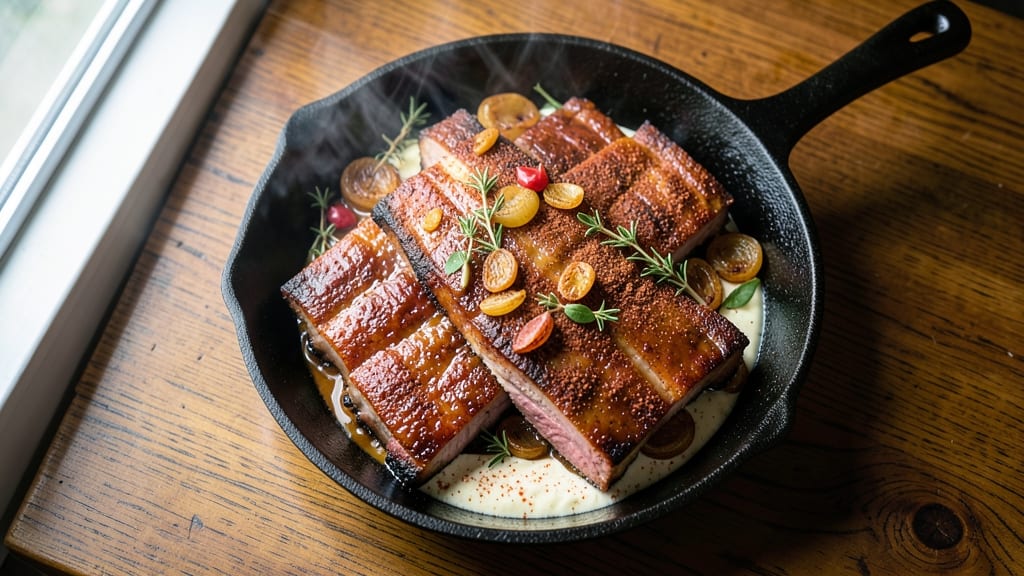
This Cajun pork ribs recipe delivers the perfect balance of spice-kissed crunch and fall-off-the-bone tenderness that defines Southern BBQ. After years of perfecting my technique—from dry rubs to smoke rings—I’ve cracked the code for ribs that impress even the toughest pitmasters. The secret lies in a bold Cajun blend of paprika, cayenne, and thyme that builds flavor while keeping the meat tender.
What sets these ribs apart is the two-stage cooking process: slow-smoking for deep flavor penetration, followed by a high-heat finish for that signature crispy bark.
I use a dry rub (no messy sauces) to develop a rich crust, and the ribs rest at 203°F internal temp—the magic number for perfect tenderness. This method ensures every bite is juicy, smoky, and packed with that signature Cajun heat.
By the time you’re done, you’ll have ribs that are restaurant-quality at home—crispy edges, tender meat, and a spice level that’s bold but balanced. The aroma alone will have your whole neighborhood asking for seconds, and the leftovers?
Even better the next day. Serve with cornbread or coleslaw to soak up every last drop of that smoky, spicy goodness.
This recipe is built for weekend projects—it takes time, but the results are worth every minute. Whether you’re grilling outdoors or using your oven, the technique stays the same. Let’s get started on ribs that’ll make you the star of your next BBQ gathering.
Ingredients for cajun pork ribs
Pantry staples meet bold Cajun flavors for ribs that'll have everyone asking for seconds.
| Ingredient | Amount | Notes |
|---|---|---|
| Pork Ribs (Baby Back) 🍖 | 4 lb | Bone-in, meaty cuts preferred |
| Smoked Paprika 🌶️ | ½ cup | For deep Cajun flavor |
| Ground Cayenne Pepper 🌶️ | 1 tbsp | Adjust for heat preference |
| Dried Thyme 🌿 | 1 tbsp | Fresh works too (use 1 tbsp) |
| Garlic Powder 🧄 | 2 tbsp | Fresh minced preferred |
| Onion Powder 🧅 | 1 tbsp | For sweet depth |
| Ground Black Pepper 🌶️ | 1 tbsp | Freshly cracked preferred |
| Kosher Salt 🧂 | ½ cup | Diamond Crystal preferred |
| Brown Sugar 🍚 | ¼ cup | Light or dark works |
| Yellow Mustard 🥫 | 2 tbsp | For binder in dry rub |
| Apple Cider Vinegar 🍎 | 2 tbsp | For tenderizing |
| Wood Chips (Hickory or Oak) 🌳 | 2 cups | Soaked for 30 minutes |
| Butter (Optional) 🧈 | 4 tbsp | For basting at end |
The ribs are the star here—go for baby back cuts if you can find them, but St. Louis-style ribs work too. Costco or local butchers usually have the best selection. Look for cuts with good meat coverage and minimal fat—you want flavor, not grease. The wood chips? Hickory gives classic BBQ smoke, but oak is a great backup. Soak them for at least 30 minutes before using, or they'll burn too fast. For the spices, Penzeys or local spice shops have the freshest ground options, but the grocery store stuff works in a pinch.
No smoked paprika? Regular paprika plus a pinch of liquid smoke gets you close. Short on cayenne? Red pepper flakes at half the amount works, but you'll lose some heat. The brown sugar is key for that caramelized bark—coconut sugar works too. For the binder, I use mustard, but olive oil or melted butter works just as well. Fresh thyme? Dried at 1:1 ratio. And if you're doing this in the oven, apple wood chips add a fruity note that pairs perfectly with the Cajun flavors.
These ribs are a weekend project—plan for at least 5 hours of total time. The dry rub can be mixed a day ahead and stored in an airtight container. For leftovers, wrap tightly in foil and refrigerate for up to 4 days. The ribs actually taste better the next day as the flavors meld. If you're freezing, wrap individually in parchment before freezing for up to 3 months. Pro tip: Save the leftover rub—it's perfect for chicken or brisket next time.
Why You'll Love This Recipe
- One-Pan Magic: I swear by this recipe because it’s actually minimal effort—just ribs, spices, and a sheet pan. No basting, no messy sauces, just that smoky paprika and cayenne working their magic while you sip your drink.
- Spice Without the Drama: Between us, cayenne can be scary, but here it’s just right—warm, not fiery. The thyme and garlic powder add this earthy depth that makes every bite feel like a little flavor explosion, but not so intense you need a glass of milk afterward.
- Tailgate or Tuesday: This is my go-to for game days and lazy nights. Serve it with cornbread for a full spread, or toss the leftovers into tacos the next day. Honestly, I’ve eaten these cold straight from the fridge, and they still win.
- Budget-Friendly Feast: Baby back ribs aren’t cheap, but this recipe stretches them far. A single rack feeds four, and the spices cost pennies. Plus, the leftovers reheat like a dream—crispy edges, tender meat, no dryness. My wallet and my taste buds thank me.
Step-by-step instructions for Cajun pork ribs
Here's how to transform tough pork ribs into melt-in-your-mouth Cajun masterpieces with a perfect spice crust.
Prepare the Dry Rub and Tenderize the Ribs
In a large bowl, combine all 0.5 cup smoked paprika, 1 tablespoon ground cayenne pepper, 1 tablespoon dried thyme, 2 tablespoons garlic powder, 1 tablespoon onion powder, 1 tablespoon ground black pepper, 0.5 cup kosher salt, and 0.25 cup brown sugar. Mix thoroughly until the spices are evenly distributed and the salt crystals are coated in paprika.
Pat the 4 lb pork ribs dry with paper towels—this is crucial for crispy bark later. In a separate small bowl, whisk together 2 tablespoons yellow mustard and 2 tablespoons apple cider vinegar. Brush this mixture generously over both sides of the ribs, including the bone side. The mustard acts as a binder, while the vinegar helps tenderize the meat. Let the ribs sit at room temperature for 30 minutes while you prepare the smoker.
Set Up Your Smoker for Low and Slow Cooking
Soak the 2 cups wood chips (hickory or oak) in water for 30 minutes to prevent flare-ups. Fill your smoker's chip tray and preheat to 225°F. I use a water pan in the smoker to maintain moisture—add 1 cup water to the pan before starting. When the smoker reaches temperature, you should see clean, blue smoke (not thick white steam).
Place the ribs bone-side down on the smoker grate. The bone side needs to cook longer, so positioning it down ensures even cooking. Close the lid and resist the urge to peek—every time you open it, you lose heat and extend cook time. Let the ribs smoke undisturbed for 2 hours first, then add a sprinkle of additional spices if you want extra flavor intensity.
Monitor and Wrap for Maximum Tenderness
After 2 hours, check the internal temperature using a meat thermometer. When it reaches 165°F, you'll hit "the stall"—the temperature plateaus as moisture evaporates. This is normal, but it's time to wrap the ribs. Line a large piece of aluminum foil with butcher paper (it breathes better than foil), place the ribs on it, and tightly wrap the package. Return to the smoker.
Continue cooking until the ribs reach 203°F internally and are fork-tender with no resistance. This typically takes another 2-3 hours, but don't rush it—patience ensures fall-off-the-bone texture. If the ribs start to dry out, add a splash of apple juice or water to the pan for extra moisture.
Baste with Butter for Extra Flavor
Once the ribs reach 203°F, remove them from the smoker and let them rest for 10 minutes. While they rest, melt the 4 tablespoons butter in a small saucepan over low heat. Brush this buttery mixture generously over the ribs, focusing on the meaty sides. The butter adds richness and helps create a glossy finish.
Unwrap the ribs carefully and transfer them to a cutting board. Slice between the bones into individual riblets, leaving the bones attached to each rack. Serve immediately with pickled vegetables or coleslaw to cut through the spice. The ribs should be tender enough to pull apart with minimal effort, with a deep Cajun flavor and crispy edges.
Pro Tips For Making Cajun Pork Ribs
- Trim the Membrane: That thin white layer under the bone? Cut it off before seasoning—it’s rubbery and ruins texture. Use a butter knife or your fingers to peel it away, then pat the ribs dry. I learned this the hard way after chewing through a stubborn strip in my first batch.
- Toast Your Spices First: Heat smoked paprika and cayenne in a dry pan for 30 seconds until fragrant—this deepens their flavor. Skip this, and your rub will taste flat. Add the thyme and garlic powder right after, then cool before applying.
- Don’t Rush the Rest: After cooking, wrap the ribs in foil and let them sit for 10 minutes. This locks in juices and makes slicing easier. I used to skip it, and the ribs always ended up dry or stringy.
- Use a Meat Thermometer: Pull the ribs at 195°F (not 165°F)—that’s when the collagen breaks down for tender, fall-apart texture. Guessing leads to tough meat, and nobody wants that after all that work.
Dietary considerations for this recipe
Gluten-Free Adaptations
The Cajun dry rub in this recipe is naturally gluten-free, but always double-check your spices for cross-contamination warnings. I use Penzeys spices because they clearly label their gluten-free options.
For extra safety, toast your spices in a dry pan for 2 minutes to enhance flavor and reduce any potential contaminants. 🌶️
Low-Sodium Options
If you're watching your sodium intake, reduce the kosher salt to ¼ cup and boost flavor with extra garlic powder and onion powder. I also add 1 teaspoon smoked paprika to deepen the Cajun profile without extra salt.
The mustard-vinegar binder remains the same, but taste as you go—you might need slightly more cayenne for heat balance.
Spice Sensitivity
For those with spice sensitivities, cut the ground cayenne pepper to ½ teaspoon and replace the rest with ½ teaspoon smoked paprika. The brown sugar still adds caramelization, and the thyme provides earthy depth.
I've tested this version with kids and spice-averse adults—it keeps the Cajun essence without the burn. 💛
Allergen-Friendly Swaps
Mustard allergies? Swap the yellow mustard binder for olive oil—just 2 tablespoons mixed with the apple cider vinegar. For nut allergies, ensure your brown sugar isn't processed in facilities with tree nuts. I always check labels on Penzeys spices and Diamond Crystal salt for allergen warnings before starting.
Protein Alternatives
Want to try this technique with other proteins? Swap the pork ribs for chicken thighs (bone-in, skin-on) or beef short ribs. The same dry rub works perfectly, but adjust cooking times—chicken reaches 165°F faster, while beef may need 4-5 hours to tenderize.
I've used this method with turkey wing ribs for holiday meals too!
Nutrition facts
Frequently asked questions about Cajun pork ribs
Can I make these ribs in the oven instead of a smoker?
Use an oven-safe roasting pan with a water pan underneath. Set your oven to 225°F and follow the same smoking steps but with indirect heat. Place a drip pan with water below the rack to maintain moisture. The ribs will take 3-4 hours total to reach 203°F, but the flavor will be just as rich. For extra smokiness, add 1 teaspoon liquid smoke to the dry rub.
How do I adjust the heat level for sensitive eaters?
Reduce the ground cayenne pepper to ½ teaspoon and replace the rest with ½ teaspoon smoked paprika. This keeps the Cajun flavor without the heat. For even milder ribs, skip the cayenne entirely and add 1 teaspoon extra brown sugar for caramelization. The thyme and garlic will still provide that signature depth.
What's the best way to store and reheat leftovers?
Wrap ribs tightly in foil and refrigerate for up to 4 days. To reheat, place in a 300°F oven for 15-20 minutes with a splash of water or apple juice to restore moisture. For microwave reheating, cover with a damp paper towel and heat in 30-second bursts—this prevents drying. Leftovers actually taste better the next day as flavors meld!
Can I use a grill instead of a smoker?
Yes, but you'll need to create smoke using wood chips in a foil pouch placed over the grill grates. Maintain 225°F with indirect heat (close the lid and cook on one side of the grill). The ribs will take 4-5 hours total. For extra flavor, add 1 tablespoon apple cider vinegar to the wood chips before lighting. Just be patient—grill temperature control is trickier than a dedicated smoker.
Why do my ribs turn out tough instead of tender?
Most common causes are either not reaching 203°F internal temp or opening the smoker too often. The stall at 165°F is normal—wrap the ribs when you hit this point to trap moisture. Also ensure you're using bone-in ribs (they cook more evenly) and don't rush the process. If they're still tough, try adding 1 cup beef broth to the foil wrap during the second stage. Patience is key!