
Main Courses
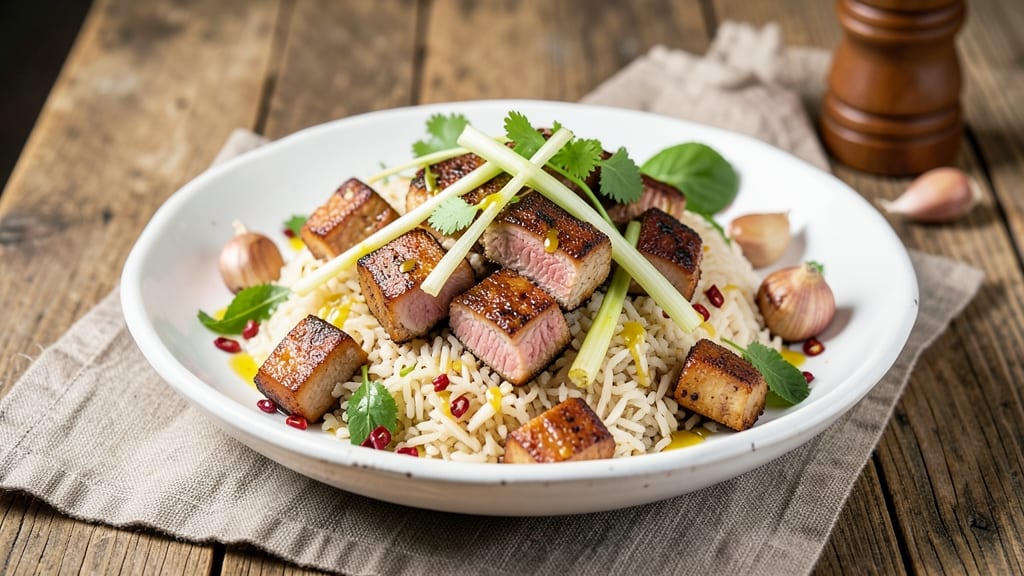
This Cambodian pork and rice recipe brings the vibrant flavors of Southeast Asia to your kitchen with a fragrant lemongrass stew and herbed jasmine rice.
The dish balances sweet, savory, and aromatic notes—traditional techniques like marinating pork in kaffir lime and lemongrass create depth, while the rice soaks up the rich broth for every bite.
I developed this recipe after years of exploring Cambodian street food, and it’s become a family favorite for its bold yet harmonious flavors.
The star of this dish is tender pork, slow-cooked with lemongrass, garlic, and a touch of coconut milk for creaminess. The marinade—packed with fish sauce, lime juice, and a hint of sugar—transforms simple cuts into restaurant-quality meat.
Meanwhile, jasmine rice steams to perfection, absorbing the aromatic broth for a cohesive, satisfying meal. This recipe delivers restaurant-style results without requiring advanced techniques.
What you’ll end up with is a fragrant, hearty dish that’s perfect for weeknight dinners or special occasions. The pork stays juicy and infused with bright, citrusy flavors, while the rice is fluffy and lightly scented with herbs.
Serve with a side of pickled vegetables or fresh herbs to balance the richness. This is comfort food at its finest—authentic, flavorful, and deeply satisfying.
The beauty of this recipe lies in its versatility. Use leftover broth for a quick soup, or repurpose the marinade for grilled pork skewers. It’s a dish that travels well, too—pack the rice and pork separately to enjoy later. Let’s get cooking!
Ingredients for cambodian pork and rice
Fragrant lemongrass, zesty lime, and tender pork—this Cambodian stew delivers bold flavors with just 15 ingredients.
| Ingredient | Amount | Notes |
|---|---|---|
| Pork Shoulder 🥩 | 1 ½ lb | Bone-in for flavor, cut into 1-inch cubes |
| Stems Lemongrass 🌿 | 3 whole | Bruised and cut into 2-inch pieces |
| Garlic Cloves 🧄 | 8 cloves | Minced for marinade |
| Kaffir Lime Leaves 🍋 | 4 whole | Bruised and cut into strips |
| Fish Sauce 🍶 | ¼ cup | Red Boat preferred for authenticity |
| Lime Juice 🍋 | ½ cup | Freshly squeezed |
| Brown Sugar 🍚 | ⅛ cup | For balancing flavors |
| Coconut Milk 🥥 | 1 can | Full-fat for creaminess |
| Jasmine Rice 🍚 | 1 ½ cups | Uncooked, long-grain |
| Fresh Cilantro 🌿 | ¼ cup | Chopped for garnish |
| Fresh Thai Basil 🌿 | ¼ cup | For aromatic finish |
| Vegetable Oil 🫒 | 2 tbsp | For searing pork |
| Salt 🧂 | 1 ½ tsp | Diamond Crystal preferred |
| Black Pepper 🌶️ | ½ tsp | Freshly ground |
| Chicken Broth 🍲 | 1 ½ cups | For simmering pork |
The pork shoulder is non-negotiable here—bone-in stays juicier and absorbs the marinade better. Local butchers often have it pre-cut, but if buying whole, ask for the shoulder cut. Lemongrass loses potency fast once cut, so buy fresh stalks and bruise them with the side of a knife. Kaffir lime leaves? Asian markets carry them frozen or fresh—freeze extras for later use. Fish sauce is the umami backbone, and Red Boat is the gold standard (though any reputable brand works). The brown sugar might seem odd, but it balances the sour and salty notes perfectly—don't skip it.
No fish sauce? Soy sauce at half the amount gets you close, but you'll lose that authentic depth. Running short on lemongrass? Substitute 1 tbsp lemongrass paste (found in Asian grocery freezer sections), but fresh is always better. The Thai basil can be swapped for regular basil in a pinch, though it lacks that signature anise flavor. For the coconut milk, full-fat is a must—light versions make the stew taste watery. And if you're feeling fancy, add a pinch of white pepper to the marinade for a Cambodian touch.
This dish tastes even better the next day—make extra! The pork stays tender for 3-4 days in the fridge, and the broth freezes beautifully for up to 3 months. I always double the marinade and save half for grilling pork skewers later. Store the rice separately to keep it fluffy—just reheat with a splash of water. For serving, toss the fresh herbs with a drizzle of the leftover coconut milk for an instant garnish that wows guests.
Why You'll Love This Recipe
- One-Pot Magic: I swear by this recipe because it’s all in one pot—no fussing with multiple pans or timers. The pork shoulder slows down while the rice steams right alongside, so you’re not stuck babysitting two things at once. (Yes, even on a Tuesday night.)
- Herb-Packed Punch: That lemongrass and kaffir lime leaves? They’re the secret weapons. The garlic cloves caramelize just enough to give this dish a depth that’s hard to resist, while the fish sauce ties everything together with that perfect salty-sweet balance. Honestly, it’s the kind of flavor that makes you want to eat it straight from the pan.
- Leftovers That Don’t Suck: Between us, this recipe actually improves the next day. The pork gets even more tender, and the rice soaks up all those rich juices—no sad, dry leftovers here. I portion it out for lunches, and my kids still beg for seconds. (Not the prettiest, but the taste makes up for it.)
- Budget-Friendly Feast: Pork shoulder is cheap, and a single bunch of lemongrass and lime leaves stretches across multiple meals. I’ll be real: this is my go-to when I’m trying to feed a crowd without breaking the bank. Plus, it’s the kind of dish that makes you feel like you’re serving something special, even if it’s just weeknight dinner.
Step-by-step instructions for fragrant lemongrass stew with herbed jasmine
Here's how to make this aromatic Cambodian classic—layered flavors and tender pork every time.
Prepare the Pork and Aromatics
Cut the 1.5 lb pork shoulder into 1-inch cubes and set aside. For the lemongrass, bruise each of the 3 whole stems by gently pounding them with the side of a knife to release their oils, then cut into 2-inch pieces. The kaffir lime leaves should be bruised and cut into strips—this ensures their citrusy aroma infuses the stew properly.
In a small bowl, combine the 8 minced garlic cloves, 0.5 cup lime juice, 0.25 cup fish sauce, and 0.125 cup brown sugar. Mix well and let this marinade sit for 10 minutes while you prep the rest. This balance of sweet, sour, and umami is what makes this dish sing. Don't skip the bruising—it's what unlocks the full depth of flavor from the lemongrass and lime leaves.
Sear the Pork for Deep Flavor
Heat 2 tbsp vegetable oil in a large pot or Dutch oven over medium-high heat until shimmering. Working in batches, add the pork cubes and sear for 2-3 minutes per side until they develop a golden crust. Overcrowding will steam the meat instead of searing it—keep it moving if needed. Remove the pork and set it aside.
In the same pot, add the bruised lemongrass, kaffir lime strips, and the garlic-lime marinade. Cook for 1 minute until fragrant—this builds the aromatic base of your stew. Here's the thing: the pork should release easily from the pan when it's ready to flip. If it sticks, your oil isn't hot enough, and you'll need to start over with fresh oil.
Build the Lemongrass-Coconut Stew
Pour in 1.5 cups chicken broth and scrape up any browned bits from the bottom of the pot. Add the 1 can coconut milk, then return the pork to the pot. Bring everything to a gentle simmer over medium heat, then reduce to low. Cover and let it cook for 45 minutes, stirring occasionally to prevent the coconut milk from separating.
The stew should reduce slightly, creating a thick, fragrant sauce that coats the pork. You'll notice the lemongrass and lime leaves softening—this is when they release their full essence. If the sauce looks too thin after 30 minutes, uncover and simmer for another 10 minutes to thicken it properly. The pork should be fork-tender but not falling apart.
Finish with Herbs and Jasmine Rice
While the stew simmers, rinse the 1.5 cups jasmine rice until the water runs clear. Cook it according to package instructions—usually 15 minutes in a rice cooker or steamer. The rice should be fluffy and separate, not mushy.
Once the pork is tender, stir in the 1.5 tsp salt and 0.5 tsp black pepper, then remove from heat. Gently fold in the 0.25 cup chopped cilantro and 0.25 cup chopped Thai basil just before serving. These herbs add a bright, fresh finish that cuts through the richness of the coconut milk. Serve the stew ladled over the jasmine rice, with extra basil sprinkled on top for that authentic Cambodian touch.
Pro Tips For Making Cambodian Pork And Rice
- CHAR THE PORK LOW: Start with a smoking-hot pan—no, really, get it ripping hot—and sear the pork shoulder until it’s deep brown in spots. This locks in flavor and prevents the meat from turning into a sad, gray slab. I used to rush this, and the pork always ended up dry. Two minutes per side, no excuses.
- SMASH THE GARLIC: Don’t just mince the garlic—smash it with the flat side of your knife first. This breaks down the cells and releases more flavor into the oil. I learned this the hard way when my Cambodian pork tasted bland (yes, even with fish sauce). A few firm whacks on the cutting board does the trick—no fancy tools needed.
- SKEWER THE LEMONGRASS: Cut the lemongrass stems into 2-inch pieces, then poke a hole in the center of each with a knife tip. This lets the oils and aromatics infuse faster instead of sitting like a stubborn log in your pot. Trust me, your rice will thank you.
- SALT THE PORK TWICE: Season the pork shoulder before searing, then again after it’s rested. The first layer helps render fat, and the second ensures it’s not bland by the time it’s done. I skip this and wonder why my dish lacks depth—don’t be that cook.
Flavor customization for this recipe
Sweet-Savory Balance
Adjust the brown sugar to lime ratio for your preferred sweetness level. Start with the 0.125 cup brown sugar called for, but if you love richer flavors, increase to 0.25 cup.
For a tangier bite, add an extra 1 tbsp lime juice—this balances the coconut creaminess beautifully. I often test the marinade before using it on the pork to ensure harmony. 🌶️
Spicy Kick Options
For heat lovers, add 1-2 tbsp sambal oelek to the stew during the final 10 minutes of simmering. This Cambodian chili paste brings smoky depth without overpowering. Alternatively, stir in 1 tsp ground white pepper for a subtle, aromatic heat that’s traditional in many Cambodian dishes.
Fresh red chili slices also work—toss them in at the end to preserve their brightness.
Creamy or Light
Reduce the coconut milk by half (½ can) for a lighter stew, replacing it with ½ cup chicken broth. This creates a more broth-like texture while keeping the lemongrass aroma intact.
For extra richness, replace ¼ cup coconut milk with ¼ cup full-fat yogurt—it adds tangy creaminess that pairs perfectly with the pork. Trust me, this tweak elevates the dish to another level. ✨
Herb Variations
Swap the Thai basil for cilantro and mint (each 0.125 cup) for a fresher, brighter finish. If you can’t find Thai basil, use regular basil with a pinch of anise seeds toasted in the oil for a similar anise note.
For a more rustic touch, add 1 tbsp chopped mint to the rice while cooking—it infuses beautifully. 🌿
Vegetable Add-Ins
Stir in 1 cup sliced bell peppers or 1 cup shredded cabbage during the last 15 minutes of cooking for added texture. For a traditional touch, add ½ cup bamboo shoots (canned or fresh) to mimic Cambodian amok flavors.
These veggies soften just enough to absorb the stew’s rich sauce without overpowering the pork. 🥕
Protein Swaps
Replace pork shoulder with chicken thighs (bone-in for flavor) or shrimp (add during the last 5 minutes of cooking). For a vegetarian version, use extra-firm tofu pressed and cubed—marinate it for 30 minutes in the same sauce.
The tofu absorbs the flavors beautifully, though it cooks faster, so keep an eye on it. 🍤
Nutrition facts
Frequently asked questions
Can I use bone-in pork chops instead of pork shoulder?
Yes, but you'll need to adjust the cooking time. Bone-in pork chops (about 1-inch thick) will take 25-30 minutes to cook through after searing, while pork shoulder needs the full 45 minutes. The bone adds extra flavor, just like in the original recipe—just check for 165°F internal temperature before serving.
What if I can't find kaffir lime leaves?
Use 2 tbsp lime zest plus 1 tbsp lime juice as a substitute—it won't be identical, but it'll add that citrusy brightness. For a deeper aroma, toast 1 tsp coriander seeds in the oil before searing the pork. The flavor won't be the same, but it'll still taste delicious.
How do I make this dish spicier?
Add 1-2 tbsp sambal oelek during the last 10 minutes of simmering, or stir in 1 tsp ground white pepper with the salt. For a traditional Cambodian touch, toss in 2-3 thin slices of fresh red chili at the end—they'll soften slightly but keep their heat. Start with less and adjust to taste!
Can I cook this in an Instant Pot?
Sear the pork first, then add all ingredients except herbs. Cook on high pressure for 20 minutes, followed by a 10-minute natural release. The coconut milk may separate slightly, so stir well before serving. The Instant Pot version cooks faster but loses some of the deep caramelization from stovetop simmering.
What's the best way to reheat leftovers?
Gently warm the stew on low heat with a splash of water or broth to prevent drying. For rice, spread it on a tray and microwave for 1-2 minutes, then fluff with a fork. Never reheat rice directly in the microwave—it turns gummy. The flavors actually improve after 1-2 days of resting!