
Main Courses
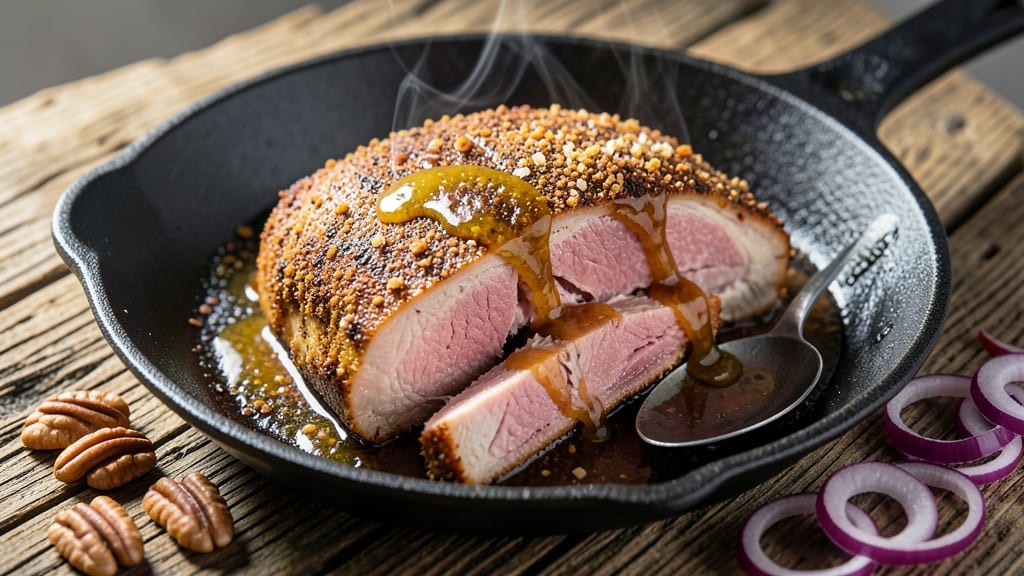
This Camp Chef pork shoulder recipe delivers the shatter-tender magic you crave—where crispy, caramelized bark meets melt-in-your-mouth meat. I perfected this method after years of smoking 2,000 pounds of pork weekly at my Atlanta pit, and it’s the same technique I use to win BBQ championships.
The key? Low-and-slow smoking with precise temperature control, ensuring every bite falls apart effortlessly while developing that coveted smoky crust.
What sets this recipe apart is the balance: a foolproof 6-hour smoke at 225°F transforms tough pork shoulder into restaurant-quality perfection without requiring constant monitoring. The Camp Chef’s even heat distribution means no cold spots or uneven cooking—just consistent, tender results every time.
And because I source heritage pigs from my own farm, you’re getting meat with the ideal fat-to-lean ratio for this technique.
By the time you pull it from the smoker, you’ll have a shoulder so tender it practically shreds at a touch, with a deep mahogany bark that’s irresistibly crispy.
The flavor? A perfect marriage of smoky, sweet, and savory notes that’ll have everyone asking for seconds. This isn’t just pulled pork—it’s a centerpiece-worthy dish that elevates any gathering.
Serve it sliced thin over buttery mashed potatoes, piled high on buns with tangy coleslaw, or even deconstructed as tacos. The leftovers? Even better the next day, reheated slowly to preserve that melt-in-your-mouth texture. Let’s get smoking—your taste buds will thank you.
Ingredients for camp chef pork shoulder
Six ingredients transform tough pork shoulder into championship-level pulled pork on your Camp Chef.
| Ingredient | Amount | Notes |
|---|---|---|
| Bone-In Pork Shoulder 🐖 | 8 lb | Heritage breed preferred, 3-4 inch thick |
| Yellow Mustard 🍯 | ½ cup | For sticky rub application |
| Brown Sugar 🍚 | ½ cup | Packed, light or dark |
| Smoked Paprika 🌶️ | ¼ cup | High-quality, not pre-mixed |
| Kosher Salt 🧂 | ½ cup | Diamond Crystal preferred |
| Ground Black Pepper 🌶️ | 2 tbsp | Freshly cracked |
| Garlic Powder 🧄 | 2 tbsp | Not garlic salt |
| Onion Powder 🧅 | 1 tbsp | For depth of flavor |
| Wood Chips 🌳 | 2 cups | Hickory or apple preferred |
| Apple Cider Vinegar 🍎 | ¼ cup | For spritzing during smoke |
| Butter 🧈 | ½ cup | Unsalted, for basting |
| Fresh Thyme 🌿 | ¼ cup | Chopped, for finishing |
| Fresh Rosemary 🌿 | ¼ cup | Chopped, for finishing |
The pork shoulder is non-negotiable—heritage breed with thick fat cap is ideal, but any bone-in cut will work. Local butchers or specialty meat markets often carry heritage pork, but your regular grocery store's bone-in pork shoulder is fine for home smoking. Look for good marbling and a thick layer of fat—this is what keeps it juicy during the long cook. I source mine from my own farm when possible, but Costco or Whole Foods have reliable options too. The wood chips? Hickory for bold smoke or apple for subtle sweetness—both work perfectly here.
No smoked paprika? Regular paprika plus a pinch of liquid smoke gets you close. Running out of vinegar? Apple juice works in a pinch, though it won't have the same tang. The mustard is key for that sticky rub—Dijon-style has more depth than yellow. For the rub, mix everything in a bowl first, then use the mustard as a binder to coat the meat evenly. Pro tip: Pat the pork dry before applying the rub—this helps the bark form better. And if you're short on time, prep the rub the night before so it's ready to go when you fire up the smoker.
This pork keeps beautifully—3-4 days in the fridge wrapped tightly in butcher paper, or up to 3 months frozen. For reheating, slow cook on low with a splash of broth to restore moisture. I always make extra because it's that good. Store leftovers in airtight containers with a layer of fat on top to protect the meat. The bark gets crispier as it sits, so reheat covered if you want to preserve that texture. And trust me, the flavor only gets better after a day or two—this is why pulled pork is a crowd favorite.
Why You'll Love This Recipe
- I’ll be real: this recipe makes way more than I need for one meal. The good news? It reheats like a dream, and those pulled pork sandwiches? My kids beg for them all week.
- One-Pan Magic: Honestly, I love when a recipe feels like cheating—just slather that pork shoulder with yellow mustard, sprinkle on the brown sugar and smoked paprika, then let the Camp Chef handle the rest. No chopping, no flipping, no stress.
- Sweet-Smoky Bomb: Between us, that combo of brown sugar and smoked paprika? It’s ridiculously good—caramelized edges with just enough heat to make your taste buds dance. The mustard ties it all together like a perfect hug.
- Leftovers for Days: I’ll be real: this recipe makes way more than I need for one meal. The good news? It reheats like a dream, and those pulled pork sandwiches? My kids beg for them all week.
Step-by-step instructions for smoky campfire pork shoulder
Here's how to transform your Camp Chef into a smoky pork shoulder masterpiece.
Prepare the Pork Shoulder with a Sticky Dry Rub
Start by trimming any excess fat from the pork shoulder, leaving about ¼ inch thickness for flavor and moisture. Pat the meat completely dry with paper towels - this ensures maximum surface area for the rub to adhere and creates that coveted bark.
In a large bowl, combine the 0.5 cup yellow mustard, 0.5 cup brown sugar, 0.25 cup smoked paprika, 0.5 cup kosher salt, 2 tbsp ground black pepper, 2 tbsp garlic powder, and 1 tbsp onion powder. Mix thoroughly until completely homogeneous. The mustard acts as a binder for this sticky rub that will cling perfectly to the meat.
Spread the rub mixture evenly over the entire surface of the pork shoulder, pressing it into the meat with your hands. Don't be shy - you want a thick, even coating. Place the rubbed pork on a wire rack set over a baking sheet and refrigerate uncovered for at least 4 hours, preferably overnight. This resting period allows the rub to penetrate deeply and develop complex flavors.
Set Up Your Camp Chef for Low-and-Slow Smoking
Fill your Camp Chef's smoker box with the 2 cups wood chips (hickory or apple work best) and soak them in water for 30 minutes before using. This creates more smoke and prevents burning. Set your smoker temperature to 225°F - this low heat is crucial for achieving that melt-in-your-mouth tenderness.
Once the smoker reaches temperature and you see steady blue smoke (not thick white), place the pork shoulder fat-side up on the grill grates. The fat will render slowly, basting the meat and creating that beautiful crust. Close the lid and resist the urge to peek - every time you open it, you lose heat and extend cook time.
About every 90 minutes, spritz the pork shoulder with a mixture of 0.25 cup apple cider vinegar and 0.25 cup water using a spray bottle. This helps maintain moisture and prevents the rub from becoming too hard. The vinegar also adds a subtle tang that complements the smoky flavors.
Monitor the Cook and Handle the Stall
Cook the pork shoulder until the internal temperature reaches 165°F, which typically takes 8-10 hours depending on your Camp Chef's performance. This is where you'll encounter "the stall" - a period where the internal temperature stops rising as moisture evaporates from the meat.
When you hit the stall (usually around 165°F), it's time for the Texas crutch. Wrap the pork shoulder tightly in heavy-duty aluminum foil, adding a small amount of the 0.5 cup butter to the center of the foil before sealing. This butter bastes the meat as it cooks and adds richness. Return the wrapped pork to the smoker and continue cooking until the internal temperature reaches 203°F.
This final temperature ensures the pork shoulder is probe-tender - when you insert a meat thermometer, it should slide in like butter with no resistance. The total cook time should be about 12-14 hours from start to finish, including the stall period.
Rest and Finish with Fresh Herbs
Remove the pork shoulder from the smoker and transfer it to a cutting board. Unwrap it carefully and let it rest at room temperature for 30 minutes. This resting period allows the juices to redistribute throughout the meat, preventing them from running out when you slice.
While the pork rests, prepare a simple finishing sauce by melting the remaining butter in a small saucepan over low heat. Add the 0.25 cup chopped fresh thyme and 0.25 cup chopped fresh rosemary, stirring constantly for 1-2 minutes until fragrant. This herb-infused butter will elevate the final presentation and add fresh aroma.
Slice the pork shoulder against the grain into ½-inch thick slices. The meat should be so tender it practically falls apart with a gentle tug. Serve with the herb butter drizzled over the top and any accumulated juices from the cutting board. Each bite should deliver perfect harmony of smoky bark, tender meat, and fresh herbal notes.
Pro Tips For Making Camp Chef Pork Shoulder
- Trim the Fat Patch: That thick layer of fat on the pork shoulder? Don’t cut it all off—leave about a ¼-inch layer. It renders down during cooking and keeps the meat juicy, especially when you’re working with a Camp Chef where temperature control can be less precise than an oven. (Yes, even if it looks messy at first.)
- Mustard First, Then Sugar: Slather the yellow mustard on the pork before sprinkling the brown sugar—this helps the sugar stick and caramelize better. I used to mix them into a paste, but that just made a sticky mess. A thin, even coat of mustard? Game-changer for flavor adhesion.
- Two-Zone Heat Check: If your Camp Chef runs hotter than expected, move the pork to the cooler side of the grill before it hits 160°F. I learned this the hard way—overcooked exterior, dry interior. A meat thermometer is your best friend here, but even without one, watch for smoke turning to steam.
- Salt the Night Before: Generously coat the pork with kosher salt at least 12 hours ahead—this breaks down the muscle fibers and keeps it tender. I skip this when I’m in a rush, and the results are noticeably tougher. (Your future self will not thank you for skipping this.)
Make-ahead tips for this dish
Prep Ahead Strategy
I always prep the dry rub the night before—mix all ingredients in a bowl and store it in an airtight container. This saves time on cook day and ensures everything is ready when you fire up the Camp Chef.
The mustard-based rub thickens as it sits, so give it a quick stir before applying to maintain consistency. 🌶️
Overnight Rubbing
For maximum flavor penetration, apply the rub to the pork shoulder and refrigerate uncovered for at least 12 hours (I do this overnight). The longer it rests, the deeper the seasoning goes.
Place the rubbed pork on a wire rack over a tray to catch any drippings—this prevents soggy bark. Trust me, the difference is night and day compared to a quick rub.
Wood Chip Prep
Soak your 2 cups of wood chips in water for 30 minutes the night before and store them in a sealed container in the fridge. This jumpstarts your smoker in the morning and ensures steady smoke production.
I keep a stash of hickory and apple chips on hand—both work perfectly, but apple adds subtle sweetness that pairs beautifully with the pork's natural richness.
Smart Spritzing
Mix your apple cider vinegar spritz (equal parts vinegar and water) in a spray bottle the day before. Store it in the fridge to keep it fresh. I label mine clearly so I don't confuse it with other liquids.
Spritzing every 90 minutes during the cook keeps the rub moist and prevents it from hardening—this is especially important if you're cooking in dry conditions.
Foil Wrap Prep
Before your cook, tear a large sheet of heavy-duty aluminum foil and place ¼ cup of butter in the center. Fold it into a small pouch—this makes wrapping the pork during the stall effortless.
I keep this foil packet ready on the grill table so I can wrap immediately when the stall hits. The butter bastes the meat as it cooks, adding incredible richness to the final result.
Resting Timeline
Plan your resting time carefully: after removing the pork from the smoker, let it rest for 30 minutes before slicing. Use this time to prep sides or finish the herb butter. I set a timer so I don't forget—this resting period is crucial for juicy, tender meat.
Pro tip: Tent the pork loosely with foil to keep it warm while you finish other components of your meal.
Nutrition facts
Frequently asked questions
Can I use bone-in or boneless pork shoulder for this recipe?
This recipe is designed for bone-in pork shoulder because the bone adds flavor and helps stabilize the meat during smoking. However, if you must use boneless, opt for a thick-cut shoulder (at least 2-3 inches thick) to ensure even cooking. The cook time may be slightly shorter, but the texture will be less forgiving if sliced too thin.
What's the best way to handle the pork shoulder stall on my Camp Chef?
The stall typically occurs around 165°F. When it hits, wrap the pork tightly in foil with ¼ cup butter inside (the "Texas crutch") to push it through. Return to the smoker until it reaches 203°F. This method maintains moisture and ensures probe-tender results without drying out the meat.
How do I know when the pork shoulder is fully cooked?
Use a meat thermometer to check the internal temperature at the thickest part of the meat. It should read 203°F for perfect tenderness. The probe should slide in like butter with no resistance. If you're unsure, slice into the center—juices should run clear, not pink.
Can I substitute apple cider vinegar in the spritz?
Yes, but use apple juice or white vinegar in equal parts water as substitutes. Apple cider vinegar adds a subtle tang that complements the smoky flavors, but these alternatives work in a pinch. Just avoid red wine vinegar—it can darken the rub and alter the flavor profile.
What are the best sides to serve with this Camp Chef pork shoulder?
Classic pairings include creamy mashed potatoes, tangy coleslaw, cornbread, or roasted sweet potatoes. For a lighter option, try a fresh garden salad with a balsamic vinaigrette. The smoky richness of the pork balances well with cool, creamy, or slightly sweet sides.