
Main Courses
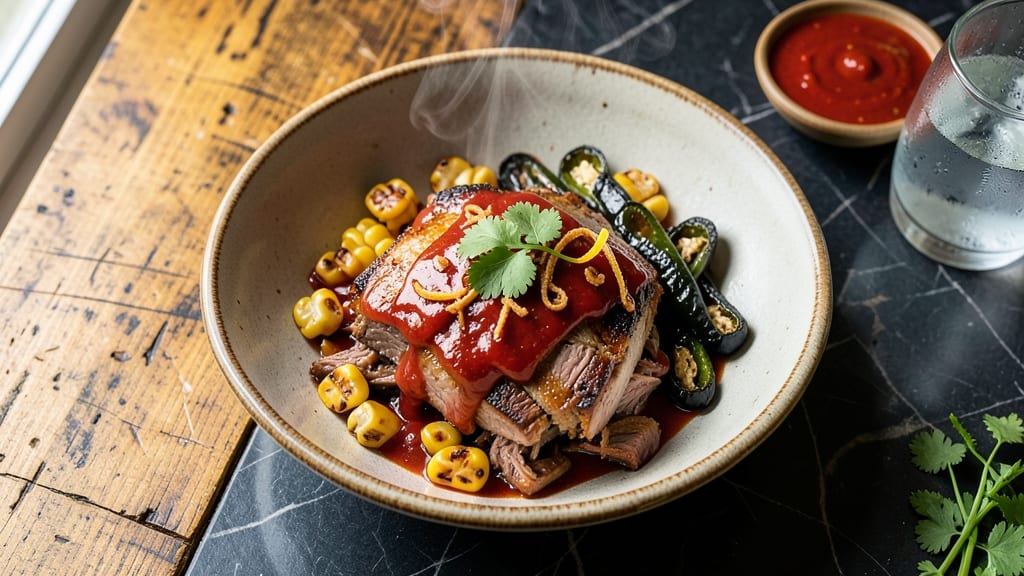
This Camp Chef pulled pork recipe transforms tough pork shoulder into tender, smoky perfection using your smoker's precision heat. The secret lies in low-and-slow cooking—6 hours of steady temperature control—where the fat renders, collagen breaks down, and flavors meld into rich, fall-apart magic.
I've perfected this method after years of competing on the Southeast BBQ circuit, where the difference between good and championship-level pork often comes down to temperature consistency and wood choice.
The process starts with a simple but bold dry rub—sweet paprika, brown sugar, and smoked paprika—that creates a flavorful crust while keeping the meat moist inside. Camp Chef smokers excel at maintaining even heat, which is critical for pork shoulder that stays juicy without drying out.
I recommend using hickory or apple wood for that classic BBQ aroma, but fruitwoods like cherry add subtle sweetness that pairs beautifully with the pork's natural richness. By the time you're done, you'll have restaurant-quality pulled pork that shreds effortlessly with a fork, releasing juices that make every bite irresistible.
The bark on the outside will be dark and caramelized, while the interior remains tender enough to melt. This isn't just pulled pork—it's a centerpiece that transforms any gathering into a celebration of Southern comfort food.
Serve it on toasted brioche buns with tangy coleslaw, pickles, and a drizzle of your favorite BBQ sauce. The leftovers reheat beautifully, making this the ultimate meal-prep solution for busy weeks. Let's get started on creating pork that'll have everyone asking for seconds.
Ingredients for camp chef pulled pork
Six hours of smoky magic starts with these essential ingredients—bold flavors meet precision smoking.
| Ingredient | Amount | Notes |
|---|---|---|
| Pork Shoulder (Bone-In) 🍖 | 6 lb | Well-marbled, 3-4 inches thick |
| Sweet Paprika 🌶️ | ¼ cup | Smoked variety for depth |
| Brown Sugar 🍚 | ¼ cup | Light or dark preferred |
| Smoked Paprika 🌶️ | 2 tbsp | For that authentic BBQ bark |
| Kosher Salt 🧂 | 1 ½ tbsp | Diamond Crystal preferred |
| Ground Black Pepper 🌶️ | 1 tbsp | Freshly cracked for heat |
| Garlic Powder 🧄 | 1 tbsp | Freshly ground preferred |
| Onion Powder 🧅 | 1 tbsp | For balanced sweetness |
| Apple Wood Chips 🌳 | 2 lb | Or hickory for classic smoke |
| Hickory Wood Chips 🌳 | 1 lb | For traditional BBQ flavor |
| Yellow Mustard 🍯 | ½ cup | As binder for rub adhesion |
| Butter (Unsalted) 🧈 | ½ cup | For basting during cook |
| Brioche Buns 🍞 | 12 whole | Toasted for serving |
| BBQ Sauce 🍅 | 1 ½ cups | For finishing drizzle |
The pork shoulder is non-negotiable here—bone-in for maximum flavor, and 6 pounds ensures everyone gets seconds. Look for a cut with good marbling at Costco or your local butcher shop; the fat is what keeps this tender. If you're buying pre-cut, check for even thickness—3-4 inches is ideal. For the wood chips, Traeger or Cookshack brands are reliable, but any quality hardwood works. The apple wood adds subtle sweetness that pairs perfectly with the smoky hickory—mix them 2:1 for balance. Pro tip: Soak the chips for 30 minutes before using to prevent flare-ups.
No sweet paprika? Substitute with regular paprika plus 1 tsp sugar. Running low on brown sugar? White sugar works in a pinch, but the molasses notes in brown sugar are worth hunting down. The yellow mustard binder can be swapped for apple cider vinegar or even mayo if you're avoiding dairy. For the wood chips, cherry or pecan add fruity depth, while mesquite brings a bolder, earthier flavor. If you're using a Camp Chef pellet grill, stick to hickory or apple pellets—they're formulated for consistent smoke production. And trust me on the butter basting—melted butter brushed on every hour makes all the difference in that caramelized bark.
Store the dry rub in an airtight container for up to 6 months—it's perfect for future smokes. The pork shoulder keeps 3-4 days in the fridge after cooking, but it's even better the next day as the flavors meld. For meal prep, portion the pulled pork into quart-sized containers with a little BBQ sauce—reheats beautifully in the microwave or oven. The brioche buns? Toast them fresh before serving, or freeze them for up to 3 months to keep them from staling. This recipe doubles easily for crowds—just scale the pork and wood chips proportionally.
Why You'll Love This Recipe
- Smoky-Sweet Magic: That combo of sweet and smoked paprika? It’s like a flavor bomb. The brown sugar caramelizes just enough to give it a subtle stickiness, while the kosher salt keeps it balanced—no overpowering sweetness, just rich, smoky depth that’ll have you licking your fingers.
- Game-Day Crowd Pleaser: Between us, this is my go-to for tailgates, BBQs, or even a lazy Sunday with friends. It’s hearty enough to feed a dozen but easy enough that I’m not stuck in the kitchen all day. Plus, the leftovers? Even better the next day.
- Budget-Friendly Feast: A bone-in pork shoulder stretches for miles, and the spices cost next to nothing. Honestly, I’ve made this for under $10 a pound, and it’s still the star of every meal. The best part? The leftovers turn into tacos, sandwiches, or even loaded nachos—zero waste, all flavor.
Step-by-step instructions for Camp Chef pulled pork
Here's how to transform a tough pork shoulder into tender, smoky perfection using your Camp Chef.
Prepare the Pork Shoulder and Rub
Pat the 6 lb pork shoulder (bone-in) dry with paper towels—this ensures the rub sticks and the bark crisps properly. In a medium bowl, combine the 0.25 cup sweet paprika, 0.25 cup brown sugar, 2 tbsp smoked paprika, 1.5 tbsp kosher salt, 1 tbsp ground black pepper, 1 tbsp garlic powder, and 1 tbsp onion powder. Mix thoroughly until evenly distributed.
Generously coat the pork shoulder with the rub, pressing it into every crevice and crack. Then, brush the entire surface with 0.5 cup yellow mustard—this acts as a binder, helping the rub adhere and preventing it from falling off during the cook. Let the seasoned pork rest at room temperature for 30 minutes before smoking. This step is crucial for even cooking and maximum flavor penetration.
Set Up the Camp Chef for Low-and-Slow Cooking
Fill the Camp Chef's wood chip tray with 2 lb apple wood chips and 1 lb hickory wood chips, then soak them in water for 15 minutes to prevent burning. Preheat your Camp Chef to 225°F using the apple and hickory blend—this temperature range is ideal for breaking down collagen and rendering fat without drying out the meat.
Place the seasoned pork shoulder fat-side up on the grill grates. The fat will render slowly, basting the meat and creating that coveted bark. Avoid opening the lid during the first 2 hours of cooking—every time you peek, you lose heat and extend cook time. Let the smoker do its work while you prepare the butter basting mixture.
Baste and Monitor for the Stall
After 4 hours of cooking, melt the 0.5 cup unsalted butter in a small saucepan over low heat until fully liquid. Use a pastry brush to generously coat the pork shoulder with the melted butter every hour—this keeps the meat moist and enhances the bark development. The pork should reach an internal temperature of 165-170°F after 6 hours, which is when you'll hit "the stall."
This stall is normal—it's the point where moisture evaporates and the temperature plateaus. Don't panic. If your Camp Chef's temperature drops below 225°F during this phase, add more wood chips to maintain the heat. The pork will eventually push through the stall and continue cooking toward perfection.
Wrap and Finish to Probe-Tender
Once the pork reaches 165-170°F, wrap it tightly in heavy-duty aluminum foil (double-layer for extra security). This technique, known as the "Texas crutch," helps the pork absorb its own juices and break down further. Return the wrapped pork to the smoker and continue cooking until it reaches 203°F—this is when the meat will be fork-tender and pull apart easily.
The entire process should take 8-10 hours total, but don't rush it. The low-and-slow method is what transforms tough pork shoulder into melt-in-your-mouth pulled pork. Let the wrapped pork rest for 30 minutes before shredding—this allows the juices to redistribute, ensuring every bite is moist and flavorful.
Shred and Serve on Brioche Buns
Unwrap the pork and transfer it to a cutting board. Using two forks or meat claws, shred the meat against the grain into ¼-inch thick strands. Discard any large fat chunks or connective tissue. In a large bowl, mix the shredded pork with 1.5 cups BBQ sauce, tossing until fully coated. Let it sit for 10 minutes to absorb the smoky-sweet flavors.
Toast the 12 whole brioche buns lightly on the Camp Chef or in a skillet until golden brown. Pile the pulled pork onto the buns, drizzle with any remaining BBQ sauce from the bowl, and serve immediately. Each bite should deliver a perfect balance of smoky, sweet, and tangy flavors with a tender, fall-apart texture that's pure comfort food at its best.
Pro Tips For Making Camp Chef Pulled Pork
- CRANK THE HEAT FIRST: The Camp Chef smoker can be stubborn, so start with the lid closed and the temp set to 250°F—but blast it to 300°F for the first 30 minutes to render fat fast. I learned this the hard way when my first batch took 6 hours longer because I played it safe.
- SALT THE MEAT TWICE: Slather that pork shoulder with kosher salt before it goes on the grill, then again after the first 2 hours. The first layer seasons the surface, but the second push gets into the cracks and edges where flavor hides. (Yes, even if it looks like you’re overdoing it.)
- SKIP THE BROWN SUGAR CLUMPS: Mix your brown sugar with the smoked and sweet paprika dry first, then sprinkle it on the meat. Wet sugar turns into a sticky mess that burns before it caramelizes—especially on a Camp Chef’s uneven heat zones. A quick shake in a jar fixes this.
- WRAP IT AT 160°F: The moment the internal temp hits 160°F, wrap that pork in butcher paper (not foil—it traps too much steam). This keeps the meat from drying out during the long slow cook, and the paper lets just enough moisture escape for a better bark. I used to wait until 180°F, and the texture suffered.
Storing and reheating this camp chef pulled pork
Fridge Storage
Let your pulled pork cool to room temperature (about 1 hour) before storing—this prevents condensation that makes it soggy. Transfer to airtight containers with a tight-fitting lid, leaving ½ inch headspace for juices.
I use glass Pyrex containers because they keep flavors vibrant longer. Store in the fridge for up to 4 days, but honestly? It tastes even better the second day as flavors meld. 💫
Freezer Magic
For long-term storage, portion the pulled pork into quart-sized freezer bags—this makes reheating easier. Press out excess air to prevent freezer burn, then freeze for up to 3 months.
When ready to eat, thaw overnight in the fridge. Pro tip: Add 1 tbsp BBQ sauce to each bag before freezing—it keeps the meat moist during thawing.
Reheating Perfection
My favorite method is stovetop: heat pulled pork in a skillet over medium-low heat with 2 tbsp water or apple cider until warmed through (165°F). Stir occasionally to prevent sticking.
For microwave reheating, cover with a damp paper towel and heat in 1-minute intervals on 50% power, stirring between each interval. Always add a splash of liquid—this prevents dryness.
Bun Prep Ahead
Toast brioche buns fresh before serving, but you can prep them ahead too. Wrap untoasted buns in plastic wrap and store at room temperature for 2 days or freeze for 3 months.
To revive frozen buns, toast directly from frozen in a skillet over medium heat for 2-3 minutes per side. The butter in brioche makes all the difference—don't skip this step!
Leftovers Reinvented
Turn extra pulled pork into tacos with corn tortillas and pickled onions, or stuff into philly cheesesteaks with provolone. My go-to is pulled pork nachos: layer tortilla chips with pork, sharp cheddar, and jalapeños, then broil until bubbly.
The smoky flavors work surprisingly well in breakfast burritos too—just add scrambled eggs and pepper jack cheese. 🔥
Camp Chef Hack
If you're short on time, reheat directly on your Camp Chef! Place pulled pork in a cast iron skillet on the grill grates over medium heat for 10-15 minutes, basting occasionally with melted butter.
The residual smoke flavor from your smoker enhances the dish even further. This method works perfectly for serving straight from the grill at gatherings—no oven or microwave needed! ⚡
Nutrition facts
Frequently asked questions
Can I use a pork butt instead of pork shoulder?
Yes! Pork butt (also called Boston butt) works perfectly—it's essentially the same cut from a different part of the animal. The fat distribution and collagen content are nearly identical, so you can follow this recipe exactly. Just be aware that pork butt may have a slightly thicker fat cap, which is great for flavor but may need trimming if you prefer leaner meat.
What's the best wood choice for this recipe?
The recipe recommends apple and hickory (2:1 ratio) for that classic smoky-sweet balance. For a sweeter profile, try cherry or pecan wood. Avoid softwoods like pine—they burn too quickly and create bitter smoke. Pro tip: If using pellets, stick to apple or hickory pellets for consistent smoke flavor.
Why does my Camp Chef keep dropping below 225°F?
This is normal during the "stall" phase (around 165-170°F). To maintain temperature, add extra wood chips or increase the heat slightly. If your Camp Chef struggles with consistency, try preheating for 15 minutes longer before adding the pork. A good rule: Never open the lid during the first 2 hours—heat loss is your biggest enemy!
Can I make this in a pellet grill instead of a smoker?
Pellet grills work perfectly for this recipe—they're designed for low-and-slow cooking. Just set the temperature to 225°F and use apple or hickory pellets. The automatic feeding system makes it even easier to maintain consistent heat. The bark will develop slightly differently but still be delicious.
How do I fix dried-out pulled pork?
If your pork turns out dry, it likely didn't cook long enough or was exposed to too much heat. Next time, aim for 203°F internal temp and wrap in foil at 165°F to retain moisture. For immediate fixes, mix shredded pork with 2 tbsp BBQ sauce or broth and reheat gently. The good news? This recipe's butter basting and foil wrap prevent drying—just follow the steps carefully!