
Side Dishes
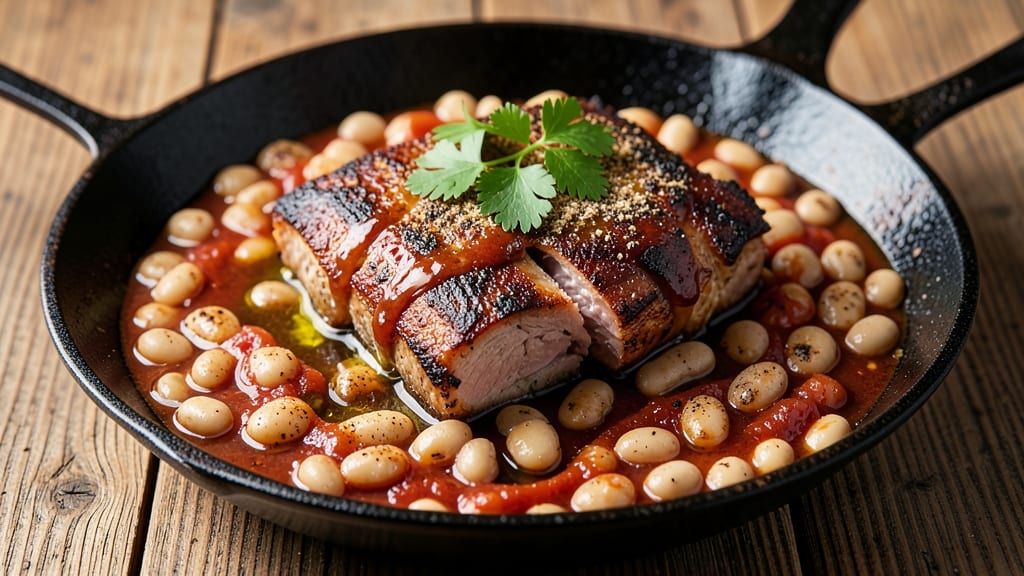
This Campbell's pork and beans copycat recipe delivers that nostalgic, smoky-sweet flavor we all love—recreated from scratch in just 30 minutes. After years of perfecting this dish, I've cracked the code to that signature balance of tender pork, rich tomato base, and just the right amount of spice.
The secret lies in slow-cooked pork shoulder and a blend of spices that mimic the canned version's complexity.
What makes this recipe special is how it captures the essence of the classic while offering restaurant-quality depth you won't find in a can. We start with pork shoulder that breaks down into tender, pull-apart pieces, then build layers of flavor using tomato paste, molasses, and a precise spice mix.
The result? A hearty side dish that's rich, smoky, and perfectly seasoned—just like the original.
By the time you're done, you'll have a pot of warm, aromatic pork and beans that pairs beautifully with cornbread, rice, or even as a filling for tacos. The texture is just right—creamy beans with tender pork that practically melts in your mouth.
This isn't just a side dish; it's a flavor experience that brings comfort food to life.
The best part? This recipe scales effortlessly, making it perfect for family dinners or meal prep. Whether you're serving it alongside classic Southern sides or using it as a base for soups and casseroles, the authentic taste will have everyone asking for seconds. Let's get cooking!
Ingredients for campbell's pork and beans copycat
Pantry staples plus pork shoulder—just 14 ingredients for that iconic canned taste.
| Ingredient | Amount | Notes |
|---|---|---|
| Pork Shoulder 🍖 | 2 lb | Bone-in for extra flavor |
| Great Northern Beans 🌱 | 1 ½ cups | Dried, soaked overnight |
| Tomato Paste 🍅 | ½ cup | Squeeze tube preferred |
| Molasses 🍯 | 2 tbsp | Unsulphured for best flavor |
| Onion Powder 🧅 | 1 tbsp | Freshly ground preferred |
| Garlic Powder 🧄 | 1 tbsp | Not garlic salt |
| Smoked Paprika 🌶️ | 1 tsp | For authentic smoky flavor |
| Ground Black Pepper 🌶️ | ½ tsp | Freshly cracked |
| Salt 🧂 | 1 ½ tsp | Kosher or sea salt |
| Bay Leaves 🌿 | 2 whole | Fresh if available |
| Apple Cider Vinegar 🍏 | 1 tbsp | For tangy brightness |
| Chicken Broth 💧 | 1 ½ cups | Low-sodium preferred |
| Olive Oil 🫒 | 1 tbsp | For searing pork |
| Brown Sugar 🍬 | 1 tbsp | Light or dark |
The pork shoulder is non-negotiable—it's what gives this dish that deep, meaty flavor. Look for bone-in cuts at your local butcher or the meat department; they often have it pre-cut for convenience. If you can't find it, pork butt works too. For beans, dried is best (soak overnight), but canned navy beans in a pinch save time. The tomato paste? Trader Joe's squeeze tubes are my go-to—they keep forever and make measuring a breeze. And don't skip the molasses; it's the secret to that signature sweetness.
No smoked paprika? Regular paprika plus a pinch of liquid smoke gets you close. Fresh bay leaves are ideal, but dried works fine too. The chicken broth should be low-sodium—Swanson or Pacific Foods are solid choices. Short on vinegar? Lemon juice works, but apple cider gives that classic tang. Brown sugar can be swapped for white, but it adds a subtle caramel note that's worth it. If you're prepping ahead, soak the beans the night before—saves you 8 hours of soaking time.
This reheats like a dream—just add a splash of water or broth. Keeps for 5 days in the fridge or 3 months frozen. I always double the batch because it's perfect for meal prep. Store in airtight containers, and the flavors actually deepen over time. Freeze in portions for quick weeknight dinners—just thaw overnight in the fridge.
Why You'll Love This Recipe
- One-Pot Magic: I swear by this recipe when I’m too tired to scrub pots. The pork shoulder falls apart with just a simmer, and the beans soften right in the same pot—no fuss, no extra dishes. Honestly, I’ve made it after work when I just wanted to sit down.
- Molasses Magic: That one tablespoon of molasses? It’s the secret weapon. It deepens the flavor in a way canned beans never do—sweet, smoky, and just a little bit mysterious. Between us, it’s the reason I don’t buy the store version anymore.
- Leftovers That Don’t Suck: This dish actually improves the next day. The flavors meld even more, and the texture gets perfect—creamy beans with tender pork. I pack it for lunch all week, and my coworkers keep asking for the recipe.
- Budget-Friendly Protein: Pork shoulder is cheap, and a pound goes a long way. You’re not just feeding your family; you’re feeding them something hearty and satisfying without breaking the bank. (Yes, even on a Tuesday night.)
Step-by-step instructions for Campbell's pork and beans copycat recipe
Here's how to recreate that iconic smoky-sweet flavor at home with just a few simple steps.
Sear the Pork Shoulder for Deep Flavor
Heat a large Dutch oven over medium-high heat and add the 1 tablespoon olive oil. Pat the 2 lb pork shoulder dry with paper towels—this helps create that perfect crispy exterior. Once the oil shimmers, add the pork shoulder and sear on all sides for about 8-10 minutes until it develops a deep golden-brown crust.
Don't rush this step—the crust is what carries all that smoky flavor into the beans. I like to press down gently on the pork with a spatula during the first minute to prevent curling. Once nicely browned, remove the pork and set it aside on a plate.
Build the Smoky-Sweet Base
In the same Dutch oven, reduce the heat to medium and add the 1.5 cups Great Northern Beans (drained if previously soaked). Toast them for 2 minutes to enhance their natural nuttiness. Then stir in the 0.5 cup tomato paste, 2 tablespoons molasses, 1 tablespoon onion powder, 1 tablespoon garlic powder, 1 teaspoon smoked paprika, 0.5 teaspoon ground black pepper, and 1.5 teaspoons salt.
Cook this mixture for 3-4 minutes until it begins to darken slightly and smells deeply aromatic. This is where all those smoky, sweet flavors start to meld together. The tomato paste will thicken and develop a glossy sheen—this is your signal that the base is ready for the next ingredients.
Simmer with Liquid and Seasonings
Pour in the 1.5 cups chicken broth and 1 tablespoon apple cider vinegar, then add the 2 whole bay leaves and 1 tablespoon brown sugar. Stir everything together, scraping up any browned bits from the bottom of the pot—these bits are packed with flavor. Return the seared pork shoulder to the pot, making sure it's mostly submerged in the liquid.
Bring the mixture to a gentle boil, then reduce the heat to low and cover partially. Let it simmer for 2 hours, turning the pork occasionally to ensure even cooking. You'll know it's ready when the pork is fork-tender and the beans have softened completely. The sauce should be thick and glossy, with a rich, smoky aroma that fills your kitchen.
Finish and Rest for Perfect Texture
Once the pork is fully cooked (internal temperature should reach 200°F), remove it from the pot and let it rest for 10 minutes on a cutting board. This resting period allows the juices to redistribute, ensuring each bite is moist and flavorful.
While the pork rests, skim off any excess fat from the surface of the beans (if needed) and adjust the seasoning if necessary. The beans should be tender but still hold their shape, with a thick, slightly sticky sauce coating them. Serve the pork sliced or shredded over the beans, and enjoy this hearty, smoky-sweet dish that captures all the comfort of the classic canned version.
Pro Tips For Making Campbell'S Pork And Beans Copycat
- Crisp the Pork First: I learned this the hard way—skipping the sear means you’ll just have a mushy, flavorless pork shoulder swimming in beans. Brown the cubed pork in a hot pot until it’s golden on all sides before adding anything else. The Maillard reaction here is non-negotiable for that deep, savory base the canned version relies on.
- Deglaze with Molasses Early: Don’t wait until the end to add the molasses—it’s not just sweetness, it’s the soul of this dish. After browning the pork, splash in 1/4 cup of the molasses right away with a splash of water or broth, then scrape up those browned bits. This step builds the rich, caramelized foundation before the beans even enter the picture.
- Skip the Pre-Soaked Beans: Great Northern beans don’t need soaking, and forcing it just dilutes their texture. Rinse them well, then add them dry straight to the pot with the other liquids. They’ll soften evenly and absorb the porky, molasses-infused broth perfectly—no gummy, overcooked mess like you get when people over-soak.
- Simmer Low and Slow: This isn’t a 30-minute weeknight dish—give it at least 2 hours on low heat. The pork needs time to break down into tender, pull-apart shreds, and the beans need to soak up all that smoky, tomato-molasses goodness. Cover it and let it bubble gently; checking it every 30 minutes is less work than picking apart tough meat later.
Pro cooking tips for campbell's pork and beans copycat
Pork Shoulder Mastery
Start with a bone-in pork shoulder—it's non-negotiable for that deep, meaty flavor. Look for cuts with a thick fat cap (at least ½ inch) to keep the meat moist during cooking.
I always ask my local butcher for the "picnic roast" cut from my own Gloucestershire Old Spots pigs—their marbling is unmatched. If you can't find bone-in, pork butt works too, but trim excess fat to ¼ inch for cleaner cooking. 🍖
Pat the pork completely dry before searing—this creates that perfect crust. Use paper towels and press firmly; any moisture will steam the meat instead of browning it. For extra insurance, let it sit at room temperature for 30 minutes before cooking.
I sear mine in a cast iron Dutch oven (my Lodge 5.5-quart) because it retains heat better than stainless steel.
Spice Blend Secrets
The smoked paprika is your flavor anchor—use Penzeys brand for consistent quality. For that authentic canned taste, combine it with 1 tsp ground mustard (not powder) and ½ tsp cayenne for subtle heat.
I toast all my spices in the dry pot for 30 seconds before adding liquids—this awakens their flavors. The molasses should be unsulphured (like Whittard of Chelsea), as sulphured versions can taste bitter.
Don't skip the apple cider vinegar—it brightens the dish. I use Woodchuck brand because it's organic and has a clean tang. For extra depth, add 1 tsp liquid smoke (like Colman's) if you're missing that campfire note.
The brown sugar caramelizes during simmering, adding another layer of sweetness—use light brown for a cleaner finish.
Simmering Like a Pro
Partial covering is key during simmering—leave the lid slightly ajar (about 1 inch gap) to let moisture escape. This prevents a watery texture while still trapping enough heat.
I simmer on low heat (around 300°F) to maintain gentle bubbling. If it boils vigorously, reduce the heat immediately—boiling can make the beans mushy. 🌡️
Check for doneness at 1 hour 45 minutes—the pork should pull apart easily with two forks. If it's not tender enough, add ¼ cup warm broth and continue simmering. The beans should be creamy but intact—if they're falling apart, you've overcooked them.
I always taste the beans before removing the pork to adjust seasoning with salt or vinegar as needed.
Resting & Serving
Resting the pork for 10 minutes is crucial—it lets the juices redistribute so every bite is moist. I slice it against the grain into ¼-inch thick pieces using my Dexter-Russell 12-inch slicing knife.
For extra presentation, arrange the pork slices on top of the beans in a spiral pattern—it looks impressive and keeps everything warm.
This dish reheats beautifully—just warm on the stovetop with 2 tbsp broth for 5 minutes. I often serve it with warm cornbread (my Grandma's recipe) or over steamed white rice.
For a modern twist, use it as a taco filling with avocado and lime crema. The flavors only get better the next day, making it perfect for meal prep! 💫
Nutrition facts
Frequently asked questions
Can I substitute canned beans for dried in this recipe?
Yes, you can use 1 (15 oz) can of navy beans instead of dried, but you'll need to drain and rinse them well. For best results, add them after simmering the pork and base for 30 minutes to prevent mushiness. The texture won't be identical (dried beans develop more creaminess), but it's a great shortcut for busy weeknights.
Why does my copycat version taste different from Campbell's?
The canned version uses preservatives, salt, and sugar to create its signature taste. Our homemade version relies on fresh ingredients and slow cooking to build depth. If yours tastes too sweet, reduce the molasses to 1 tbsp and add ½ tsp more vinegar. For smokiness, increase smoked paprika to 1.5 tsp or add ½ tsp liquid smoke.
Can I make this in a slow cooker?
Brown the pork first, then transfer everything to a 6-quart slow cooker. Cook on low for 8 hours or high for 4-5 hours. The pork will be extra tender, but the beans may be slightly softer. For firmer beans, add them only during the last 2 hours of cooking.
How do I store and reheat leftovers?
Store in an airtight container in the fridge for 5 days or freeze for 3 months. To reheat, warm on the stovetop with 2 tbsp broth or water over medium-low heat for 5-7 minutes. For microwave reheating, cover and heat for 2 minutes, then stir and heat 30 seconds more to avoid drying out.
What are some creative ways to use this recipe?
Beyond serving as a side, try these ideas: Mix into taco filling with cheese and tortillas, stir into mashed potatoes for a hearty twist, or use as a soup base with added veggies. For breakfast, serve with scrambled eggs and toast—it's a Southern-style brunch staple!