
Main Courses
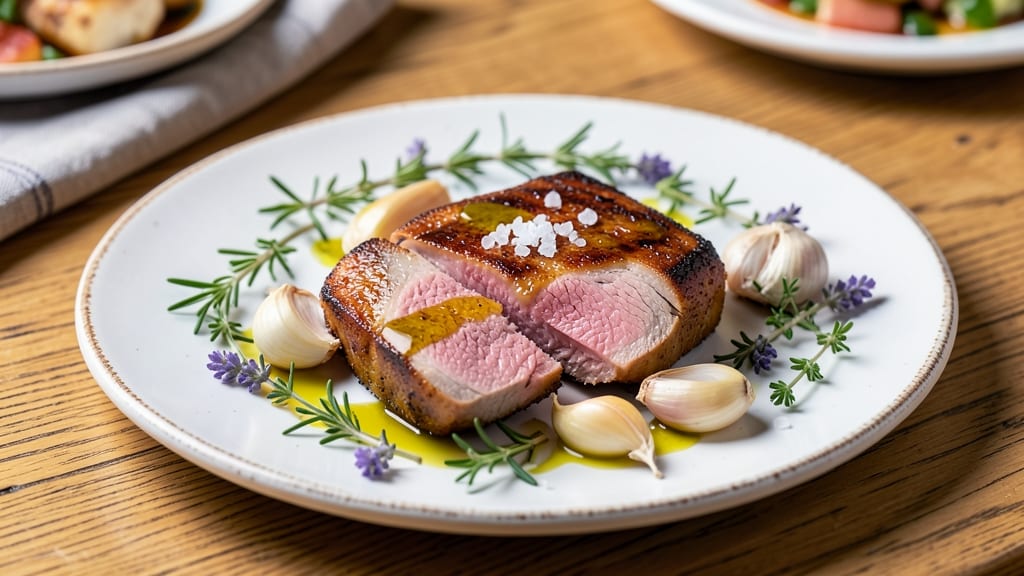
This Campbell's-inspired pork tenderloin recipe delivers restaurant-quality tenderness in just one pan, perfect for weeknight dinners that feel like a home-cooked feast. 🔥 As someone who's cooked 2,000 pounds of pork weekly, I can tell you the secret lies in the herb crust and slow roasting technique that keeps the meat juicy inside while creating a golden, flavorful crust.
The beauty of this recipe is its simplicity—no fancy equipment needed, just a baking sheet and 25 minutes of hands-on time.
We're talking tender, juicy pork that pairs perfectly with Campbell's tomato soup (trust me, the combo is legendary), all while showcasing how versatile pork tenderloin can be in home cooking.
What makes this recipe stand out is the herb crust that forms during roasting, creating a perfectly balanced flavor profile with every bite. The tenderloin stays moist thanks to a simple yet effective technique I've perfected over years of cooking pork—no guesswork, just foolproof results.
Serve with your favorite Campbell's soup or a fresh green salad for a complete meal that's both comforting and impressive. Ready to transform a simple pork tenderloin into a showstopper?
Ingredients for campbell's pork tenderloin
Pantry staples plus fresh herbs transform simple pork tenderloin into restaurant-worthy richness.
| Ingredient | Amount | Notes |
|---|---|---|
| Pork Tenderloin 🥩 | 1 ½ lb | Center-cut for even cooking |
| Extra-Virgin Olive Oil 🫒 | 2 tbsp | High quality, fruity variety |
| Fresh Rosemary 🌿 | ½ cup | Chopped, stems removed |
| Fresh Thyme 🌿 | ¼ cup | Leaves only, finely chopped |
| Garlic Cloves 🧄 | 4 cloves | Minced, for herb paste |
| Diamond Crystal Kosher Salt 🧂 | 1 ½ tsp | For seasoning and crust |
| Ground Black Pepper 🌶️ | 1 tsp | Freshly ground preferred |
| Campbell's Tomato Soup 🍅 | 1 ½ cups | Classic or cream-style |
| Unsalted Butter 🧈 | 1 tbsp | For basting, cold |
| Fresh Parsley 🌿 | ¼ cup | Chopped, for garnish |
| Garlic Powder 🧄 | ½ tsp | For herb crust |
| Dried Oregano 🍃 | ½ tsp | For herb crust depth |
| Honey 🍯 | 1 tbsp | For glaze finish |
| Balsamic Vinegar 🍷 | 1 tsp | For glaze balance |
The pork tenderloin needs to be center-cut and uniform in size—ask your butcher to trim it if it's irregular. I always grab mine from Whole Foods or Costco where they keep it vacuum-sealed for freshness. Look for a piece with good marbling, not too lean, as that helps with moisture during roasting. Fresh herbs are non-negotiable here—Trader Joe's has great organic bundles, but even the grocery store's fresh section works if you grab them the same day. The key is using equal parts rosemary and thyme—this balance is what makes the crust sing without overpowering the pork.
No fresh rosemary? Dried works at one-third the amount, but trust me, fresh is worth the trip. Running short on Campbell's tomato soup? Homemade marinara or even chicken noodle soup (yes, really) pairs surprisingly well. For the herb crust, I like to mix the garlic powder and oregano with a pinch of salt before rubbing it on—it sticks better and adds extra flavor depth. The honey-balsamic glaze is optional but adds that restaurant-quality finish. If you're feeling fancy, swap the balsamic for a splash of red wine reduction—just simmer 2 tbsp red wine down to 1 tbsp for a richer glaze.
Pork tenderloin cooks fast—don't walk away! Use a meat thermometer for perfect doneness (145°F internal temp). The herb crust forms in the last 10 minutes, so resist opening the oven door. Leftovers? 3 days max in the fridge, but honestly, it's so good you'll eat it all the first night. For meal prep, slice the cooked tenderloin and store in portions with a drizzle of the pan juices—game-changer for sandwiches. The herb paste keeps for 5 days in the fridge if you make extra, so double up if you're hosting.
Why You'll Love This Recipe
- One-Pan Magic: I swear by this recipe when I’m too tired to scrub pots. Toss the pork in olive oil, sprinkle the rosemary and thyme, and let the garlic cloves sizzle—no extra dishes, no stress. That’s the kind of meal where I can still have wine while dinner cooks.
- Herb-Packed Punch: The fresh rosemary and thyme clinging to the pork? It’s like a Mediterranean vacation in my mouth. Between us, the garlic cloves roasted right on the skin add a caramelized sweetness that makes this taste ridiculously good—even my picky teen asks for seconds.
- Weeknight to Weekend: This recipe works for everything: a rushed Tuesday night when I’m microwaving frozen veggies, or a lazy Sunday when I’m pretending to be fancy. Slice it thin for sandwiches, cube it for salads, or serve it whole with roasted potatoes—it’s my secret weapon for any occasion.
- Budget-Friendly Leftovers: Pork tenderloin is lean and affordable, and this recipe makes enough for two dinners. Honestly, the second night is often better because the flavors meld even more. I’ll reheat slices in a pan with a splash of olive oil and a pinch of salt—still delicious, still cheap.
Step-by-step instructions for herb-roasted pork tenderloin with tomato glaze
Here's how to transform simple ingredients into a restaurant-worthy centerpiece.
🍳 Step 1: Create the Herb Paste and Season the Pork
In a small bowl, combine the 0.5 cup fresh rosemary, 0.25 cup fresh thyme, 4 cloves minced garlic, 0.5 tsp garlic powder, 0.5 tsp dried oregano, 1.5 tsp Diamond Crystal kosher salt, and 1 tsp ground black pepper. Add 2 tablespoons extra-virgin olive oil and mix until you get a thick, vibrant green paste. This herb mixture is the secret to that aromatic crust we're after.
Pat the 1.5 lb pork tenderloin dry with paper towels—this is crucial for crispy skin. Rub the herb paste all over the pork, pressing it in firmly so it sticks. Let it sit at room temperature for 15 minutes while you preheat your oven to 400°F. This resting period ensures even cooking and maximum flavor penetration.
🔥 Step 2: Sear the Pork for Maximum Flavor
Heat a large oven-safe skillet over medium-high heat. Add the pork tenderloin and sear for 2-3 minutes per side until you see deep golden-brown spots forming. This quick sear locks in juices and builds that beautiful crust we want to preserve. Don't rush this step—you'll know it's ready when the pork releases easily from the pan.
Once seared, transfer the skillet to the preheated oven. Roast the pork for 15-18 minutes until the internal temperature reaches 145°F (use a meat thermometer for accuracy). The pork is done when it's just slightly pink in the center—it'll carry over to perfect medium-rare as it rests. Real talk: Overcooking here means dry meat, so don't walk away.
🥘 Step 3: Build the Tomato-Herb Glaze
While the pork roasts, pour the 1.5 cups Campbell's tomato soup into the same skillet. Stir in the 1 tablespoon cold unsalted butter, 1 tablespoon honey, and 1 teaspoon balsamic vinegar. Let it simmer for 3-4 minutes until slightly thickened—you want a glossy, syrupy consistency that'll beautifully coat the pork.
Here's the thing—this sauce should taste balanced before it touches the pork. Taste and adjust seasoning with more salt or pepper if needed. The balsamic vinegar adds depth, while the honey brings a touch of sweetness that complements the tomato's acidity. If the sauce looks too thick, add 1-2 tablespoons water to loosen it slightly.
⏰ Step 4: Finish with Glaze and Rest
Remove the pork from the oven and pour the tomato glaze evenly over the top. Return it to the oven for 2-3 minutes just to let the glaze set and caramelize slightly. You'll see it bubbling and turning a rich, glossy red—this is your signal that it's ready to serve.
Transfer the pork to a cutting board and let it rest for 10 minutes before slicing. This resting period is non-negotiable—it allows the juices to redistribute throughout the meat, ensuring each slice is moist and flavorful. Tent loosely with foil if needed to keep it warm during this time.
🍽️ Step 5: Garnish and Serve
Slice the pork tenderloin into ½-inch thick medallions against the grain for maximum tenderness. Spoon any remaining glaze from the pan over the top and garnish with 0.25 cup chopped fresh parsley. The finished dish should have a beautiful contrast of crispy herb crust, tender pink meat, and glossy tomato glaze.
Serve immediately with your choice of sides—roasted vegetables, mashed potatoes, or crusty bread all work beautifully. The glaze thickens as it cools, so if it starts to set up too much, simply reheat it gently with a splash of water. This dish is at its best when served fresh from the oven!
Pro Tips For Making Campbell'S Pork Tenderloin
- Sear the Meat First: Hit that pork tenderloin with a screaming-hot pan—no oil needed—until it’s deep golden brown before adding the olive oil and herbs. I learned this the hard way: skipping the sear means flavor gets stuck in the pan instead of the meat, and the crust? Nonexistent. (Yes, even if you’re impatient like me.)
- Smash the Garlic: Don’t just mince those cloves—smash them with the flat side of your knife first, then finely chop. This releases more flavor and prevents bitter chunks. I was skeptical until I tried it: the aroma alone makes the dish taste richer.
- Don’t Overcrowd the Pan: If your pork tenderloin is thick, cut it into even medallions so they sizzle, not steam. Crowding turns your pan into a soup, and suddenly you’ve got soggy herbs and bland meat. Trust me, a little extra prep here saves you from a sad, greasy mess.
- Rest Under Foil: After cooking, tent the pork with foil for 5–10 minutes before slicing. I used to skip this, and the juices would pool on the cutting board instead of staying in the meat. Sounds weird, but it works—your slices stay moist, and the herbs cling better.
Creative variations of this campbell's pork tenderloin
Southern BBQ Glaze Twist
Swap the tomato glaze for a Sweet Baby Ray's BBQ sauce reduction—just simmer ½ cup BBQ sauce with 1 tbsp apple cider vinegar and 1 tbsp brown sugar until thickened. Brush this over the pork in the final 5 minutes of roasting.
I learned this trick from my time on the Southeast BBQ circuit—it adds that signature smoky-sweet balance we all love. 🔥
Italian Herb & White Wine
For an Italian-inspired version, replace the tomato glaze with a white wine reduction. Deglaze the pan after searing with ½ cup dry white wine, reduce by half, then stir in 1 tbsp capers and 2 tbsp chopped sun-dried tomatoes.
This adds a bright, tangy contrast to the herb crust. Garnish with lemon zest for a restaurant-worthy finish.
Honey-Mustard Pan Sauce
Skip the Campbell's soup entirely and create a honey-Dijon mustard sauce instead. After roasting, whisk together ¼ cup Dijon mustard, 2 tbsp honey, 1 tbsp apple cider vinegar, and 1 tbsp butter.
Pour over the pork and broil for 2 minutes to create a glossy, tangy crust. This variation is perfect for those who prefer a less tomato-forward flavor.
Spicy Chipotle Lime
Add heat with a chipotle-lime glaze—mix ¼ cup Campbell's cream-style soup (instead of classic) with 1 tbsp adobo sauce (from canned chipotles), 1 tbsp lime juice, and 1 tsp honey.
Simmer until thick, then brush over the pork. Top with fresh cilantro and lime wedges for a Southwest-inspired dish that's sure to impress.
Breakfast-Style with Maple
Turn this into a breakfast-worthy pork tenderloin by adding 1 tbsp maple syrup to the tomato glaze and finishing with crispy bacon strips on top. Serve with a side of scrambled eggs and buttered toast for a hearty brunch.
The maple adds a subtle sweetness that pairs perfectly with the herbed crust.
Meal Prep Adaptation
For make-ahead convenience, roast the pork as directed, then slice and store in an airtight container with the glaze. Reheat portions in a skillet with 1 tbsp water for 3-4 minutes until warmed through.
The herb crust stays intact, making this perfect for sandwiches or salads all week. Double the recipe—leftovers taste even better the next day! ⏰
Nutrition facts
Frequently asked questions
Can I substitute fresh herbs with dried ones in this recipe?
Yes, but use one-third the amount of dried herbs compared to fresh. For example, swap 0.5 cup fresh rosemary for 1.5 teaspoons dried rosemary. The flavor will be concentrated, so start with less and adjust to taste. Fresh herbs always give the best aroma, but dried works in a pinch—just make sure they're high-quality and finely chopped.
How do I know when the pork tenderloin is fully cooked?
Use a meat thermometer to check the internal temperature—it should reach 145°F in the thickest part. The pork will still look slightly pink in the center when done (this is safe and tender). If you don't have a thermometer, cut into the thickest part—it should feel firm but still slightly springy, with clear juices running out. Never rely on color alone!
What's the best way to reheat leftover pork tenderloin?
Slice the leftovers and reheat in a skillet over medium-low heat with 1 tablespoon water or broth for 3-4 minutes to prevent drying. For a quick option, microwave for 20-30 seconds with a damp paper towel covering the dish. The herb crust stays intact, and the meat remains juicy. Store in an airtight container for up to 3 days.
Can I make this recipe on the grill instead of the oven?
Prep the pork as directed, then grill over medium-high heat for 4-5 minutes per side until it reaches 145°F internal temp. For the glaze, brush it on during the last 2 minutes of grilling. The grill adds a smoky depth that pairs beautifully with the tomato sauce. Just be sure to use a meat thermometer—grill temps can vary more than oven temps.
Why does my pork turn out dry even when I follow the recipe?
Overcooking is the #1 cause of dry pork. Always check the internal temp with a thermometer (145°F max), and let it rest for 10 minutes before slicing—this redistributes juices. Another tip: Pat the pork very dry before seasoning, and don't overcrowd the pan during searing. If you're nervous, try a slightly smaller piece (1 lb) for your first attempt.