
Main Courses
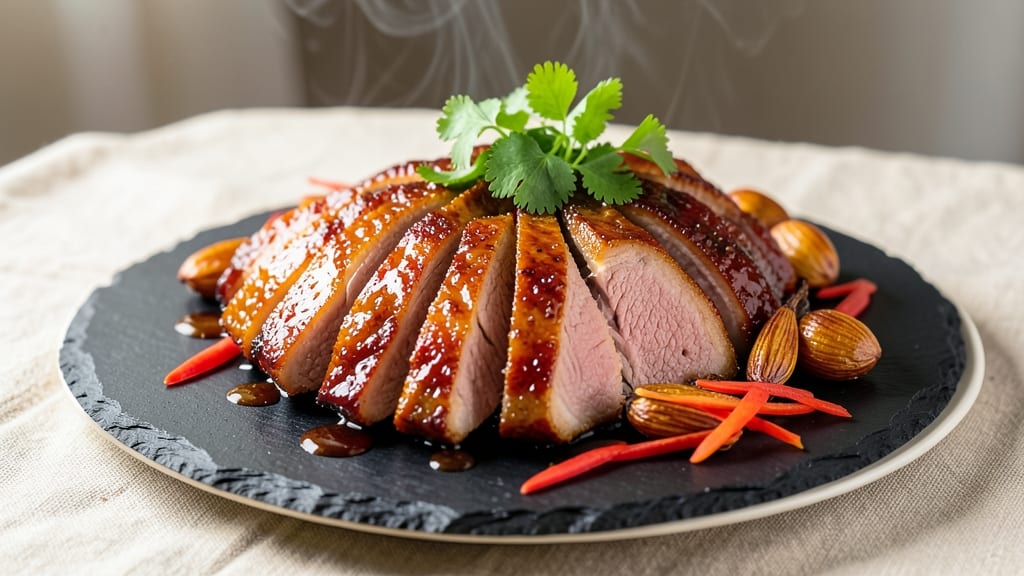
This Cantonese char siu pork recipe delivers the signature sticky, caramelized glaze and tender meat that makes it a centerpiece at any dim sum table. 🔥 The secret lies in the five-spice powder marinade and honey-soy glaze, which create that irresistible balance of sweet, smoky, and savory flavors.
I've perfected this technique through years of cooking for crowds, ensuring every bite is crisp on the edges while staying juicy inside.
The process begins with a marinade that transforms tough pork shoulder into melt-in-your-mouth perfection. Hoisin sauce, honey, and five-spice powder work together to infuse the meat with deep, aromatic flavors.
After a long marinade, the pork is roasted until the glaze caramelizes into a glossy finish, creating that signature char siu shine. This dish is more than just pork—it's a celebration of Cantonese tradition and technique.
What you'll end up with is restaurant-quality char siu that's crispy on the outside and tender on the inside, with a glaze so sticky it practically melts in your mouth. The aroma alone will have everyone gathering around the table.
Serve it sliced thin over steamed rice, wrapped in fresh lettuce for spring rolls, or as part of a dim sum spread. This recipe brings authentic Cantonese flavor to your home kitchen.
Resting the meat properly is key to keeping it juicy, and I'll share my foolproof method for achieving that perfect balance of texture. Whether you're cooking for a family gathering or a special occasion, this char siu pork will be the star of the meal.
Let's get started on creating your own Cantonese masterpiece.
Ingredients for cantonese char siu pork
Six ingredients transform tough pork into Cantonese restaurant-quality char siu that's crispy, sticky, and packed with aroma.
| Ingredient | Amount | Notes |
|---|---|---|
| Pork Shoulder 🐷 | 3 lb | Bone-in for best flavor |
| Hoisin Sauce 🍶 | ½ cup | Thick, authentic variety |
| Honey 🍯 | ½ cup | Pure, runny honey preferred |
| Five-Spice Powder 🌶️ | 2 tbsp | Authentic Cantonese blend |
| Soy Sauce 🥢 | ¼ cup | Dark soy sauce for color |
| Garlic Cloves 🧄 | 8 cloves | Minced for marinade |
| Ginger Root 🌿 | 1 tbsp | Freshly grated |
| Brown Sugar 🍚 | ¼ cup | Light or dark |
| Sesame Oil 🫒 | 1 tbsp | Toasted for aroma |
| Scallions 🧅 | 3 whole | Sliced for garnish |
| Cornstarch 🌾 | 1 tbsp | For crispy coating |
| Sesame Seeds 🌰 | 1 tbsp | Toasted for crunch |
| Salt 🧂 | 1 ½ tsp | Kosher or sea salt |
| Black Pepper 🌶️ | ½ tsp | Freshly ground |
The pork shoulder is non-negotiable—bone-in stays juicier. Grab a 3-pound cut from your butcher or Asian market, and ask for the shoulder end with the bone. Costco or H Mart usually carry it pre-cut, but if you're buying whole, look for good marbling. The five-spice powder is the soul of this dish—Penzeys or Asian grocery stores carry the best blends. If you can't find authentic five-spice, mix 1 tsp each of cinnamon, star anise, cloves, fennel seeds, and Szechuan peppercorns (toast them first). The hoisin sauce should be thick and glossy—Lee Kum Kee is the gold standard, but any authentic brand works.
No hoisin sauce? Substitute 3 tbsp soy sauce + 1 tbsp molasses + 1 tbsp brown sugar for a decent stand-in. Running low on honey? Maple syrup works 1:1, but it has a different depth. The dark soy sauce is key for that signature red glaze—regular soy sauce won't cut it. For the garlic and ginger, fresh is non-negotiable. If you must use powdered, double the amount. The sesame oil adds that nutty aroma, but if you're avoiding it, toasted peanut oil works too. For the cornstarch coating, arrowroot powder is a 1:1 substitute if you're gluten-free.
Marinate the pork overnight for best results, but at least 4 hours if you're short on time. The glaze caramelizes best when roasted at 375°F—don't rush it. Once sliced, the char siu keeps 4-5 days in the fridge, but it reheats beautifully. For leftovers, freeze in portions for quick stir-fries or rice bowls. The aroma alone will have your whole house gathering—trust me, this is the kind of dish that disappears fast.
Why You'll Love This Recipe
- One-Pan Magic: I swear by this—just rub the pork shoulder with five-spice, slather it in hoisin and honey, and let the oven do the work. No chopping, no flipping, no stress. That sticky glaze? It caramelizes right on the pan.
- Sweet-Savory Balance: The hoisin and honey team up for a glaze that’s dangerously addictive—sweet but never cloying, with a deep umami kick from the soy. The five-spice powder? That’s the secret: warm, aromatic, and just a little addictive.
- Leftover Goldmine: This pork stays tender for days, so I make a big batch and use it in everything—rice bowls, sandwiches, even stir-fries. Honestly, the second day is when it shines, because the flavors meld even deeper.
- Budget Crowd-Pleaser: Pork shoulder is cheap, and this recipe stretches it far. Feed four for dinner, save half for lunch, and still have leftovers for breakfast. Plus, the ingredients? Most are pantry staples—no fancy shopping required.
Step-by-step instructions for Cantonese char siu pork
Here's how to make restaurant-quality Cantonese Char Siu with that signature crispy bark and sweet-savory glaze.
👨🍳 Step 1: Make the Marinade and Prep the Pork
In a large bowl, whisk together the 0.5 cup honey, 0.5 cup hoisin sauce, 0.25 cup soy sauce, 0.25 cup brown sugar, 2 tbsp five-spice powder, 1 tbsp sesame oil, 1.5 tsp salt, and 0.5 tsp black pepper. I like to give it a taste at this stage—it should be sweet, salty, and aromatic with those warm spice notes.
While the marinade rests, trim excess fat from the 3 lb pork shoulder, leaving a thin layer for flavor. Cut the pork into 2-inch thick slices (about 6 pieces total) and place them in a resealable bag. Pour the marinade over the pork, seal the bag, and massage it gently to coat all surfaces. Refrigerate for at least 4 hours (overnight is even better)—this lets the flavors penetrate deeply.
🍳 Step 2: Coat and Rest for Maximum Crisp
Remove the pork from the fridge and let it sit at room temperature for 30 minutes. In a shallow dish, mix the 1 tbsp cornstarch with a splash of water to make a paste. Coat each pork slice with this cornstarch mixture, pressing gently so it adheres evenly. This creates that signature crispy bark we're after.
Let the coated pork rest uncovered on a wire rack for 15 minutes—this helps the cornstarch dry slightly and creates better browning. While it rests, preheat your oven to 400°F and place a wire rack on top of a baking sheet. No need for oil here—the cornstarch will handle the crisping.
🔥 Step 3: Roast Until Caramelized and Tender
Place the coated pork slices on the wire rack and roast for 25 minutes, flipping halfway through. You'll see the cornstarch coating transform into a beautiful caramelized crust. The internal temperature should reach 145°F—use an instant-read thermometer to check the thickest part of each slice.
Here's the thing—don't overcrowd the rack. If you're cooking multiple batches, space them out so air circulates freely. The pork should be golden brown with a glossy sheen from the caramelized glaze. If it's browning too quickly, reduce the oven temperature to 375°F for the remaining time.
🥘 Step 4: Glaze and Garnish for Restaurant Quality
Increase the oven temperature to 425°F. Brush each pork slice with any leftover marinade from the bag, then return to the oven for 5-7 minutes to set the glaze. Watch closely—you want that glaze to bubble and become sticky but not burn.
While the pork finishes, slice the 3 whole scallions and toast the 1 tbsp sesame seeds in a dry pan over medium heat for 1-2 minutes until fragrant. Once the pork is glossy and caramelized, transfer it to a cutting board and sprinkle with the toasted sesame seeds and scallions. Let it rest for 5 minutes before serving—this keeps it juicy.
🍽️ Step 5: Serve with Confidence
Slice the char siu against the grain for maximum tenderness. The exterior should be crispy with a sticky glaze, while the interior remains juicy and flavorful. Serve with steamed rice and quick-pickled vegetables to balance the richness. The aroma alone will have everyone at your table asking for seconds.
Pro tip: If you have leftovers, store them in the fridge for up to 3 days. Reheat in a skillet over medium heat with a splash of water to restore that crispy texture. This dish tastes even better the next day as the flavors meld further!
Pro Tips For Making Cantonese Char Siu Pork
- USE A THIN CUT: The pork shoulder’s fat cap is your enemy here—trim it down to 1/8-inch thickness before marinating. I learned this the hard way after my first batch rendered into greasy sludge instead of crispy char siu. A sharp knife and steady hand make all the difference.
- MARINATE OVERNIGHT (OR NOT): If you’re short on time, 4 hours in the fridge still works, but overnight (12-24 hours) lets the five-spice and hoisin really sink in. My grandmother swore by this, and she was right: the pork stays juicier and the crust sticks better. Just don’t skip the five-spice—it’s the soul of the dish.
- ROAST LOW AND SLOW: After searing, crank the oven to 250°F (120°C) for the final 15 minutes. Sounds counterintuitive, but this guarantees a deep, sticky glaze without burning the edges. I used to blast it at 400°F and ended up with charred hoisin—now I treat it like a lazy Sunday roast.
- BRUSH TWICE, NOT ONCE: The first brush of hoisin-honey mix goes on before roasting, but the second—right after searing—is what locks in that glossy finish. I was skeptical until I tried it: the difference between "meh" and "wow" is just two extra minutes with a pastry brush. (Yes, even if you’re impatient like me.)
Storing and reheating your leftovers
Refrigerator Storage
Store your char siu pork in an airtight container with parchment paper between slices to prevent sticking. It keeps beautifully in the fridge for 4-5 days—the flavors actually deepen as the spices meld further.
I like to portion it into single-serving containers for easy grab-and-go meals. The glaze stays sticky but won't dry out if sealed properly. 💫
Freezer Preservation
For longer storage, wrap each slice tightly in plastic wrap before placing in a freezer bag with all air removed. Label with the date—it stays good for up to 3 months.
When ready to use, thaw overnight in the fridge. The texture remains crispy when reheated properly, though it won't be quite as crunchy as fresh.
Reheating Methods
My favorite way to reheat char siu is in a skillet over medium heat with 1 tablespoon water per slice. Cover for 3-4 minutes to restore crispiness.
For faster results, microwave on high for 1 minute, then finish in the skillet. Avoid reheating directly from frozen—always thaw first for best texture.
Crisp Restoration
If your reheated char siu loses its crispy bark, give it a quick 30-second broil under the oven's broiler. Brush with a little honey-soy mixture (equal parts honey and soy sauce) before broiling to revive that glossy finish.
This works especially well for leftovers that have been stored for 2-3 days.
Glaze Refresh
When reheating, the glaze can become dry. To restore that signature sticky quality, drizzle 1 teaspoon honey over each slice and let it caramelize for 1-2 minutes in the skillet. The heat will reactivate the glaze's natural stickiness. This trick makes reheated char siu taste almost as good as fresh!
Serving Leftovers
Use reheated char siu in creative ways—slice thin for banh mi sandwiches, chop for fried rice, or serve over congee. The flavors work beautifully in these dishes, making leftovers feel like a whole new meal.
I often keep a small portion of char siu in the freezer just for stir-fry nights. 🌟
Nutrition facts
Frequently asked questions
Can I use pork tenderloin instead of pork shoulder for char siu?
Pork tenderloin is leaner and more expensive, but it works if you're short on time. However, it lacks the fat and connective tissue that makes traditional char siu so tender. For best results, marinate for 6-8 hours and reduce oven temperature to 350°F to prevent drying. The texture will be more delicate but still delicious.
How do I make the glaze extra sticky like restaurant char siu?
The secret is in the final glaze step! After roasting, brush the pork with a mixture of 2 tbsp honey + 1 tbsp hoisin sauce and broil for 1-2 minutes until bubbly. For extra shine, add 1 tsp corn syrup to the glaze mixture before brushing. This creates that signature glossy, caramelized finish.
What's the best way to slice char siu for serving?
Slice against the grain for maximum tenderness—this means cutting perpendicular to the muscle fibers. Use a sharp knife and make clean, ¼-inch thick slices. For presentation, fan the slices slightly on a platter and garnish with toasted sesame seeds and scallions. The slices should hold their shape but still be easy to eat.
Can I grill char siu instead of roasting?
Grilling gives a smoky depth that pairs beautifully with the sweet glaze. Preheat your grill to medium-high (400°F) and cook for 8-10 minutes per side, basting frequently with leftover marinade. For extra crispiness, finish under the broiler for 2 minutes after grilling. The cornstarch coating will still crisp up nicely.
Why does my char siu turn out dry?
Overcooking or skipping the resting time are the most common causes. Always use a meat thermometer to check for 145°F internal temperature. Let the pork rest for 5 minutes after roasting to redistribute juices. If using lean cuts like tenderloin, reduce cooking time by 25% and baste frequently with marinade.