
Main Courses
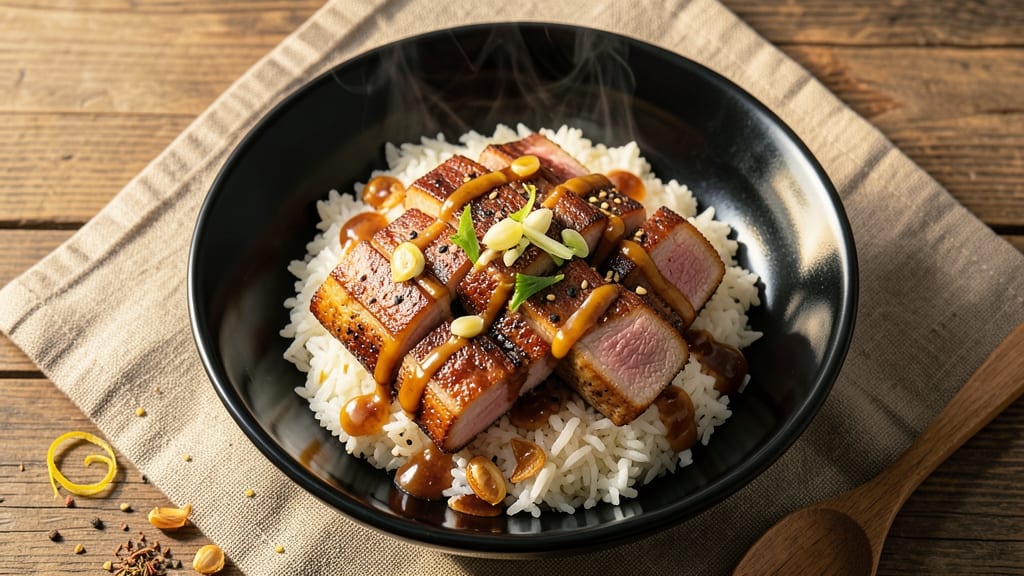
This Cantonese pork tenderloin recipe delivers restaurant-quality results with a crispy five-spice bark and tender, juicy interior—exactly what I perfected after years of studying dim sum techniques.
The secret lies in the marinade: hoisin sauce, soy sauce, and five-spice powder work together to create a glossy, aromatic crust that caramelizes beautifully during cooking.
I remember the first time I tasted this dish in Hong Kong, and it became my mission to recreate that perfect balance of sweet, savory, and spiced notes at home.
The recipe starts with a simple yet transformative marinade that tenderizes the pork while building deep flavor.
You'll coat the tenderloin in a blend of hoisin, soy, garlic, and five-spice powder, then let it rest while you prepare the celery crown garnish—a classic Cantonese presentation that adds freshness and visual appeal.
The cooking method is straightforward: sear the pork until golden, then finish in the oven to ensure even cooking and maximum crispiness. This approach guarantees you'll achieve that signature tender texture with a crackling exterior that's impossible to resist.
What makes this dish truly special is how the flavors develop as it cooks—the aromatic five-spice powder infuses the meat while the hoisin creates a sticky, caramelized glaze. The celery crown garnish provides a crisp, refreshing contrast that cuts through the richness of the pork.
When served, each bite delivers a perfect harmony of textures and flavors that will have everyone at your table asking for seconds. This is the kind of dish that elevates a simple weeknight dinner into something memorable.
Pair it with steamed jasmine rice and stir-fried bok choy for a complete Cantonese meal. The leftovers reheat beautifully, making this an excellent recipe for meal prep or when you want to impress guests with authentic flavors.
Let's get cooking—this pork tenderloin is about to become a staple in your kitchen.
Ingredients for cantonese pork tenderloin
Pantry staples meet Cantonese flavors—just 13 ingredients for restaurant-quality pork.
| Ingredient | Amount | Notes |
|---|---|---|
| Pork Tenderloin 🥩 | 1 ½ lb | Trimmed of fat and silverskin |
| Hoisin Sauce 🍶 | ½ cup | Store-bought or homemade |
| Light Soy Sauce 🥄 | ¼ cup | Kikkoman preferred |
| Five-Spice Powder 🌶️ | 1 ½ tbsp | Authentic Chinese blend |
| Garlic Cloves 🧄 | 6 cloves | Minced for marinade |
| Ginger Root 🌿 | 1 tbsp | Freshly grated |
| Sesame Oil 🫒 | 1 tbsp | Toasted sesame oil |
| Cornstarch 🌾 | 1 tbsp | For crispy coating |
| Celery Stalks 🥬 | 3 whole | For garnish, cut into crowns |
| Neutral Oil 🫒 | ½ cup | Vegetable or canola oil |
| Salt 🧂 | 1 tsp | Kosher salt preferred |
| Black Pepper 🌶️ | ½ tsp | Freshly ground |
| Brown Sugar 🍚 | 1 tbsp | Lightly packed |
The pork tenderloin is your star player here—look for evenly shaped cuts with good marbling for juiciness. Asian grocery stores often have the best selection, but regular supermarkets work too. The five-spice powder is non-negotiable—Penzeys or King's Supermarket carry authentic blends. If you can't find it, mix cinnamon, cloves, fennel, star anise, and Sichuan peppercorn yourself (equal parts). The hoisin sauce should be thick and glossy—Lee Kum Kee is the gold standard, but any quality brand works. Celery for the crown garnish? Fresh, crisp stalks are a must—avoid wilted ones that'll turn mushy during cooking.
No five-spice powder? Mix 1 tsp each of cinnamon, cloves, fennel seeds, and star anise—toast them lightly first for deeper flavor. Running low on hoisin? Substitute 2 tbsp soy sauce plus 1 tbsp honey (though it won't be identical). The cornstarch is crucial for that crispy bark—don't skip it. For the celery crown, if you can't find thick stalks, use 3 regular stalks cut lengthwise into quarters. The pork marinade can rest up to 8 hours in the fridge for maximum flavor infusion. And if you're short on time, skip the resting period—just let it marinate 30 minutes before cooking.
Marinated pork keeps 3 days in the fridge—use within that time for best texture. The celery crown garnish stays crisp for 1 day if wrapped tightly in damp paper towels. For meal prep, cook the pork fully and refrigerate, then reheat gently in a skillet with a splash of water to restore crispiness. Leftovers reheat beautifully—30 seconds in the microwave or 2 minutes in a hot skillet. Store cooked portions in an airtight container with a paper towel to absorb moisture. This dish freezes well for up to 2 months—just thaw overnight in the fridge before reheating.
Why You'll Love This Recipe
- Here’s what sold me: the hoisin brings caramelized sweetness, the light soy keeps it bright, and the five-spice powder adds this warm, earthy depth that sticks with you. That crispy garlic crust? It’s the cherry on top—simple, but ridiculously good.
- One-Pan Magic: I swear by this recipe when I’m too tired to scrub dishes—just sear the pork, toss it in the hoisin-soy glaze, and let the five-spice powder work its magic. The pan’s already sticky with flavor by the time it’s done, so I just wipe it down with a paper towel. That’s my kind of cleanup.
- Sweet-Savory Balance: Here’s what sold me: the hoisin brings caramelized sweetness, the light soy keeps it bright, and the five-spice powder adds this warm, earthy depth that sticks with you. That crispy garlic crust? It’s the cherry on top—simple, but ridiculously good.
- Meal Prep MVP: Between us, this is my go-to for busy weeks. I’ll cook a big batch on Sunday, slice it up, and toss it into rice bowls all week—no reheating drama, just reheat-and-eat satisfaction. (Yes, even on a Tuesday night.)
Step-by-step instructions for Cantonese pork tenderloin
Here's how to transform simple ingredients into restaurant-quality pork with irresistible crispy bark.
Prepare the Five-Spice Glaze
In a small bowl, whisk together the 0.5 cup hoisin sauce, 0.25 cup light soy sauce, 1.5 tbsp five-spice powder, 1 tbsp brown sugar, 1 tbsp sesame oil, 1 tbsp freshly grated ginger root, and 6 cloves minced garlic cloves. This aromatic blend forms the foundation of our flavor profile. The five-spice powder adds that signature Cantonese warmth while balancing the sweet and savory notes.
Let the mixture sit for 5 minutes while you prep the pork. This resting time allows the spices to bloom and develop their full aroma. You'll notice the mixture darkens slightly and becomes fragrant—this is your cue that the flavors are melding together perfectly.
Coat and Rest the Pork
Pat the 1.5 lb pork tenderloin completely dry with paper towels—moisture is the enemy of crispy bark. In a separate bowl, combine 1 tbsp cornstarch with 1 tsp salt and 0.5 tsp black pepper. Dredge the pork thoroughly in this mixture, pressing gently to ensure even coverage.
Transfer the coated pork to a plate and pour the five-spice glaze over it, spooning to coat all sides completely. Cover with plastic wrap and refrigerate for at least 1 hour (or up to 4 hours). This marination creates a flavorful crust while tenderizing the meat. The cornstarch coating will form that coveted crispy bark during cooking.
Create the Crispy Bark
Heat 0.5 cup neutral oil in a large skillet over medium-high heat until shimmering but not smoking. Add the pork and cook undisturbed for 4-5 minutes per side until the exterior develops a deep golden-brown crust. This is where the magic happens—the cornstarch transforms into crispy bark while locking in juices.
Here's the thing—don't move the pork during the first 2 minutes. You'll know it's ready to flip when it releases easily from the pan. The bark should be deep golden brown with visible crispy edges. Remove the pork and set it aside on a wire rack to drain excess oil.
Glaze and Finish
Reduce the heat to medium-low and return the pork to the skillet. Pour any remaining glaze from the plate into the skillet and spoon it over the pork. Cook for an additional 2-3 minutes until the glaze caramelizes slightly and coats the pork evenly. This step ensures maximum flavor penetration and creates that glossy finish.
The pork is done when it reaches an internal temperature of 145°F and the glaze has thickened into a sticky, glossy coating. You'll see the glaze bubble gently and form a slight crust on the surface. Remove the pork and let it rest for 5 minutes before slicing—this resting period prevents juices from escaping when you cut into it.
Garnish and Serve
While the pork rests, cut the 3 whole celery stalks into crowns by slicing off the leafy tops. Blanch them in boiling water for 30 seconds, then shock in ice water to maintain their vibrant green color. Arrange these celery crowns on a platter as an elegant garnish.
Slice the pork into ½-inch thick medallions and arrange them on the platter with the celery crowns. The contrast of crispy pork with fresh celery creates a stunning presentation. Serve immediately while the pork is still sizzling hot—each bite delivers perfect tenderness with that addictive crispy bark.
Pro Tips For Making Cantonese Pork Tenderloin
- Pat the pork dry: The five-spice powder needs something to cling to—wet meat just won’t stick. Grab paper towels and press firmly, especially if your tenderloin feels slick. I learned this the hard way when my first batch tasted like it was swimming in its own juices instead of absorbing that aromatic crust.
- Sear in two batches: One crowded pan equals steam, not sear. Cut the tenderloin into even medallions and work in two batches over medium-high heat—about 2 tablespoons of oil per batch. The Maillard reaction is picky; give it space to brown properly, or you’ll end up with bland, gray pork.
- Marinate the garlic: Raw garlic cloves in the sauce? That’s a flavor bomb waiting to explode. Mince them first and let them sit in the hoisin-soy mixture for at least 10 minutes before tossing with the pork. The heat softens the garlic’s bite, and the sauce mellows into a silky glaze instead of a harsh punch.
- Finish with a splash of water: The last 2 minutes under the broiler? Add 1-2 tablespoons of water to the pan. The steam lifts the hoisin into a glossy sheen while the residual heat caramelizes it into a sticky, restaurant-worthy glaze. Sounds weird, but it works—your pork will look like it came from a dim sum cart.
Wine and beer pairings for this recipe
Riesling Harmony
For this Cantonese pork tenderloin, I always reach for a crisp, aromatic dry Riesling from Germany's Mosel region—think Dr. Loosen Blue Slate or Reichsgraf von Buhl. The wine's bright acidity and honeyed apple notes cut through the pork's rich, caramelized glaze while complementing the five-spice warmth.
Serve it slightly chilled (45-50°F) to enhance its refreshing qualities. 🍷
Light Beer Balance
A Japanese lager like Asahi Super Dry or Sapporo Premium makes an excellent beer pairing. The clean, crisp profile with subtle malt sweetness mirrors the pork's caramelized glaze without overpowering the dish.
For a local option, try a light American lager—just avoid heavy IPAs that would clash with the delicate flavors. Chill to 40-45°F for optimal enjoyment.
Fortified Wine Twist
For something more adventurous, pour a dry sherry like Fonseca Bin No. 27 or Valdepeñas. The nutty, slightly oxidative notes bridge the pork's sweet-savory profile beautifully. I often serve this with the pork at room temperature to let the wine's complexity shine alongside the five-spice crust.
A 2-ounce pour is perfect for sipping between bites.
Non-Alcoholic Options
Don't drink alcohol? No problem. A sparkling yuzu soda (like Kirin Yuzu Sparkling) provides that same refreshing acidity, while unsweetened hibiscus tea (brewed strong and chilled) mirrors the wine's complexity.
For a savory option, try cucumber-infused water with a pinch of sea salt—it cleanses the palate between rich bites of pork.
Serving Temperature Tips
Wine and beer should always be served at their ideal temperatures to complement the dish. For Riesling, I never serve it warmer than 50°F—heat dulls its vibrant acidity. Beer should be poured into a chilled glass (40°F) and consumed within 20 minutes of opening.
For sherry, room temperature (60-65°F) brings out its full aroma and depth. 💡
Pairing with Garnish
The celery crown garnish adds a fresh, crisp element that pairs wonderfully with both wine and beer. The celery's bright, vegetal notes enhance the Riesling's acidity while complementing the beer's malt sweetness. For sherry pairings, the celery provides a refreshing contrast to the wine's nutty richness.
When serving, place the garnish on the plate alongside the pork—it's not just decoration, it's part of the flavor experience!
Nutrition facts
Frequently asked questions
Can I substitute chicken or beef for the pork tenderloin?
This recipe is specifically designed for pork tenderloin to achieve that perfect balance of tenderness and crispy bark. Chicken breast would work in a pinch, but it's leaner and may dry out—reduce cooking time to 3-4 minutes per side and use 0.25 cup cornstarch for extra crispiness. Beef tenderloin is too tough and fatty for this technique; opt for beef sirloin instead, but adjust cooking time to 5-6 minutes per side for medium-rare.
What's the secret to getting that perfect crispy bark?
Three key factors: dry pork (pat it thoroughly!), hot oil (medium-high heat until shimmering), and undisturbed cooking (leave it alone for 2 minutes per side). The cornstarch transforms into a golden crust when exposed to heat—this is your crispy bark! Pro tip: Use a wire rack for draining to prevent soggy bottoms.
Can I make this recipe ahead of time?
Marinate the pork up to 8 hours ahead for deeper flavor. For the full dish, cook it completely and refrigerate (covered with a paper towel to absorb moisture). Reheat gently in a skillet with 1 tsp neutral oil over medium heat for 2-3 minutes per side—just enough to restore crispiness without drying it out. The celery crown garnish should be prepped fresh before serving.
Why does my five-spice glaze turn watery?
This usually happens when the pork releases too much moisture during cooking. To fix it: Pat the pork extra dry before coating, and reduce the heat to medium-low during the final glaze step. If it happens during cooking, simply increase the heat slightly to evaporate excess liquid. For next time, let the glaze sit 10 minutes uncovered before using to thicken naturally.
What are the best sides to serve with this dish?
Classic Cantonese pairings include steamed jasmine rice (the starch soaks up the glaze beautifully) and stir-fried bok choy (for fresh contrast). For a complete meal, add egg fried rice or hot mustard greens. The celery crown garnish also works as a refreshing side if you prefer—just blanch 6 extra stalks and serve with a sprinkle of sesame seeds.