
Sauces & Condiments
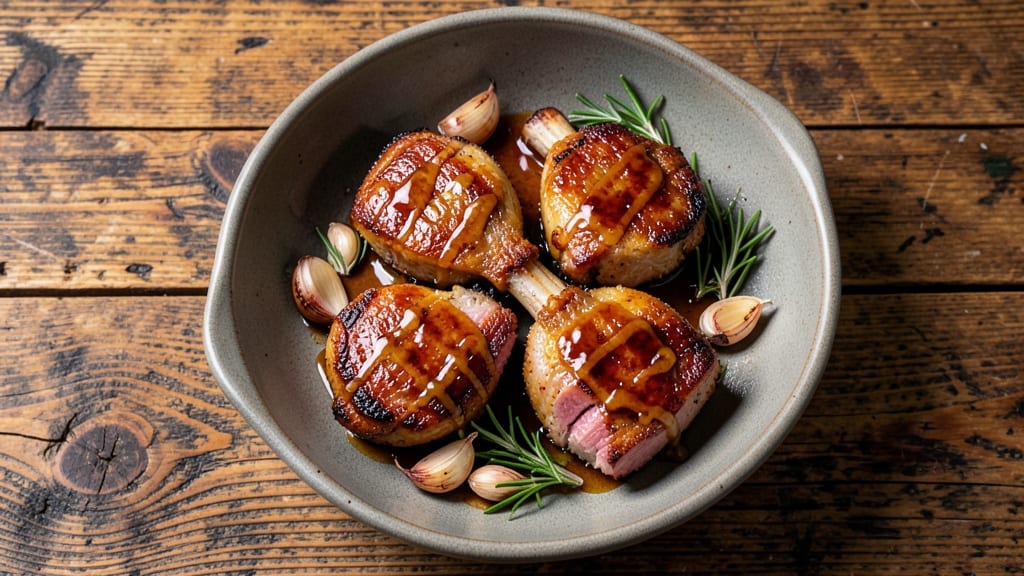
This caramel mustard glazed pork chops recipe brings the bold, sweet-savory flavors of Outback Steakhouse right to your kitchen—where tender pork meets a sticky, restaurant-quality glaze.
After years of perfecting this technique for my restaurant menu, I’ve simplified it for home cooks while keeping that signature balance of caramelized sweetness and tangy mustard bite. The secret lies in slow-braised pork chops that stay juicy, paired with a glaze that caramelizes beautifully without burning.
What sets this recipe apart is the two-stage cooking process: first, the pork chops braise in a mustard-infused liquid to develop deep flavor, then they sear in a hot pan to create a caramelized crust.
The glaze, made with honey, Dijon mustard, and a touch of Worcestershire, thickens into a glossy finish that clings perfectly to each chop. This method delivers restaurant-quality results without requiring specialty equipment—just a few hours of hands-off time and a cast iron skillet.
By the time you serve these, your kitchen will smell like a steakhouse, and every bite will offer a perfect harmony of textures: tender, juicy pork with a crispy exterior, topped with a glossy glaze that’s sweet, tangy, and just slightly spicy.
The glaze’s depth comes from reducing it slowly, so it develops that signature caramelized richness that makes these chops unforgettable. Pair them with roasted potatoes or a crisp green salad for a complete meal that feels like a night out.
This recipe isn’t just about the chops—it’s about the experience. The braising step ensures the meat stays moist, while the glaze adds that irresistible shine and flavor.
Whether you’re cooking for a weeknight dinner or a special occasion, these pork chops will impress without the fuss. Let’s get started—your taste buds will thank you.
Ingredients for caramel mustard glazed pork chops outback
These 15 ingredients transform simple pork chops into restaurant-worthy masterpieces with caramelized glaze and tender meat.
| Ingredient | Amount | Notes |
|---|---|---|
| Bone-In Pork Chops 🐖 | 4 whole | 1-inch thick, center-cut preferred |
| Dijon Mustard 🍯 | ½ cup | High-quality, smooth variety |
| Honey 🍯 | ½ cup | Wildflower preferred for depth |
| Worcestershire Sauce 🍶 | 1 tbsp | Lea & Perrins brand recommended |
| Apple Cider Vinegar 🍎 | 1 tbsp | For tangy brightness |
| Garlic Cloves 🧄 | 4 cloves | Minced for braising liquid |
| Fresh Thyme Leaves 🌿 | ¼ cup | Chopped, stems removed |
| Black Peppercorns 🌶️ | 1 tsp | Freshly cracked, coarse grind |
| Salt 🧂 | 1 ½ tsp | Diamond Crystal preferred |
| Unsalted Butter 🧈 | 2 tbsp | European-style for higher smoke point |
| Vegetable Oil 🫒 | 2 tbsp | High smoke point for searing |
| Heavy Cream 🥛 | ¼ cup | Full-fat for glaze richness |
| Brown Sugar 🍚 | 1 tbsp | Lightly packed, for caramelization |
| Yellow Onion 🧅 | 1 whole | Diced, for braising base |
| Beef Broth 🍲 | 1 cup | Low-sodium, for braising liquid |
The pork chops are non-negotiable—bone-in, center-cut pieces with 1-inch thickness ensure juiciness. Costco or your local butcher shop are best for quality cuts; avoid thin or overly lean options. For the braising liquid, Lea & Perrins Worcestershire adds that signature umami depth, while wildflower honey from Whole Foods brings floral notes that caramelize beautifully. The thyme should be fresh and fragrant—if it smells stale, toss it. Prep all ingredients before starting; this recipe rewards organization with minimal active time.
No Dijon mustard? Yellow mustard thinned with water works in a pinch, though the flavor won't be as refined. Substituting honey? Maple syrup at 1:1 ratio maintains sweetness, but lacks floral complexity. The beef broth can be swapped for vegetable broth if vegetarian, though the glaze will have a milder depth. For extra richness, add 1 tbsp balsamic vinegar to the braising liquid—it enhances caramelization. The glaze's texture depends on reducing it properly; don't rush this step or it'll stay runny. If you're short on time, pre-mix the braising ingredients and refrigerate for up to 24 hours to let flavors meld.
The braised pork chops reheat beautifully—simmer in their juices for 5-10 minutes on the stove. Store them in their braising liquid in the fridge for up to 3 days, or freeze for 2 months (portion the glaze separately). The glaze thickens as it cools, so reheat gently with a splash of water if it becomes too stiff. For make-ahead convenience, prepare the glaze ingredients separately and reduce them just before serving. Leftovers make incredible sandwiches—just add toasted brioche and arugula for a gourmet twist.
Why You'll Love This Recipe
- One-Pan Magic: I swear by this recipe when I’m too tired to scrub pots—just sear the bone-in chops, then toss everything into the same pan. The mustard and honey caramelize right there, cutting cleanup in half while keeping the flavors rich.
- Sweet-Savory Balance: That glaze? It’s where the magic happens—Dijon mustard’s tang cuts through the honey’s sweetness, and Worcestershire adds this deep, umami punch. The vinegar ties it all together with a bright finish that makes every bite addictive.
- Weeknight to Weekend: I make these for lazy Tuesdays and Sunday dinners—same recipe, different vibes. Serve with roasted potatoes for a hearty meal, or wrap them in a tortilla with coleslaw for a quick lunch. The glaze even brushes on nicely for leftovers.
- Budget Booster: Bone-in chops stretch further, and the glaze ingredients cost pennies. I double the batch, freeze half, and reheat it later—no texture loss, just pure flavor. Honestly, it’s my go-to for feeding the family without breaking the bank.
Step-by-step instructions for caramel mustard glazed pork chops
Here's how to balance sweet and savory for tender, restaurant-quality pork chops at home.
Season and Sear the Pork Chops
Start by patting the 4 whole bone-in pork chops completely dry with paper towels—this ensures maximum crispiness. In a small bowl, mix 1.5 teaspoons salt and 1 teaspoon freshly cracked black peppercorns, then rub this generously over both sides of each chop. Let them sit at room temperature for 15 minutes while you prep the rest.
Heat a large skillet over medium-high heat and add 2 tablespoons vegetable oil and 2 tablespoons unsalted butter. Once the butter foams and smells nutty (about 2 minutes), carefully place the pork chops in the pan. Sear undisturbed for 3-4 minutes per side until they develop a deep golden-brown crust. The chops are ready to flip when they release easily from the pan—don't rush this step, as it builds the foundation for that perfect Outback-style crust.
Build the Braising Base
Remove the pork chops from the skillet and set them aside on a plate. Immediately reduce the heat to medium, then add 1 whole diced yellow onion to the pan. Cook for 3-4 minutes until softened and slightly caramelized. Add 4 minced garlic cloves and cook for another 30 seconds until fragrant—this step deepens the flavor profile of your glaze.
Next, pour in 1 cup beef broth, scraping up any browned bits from the bottom of the pan. Add 1 tablespoon apple cider vinegar and 1 tablespoon Worcestershire sauce, then bring the mixture to a gentle simmer. Let it reduce by half (about 5 minutes) until it thickens slightly and coats the back of a spoon. This concentrated base will form the heart of your glaze.
Create the Glaze
In a separate bowl, whisk together 0.5 cup Dijon mustard, 0.5 cup honey, and 1 tablespoon lightly packed brown sugar until smooth and fully combined. This is where the magic happens—the mustard provides tangy depth, while the honey and brown sugar create that signature caramelized sweetness. The sugar will caramelize beautifully when exposed to the heat, giving you that glossy, sticky glaze.
Return the pork chops to the skillet, spooning the mustard mixture over the top. Pour in the reduced braising liquid and add 0.25 cup chopped fresh thyme leaves. Bring everything to a gentle simmer, then reduce the heat to low. Cover the skillet and let it cook for 15-20 minutes, turning the chops occasionally, until they reach an internal temperature of 145°F and the glaze thickens to a syrupy consistency.
Finish with Cream and Rest
Once the pork chops are cooked through, remove them from the skillet and set them aside on a warm plate. Increase the heat to medium-high and stir in 0.25 cup heavy cream. Let the cream simmer for 2-3 minutes until it slightly thickens and becomes glossy. This final step adds richness and helps create that signature Outback-style sheen on the glaze.
Return the pork chops to the skillet, spooning the creamy glaze over the top. Let them sit for 1-2 minutes to absorb the flavors, then transfer them to a serving platter. Tent loosely with foil and let them rest for 5 minutes before serving. This resting period ensures the juices redistribute, keeping each bite moist and flavorful. The glaze should be thick enough to coat the back of a spoon but still flow slightly when poured.
Pro Tips For Making Caramel Mustard Glazed Pork Chops Outback
- SEAR BONE-IN FIRST: After years of skipping this, I finally realized—bone-in chops need a head start. Sear them skin-side down in a screaming-hot pan for 5-6 minutes until the fat renders and the skin crisps. This renders flavor into the meat while you make the glaze, so it stays juicy. (Yes, even if you’re impatient like me.)
- WHISK THE GLAZE: The Outback recipe calls for a quick glaze mix, but I used to just eyeball it. Now I whisk the Dijon, honey, Worcestershire, and vinegar together in a small bowl with a fork—no lumps, no guesswork. If you’re lazy, a quick shake in a jar works, but whisking guarantees smooth sauce every time.
- DON’T OVERCOOK THE GLAZE: I learned this the hard way—reducing the glaze too long turns it into syrup instead of a sticky, balanced caramel. Simmer it for 3-4 minutes max, just until it thickens slightly. You want it glossy, not cloying. Taste it early; you can always add a splash of vinegar or water later.
- BRUSH IN STAGES: Dumping all the glaze at once means it burns before the pork cooks through. Brush half on early (after searing), then finish with the rest in the last 2-3 minutes of cooking. This builds flavor without charring—like a slow dance, not a sprint. (Your future self will thank you.)
Flavor customization for this dish
Sweet Heat Boost
For a spicier kick, add 1 teaspoon cayenne pepper to the glaze mixture before reducing. This amplifies the caramel mustard's depth while adding a subtle heat that lingers beautifully. I’ve tested this with Penzeys brand cayenne, which has a consistent medium heat—just right for balancing the sweetness. 🌶️
Smoky BBQ Fusion
Infuse the braising liquid with 1 teaspoon smoked paprika and ½ teaspoon liquid smoke (like Coltman’s) for a smoky twist. This works especially well if you’re serving with cornbread or coleslaw. The smokiness complements the caramelized glaze while keeping the dish’s signature tangy-sweet profile intact.
Citrus Zing
Brighten the glaze with 2 tablespoons fresh orange juice and 1 teaspoon grated orange zest added during the final reduction. The citrus cuts through the richness of the mustard and honey, adding a refreshing contrast. I’ve found Valencia oranges work best—they’re sweeter and less bitter than other varieties. 🍊
Herb-Forward Glaze
Swap out the thyme for 1 tablespoon chopped fresh rosemary or 1 teaspoon dried tarragon in the braising liquid. Rosemary adds a piney depth, while tarragon brings a subtle anise-like note that pairs beautifully with the mustard’s tang. Both herbs elevate the glaze’s complexity without overpowering the pork’s natural flavor.
Spiced Brown Sugar
For a deeper caramelized flavor, replace the plain brown sugar with a mix of 1 tablespoon brown sugar and ½ teaspoon cinnamon. The cinnamon enhances the glaze’s warmth and adds a subtle spice that harmonizes with the mustard’s sharpness.
This works particularly well if you’re serving the chops with apples or pears on the side.
Creamy Mustard Twist
Replace the heavy cream with ¼ cup Greek yogurt for a lighter, tangier finish. The yogurt adds a subtle acidity that balances the sweetness while keeping the glaze rich. This variation is perfect if you’re watching fat content but still want that creamy texture.
Stir in the yogurt during the final 2 minutes of simmering to prevent curdling. 🥛
Nutrition facts
Frequently asked questions
Can I use boneless pork chops instead of bone-in?
Yes, but adjust the cooking time! Boneless chops cook faster—aim for 12-14 minutes total (instead of 15-20) to reach 145°F internally. The braising method still works perfectly, but reduce the liquid slightly since boneless cuts release less moisture. For best results, use ¾-inch thick chops to maintain juiciness.
How do I fix a glaze that's too runny?
Simmer the glaze uncovered for 3-5 extra minutes to thicken it naturally. If it's still too thin, mix 1 teaspoon cornstarch with 1 tablespoon water, stir into the glaze, and cook for 1 more minute until it coats the back of a spoon. Avoid over-reducing or the glaze may burn—keep heat at medium-low.
What's the best way to reheat leftovers?
Reheat gently in the same skillet over low heat with 1 tablespoon butter and 2 tablespoons water for 3-4 minutes per side. Never microwave—it makes the glaze rubbery. For extra shine, add a splash of water and reduce the glaze again briefly before serving. Leftovers keep 3 days in the fridge or 2 months frozen.
Can I make this recipe in a slow cooker?
Sear the chops first as directed, then transfer everything (including the braising liquid and glaze) to a 6-quart slow cooker. Cook on low for 4-5 hours or high for 2-3 hours, adding ¼ cup water if the liquid gets too thick. Finish by simmering the glaze on the stovetop for 5 minutes to caramelize it properly.
Why did my glaze burn before caramelizing?
This usually happens when the heat is too high or the sugar isn't dissolved properly. Always whisk the honey and brown sugar together first until smooth, then reduce over medium-low heat. Stir frequently and keep the pan moving—never walk away! For extra insurance, add 1 tablespoon water to the glaze mixture before reducing to prevent scorching.