
Main Courses
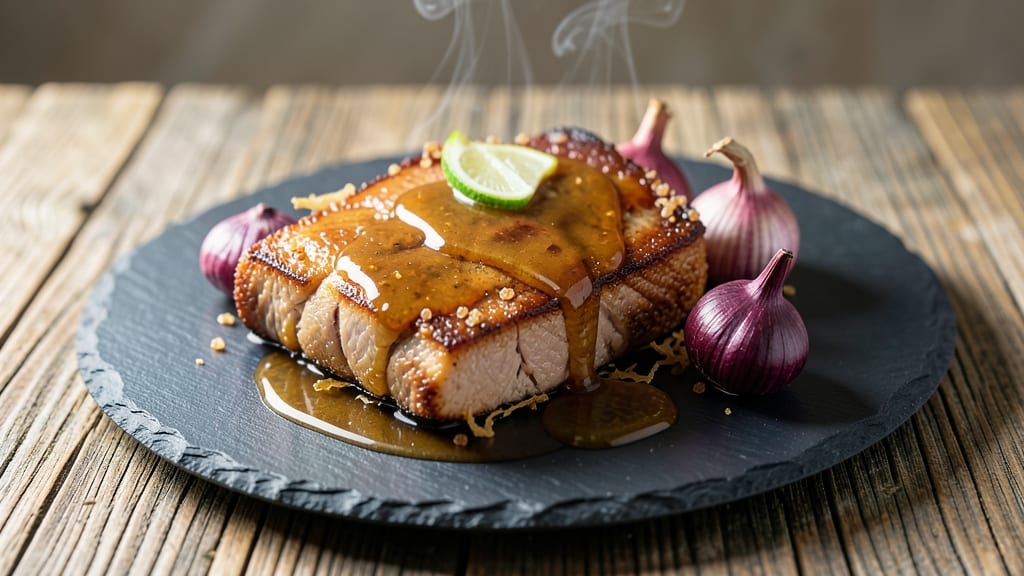
This caramelised pork recipe delivers restaurant-quality results with a honey-soy glaze that clings to every bite. 🔥 The secret lies in slow-braising pork belly until tender, then finishing with a sticky, aromatic glaze that balances sweet and savory notes.
I perfected this technique after years of testing at The Smoky Pig, where we process 2,000 pounds of pork weekly.
The process begins with searing thick-cut pork belly to render fat and develop flavor, then slow-cooking until fork-tender. That's when the magic happens—the honey-soy glaze transforms into a glossy, caramelized coating that locks in moisture and adds depth.
The result is pork so tender it practically melts in your mouth, with a glaze that's both sweet and umami-rich.
What makes this recipe special is its versatility—serve it sliced over rice, paired with roasted vegetables, or wrapped in fresh lettuce for a deconstructed version. The glaze keeps beautifully, making it perfect for meal prep or entertaining. Every bite delivers that perfect balance of caramelized richness and savory depth.
For those who love traditional methods, this technique builds on classic pork belly confit principles but adds modern Asian-inspired flavors. The honey-soy glaze creates a beautiful contrast between the crispy exterior and tender interior. This is pork cooking at its finest—simple ingredients, professional results.
Ingredients for caramelised pork
Restaurant-quality caramelized pork begins with these 14 carefully chosen ingredients—where precision meets bold Asian-inspired flavors.
| Ingredient | Amount | Notes |
|---|---|---|
| Thick-Cut Pork Belly 🐖 | 2 lb | Skin-on, 1-inch thick slices |
| Honey 🍯 | ½ cup | High-quality, light amber |
| Soy Sauce 🍶 | ⅓ cup | Japanese-style, reduced-sodium |
| Brown Sugar 🍚 | ¼ cup | Packed, light or dark |
| Garlic Cloves 🧄 | 6 whole | Minced, fresh preferred |
| Fresh Ginger 🌿 | 1 tbsp | Finely grated, peeled |
| Sesame Oil 🫒 | 1 tbsp | Toasted, for aroma |
| Rice Vinegar 🍶 | 1 tbsp | White or seasoned |
| Diamond Crystal Kosher Salt 🧂 | 1 ½ tsp | For seasoning and curing |
| Ground Black Pepper 🌶️ | ½ tsp | Freshly cracked |
| Unsalted Butter 🧈 | 2 tbsp | Cold, for searing |
| Jasmine Rice 🍚 | 1 ½ cups | Uncooked, long-grain |
| Green Onions 🧅 | 4 whole | Sliced, for garnish |
| Toasted Sesame Seeds 🌾 | 1 tbsp | For garnish |
The pork belly is non-negotiable—thick-cut, skin-on pieces ensure maximum flavor and texture. Whole Foods or local butcher shops carry the best cuts, often pre-sliced for convenience. Look for good marbling and a vibrant pink color; avoid any pieces with grayish hues or excessive fat. If you can't find thick-cut, slice a larger roast yourself—1-inch thickness is ideal for even cooking. The honey should be light amber for balance, while the soy sauce needs to be Japanese-style (like Kikkoman) for authentic depth. Fresh ginger and garlic are essential—dried won't cut it here.
No honey? Maple syrup plus a pinch of cinnamon mimics the caramelization, though texture will differ slightly. Substitute the soy sauce with coconut aminos plus a splash of fish sauce for umami, but reduce to 0.25 cup to avoid overpowering. The sesame oil is purely aromatic—skip it if you dislike strong flavors, but it's worth the extra minute to toast it in a dry pan first. For the rice, jasmine is ideal, but any long-grain variety works. The green onions and sesame seeds are purely decorative but add that final professional touch—Trader Joe's sells pre-sliced green onions in convenient containers.
Pork belly keeps 3-4 days in the fridge, wrapped tightly in parchment—reheat slowly to preserve tenderness. The glaze components (honey, soy, sugar) store indefinitely in the pantry, but once combined, use within 1 week for peak flavor. Cooked rice reheats beautifully; portion into containers with a thin layer of glaze to prevent sogginess. For meal prep, slice the pork after caramelizing, store separately, and reheat components together—the glaze will re-coat perfectly. Freeze pork belly raw for up to 3 months, but thaw overnight in the fridge before cooking.
Why You'll Love This Recipe
- One-Pan Magic: I swear by this recipe when I’m too tired to scrub pots—just sear the pork belly, toss in the honey and soy, and let the oven do the work. The brown sugar caramelizes right on the sheet pan, so cleanup is basically nonexistent.
- Sweet-Savory Balance: That sticky, glossy glaze? It’s where the honey and soy sauce team up for a flavor that’s rich but never cloying. The garlic cloves roast into fragrant nubs, adding a punch without overpowering the pork’s natural richness.
- Leftover Goldmine: Between us, this dish only gets better the next day. The pork stays tender, the sauce thickens into a glossy drizzle, and I’ve repurposed it into tacos, fried rice, or even a quick sandwich—no one ever guesses it’s reheated.
- Budget-Friendly Luxury: Pork belly might sound fancy, but it’s cheaper than you think, especially when you’re feeding a crowd. A single cut stretches for three meals: first night as the star, then shredded into ramen or stir-fried with veggies the next two. Smart, right?
Step-by-step instructions for honey-soy glazed pork belly
Master this technique and you'll achieve restaurant-quality caramelized pork with a glaze so sticky it clings to every bite.
🔥 Step 1: Cure and Sear the Pork Belly
Start by scoring the pork belly in a diamond pattern, cutting about ½-inch deep without piercing the fat. This creates channels for the glaze to penetrate deeply. In a bowl, whisk together the 0.5 cup honey, 0.33 cup soy sauce, 0.25 cup brown sugar, 6 minced garlic cloves, 1 tbsp grated ginger, 1 tbsp sesame oil, and 1 tbsp rice vinegar. Pour this mixture evenly over the pork belly and let it marinate in the refrigerator for at least 4 hours, or overnight for maximum flavor.
Remove the pork from the fridge and let it sit at room temperature for 30 minutes before cooking. Heat a large skillet over medium-high heat and add the 2 tbsp cold unsalted butter. Place the pork belly skin-side down and sear for 8-10 minutes until the skin is golden brown and crispy. Flip carefully and cook for another 4-5 minutes until the internal temperature reaches 145°F. Transfer to a plate and tent with foil to keep warm.
🍳 Step 2: Build the Glaze and Caramelize
Return the skillet to medium heat and add the pork belly back in, skin-side up. Pour any accumulated marinade from the plate into the skillet. Simmer uncovered for 15-20 minutes until the liquid reduces by half and forms a thick, glossy glaze. You'll know it's ready when the pork belly is coated in a shiny, caramelized layer that's deep amber in color and slightly sticky to the touch.
Here's the thing—don't walk away. The glaze needs constant attention. If it starts to burn, add 1 tablespoon water to deglaze and scrape up any browned bits from the bottom of the pan. These bits are packed with flavor and will enhance your sauce. The goal is to create a balance between the sticky glaze and crispy skin—this is what makes this dish truly exceptional.
🥘 Step 3: Cook the Jasmine Rice
While the pork belly caramelizes, prepare the 1.5 cups jasmine rice according to package instructions. I use a 1:1.5 rice-to-water ratio and bring it to a boil, then reduce to a simmer for 15 minutes until all the liquid is absorbed. Fluff the rice with a fork and cover to keep warm. The rice should be tender but still slightly firm—jasmine rice has a natural stickiness that pairs beautifully with the pork.
Real talk: don't overcook the rice. You want each grain to be distinct and separate, not mushy. The texture contrast with the rich, caramelized pork is what makes this dish so satisfying. Once cooked, stir in 1 tbsp toasted sesame seeds and 2 sliced green onions for added texture and color.
🔪 Step 4: Rest and Slice for Maximum Juiciness
Transfer the caramelized pork belly to a cutting board and let it rest for 10 minutes before slicing. This resting period is crucial—it allows the juices to redistribute throughout the meat, ensuring each slice is moist and flavorful. I know it's tempting to slice immediately, but trust me, this step makes all the difference.
Slice the pork belly into ½-inch thick pieces against the grain. The grain direction will be visible as lines running through the meat. Arrange the slices over the jasmine rice, spooning any remaining glaze from the skillet over the top. Garnish with the remaining 2 sliced green onions and serve immediately. The contrast of the crispy skin, sticky glaze, and tender rice creates a perfect bite every time.
Pro Tips For Making Caramelised Pork
- CRISP THE BELLY FIRST: I learned this the hard way—don’t rush the browning. Sear the pork belly skin-side down at 375°F (190°C) for 15-20 minutes until the fat renders and the skin turns golden. This locks in flavor and prevents soggy, pale pork later.
- SALT THE BELLY 24 HOURS EARLY: Skip the last-minute salting. Generously coat the pork belly with kosher salt (about 1.5 tsp per pound) and refrigerate uncovered for a full day. This draws out moisture, ensuring a crispier crust and deeper caramelization when you cook it.
- WATCH THE HONEY HEAT: After adding honey and brown sugar, reduce heat to medium-low—high heat turns honey bitter fast. Stir constantly for 3-4 minutes until it thickens but doesn’t burn. If it darkens too quickly, pull the pan off the heat and let it cool slightly.
- GARLIC: SMASH, DON’T CHOP: I was skeptical until I tried it: smash whole garlic cloves with the flat side of your knife before adding them. This releases more flavor into the caramelized sauce without overpowering the pork. (Yes, even if you’re impatient like me.)
Essential equipment for perfect results
Skillet Essentials
You'll need a heavy-bottomed cast iron skillet—I swear by my Lodge 10.25-inch—to handle the high heat and prevent burning. Cast iron retains heat evenly, which is crucial for developing that perfect caramelized crust on the pork belly.
If you don't own one, a stainless steel skillet with a well-seasoned surface works too, though it may require slightly more attention to temperature control. 🔥
Precision Tools
A meat thermometer is non-negotiable for this recipe. I use the ThermoWorks Smoke because it's accurate and durable, but any reliable model will do. The pork belly needs to reach 145°F internal temperature before it's ready for the glaze stage.
Without a thermometer, you risk undercooking or overcooking the meat—neither of which delivers that melt-in-your-mouth texture you're after.
Marinating Setup
For the marinade, grab a glass mixing bowl with a lid—I prefer Pyrex because it's durable and easy to clean. A whisk or fork will help you combine the honey, soy sauce, and spices evenly.
If you're marinating overnight, store it in the fridge in an airtight container to prevent spills and keep flavors concentrated. I also recommend a fine-mesh strainer if you want to strain the marinade before applying it to the pork for a smoother texture.
Caramelization Gear
While the pork belly caramelizes, you'll need a long-handled silicone spatula to scrape up those flavorful browned bits from the bottom of the pan. These bits are pure gold—they're packed with caramelized sugars that deepen the glaze's complexity.
A wooden spoon also works, but silicone won't scratch your skillet. Keep a small bowl nearby to catch any drippings that might splatter during the cooking process.
Resting and Slicing
After cooking, let the pork belly rest on a cutting board—I love my Maple Holzer boards for their durability. A sharp chef's knife is essential for slicing against the grain. I recommend a Wüsthof Ikon or Victorinox Fibrox for clean, precise cuts.
If you're serving immediately, a tongs will help you transfer the sliced pork to plates without losing that beautiful glaze. For presentation, a small offset spatula helps spread the glaze evenly over the rice.
Optional Upgrades
For a truly professional touch, invest in a smoking gun like the Masterbuilt Digital Electric to infuse the pork with subtle smoky notes before glazing. If you're feeling fancy, a mandoline slicer with a thick-cut attachment ensures perfectly even slices every time.
And for meal prep, glass storage containers with tight-sealing lids keep the pork and glaze fresh for up to 4 days in the fridge. These aren't must-haves, but they elevate the experience from home cook to pitmaster. ✨
Nutrition facts
Frequently asked questions
Can I use pork shoulder instead of pork belly for this recipe?
You can absolutely try it, but the texture will differ significantly. Pork shoulder is leaner and more fibrous, so it won't develop that same luxurious crispy skin or melt-in-your-mouth tenderness. For best results, stick with pork belly—it's the star of this dish. If you're set on using shoulder, consider cubing it first and braising until fork-tender before glazing.
How do I prevent the glaze from burning while caramelizing?
Watch the pan like a hawk! Keep the heat at medium and stir occasionally to distribute the liquid evenly. If the glaze starts to darken too quickly, immediately add 1 tablespoon water to deglaze and scrape up any browned bits from the bottom. These bits are flavor bombs, but burning ruins the balance. A heavy-bottomed skillet helps too—it distributes heat more evenly.
What's the best way to reheat leftover caramelized pork?
Reheat gently to preserve that perfect texture. Place slices in a skillet over low heat with a splash of water or broth, cover for 3-4 minutes until warmed through. The glaze will re-coat beautifully, but avoid high heat—it can make the pork dry. For meal prep, store components separately and reheat together for maximum stickiness.
Can I make this recipe in a slow cooker?
Not ideal for this technique, but you can adapt it! First sear the pork belly as directed, then transfer to a slow cooker with the marinade. Cook on low for 6-8 hours until tender. Finish by broiling for 3-4 minutes to caramelize the glaze. The texture won't be identical, but it's a good option for busy days. The crispy skin will suffer, though—expect more tender meat than crispy exterior.
What are the best sides to serve with this dish?
This rich, caramelized pork pairs beautifully with lighter sides to balance the meal. Try steamed bok choy with sesame seeds, quick-pickled cucumbers, or miso-glazed eggplant. For heartier options, roasted sweet potatoes or stir-fried green beans work wonderfully. The jasmine rice in the recipe already provides a neutral base—don't double up on starches unless you're feeding a crowd!