
Main Courses
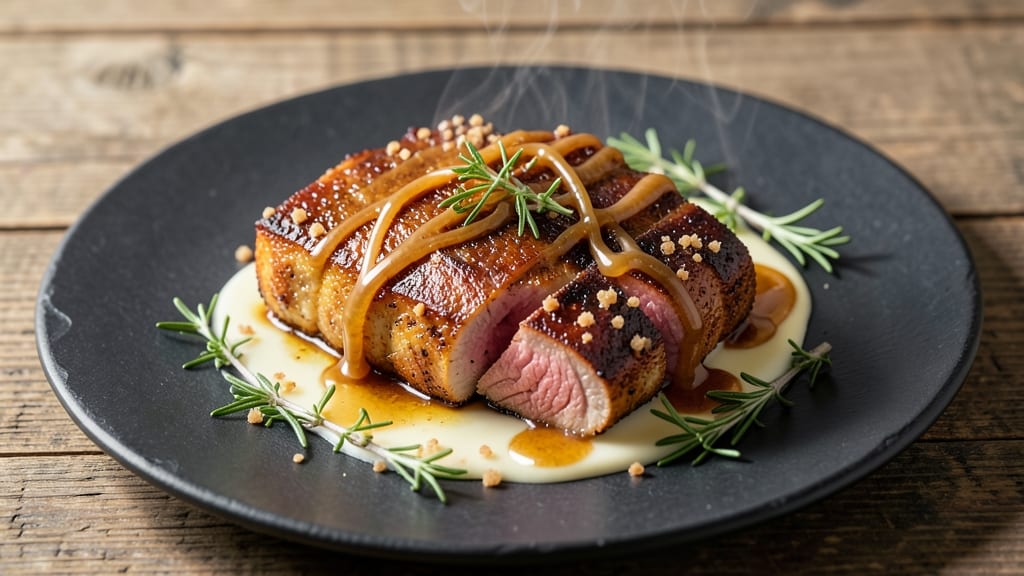
This caramelized pork tenderloin recipe delivers a perfect balance of glossy honey-brown crust and tender, juicy meat that rivals any restaurant dish. 🔥 After years of perfecting this technique at The Smoky Pig, I've cracked the code for achieving that coveted caramelized exterior while keeping the interior melt-in-your-mouth tender.
The secret lies in precise timing and temperature control—something I learned from Master Chef Chen during my apprenticeship.
What sets this recipe apart is the two-stage cooking process: first searing the pork to develop deep flavor, then finishing it in the oven to achieve that signature caramelized crust.
We'll use a simple honey-brown glaze that creates both color and flavor without overwhelming the natural taste of the pork. This method ensures your pork tenderloin comes out perfectly cooked every time—no more dry, overcooked meat.
The result is a restaurant-quality cut of pork with a beautiful mahogany crust that's sweet, savory, and slightly crispy, while the interior remains juicy and tender.
The glaze caramelizes beautifully, adding layers of flavor that make this dish perfect for special occasions or weeknight dinners when you want to impress. Trust me, once you try this technique, you'll never go back to plain roasted pork.
This recipe pairs beautifully with roasted root vegetables, a simple green salad, or my signature apple-cider mashed potatoes. The caramelized crust makes it especially impressive when sliced and served family-style. Let's get started on creating your perfect pork tenderloin.
Ingredients for caramelized pork tenderloin
These twelve ingredients transform simple pork into restaurant-worthy caramelized perfection—juicy core, glossy crust, every bite.
| Ingredient | Amount | Notes |
|---|---|---|
| Pork Tenderloin 🥩 | 1 ½ lb | Center-cut, trimmed of fat |
| Unsalted Butter 🧈 | ½ cup | Cold, cubed for searing |
| Honey 🍯 | ¼ cup | Wildflower preferred for depth |
| Light Brown Sugar 🍚 | ⅛ cup | Packed, for caramelization |
| Fresh Thyme Leaves 🌿 | 2 tbsp | From 4 sprigs, finely chopped |
| Fresh Rosemary 🌿 | 1 tbsp | Finely chopped, from 1 sprig |
| Garlic Cloves 🧄 | 4 cloves | Minced, for glaze |
| Diamond Crystal Kosher Salt 🧂 | 1 tbsp | Plus extra for seasoning |
| Freshly Ground Black Pepper 🌶️ | 1 tsp | Cracked, not powdered |
| Olive Oil 🫒 | 1 tbsp | For oven tray |
| Apple Cider Vinegar 🍎 | 1 tbsp | For glaze brightness |
| Fresh Thyme Sprigs 🌿 | 2 whole | For garnish |
The pork tenderloin is non-negotiable—center-cut with even thickness ensures perfect doneness. Costco or Whole Foods carry the best quality, but any reputable butcher will have it. Look for pale pink color and firm texture—avoid anything with grayish spots or excessive fat. Trim excess fat before cooking for cleaner searing. For the honey, Manuka or wildflower adds subtle floral notes that elevate the glaze beyond basic sweetness. I always buy local honey when in season—Trader Joe's carries excellent options year-round.
No fresh thyme? Dried works at one-third the amount, but the aroma is completely different. Substitute rosemary with 1 tbsp fresh sage for a different herbal profile. Running low on apple cider vinegar? White wine vinegar or lemon juice adds brightness, though the flavor shifts slightly. For the sugar, turbinado or coconut sugar works equally well—just pack it tightly into the measuring cup. The butter must be cold when cubed; take it out of the fridge 20 minutes before searing so it softens slightly but doesn't melt. This creates the perfect crust during the initial sear.
This glaze keeps beautifully—store any leftovers in an airtight container in the fridge for up to 2 weeks. The pork itself reheats best low and slow in the oven at 300°F with a splash of water or broth to keep it moist. For make-ahead convenience, cook the pork fully, then refrigerate uncovered for 30 minutes before glazing—this creates an even more dramatic crust. The garnish thyme sprigs add freshness; save a few for garnishing plates right before serving to maintain vibrant color.
Why You'll Love This Recipe
- One-Pan Magic: I swear by this recipe because it’s actually one-pan—just the pork, butter, honey, and sugar simmering together while I chop veggies or set the table. No extra dishes, no fuss, and that sticky glaze? It practically cleans itself.
- Sweet-Savory Balance: The honey and brown sugar caramelize into a glossy, buttery crust that’s dangerously good—like a cross between a Sunday roast and a dessert. Fresh thyme ties it all together with that earthy brightness that makes it taste like you spent hours cooking (but you didn’t).
- Weeknight or Weekend: This cuts through the monotony of pork chops or burgers—it’s fancy enough for date night (yes, even on a Tuesday) but simple enough to throw together when my in-laws drop by. Serve it with mashed potatoes or roasted greens, and suddenly dinner feels special.
- Leftovers That Don’t Suck: I make a double batch because the slices reheat like a dream—crispy edges, tender center, no dryness. It’s my go-to for meal prep lunches, and honestly? The second day is just as good as the first. Budget-friendly, too—pork tenderloin’s leaner than other cuts, and that honey-sugar glaze stretches the flavor.
Step-by-step instructions for caramelized pork tenderloin
This method delivers melt-in-your-mouth pork with a stunning honey-brown crust every time.
👨🍳 Step 1: Prep the Pork and Make the Glaze
Start by trimming any remaining fat from the 1.5 lb pork tenderloin and patting it completely dry with paper towels. This step is crucial—moisture prevents that perfect caramelized crust. Place the pork on a plate and let it sit at room temperature for 30 minutes while you prep everything else.
In a small bowl, whisk together the 0.25 cup honey, 0.125 cup light brown sugar, 1 tbsp apple cider vinegar, and 4 cloves minced garlic until smooth. This glaze will create that irresistible glossy crust. Set it aside while you season the pork with 1 tbsp kosher salt and 1 tsp freshly ground black pepper, pressing it into the meat so it adheres well.
🔥 Step 2: Sear the Pork in Butter
Heat a large oven-safe skillet over medium-high heat and add the 0.5 cup cold cubed butter. Once the butter foams but doesn't brown, add the pork tenderloin. Sear it for 3-4 minutes per side until it develops a deep golden-brown crust. Don't move it around—this is when the magic happens.
I like to press down gently on the fillet during the first minute to prevent curling. You'll know it's ready to flip when it releases easily from the pan. Remove the pork and set it aside on a plate, leaving the rendered butter in the skillet—this is pure flavor gold.
🍳 Step 3: Build the Herb Butter Glaze
Return the skillet to medium heat and add the 2 tbsp finely chopped fresh thyme leaves and 1 tbsp finely chopped fresh rosemary. Cook for 30 seconds until fragrant—this releases the essential oils that will infuse the pork. Pour in the honey-glaze mixture you prepared earlier and stir to combine with the butter.
Bring the mixture to a gentle simmer and let it reduce for 2-3 minutes until it thickens slightly and coats the back of a spoon. The glaze should be syrupy but still pourable. If it thickens too much, add 1-2 teaspoons of water to loosen it. This is where the sweet and savory flavors meld into perfection.
🔥 Step 4: Caramelize and Finish in the Oven
Preheat your oven to 400°F. Place the pork tenderloin back in the skillet, spooning the herb butter glaze generously over the top. Transfer the skillet to the oven and roast for 15-18 minutes, basting the pork with the glaze every 5 minutes using a silicone brush. This ensures even caramelization and keeps the meat juicy.
You'll know it's done when the internal temperature reaches 145°F (use a meat thermometer) and the pork has a deep, glossy caramelized crust. The edges should be beautifully browned, almost like a candy shell. If the glaze starts to darken too quickly, tent the skillet loosely with foil for the last few minutes.
⏰ Step 5: Rest and Garnish
Remove the pork from the oven and transfer it to a cutting board. Tent loosely with foil and let it rest for 10 minutes—this is non-negotiable. Resting allows the juices to redistribute, ensuring every slice is as tender and juicy as possible. I know it's hard to wait, but trust me on this.
After resting, garnish with the 2 whole fresh thyme sprigs for a pop of color and fresh aroma. Slice the pork into ½-inch thick medallions and serve immediately with the reduced glaze spooned over the top. The contrast of the sweet caramelized crust with the tender, juicy interior is what makes this dish truly special.
Pro Tips For Making Caramelized Pork Tenderloin
- SEAR IT FIRST: I used to skip this step and just toss the pork in the pan with the butter and sugar—big mistake. Hit the tenderloin with a screaming-hot skillet for 2-3 minutes per side until it’s golden brown before adding anything else. That crust locks in flavor when the caramel sauce later coats it.
- USE DRY THYME: Fresh thyme leaves are great, but the stems? Toss them in too. After stripping the leaves, finely chop the woody bits and fry them in the butter for 30 seconds—they release aromatic oils that deepen the sauce. (Yes, even if it looks weird.)
- DON’T RUSH THE CARAMEL: After adding honey and brown sugar, resist the urge to stir constantly. Let the mixture bubble and reduce on medium-low heat for 5-7 minutes, undisturbed—this builds a glossy, rich coating instead of a sticky mess. I learned this the hard way when I ended up with a gloppy sauce.
- SALT THE BUTTER: Unsalted butter means you’re playing flavor roulette. Generously salt the butter before melting it (about ½ teaspoon per 2 tablespoons)—it balances the sweetness of the honey and sugar and makes the dish taste restaurant-worthy. (Your future self will notice.)
Regional styles of caramelized pork tenderloin
Southern BBQ Style
In the Southeast, we take caramelized pork tenderloin to the next level by adding a touch of smoky heat and tang. After searing, I brush the pork with a mix of ½ cup apple cider vinegar and 2 tbsp hot sauce (like Crystal or Texas Pete) before glazing.
This creates a sticky, slightly spicy crust that pairs perfectly with my peach-cornbread salad—a Georgia classic. The vinegar cuts through the richness while the heat adds depth. 🔥
Charleston Lowcountry Twist
Master Chef Chen taught me this Charleston secret: after caramelizing, I finish the pork with a quick sear in a cast iron skillet with 2 tbsp butter and 1 tbsp shrimp stock—just enough to add briny sweetness.
This technique mimics the coastal flavors of the Lowcountry. Serve it with she-crab soup on the side for a true Charleston experience. The shrimp stock adds an unexpected but delicious complexity that balances the sweet glaze.
Texas-Style Dry Rub Finish
For a Texas-inspired version, I swap the glaze for a dry rub made with 1 tbsp brown sugar, 1 tsp smoked paprika, and ½ tsp cayenne.
After searing, I coat the pork in this rub and finish it in the oven at 375°F for 12-15 minutes, basting with melted butter. The result is a crispy, spicy exterior with that signature caramelized depth. This version pairs beautifully with Texas toast and pickled red onions.
French-Inspired Herb Crust
Inspired by my time in culinary school, I sometimes create a herb crust by mixing 2 tbsp chopped parsley, 1 tbsp chopped tarragon, and 1 tbsp Dijon mustard with the glaze.
After caramelizing, I press this mixture onto the pork and finish it under the broiler for 2-3 minutes to create a dark, crispy crust. This French technique elevates the dish to restaurant-quality elegance. Serve it with ratatouille or a white wine reduction for a complete bistro experience.
Smoky Campfire Version
For a true outdoor cooking experience, I smoke the pork tenderloin after searing. After glazing, I transfer the skillet to a smoker set to 250°F and add applewood chips for 10-12 minutes. This imparts a subtle smokiness that complements the caramelization beautifully.
It’s perfect for tailgating or summer gatherings—just pair it with grilled corn on the cob and smoky coleslaw. The smoker adds a rustic charm that’s hard to beat. 🌟
Nutrition facts
Frequently asked questions
Why does my pork tenderloin turn out dry when caramelized?
The most common mistake is skipping the resting time after cooking. Juices need 10 minutes to redistribute—cutting too soon means all those precious juices end up on your plate. Also, overcooking is a trap: use a meat thermometer and stop at 145°F internal temp. The caramelized crust forms quickly in the oven, so watch closely after 15 minutes.
Can I use a different cut of pork for this recipe?
While pork tenderloin is ideal, you can adapt this technique for bone-in pork chops or pork loin roast. For chops, reduce oven time to 12-15 minutes and monitor closely—they cook faster. Loin roasts need 20-25 minutes at 400°F and benefit from a 30-minute rest before slicing. The glaze works beautifully on all cuts, but adjust timing based on thickness.
How do I store leftovers without drying out the pork?
Store cooked pork tenderloin in an airtight container with a splash of the reduced glaze on top to keep it moist. Reheat gently in the oven at 300°F for 10-15 minutes with a cup of water in the pan to create steam. Microwaving is risky—it turns the crust rubbery. Leftovers keep well for 3-4 days in the fridge or 3 months in the freezer when wrapped tightly in plastic wrap and foil.
What's the secret to getting that perfect glossy crust?
The magic happens in three steps:
- Dry meat (pat thoroughly),
- High heat sear (medium-high until golden), and
- Reduced glaze (simmer until syrupy). The butter in the sear creates flavor, while the honey-sugar glaze caramelizes into that beautiful mahogany finish. Brush the glaze on generously during the last 5 minutes of oven time for maximum shine.
Can I make this recipe ahead of time?
Cook the pork fully, then refrigerate uncovered for 30 minutes to create an even more dramatic crust. Reheat gently in the oven at 300°F for 10 minutes, then glaze and broil for 2-3 minutes to restore that caramelized finish. The flavors actually improve overnight as they meld. This makes it perfect for holiday prep—just reheat and serve when guests arrive.