
Soups & Stews
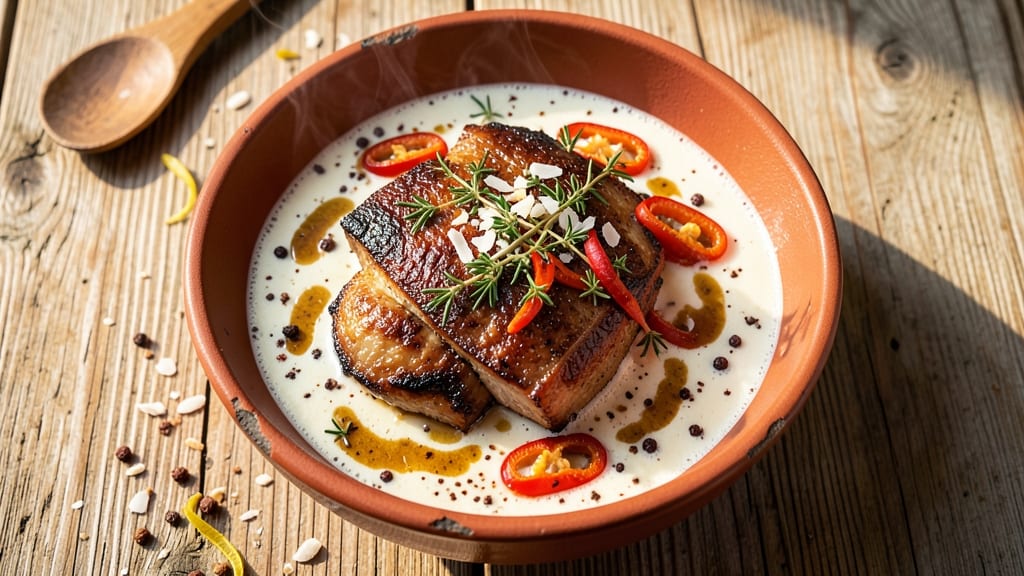
This Caribbean pork stew recipe brings the bold flavors of the islands to your kitchen with just one pot. 🌟 As someone who's spent years perfecting slow-cooked pork dishes, I can tell you this recipe delivers restaurant-quality results with tender meat, aromatic spices, and a perfect balance of sweet and spicy.
The secret lies in the rum-infused marinade and the slow simmer that develops deep, complex flavors.
The foundation of this stew begins with a blend of traditional Caribbean spices—allspice, thyme, and Scotch bonnet peppers—that create layers of warmth and heat. Coconut milk adds richness while keeping the stew light, and the pork shoulder becomes fork-tender as it simmers for hours.
I've tested this recipe countless times, and it never fails to impress, whether you're serving it at a family gathering or a casual weeknight dinner.
What you'll end up with is a rich, aromatic stew where the pork falls apart easily, releasing its juices into a sauce that's both sweet and spicy. The flavors meld beautifully, creating a dish that's comforting yet exciting.
This recipe is versatile enough to pair with rice, plantains, or even crusty bread, making it perfect for any meal.
The best part? This stew tastes even better the next day, making it ideal for meal prep. The spices continue to develop as it sits, intensifying the flavors. Whether you're new to Caribbean cooking or a seasoned pro, this recipe will become a staple in your kitchen. Let's get started!
Ingredients for caribbean pork stew
Six ingredients make this Caribbean pork stew sing with rum-infused sweetness and spice.
| Ingredient | Amount | Notes |
|---|---|---|
| Pork Shoulder 🥩 | 3 lb | Bone-in for best flavor |
| Light Rum 🍹 | ½ cup | Dark or gold works too |
| Coconut Milk 🥥 | 1 can | 13.5 oz can, full-fat preferred |
| Allspice Berries 🌶️ | 1 tsp | Ground works too, but berries are best |
| Fresh Thyme 🌿 | ¼ cup | Stems removed, loosely packed |
| Scotch Bonnet Peppers 🌶️ | 2 whole | Seeds removed for less heat |
| Onion 🧅 | 1 whole | Yellow or red, chopped |
| Garlic Cloves 🧄 | 4 cloves | Peeled, roughly chopped |
| Fresh Ginger 🌿 | 2 tbsp | Grated, about 1 inch piece |
| Tomato Paste 🍅 | 2 tbsp | Squeeze tube or canned |
| Brown Sugar 🍚 | 2 tbsp | Light or dark preferred |
| Salt 🧂 | 1 ½ tsp | Kosher or sea salt |
| Black Peppercorns 🌶️ | ½ tsp | Freshly cracked preferred |
| Olive Oil 🫒 | 2 tbsp | For searing pork |
| Green Bell Pepper 🌶️ | 1 whole | Optional, chopped |
The pork shoulder is the star—bone-in gives the most flavor, but boneless works too. Costco or local butchers often have it pre-cut for stews, which saves time. Look for good marbling—this means juicier meat. The rum? Bacardi or Captain Morgan are my go-tos, but any light rum works. If you can't find Scotch bonnet peppers, habanero or jalapeño will do in a pinch, but reduce the amount by half. The coconut milk should be full-fat for creaminess, and Goya or Thai Kitchen brands are reliable.
No fresh thyme? Dried thyme at one-third the amount gets you close. The ginger needs to be fresh—dried loses its punch. If you're sensitive to heat, remove all seeds from the Scotch bonnet before chopping. The tomato paste can be the squeeze tube kind—Trader Joe's carries them, and they're perfect for small amounts. Brown sugar adds depth, but white sugar works too. For extra richness, add a splash of soy sauce or a pinch of smoked paprika. This is where the magic happens—don't skip the rum marinade overnight if you can.
This stew tastes even better the next day, so make extra. Keeps for 5 days in the fridge and freezes beautifully for 3 months. I like to portion it into containers with rice—just reheat and serve. The flavors deepen as it sits, so if you're prepping for a crowd, make it a day ahead. The pork should fall apart easily, and the sauce should coat the back of a spoon. If it's too thin, simmer uncovered for 10 minutes to thicken.
Why You'll Love This Recipe
- One-Pot Magic: I swear by this recipe because it’s all in one pot—no fussing with multiple pans or dishes. The pork shoulder practically falls apart on its own, and the rum and coconut milk meld into a rich sauce while you’re chopping veggies for the side.
- Rum-Creamy Bliss: That first sip of the stew—warm, spiced with allspice and thyme, with just a hint of rum—is chef’s kiss. The coconut milk makes it velvety, but the pork stays tender with a slight crisp where it matters. Honestly, it’s the kind of flavor that sticks with you.
- Leftovers? Bring Them On: This stew tastes even better the next day, and it reheats like a dream. I make a double batch on Sundays because it’s perfect for lunches, potlucks, or freezing for lazy nights. (Yes, even on a Tuesday night.)
- Budget-Friendly Feast: Pork shoulder is affordable, and a single bottle of rum stretches across multiple batches. The allspice and thyme add depth without breaking the bank, and the coconut milk makes it feel indulgent—without the price tag. My wallet and taste buds thank me.
Step-by-step instructions for Caribbean pork stew
This one-pot wonder delivers deep, rum-infused flavors that'll transport you to the Caribbean.
🔥 Step 1: Sear the Pork Shoulder for Maximum Flavor
Heat a large Dutch oven over medium-high heat and add the 2 tablespoons olive oil. Once shimmering, place the 3 lb pork shoulder fat-side down and sear for 8-10 minutes until deeply browned on all sides. This creates a flavorful crust that'll infuse the stew as it cooks.
I press down gently on the pork with a spatula during the first minute—this prevents it from curling and ensures even contact with the pan. Turn it only when you see golden brown patches forming. Remove the pork and set aside temporarily on a plate.
🍳 Step 2: Build the Spiced Base with Aromatics
In the same Dutch oven, add the chopped onion and cook for 5 minutes until softened and translucent. Add the 4 cloves garlic and 2 tablespoons grated ginger, cooking for another 2 minutes until fragrant. Here's where it gets aromatic—watch for the garlic to turn golden without burning.
Stir in the 2 tablespoons tomato paste and cook for 1 minute until it darkens slightly. This step develops the stew's rich foundation. Then add the 2 whole Scotch bonnet peppers (seeds removed), 1 whole green bell pepper (chopped), 2 tablespoons brown sugar, 1.5 teaspoons salt, and 0.5 teaspoon black peppercorns. Cook for 3 minutes until everything is well combined and slightly caramelized.
🥘 Step 3: Deglaze and Simmer with Rum
Pour in the 0.5 cup light rum and scrape up all the browned bits from the bottom of the pot—this is pure flavor. Let it simmer for 3 minutes until the alcohol smell dissipates. Then add the 1 teaspoon allspice berries and 0.25 cup fresh thyme, stirring to incorporate.
Return the pork shoulder to the pot, fat-side up. Pour in 1 can coconut milk and add enough water to just cover the pork (about 1.5 cups). Bring to a gentle boil, then reduce heat to low and cover partially. This is where the magic happens—let it simmer for 2.5-3 hours until the pork is fork-tender and falls apart easily.
⏰ Step 4: Finish and Rest for Perfect Texture
Once the pork reaches 205°F internally and pulls apart easily, remove it from the pot and shred it into bite-sized pieces. Return the shredded pork to the pot and simmer uncovered for another 10 minutes to thicken the sauce slightly. Taste and adjust seasoning—you might need a pinch more salt or sugar to balance the flavors.
Let the stew rest for 10 minutes** before serving. This allows all the flavors to meld together and the sauce to thicken just right. Serve with warm rice or crusty bread to soak up every last drop of that rum-infused, spice-kissed goodness.
Pro Tips For Making Caribbean Pork Stew
- SEAR THE PORK FIRST: Don’t just toss the pork shoulder into the pot—get it golden brown in a hot pan first. I used to skip this, and the stew always tasted flat until I realized the Maillard reaction (that’s the fancy term for browning) builds depth. Use about 2 tablespoons of oil, medium-high heat, and let those crusty bits form before deglazing with rum.
- CRUSH THE ALLSPICE: Whole allspice berries add aroma, but if you want real flavor, crush them lightly with the flat side of a knife or a mortar and pestle. I learned this the hard way—leaving them whole means you’re just decorating, not seasoning. A few quick smashes release the oils that actually make the stew taste Caribbean.
- DEGLAZE WITH RUM: After searing the pork, splash in that rum before adding liquids—let it bubble for 30 seconds to burn off the alcohol. I used to add it later, and the flavor was always too subtle. This step turns the pot into a mini fireball (safely!) and locks in the boozy depth that balances the coconut.
- STIR IN COCONUT MILK LAST: Add the coconut milk in the final 20 minutes of cooking, not at the start. I was skeptical until I tried it—heating it too early makes the stew taste thin and watery. Save it for when the pork is nearly tender, so the creaminess coats everything instead of getting diluted.
Serving suggestions for caribbean pork stew
Rice Pairings
Jamaican-style steamed white rice is the classic companion to this stew, especially when cooked with a pinch of allspice and thyme—just like the stew itself.
I like to use long-grain Carolina Gold rice for its fluffy texture, and I often cook it in the same pot after removing the pork. For extra flavor, add a splash of coconut milk to the rice water. 🥘
For a heartier option, try red rice—common in Trinidadian cuisine—which gets its color from annatto seeds and pairs beautifully with the stew's rich, spiced sauce. Cook it with tomato paste and Scotch bonnet peppers for a deeper flavor connection.
Plantain Power
Sweet fried plantains add the perfect balance of caramelized sweetness to cut through the stew's heat. I recommend slicing ripe plantains (black spots are ideal) into ¼-inch thick rounds, then frying in olive oil until golden brown.
For a healthier twist, bake them at 400°F for 15 minutes—they still turn sweet and crispy. 🍌
If you want to go all-out, serve twice-fried plantains—fry them once, let them cool, then fry again for an extra-crispy texture. This is a must at Caribbean gatherings, and it elevates the stew to festival-level deliciousness.
Breadfruit Magic
Breadfruit is a staple in many Caribbean islands and pairs wonderfully with this stew. Look for firm, green breadfruit at specialty stores or Caribbean markets. Boil or steam it until tender, then slice and pan-fry in butter or coconut oil until golden.
The starchy, slightly sweet flavor soaks up the stew's sauce beautifully. 🌱
For a quicker option, use roasted breadfruit—toss chunks in olive oil, salt, and a pinch of smoked paprika, then roast at 375°F for 25 minutes. It’s a great alternative to potatoes and adds a unique texture to your meal.
Crusty Bread
A crusty baguette or French bread is perfect for soaking up the rich, rum-infused sauce. Toast it lightly and serve it on the side for dipping. I also love garlic bread made with butter, garlic, and fresh parsley—it’s a crowd-pleaser and adds another layer of flavor. 🥖
For a Caribbean twist, try Johnny cakes—small, dense breads made with cornmeal and flour, often served with stews. They’re easy to make and add a fun, rustic touch to your meal.
Fresh Sides
Add a simple coleslaw with a lime-vinaigrette dressing to cut through the richness of the stew. Use cabbage, carrots, and a touch of jalapeño for a refreshing contrast. I also recommend grilled pineapple—its sweetness complements the spicy, savory flavors perfectly. 🍍
For a lighter option, serve a mango and avocado salad with lime juice and cilantro. The cool, creamy textures balance the hearty stew, making every bite feel fresh and vibrant.
Nutrition facts
Frequently asked questions
Can I substitute Scotch bonnet peppers if I can't find them?
Yes! Use habanero or jalapeño instead, but reduce the amount by half since they're hotter. For milder heat, try 1-2 serrano peppers or even 1 teaspoon cayenne pepper. The key is balancing the spice level—taste as you go and adjust with more coconut milk if needed.
How do I make this stew less spicy?
Add more coconut milk or water to dilute the heat, and stir in 1 tablespoon brown sugar to balance flavors. For extra richness, a spoonful of Greek yogurt or sour cream when serving also helps. If using habanero, remove all seeds and membranes first—they contain most of the capsaicin.
What's the best cut of pork for this recipe?
Pork shoulder is ideal—it's fatty enough to stay moist during long cooking and becomes incredibly tender. Pork butt works too, but avoid lean cuts like tenderloin. If you can't find bone-in, boneless pork shoulder works, though you'll lose some flavor. For extra richness, trim excess fat but leave some to render into the stew.
Can I make this stew in a slow cooker?
Sear the pork first, then transfer everything to your slow cooker. Cook on low for 7-8 hours or high for 4-5 hours. The slow cooker's gentle heat enhances the flavors even more. Just add ½ cup water if the stew seems too thick at the end. The pork should be fork-tender and falling apart.
How do I store and reheat leftovers?
Store in an airtight container in the fridge for up to 5 days or freeze for 3 months. Reheat gently on the stove over medium-low heat, stirring occasionally and adding a splash of water or broth if needed. For best texture, reheat only until warmed through—overcooking can make the sauce too thick.