
Main Courses
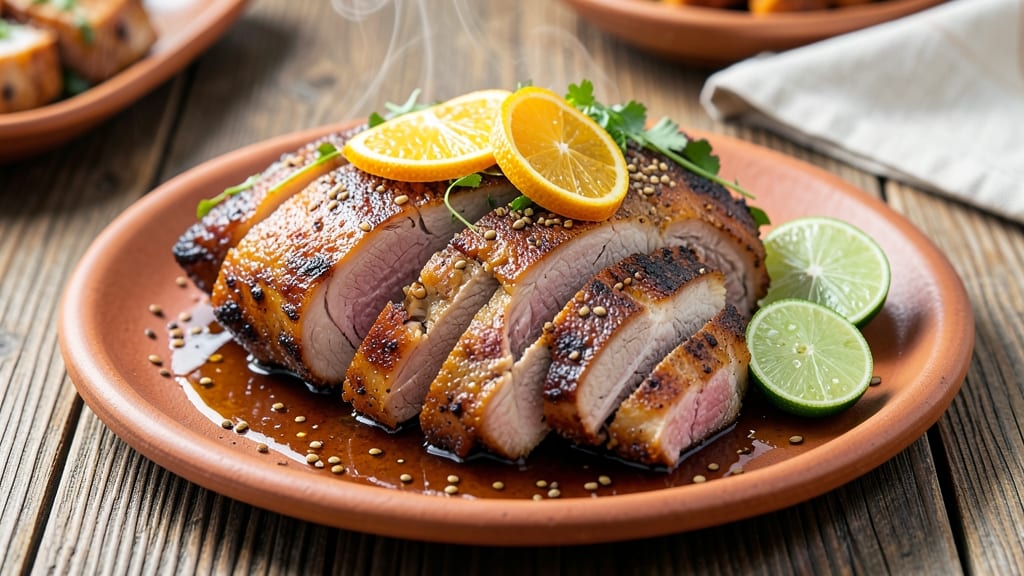
This carnitas roast pork recipe delivers the crispy bark and tender, shred-ready meat that makes it a Mexican street food staple. 🔥 I remember perfecting this technique during my apprenticeship under Master Chef Chen, where we cooked whole hogs for community gatherings—this is the method that always got rave reviews.
The secret lies in slow-roasting the pork until it's fork-tender, then crisping it in the broiler for that addictive golden crust.
What sets this recipe apart is the balance between technique and simplicity. You'll start with a simple salt-and-spice rub that penetrates deep during the long cook, then finish with a quick broil to create that signature crispy exterior.
The pork shoulder (or butt) transforms from tough to tender as it roasts, making it perfect for tacos, burritos, or bowls. This method builds flavor gradually, ensuring every bite is packed with smoky, savory goodness.
By the time you're done, you'll have perfectly crispy pork that shatters at the edges while remaining juicy inside—ideal for serving at family dinners or gathering crowds. The aroma alone will have everyone anticipating dinner.
The best part? This recipe scales effortlessly, whether you're cooking for four or twenty. Let's get started on creating carnitas that'll have everyone asking for seconds.
Serve your carnitas with traditional sides like cilantro-lime rice or charro beans to complete the Mexican feast. The crispy pork pairs beautifully with fresh salsa, warm tortillas, and a cool beer.
This is the kind of dish that brings people together—just like the meals I grew up sharing in small-town Georgia. Here's how to make it perfectly every time.
Ingredients for carnitas roast pork
Four pounds of pork plus a handful of spices and citrus—this is your carnitas shortcut to crispy perfection.
| Ingredient | Amount | Notes |
|---|---|---|
| Pork Shoulder (or Butt) 🐖 | 4 lb | Bone-in preferred for flavor |
| Orange Juice 🍊 | 1 cup | Freshly squeezed preferred |
| Lime Juice 🍋 | ½ cup | Freshly squeezed for brightness |
| Cumin Seeds 🌿 | 1 tbsp | Toasted for deeper aroma |
| Ground Cumin 🌿 | 1 tbsp | Freshly ground preferred |
| Garlic Powder 🧄 | 2 tsp | Not garlic salt |
| Smoked Paprika 🌶️ | 1 tbsp | For that signature smoky flavor |
| Salt 🧂 | 1 ½ tsp | Kosher or sea salt |
| Black Pepper 🌶️ | 1 tsp | Freshly ground preferred |
| Olive Oil 🫒 | 2 tbsp | For crisping the pork |
| Fresh Cilantro 🌿 | ¼ cup | Chopped, for garnish |
| White Onion 🧅 | 1 whole | Quartered, for braising |
| Bay Leaves 🌿 | 2 whole | For depth of flavor |
| Water 💧 | 1 cup | For braising liquid |
The pork shoulder is non-negotiable here—bone-in adds flavor, and Costco or local butchers usually have the best cuts. Look for good marbling, not too much fat, and ask for it cut into 2-inch chunks if they'll do it. I always grab orange juice from concentrate at Trader Joe's—it's cheaper and works just as well as fresh. The cumin seeds? Toast them in a dry pan for 30 seconds before grinding—that toasted aroma makes all the difference. If you're short on time, pre-ground cumin works, but your carnitas won't have quite the same depth. For the paprika, smoked is essential—regular paprika won't give you that authentic Mexican street food flavor.
No fresh orange juice? Bottled from concentrate is fine, or even a splash of pineapple juice in a pinch. Running low on cumin? Mexican oregano at half the amount gives a similar earthy note. The onion and bay leaves are just flavor boosters—skip them if you're in a rush, but don't skip the citrus. That acidity is what keeps the pork tender and gives it that signature tang. For the olive oil, any brand works—just make sure it's not expired. The fresher the oil, the better it'll crisp up those pork chunks in the broiler. And if you're worried about the pork being too fatty, pat it dry with paper towels before seasoning—it makes all the difference for that crispy bark.
This pork keeps beautifully—3 days in the fridge or 3 months in the freezer. The flavor actually improves after the first day as everything melds together. I like to portion it into single-serving containers so I can grab and reheat for tacos or bowls. To reheat, just pop it in a 350°F oven for 10-15 minutes until warmed through. The crispy bits will soften slightly, but they'll still add texture. If you're prepping for a crowd, double the recipe—it reheats just as well the next day.
Why You'll Love This Recipe
- Tangy Magic: That bright citrus punch from the orange and lime? It’s what makes this carnitas sing—juicy, slightly sweet, and just a hint of funky depth. The cumin seeds add a toasty warmth that turns this into something way more interesting than your average roast.
- Leftovers? More Like Leftovers Party: Between us, this recipe practically begs you to make extra. Shred it for tacos, burrito bowls, or even a quick breakfast scramble the next morning. Honestly, I’ve had it cold in salads and it still wins.
- Budget Win: Pork shoulder is the unsung hero of affordable proteins, and this recipe stretches it into meals that feel special. A few dollars’ worth of citrus and spices turn a cheap cut into something that tastes like you spent all day in the kitchen. (Spoiler: You didn’t.)
Step-by-step instructions for crispy carnitas roast pork
Here's how to transform tough pork shoulder into melt-in-your-mouth carnitas with that coveted crispy bark.
🔥 Step 1: Prep and Season the Pork Shoulder
Pat the 4 lb pork shoulder (or butt) completely dry with paper towels—this is non-negotiable for crispy skin. I like to work in a well-ventilated area because the pork will release a lot of moisture as you dry it. Place it fat-side up on a cutting board and score the fat in a crosshatch pattern with a sharp knife, being careful not to cut into the meat. This helps render the fat more evenly.
In a small bowl, mix together 1 tbsp toasted cumin seeds, 1 tbsp ground cumin, 2 tsp garlic powder, 1 tbsp smoked paprika, 1.5 tsp salt, and 1 tsp black pepper. Rub this mixture all over the pork, pressing it into the meat and fat so it sticks. The spices should look like they're embedded rather than just dusted on. This ensures maximum flavor penetration during the cook.
🍳 Step 2: Sear the Pork for Maximum Flavor
Heat a large Dutch oven over medium-high heat until it's smoking hot. Add 2 tbsp olive oil and swirl to coat the bottom. Place the pork shoulder fat-side down in the pan and let it sear undisturbed for 8-10 minutes until the fat is golden brown and crispy in spots. You'll see the fat rendering out and sizzling—this is what creates that incredible bark later.
Once the fat is crispy, carefully flip the pork and sear the other side for another 5-7 minutes. Remove the pork from the pan and set it aside on a plate. You want the exterior to be deeply browned but not burned—this is where all the flavor develops. Don't be tempted to rush this step; patience here pays off later.
🥘 Step 3: Braise with Citrus and Aromatics
In the same Dutch oven, add 1 whole quartered white onion, 2 whole bay leaves, 1 cup orange juice, 0.5 cup lime juice, and 1 cup water. Scrape up any browned bits from the bottom of the pan—they're packed with flavor. Return the pork to the pot, fat-side up, and bring everything to a gentle simmer over medium-low heat.
Cover the pot and let it cook for 1 hour without disturbing it. You'll see the pork release juices and the liquid in the pot reduce slightly. This initial braising tenderizes the meat and infuses it with citrusy brightness. After 1 hour, check the internal temperature—it should be around 160-170°F. If it's not there yet, continue cooking uncovered for another 30-45 minutes.
🔥 Step 4: Crisp the Carnitas in the Oven
Preheat your oven to 425°F. Once the pork reaches 160-170°F internally, remove it from the braising liquid and place it on a rimmed baking sheet. Increase the oven temperature to 450°F and roast the pork for 20-25 minutes, turning it over halfway through. You're looking for that beautiful mahogany bark to form—it should be crispy and crackly when you press it gently with tongs.
Here's the thing—don't overcrowd the baking sheet. Give the pork some space so the hot air can circulate around it. The high heat finishes cooking the meat while creating that irresistible crispy exterior. The pork is done when it reaches 200-203°F internally and the bark is deep golden brown with crispy edges.
👨🍳 Step 5: Shred and Garnish for Serving
Let the pork rest for 10 minutes before shredding—this allows the juices to redistribute. Using two forks, shred the pork directly in the baking sheet, pulling it apart against the grain. You should get tender, pull-apart strands with that perfect crispy bark.
Return the shredded carnitas to the baking sheet and drizzle with any remaining braising liquid from the Dutch oven. Toss gently to coat, then sprinkle with 0.25 cup chopped fresh cilantro just before serving. The acidity from the citrus and the heat from the spices will make this dish sing. Serve immediately with warm tortillas, pickled onions, and lime wedges for that authentic carnitas experience.
Pro Tips For Making Carnitas Roast Pork
- CRUSH THE CUMIN FIRST: I learned this the hard way—whole cumin seeds need a good smash before hitting the pan. Toss them in a dry skillet for 30 seconds until fragrant and slightly darkened, then grind them fresh in a mortar or spice grinder. That burst of aroma sticks to the pork like glue, and skipping this step means missing half the flavor.
- SALT THE PORK TWICE: Dry the pork shoulder thoroughly, then hit it with a generous first coat of salt—about 1 tablespoon per pound—at least 4 hours ahead. Right before cooking, re-season with another light dusting. The first salt tenderizes the meat, while the second ensures a crispy crust. (Yes, even if you’re impatient like me, resist the urge to skip the second round.)
- BRAISE LOW AND SLOW: After searing the pork, don’t rush the braising. Aim for 225°F (107°C) and let it cook until the internal temp hits 203°F (95°C)—that’s where the collagen melts into buttery, shreddable goodness. I used to pull it at 195°F, and the carnitas would still be chewy. Trust the thermometer, not the time.
- SAVE THE JUICES: Strain the orange and lime juices through a fine-mesh sieve before adding them to the pot. The pulp can turn bitter when cooked, and you’ll end up with a murky sauce instead of a bright, tangy one. Pour the strained juice over the pork in the last 30 minutes of cooking—it’ll caramelize beautifully and keep the meat moist.
Regional styles of carnitas roast pork
Mexican Street Style
This is the carnitas you'd find at any Mexican taquería in Michoacán or Jalisco—crispy, smoky, and packed with citrus brightness. The key difference is using orange juice concentrate (like Trader Joe's) instead of fresh, which gives that signature sweet-tangy flavor without the mess.
In Mexico, they often add guajillo chiles to the braising liquid for heat, but I keep it simple with just the citrus and spices for home cooking. 🌶️
Texas BBQ Twist
Southern pitmasters love putting their own spin on carnitas by adding chopped onions and garlic to the braising liquid, then finishing with a dusting of coarse kosher salt before broiling. I've seen Texas-style versions topped with pickled jalapeños and served on bolillo rolls instead of tortillas.
The secret? A longer braise time—2-3 hours low and slow—to get that fall-apart texture.
Charleston Lowcountry
Back in Charleston, we adapted carnitas by incorporating shrimp and andouille sausage into the braise for a seafood twist. The citrus marinade gets a splash of hot sauce (I like Crystal), and we serve it over stone-ground grits with collard greens.
The heat from the broiler creates that crispy bark, but we finish with a drizzle of hot honey for a Southern touch. 🍯
Modern Fusion Approach
For a contemporary take, I've experimented with adobo-marinated pork instead of just citrus, then finishing with a chipotle glaze> made from blending 1 cup adobo sauce with 2 tbsp honey.
The smoky-sweet glaze adds depth while keeping that crispy texture. I also add pork belly slices to the braise—they render beautifully and add extra richness to the final dish.
Oven vs. Smoker
While this recipe uses an oven for crisping, many pitmasters prefer a smoker set to 250°F for the braise, then finish on a grill> over direct heat. The smoky flavor from oak or hickory chips adds another layer of complexity.
I've done this with great success using my Traeger pellet grill>, but the oven method is far more accessible for home cooks.
Serving Traditions
In Mexico, carnitas are served on corn tortillas> with salsa verde, diced onion, and crumbled queso fresco. In the Southwest, you'll find them in breakfast burritos> with eggs and potatoes.
Here in the Southeast, we love them in sliders> with pickled mustard seeds and a spicy mayo. The crispy bark is what makes this dish so addictive—it's worth the effort! 💪
Nutrition facts
Frequently asked questions
Can I use pork butt instead of pork shoulder for carnitas?
Pork butt (also called Boston butt) works beautifully and is actually my preferred cut. It has more marbling than pork shoulder, which means extra flavor and juiciness. Just be sure to trim any large fat deposits before seasoning. The cooking time remains the same—both cuts will give you tender, crispy carnitas when cooked properly.
How do I know when the pork is done and ready for the broiler?
Use a meat thermometer to check the internal temperature—it should reach 160-170°F during the braising stage. This is when the pork is tender but not yet fully cooked. The final crispy bark comes from the broiler step, where you'll increase the temperature to 450°F and cook until the pork reaches 200-203°F internally. The bark should be deep golden brown and crackly.
Can I make carnitas ahead of time and reheat them?
Yes, this is one of the best things about carnitas! Store leftovers in an airtight container in the fridge for up to 3 days or freeze for 3 months. To reheat, spread the pork on a baking sheet and warm in a 350°F oven for 10-15 minutes until heated through. The crispy bits will soften slightly, but they'll still add great texture. For extra crispiness, broil for 2-3 minutes at the end.
Why does my carnitas turn out greasy instead of crispy? Greasy carnitas usually happen when the pork isn't patted completely dry before seasoning or when the oven isn't hot enough during the crisping stage.
What's the best way to serve carnitas?
Traditional Mexican style calls for warm corn tortillas topped with shredded carnitas, diced onion, fresh cilantro, and a squeeze of lime. For a Southern twist, try serving it in sliders on bolillo rolls with pickled jalapeños and spicy mayo. The crispy pork works great in tacos, burrito bowls, or even as a breakfast hash with eggs and potatoes. Don't forget the lime wedges—they cut through the richness beautifully!