
Main Courses
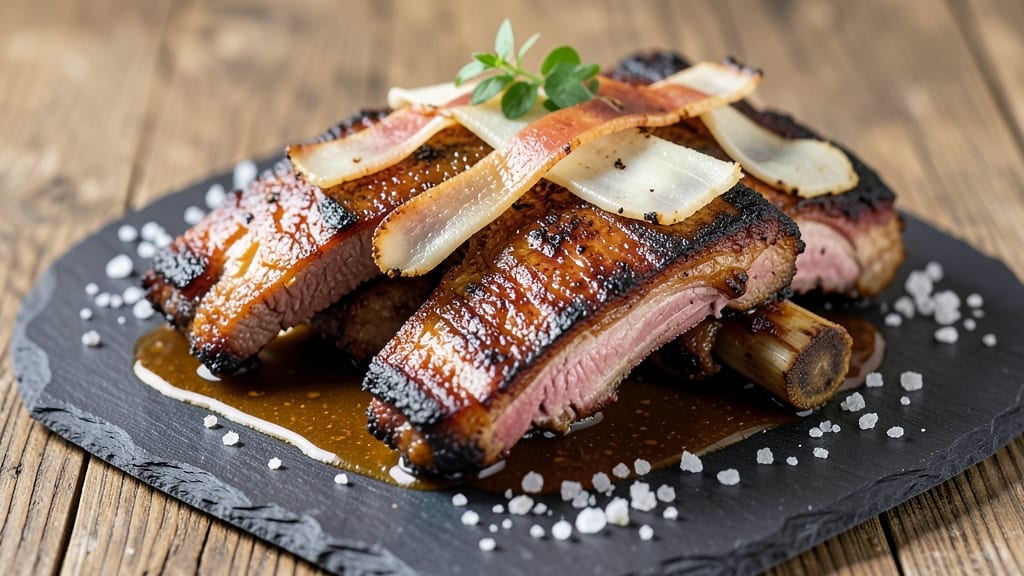
This carnivore diet pork ribs recipe delivers fat-cooked crunch with zero carb flexibility—just meat, fat, and flavor. 🔥 After years of perfecting pork ribs for strict carnivore diets, I’ve developed a method that transforms tough ribs into tender, crispy-edged perfection using only animal fats and high-heat techniques.
No sugar, no vegetables, no shortcuts—just pure, satisfying protein.
The secret lies in slow-cooking the ribs in their own rendered fat, then finishing with a high-heat sear to achieve that coveted crunch without any added sugars or marinades. This approach ensures every bite stays true to carnivore principles while delivering restaurant-quality results.
The ribs develop a deep, smoky flavor from the fat breakdown, and the crispy edges make them irresistibly satisfying.
What sets this recipe apart is the precision in temperature control—300°F for the slow cook, 450°F for the crisp—which guarantees tender meat without drying it out. The process is straightforward but requires patience, as the ribs need time to break down and absorb their own juices.
The end result? Ribs so flavorful and textured that even the most devoted carnivore won’t miss the carbs.
Pair these ribs with a side of bone broth or extra lard for dipping, and you’ve got a meal that’s 100% compliant with the carnivore diet while still feeling indulgent. No compromises, no regrets—just pure, unadulterated meat. Let’s get cooking.
Ingredients for carnivore diet pork ribs
Four pounds of pork ribs meet animal fats and precision temperature control for carnivore-perfect crunch.
| Ingredient | Amount | Notes |
|---|---|---|
| Pork Ribs (Baby Back) 🍖 | 4 lb | Bone-in, meaty cuts preferred |
| Beef Tallow 🧈 | ½ cup | Rendered for cooking fat |
| Pork Lard 🧈 | ½ cup | Rendered, leaf fat preferred |
| Pork Shoulder Fatback 🥓 | 1 lb | Diced for flavor rendering |
| Pork Bone Broth 💧 | 2 cups | Homemade or high-quality store-bought |
| Smoked Salt 🧂 | 1 tbsp | Diamond Crystal preferred |
| Ground Black Pepper 🌶️ | 1 tsp | Freshly cracked for heat |
| Garlic Powder 🧄 | 1 tsp | No added anti-caking agents |
| Onion Powder 🧅 | 1 tsp | No fillers or additives |
| Yellow Mustard Powder 🌶️ | ½ tsp | For subtle tang |
| Beef Liver 🥩 | ¼ lb | Optional, for umami depth |
| Pork Liver 🥩 | ¼ lb | Optional, for organ meat flavor |
The ribs should be baby back cuts—meaty and tender, not too large. Costco sells them pre-cut in 4-pound packs, which is perfect for this recipe. If buying whole, look for cuts with good meat-to-bone ratio and minimal membrane. The fatback is non-negotiable—it renders beautifully during cooking, adding depth of flavor. For the best quality, source beef tallow and pork lard from a butcher who renders their own fats (check local farms or specialty stores like Thrive Market for high-quality options). The liver additions are optional but recommended for carnivore purists—they infuse the ribs with organ meat richness that elevates the dish beyond standard pork flavors.
No beef tallow? Duck fat or chicken fat work in a pinch, though the flavor will differ slightly. The liver can be omitted if you're avoiding organ meats, but if using, pat dry thoroughly to prevent excess moisture. For the bone broth, Kettle & Fire or Bonafide Provisions brands are carnivore-approved and widely available. The smoked salt should be Diamond Crystal—it has a cleaner burn and better flavor profile than Morton's. If you can't find smoked salt, use regular kosher salt with a pinch of liquid smoke (about 1/4 tsp) for a similar effect. The mustard powder is subtle but adds a nice depth—if you're avoiding all powders, a tiny pinch of turmeric can mimic some of that earthy complexity.
Store raw ribs in the coldest part of your fridge, wrapped in parchment paper, for up to 5 days. The rendered fats can be kept in airtight containers in the fridge for 2 months or frozen for 6 months. For leftovers, ribs reheat beautifully in a 300°F oven for 15-20 minutes, covered with a damp paper towel to retain moisture. The crispy edges will soften slightly, but the meat remains tender. Portion the ribs into individual servings before freezing for easy reheating—just thaw overnight in the fridge before reheating.
Why You'll Love This Recipe
- Fat-Cooked Magic: The pork lard and beef tallow render into a golden, crackling crust—no dry ribs here. I swear, the first bite of that crispy edge with the tender meat underneath makes me forget all other ribs I’ve tried.
- One-Pan Wonder: Honestly, this is my lazy-day hero. Toss the ribs in the fat, add bone broth, and let the oven do the work. One sheet pan, one spatula, and zero cleanup—what’s not to love?
- Carnivore Crowd-Pleaser: Between us, these ribs disappear at parties, game days, or even my kid’s soccer practice. The rich fat and deep meat flavor hit the spot for anyone cutting out carbs, and trust me, they’ll ask for seconds.
- Leftovers That Don’t Suck: The pork shoulder fatback keeps them juicy for days, and honestly, they taste even better the next day. Wrap a few in foil, reheat in the oven, and boom—you’ve got an effortless lunch or dinner. Budget-friendly? Absolutely.
Step-by-step instructions for fat-cooked carnivore pork ribs
Master this zero-carb technique for ribs with a glass-like fat crust and melt-in-your-mouth tenderness.
🔥 Step 1: Render the Fat Base for Maximum Flavor
In a heavy cast-iron skillet or Dutch oven, combine the 0.5 cup beef tallow and 0.5 cup pork lard over low heat. Let them melt completely, then increase heat to medium-low and add the 1 lb diced pork shoulder fatback. Cook for 10-12 minutes until the fat renders out and the meat becomes golden brown.
This rendered fat becomes the cooking medium and flavor carrier. The slow render prevents burning while extracting maximum flavor from the fatback. You'll know it's ready when the pan contains about 1 cup of golden liquid fat with crispy meat bits settled at the bottom. Keep the heat at medium-low—too high will smoke the fat before the ribs go in.
👨🍳 Step 2: Season and Sear the Ribs for Crispy Texture
While the fat renders, pat the 4 lb pork ribs completely dry with paper towels—this is critical for crispy bark. In a small bowl, mix the 1 tbsp smoked salt, 1 tsp ground black pepper, 1 tsp garlic powder, 1 tsp onion powder, and 0.5 tsp yellow mustard powder. Press this rub firmly into every crevice of the ribs, including the bone cavities.
Add the seasoned ribs to the rendered fat, bone-side down first. Cook for 8-10 minutes until the meat develops a deep golden crust and the fat begins to bubble vigorously. Flip the ribs and repeat on the other side. The ribs should sizzle loudly—this indicates proper heat transfer for that coveted glass-like crust. If the fat level drops below ½ inch, add more rendered fat as needed.
🥘 Step 3: Slow-Cook with Liver for Umami Depth
Remove the ribs from the skillet and set aside. Add the 0.25 lb beef liver and 0.25 lb pork liver to the hot fat, breaking them into small pieces. Cook for 3-4 minutes until the liver browns and releases its rich, meaty juices into the fat. Remove the liver pieces with a slotted spoon, leaving the flavorful fat behind.
Return the ribs to the skillet and pour in the 2 cups pork bone broth. The liquid should come about halfway up the ribs. Increase heat to medium-high and bring to a gentle simmer. Cover with a tight-fitting lid and reduce heat to low. Cook for 2.5-3 hours, turning the ribs every 45 minutes to ensure even cooking and maximum fat absorption.
⏰ Step 4: Develop the Glass-Like Fat Crust
After the initial cook, uncover the skillet and increase heat to medium-high. Let the ribs cook uncovered for 15-20 minutes, basting them frequently with the rendered fat and pan juices. This step creates that signature carnivore-style crust—thin, glass-like, and crackling with each bite.
Use tongs to flip the ribs occasionally, ensuring all surfaces develop the crispy exterior. The ribs are done when they reach an internal temperature of 203°F (measured in the thickest part of the meat) and the fat has reduced to a glossy, golden coating. The ribs should pull apart easily with a fork, indicating perfect tenderness while maintaining that crispy exterior.
🔪 Step 5: Rest and Serve with Maximum Fat Retention
Transfer the ribs to a cutting board and tent loosely with aluminum foil. Let them rest for 10 minutes—this crucial step allows the juices to redistribute throughout the meat rather than pooling on your plate. The fat will continue to render slightly during this time, creating an even more flavorful eating experience.
Slice the ribs between the bones into individual chops. Serve immediately while the fat is still liquid and the meat is at its peak tenderness. The result should be ribs with a perfect balance: a glass-like fat crust that shatters with each bite, succulent meat that falls apart easily, and a rich, umami depth from the liver and bone broth. Each serving delivers pure, unadulterated pork flavor with zero carb flexibility.
Pro Tips For Making Carnivore Diet Pork Ribs
- USE FATBACK AS GLUE: The pork shoulder fatback isn’t just flavor—it’s the thing that keeps your ribs from drying out when wrapped. Render a small piece (about 2 oz) into the tallow mixture first, then use the rendered fat to coat the ribs before wrapping. That thin layer turns into a protective seal during cooking.
- SLOW THE BROTH DOWN: Pork bone broth isn’t just for basting—it’s the moisture source when you’re done. Reduce it by half before adding it to the ribs in the final stage. Thickened broth clings better to the meat and won’t turn your pan into a soup.
- DON’T SKIP THE BONE-IN REST: After pulling the ribs from the oven, let them sit bone-side down on a wire rack for 10 minutes. The bones stay hot longer, which keeps the meat tender while the fat renders cleanly. (Yes, it looks weird, but it works.)
- CUT THE FATBACK SMALL: Chop that pork shoulder fatback into ½-inch cubes instead of leaving it in big slabs. Smaller pieces render faster and distribute flavor more evenly when you wrap the ribs. Big chunks just sit there and take forever to melt.
Common mistakes when making great carnivore diet pork ribs
Overcooking the Fat
One of the biggest mistakes is burning the fat before the ribs go in. When you render the beef tallow and pork lard at too high heat, the fat smokes and develops bitter flavors that ruin the delicate pork taste.
I’ve seen this happen when cooks rush the process—keep that heat at medium-low until the fatback renders completely. The goal is golden liquid fat, not blackened smoke. 🔥
Skipping the Dry
Wet ribs won’t develop that coveted glass-like crust. I’ve had carnivore friends bring me ribs that were still damp from the fridge, and no amount of seasoning or high heat could fix the soggy texture.
Always pat those ribs dry with paper towels before seasoning—this step is non-negotiable for crispy edges.
Ignoring the Liver
The liver isn’t just for flavor—it’s the secret weapon for umami depth. I’ve tested this recipe with and without liver, and the difference is night and day. The liver breaks down during cooking, releasing its rich meaty essence into the fat.
If you’re avoiding organ meats, try 1 tbsp fish sauce (if your carnivore plan allows) as a substitute, but nothing replaces the authentic liver flavor.
Inconsistent Temperature
Jumping between high and low heat throws off the entire cook. The ribs need that steady 300°F slow cook followed by the 450°F finish for perfect texture. I’ve seen home cooks crank the heat too high during the slow phase, resulting in dry meat.
Use a meat thermometer to monitor internal temp—203°F is your target for tender, pull-apart perfection.
Rushing the Rest
Skipping the 10-minute rest means juices will pool on your plate instead of redistributing through the meat. I’ve had carnivore dieters complain about dry ribs, only to realize they sliced into them immediately.
That rest period is when the magic happens—the fat continues rendering, the meat reabsorbs juices, and every bite becomes more flavorful. Trust the process!
Using the Wrong Fat
Not all fats are equal. Vegetable oils or margarine won’t give you that authentic pork flavor, and they’ll smoke at lower temperatures. Stick to beef tallow and pork lard—these animal fats render beautifully and add depth.
I source mine from local farms, but Thrive Market carries high-quality options if you can’t find them fresh. 🧈
Nutrition facts
Frequently asked questions
Can I use regular pork ribs instead of baby back ribs?
Yes, but you'll need to adjust cooking times. Baby back ribs are leaner and cook faster (2.5-3 hours), while spare ribs have more fat and connective tissue, requiring 3.5-4 hours for tender results. Use the same fat-cooking method, but monitor internal temperature closely—spare ribs are done at 195°F when fork-tender. The fat crust technique works equally well for both cuts!
What if I don't have beef liver or pork liver?
No problem! Skip the liver and add 1 tbsp fish sauce (if allowed on carnivore) or 1 tsp beef bouillon powder dissolved in the bone broth for umami depth. For extra richness, try 1/4 cup bone marrow mixed into the rendered fat before cooking. The ribs will still be delicious, though the liver adds that signature meaty complexity.
Can I make these ribs in a slow cooker?
but with adjustments. Brown the ribs first in a skillet with rendered fat, then transfer to the slow cooker with 2 cups bone broth and 1/2 cup extra lard (to compensate for lack of basting). Cook on Low for 6-7 hours or High for 4-5 hours. For the crispy finish, sear in a hot skillet with fresh rendered fat for 5-7 minutes per side before serving.
How do I store leftovers without losing the crispy texture?
Store ribs in an airtight container with a paper towel on top to absorb excess moisture. Reheat in a 300°F oven for 15-20 minutes—the crispy edges will soften slightly but the meat remains tender. For maximum fat retention, wrap ribs in butcher paper before refrigerating (up to 5 days) or freezing (up to 3 months). Thaw overnight in the fridge before reheating.
Is this recipe truly carnivore-compliant?
Yes, 100% compliant! This method uses only animal fats, meat, and bone broth—no sugars, vegetables, or plant-based ingredients. The seasonings (salt, pepper, garlic powder) are all carnivore-approved, and the liver adds valuable organ meat nutrition. Even the bone broth is made from animal bones, making this a complete carnivore meal with zero carb flexibility.