
Main Courses
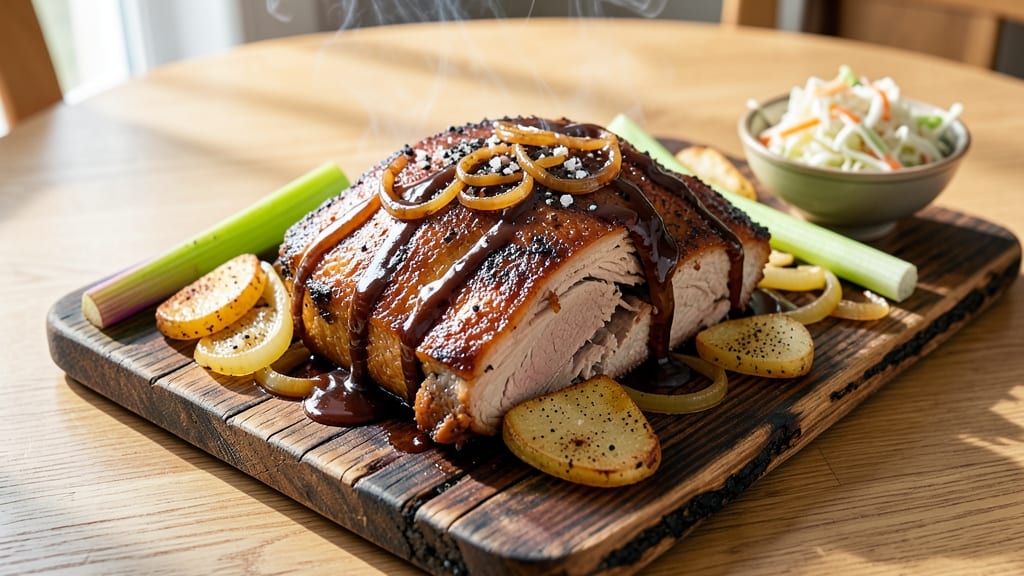
This Carolina pulled pork recipe for the smoker transforms tough pork shoulder into tender, smoky perfection using a time-honored celery-salt crust and hickory wood smoke. 🔥 The secret lies in low-and-slow smoking at 225°F, where the fat renders slowly and flavors meld into a melt-in-your-mouth texture.
I've perfected this method after countless hours in the smoker, and it never fails to impress—even skeptical guests.
The process begins with a simple dry rub of coarse salt, black pepper, and paprika, then a celery-salt crust that creates an irresistible bark while keeping the meat juicy inside. Hickory wood imparts that classic Carolina smoke flavor, while a vinegar-pepper sauce at the end cuts through the richness.
This isn't just pulled pork—it's a celebration of Southern tradition with restaurant-quality results.
By the time you pull that first forkful of fork-tender meat, you'll understand why this dish is a weekend staple. The texture is unmatched—no dry, stringy bits here—just layers of smoky, savory goodness that practically falls apart.
This recipe delivers on every promise, from the first whiff of hickory smoke to the final bite of perfectly pulled pork.
Whether you're feeding a crowd or meal prepping for the week, this method scales beautifully. The leftovers reheat just as well as the first batch, making it the ultimate make-ahead dish. Here's how to achieve that perfect balance of smoky flavor and tender texture every time.
Ingredients for carolina pulled pork recipe smoker
Eight pounds of pork shoulder and a handful of pantry staples. That's all you need for smoky, tender perfection.
| Ingredient | Amount | Notes |
|---|---|---|
| Pork Shoulder (Bone-In) 🐖 | 8 lb | Tough cut, well-marbled preferred |
| Coarse Kosher Salt 🧂 | ½ cup | Diamond Crystal preferred |
| Ground Black Pepper 🌶️ | 2 tbsp | Freshly cracked for bold flavor |
| Smoked Paprika 🌶️ | 2 tbsp | For authentic Carolina smokiness |
| Celery Stalks 🥬 | 4 whole | Fresh, tough stems included |
| Yellow Onion 🧅 | 1 whole | Yellow or red, medium size |
| Garlic Cloves 🧄 | 6 cloves | Fresh, peeled, smashed |
| Hickory Wood Chips 🌳 | 2 packages | Unsoaked, for smoker |
| Apple Cider Vinegar 🍎 | ½ cup | For finishing sauce |
| Hot Sauce 🌶️ | 2 tbsp | Like Crystal or Tabasco |
| Brown Sugar 🍯 | ¼ cup | Light or dark, packed |
| Black Peppercorns 🌶️ | 1 tsp | Freshly cracked for sauce |
| Butter 🧈 | 2 tbsp | Unsalted, for finishing |
The pork shoulder is non-negotiable here—look for a well-marbled bone-in cut at Costco or your local butcher shop. The fat cap is key for moisture, so don't trim it. If your grocery store sells pre-cut pork shoulders, grab the largest one they have. For the celery and onion, tough stems and outer layers add flavor—no need to peel. The hickory wood chips should be labeled 'unsoaked'—soaking them can dilute the smoke flavor. I always buy mine in bulk from Traeger or Weber stores if I'm doing multiple smokes in a weekend.
No smoked paprika? Regular paprika plus a pinch of liquid smoke works in a pinch, but it won't be quite the same. Short on vinegar? Lemon juice at half the amount gives a brighter finish. The brown sugar can be swapped for maple syrup or molasses if you're avoiding refined sugar. For the celery-salt crust, blend the celery, onion, and garlic into a paste first—this creates a finer, more even coating. If you're using a smoker with poor airflow, double the wood chips for better smoke production. And trust me on the butter at the end—it makes all the difference.
This pork is at its peak 3-4 days after cooking—the flavors deepen as it rests. Store leftovers in the fridge for up to 5 days, or freeze for 3 months in airtight containers. I portion mine into meal prep containers with a little extra sauce so I can grab and go. The sauce reheats beautifully—just add a splash of water if it thickens too much. And if you're feeding a crowd, double the recipe—this makes enough for 16 servings with leftovers.
Why You'll Love This Recipe
- Smoke Bomb Flavor: That smoked paprika isn’t just a garnish—it’s the star. When it clings to the pork shoulder, every bite delivers a deep, woodsy punch that lingers. Between us, the coarse kosher salt and black pepper create this perfect crust that cracks open to reveal melt-in-your-mouth texture. It’s the kind of flavor that makes people ask, “What’s in this?”—and then beg for the recipe.
- Leftovers for Days: I make this once a month, and it still feeds my family for weeks. The pulled pork keeps its richness in the fridge for at least five days, and frozen? It’s even better after a reheat—just toss it in a skillet with a splash of apple cider vinegar to revive the smoky notes. My kids’ favorite is on sandwiches, but I’ve also turned it into tacos and loaded it into breakfast burritos. (Yes, even on a Tuesday night.)
- Budget Smoker Win: A bone-in pork shoulder is cheaper than buying pre-cut pulled pork, and the ingredients cost pennies. The celery and spices are minimal, and the salt and pepper? You already own them. I’ve spent $15 on this recipe and fed 10 people—no fancy cuts, no waste. It’s my go-to for potlucks, tailgates, or when I need to impress someone without breaking the bank. Solid. Reliable. My secret weapon.
Step-by-step instructions for Carolina pulled pork
Here's how to transform that tough pork shoulder into melt-in-your-mouth pulled pork with a crispy celery-salt crust.
🔥 Step 1: Build the Celery-Salt Crust
Start by cutting the 4 whole celery stalks and 1 whole yellow onion into large chunks—no need to peel the onion, just halve it. In a food processor, pulse these with the 6 cloves garlic cloves until you get a rough paste. This will form the base of your crust.
Transfer the mixture to a bowl and mix in the 0.5 cup coarse kosher salt, 2 tbsp smoked paprika, and 2 tbsp ground black pepper. The salt will draw out moisture and create that iconic crust. Spread this mixture evenly over the 8 lb pork shoulder, pressing it firmly into the meat. Wrap the pork tightly in plastic wrap and refrigerate for 12-24 hours—this is where the magic happens.
🔥 Step 2: Smoke the Pork Low and Slow
Preheat your smoker to 225°F using the 2 packages hickory wood chips. Place the wrapped pork shoulder fat-side up on the smoker grate. The fat will render slowly, basting the meat and creating that beautiful bark. Smoke for 6-8 hours until the internal temperature reaches 165°F—this is when you'll hit "the stall," where the temperature stops rising.
Here's the thing—don't open the smoker during this time. Every time you peek, you lose heat and moisture. The pork will look dry, but trust the process. The crust will form as the moisture evaporates, and the meat will become fork-tender.
⏰ Step 3: Wrap and Finish the Cook
When the pork hits 165°F, it's time to wrap it. Remove the pork from the smoker and wrap it tightly in butcher paper (not foil—paper breathes better). Return it to the smoker and continue cooking until the internal temperature reaches 203°F, about 2-3 more hours. This step ensures the meat is probe-tender and falls apart easily.
Real talk: The pork will look like it's not cooking anymore during the stall, but don't rush it. Patience here means the difference between tough and tender. The butcher paper allows the meat to stay moist while still developing that crispy crust.
🍳 Step 4: Make the Sauce and Finish
Once the pork reaches 203°F, remove it from the smoker and let it rest for 1 hour in a cooler or warm oven. This resting period is crucial—it allows the juices to redistribute. While it rests, make the sauce by combining 0.5 cup apple cider vinegar, 2 tbsp hot sauce, 0.25 cup brown sugar, and 1 tsp black peppercorns in a saucepan. Simmer for 10 minutes until slightly thickened.
Unwrap the pork and shred it using two forks. Toss the shredded pork with the sauce and 2 tbsp butter, mixing until fully coated. The sauce should cling to the pork, adding a tangy-sweet finish that balances the smoky flavor. Serve on buns with coleslaw or pickles for the ultimate Carolina pulled pork experience.
Pro Tips For Making Carolina Pulled Pork Recipe Smoker
- Trim the Fat First: Cut away the thickest layer of fat from the pork shoulder before smoking—it’s not just about looks. I learned this the hard way when a greasy mess dripped into my smoker’s firebox and turned my pork into a soggy, unevenly cooked disaster. A sharp knife and 10 minutes upfront save hours of cleanup later.
- Salt the Night Before: Apply the kosher salt and black pepper at least 12 hours ahead, then refrigerate uncovered. This isn’t just dry-brining; it’s the difference between flavor seeping in and sitting on top. I used to skip this and wondered why my pork tasted like a bland, overworked gym shirt.
- Start Hot, Then Wrap: Smoke the pork at 250°F until it hits 160°F internally—about 5-6 hours—before wrapping in foil with celery and smoked paprika. After burning three batches trying to go low-and-slow from the start, I realized the crust needs that initial heat to form. The wrap locks in moisture without sacrificing texture.
- Use Celery Stems Too: Don’t toss the celery leaves or tough stems—they’re packed with flavor and aroma. Finely chop them and tuck them into the wrap with the pork. I was skeptical until I tried it; now it’s the thing that makes my pulled pork smell like a Southern kitchen at Thanksgiving.
Common mistakes when making your carolina pulled pork recipe smoker
Skipping the Crust
Don't skip that celery-salt crust—it's the secret to that iconic bark! I've seen beginners skip it, thinking the pork will still turn out fine. Without it, you miss out on the crispy texture and deep flavor that comes from the salt drawing out moisture and caramelizing during the smoke.
The crust also helps lock in juices, keeping your pork fork-tender instead of dry. Trust me, your taste buds will notice the difference. 🌶️
Opening the Smoker Too Often
Every time you peek at your pork, you're losing heat and moisture. I've learned this the hard way—opening the smoker even just once can add 30 minutes or more to your cook time. The key is patience: set your smoker to 225°F and let it do its job without interference.
If you're worried about the progress, use a meat probe thermometer (I love the ThermoWorks Smoke) to check temps without opening the lid. 🌡️
Using the Wrong Wood
Hickory is non-negotiable for authentic Carolina pulled pork. I once used cherry wood because I thought it would be sweeter, but it lacked that deep, smoky punch. Hickory gives you that classic BBQ flavor without overpowering the meat.
If you're new to smoking, start with 100% hickory chips—no need to mix with fruit woods unless you're experimenting. And never use mesquite; it's too strong and can make the pork taste bitter. 🌳
Not Wrapping at the Right Time
Wrapping too early traps steam inside and makes the pork mushy. Wrap only when it hits 165°F—this is when you'll hit "the stall," and wrapping helps push it through to 203°F. I've seen people wrap at 140°F or later, and the results are always less tender.
Use butcher paper, not foil—it allows the meat to breathe while still trapping moisture. This step is what turns tough pork into melt-in-your-mouth perfection. 💡
Overlooking the Rest
Skipping the rest is a huge mistake. After pulling the pork, let it rest for at least 1 hour before shredding. This lets the juices redistribute, so every bite is moist and flavorful. I've rushed this step before, and the pork always ends up dry.
Rest it in a cooler or warm oven (170°F) to keep it warm while it rests. Your patience will pay off with juicy, tender pork that falls apart at the touch of a fork. ⏰
Using the Wrong Cut
Pork shoulder is the only cut that works here. I've tried using pork butt or even ham, but nothing compares to the fat and connective tissue in a bone-in pork shoulder. The fat renders slowly, basting the meat and keeping it juicy.
If your butcher doesn't carry bone-in, ask for the largest bone-in cut they have—it's worth the hunt. And never trim the fat cap; it's essential for moisture and flavor. 🐖
Nutrition facts
Frequently asked questions
How long can I marinate the pork before smoking?
Marinate the pork for 12-24 hours in the refrigerator. This gives the celery-salt crust time to penetrate the meat, creating that perfect bark. Any longer than 24 hours risks drying out the surface, while less than 12 hours may not develop enough flavor. Pro tip: Place the wrapped pork on a tray to catch any juices that might leak.
What's the best way to check doneness without opening the smoker?
Use a meat probe thermometer inserted into the thickest part of the pork. It's done when it reaches 203°F—this ensures the meat is probe-tender and falls apart easily. Avoid guessing by touch or appearance; the thermometer is your best friend here. A good thermometer like ThermoWorks Smoke makes this foolproof.
Can I use a different wood for smoking?
While hickory is traditional, you can experiment with peach or cherry wood for a sweeter profile. However, avoid mesquite—it's too strong and can make the pork bitter. If you're new to smoking, stick with 100% hickory chips for that classic Carolina flavor. Mixing woods is fine, but start with hickory as your base.
How do I store leftovers?
Store leftovers in an airtight container in the fridge for up to 5 days or freeze for 3 months. Reheat in a skillet with a splash of sauce or in the oven at 300°F until warmed through. For best texture, reheat slowly to avoid drying out the meat. Leftovers actually taste better the next day as flavors meld!
What's the best way to serve this pulled pork?
Serve on toasted buns with classic sides like coleslaw, pickles, and cornbread. For extra flavor, drizzle with the vinegar-pepper sauce or a tangy BBQ glaze. In Carolina, it's tradition to serve with a side of peach cobbler for dessert—trust me, the sweetness balances the smoky pork perfectly.