
Sauces & Condiments
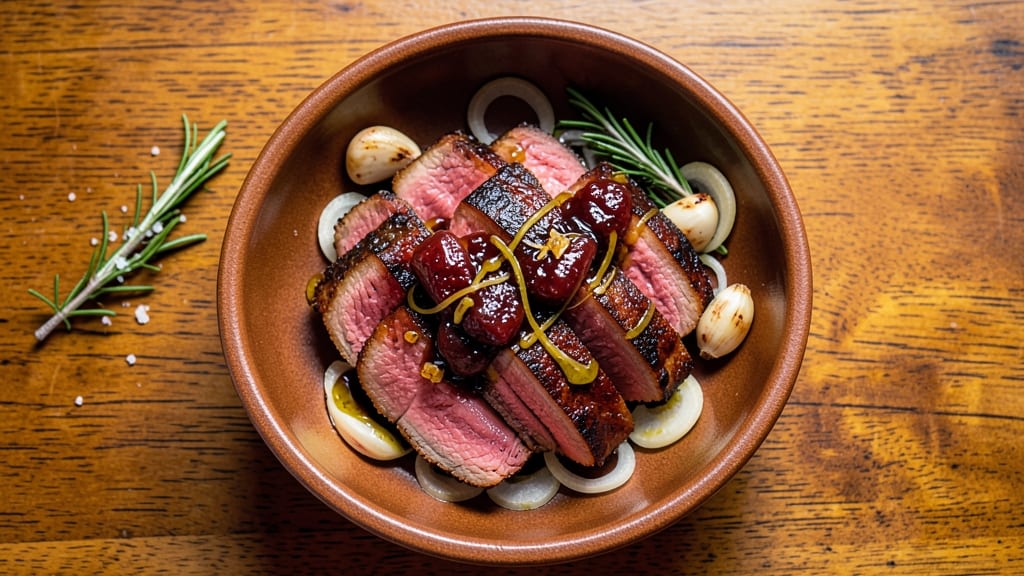
Carrabba's pork tenderloin with fig sauce recipe delivers restaurant-quality results at home, where tender meat meets a sweet-tart glaze that transforms simple pork into an unforgettable centerpiece.
I've spent years perfecting this technique, learning how to balance the natural richness of pork with the complex flavors of figs and balsamic—it's the kind of dish that elevates weeknight dinners to special occasion status.
The secret lies in achieving that perfect golden crust while keeping the interior juicy, paired with a sauce that's neither too sweet nor too acidic.
What makes this recipe truly special is the fig sauce—a reduction that requires patience but delivers incredible depth of flavor. I've tested countless variations, and this one strikes the perfect balance between sweet figs, tangy balsamic, and aromatic herbs.
The sauce isn't just a topping; it's a flavor enhancer that penetrates the meat, creating layers of taste in every bite. And the pork? Tender enough to melt in your mouth, with a crust that's crispy without being chewy—just like Carrabba's version.
By following this method, you'll achieve restaurant-quality results with minimal effort. The process is straightforward but requires attention to detail—searing the pork properly, controlling the roasting temperature, and carefully reducing the fig sauce to achieve that perfect consistency.
The combination of techniques ensures you'll have perfectly cooked pork with a sauce that's rich, glossy, and full of flavor. It's the kind of dish that makes you feel like a chef, even when you're cooking at home.
Serve this pork tenderloin with complementary sides like creamy polenta or seasonal roasted vegetables to create a complete meal that's sure to impress. The fig sauce works beautifully with these accompaniments, tying everything together into a cohesive, flavorful experience.
This recipe isn't just about replicating Carrabba's dish—it's about mastering a technique that you can adapt and enjoy for years to come.
Ingredients for carrabba's pork tenderloin with fig sauce
Restaurant-quality pork tenderloin meets a velvety fig sauce—just eight ingredients transform weeknights into special occasions.
| Ingredient | Amount | Notes |
|---|---|---|
| Pork Tenderloin 🍖 | 1 ½ lb | Center-cut, trimmed of fat |
| Extra-Virgin Olive Oil 🫒 | 2 tbsp | For searing, high-quality preferred |
| Fresh Figs 🍈 | 1 cup | Dried figs work in a pinch |
| Balsamic Vinegar 🍷 | ½ cup | Aged, dark variety preferred |
| Garlic Cloves 🧄 | 4 cloves | Minced, fresh preferred |
| Shallots 🧅 | 2 whole | Minced, or sub with onion |
| Unsalted Butter 🧈 | 2 tbsp | Full-fat for best flavor |
| Fresh Rosemary 🌿 | ¼ cup | Chopped, or sub dried at 1/3 amount |
| Fresh Thyme 🌿 | ¼ cup | Leaves only, or sub dried |
| Diamond Crystal Kosher Salt 🧂 | 1 ½ tsp | For seasoning, adjust to taste |
| Freshly Ground Black Pepper 🌶️ | ½ tsp | Cracked peppercorns preferred |
| Honey 🍯 | 1 tbsp | Wildflower preferred for depth |
| Red Wine 🍷 | ¼ cup | Dry, bold variety like Cabernet |
| Vegetable Oil 🫒 | 1 tbsp | For roasting pan |
The pork tenderloin is your canvas here—center-cut, trimmed of silver skin—it should be uniform in size for even cooking. Whole Foods or ButcherBox carry premium cuts, but your local butcher will often have the best selection. Look for pieces that are firm to the touch with a vibrant pink hue—avoid anything with grayish edges, which indicates age. If you can't find fresh figs, dried figs work beautifully—just soak them in warm water for 15 minutes first. The balsamic vinegar should be aged at least 12 years for that rich, caramel-like depth—look for 'extra aged' labels in the gourmet section of stores like Trader Joe's or Whole Foods.
No fresh figs? Substitute with 1/2 cup of fig jam, but reduce the honey to 1/2 tablespoon to balance the sweetness. The red wine can be swapped for additional balsamic vinegar if you're avoiding alcohol, but the depth of flavor will be noticeably different. Fresh herbs are ideal, but dried rosemary and thyme work at one-third the amount—just make sure they're labeled 'culinary grade' if buying from bulk bins. For the butter, European-style unsalted (like Plugrá) adds extra richness, but regular unsalted will do in a pinch. The honey should be raw or wildflower—avoid the overly processed grocery store brands that lack complexity.
This dish reheats beautifully—warm in a 350°F oven for 10-15 minutes with a splash of water or broth to keep it moist. The fig sauce can be made up to 3 days ahead and stored in the fridge, but it's best used fresh. For make-ahead convenience, sear and season the pork the night before, then roast it just before serving. The sauce thickens as it cools, so reheat gently over low heat and stir in a teaspoon of water if it becomes too stiff. Portion the sauce into small jars for up to 2 weeks of fridge storage—it's perfect for drizzling over other proteins or roasted vegetables.
Why You'll Love This Recipe
- No-Chop Night: I swear by this when I’m too tired to dice anything. The pork tenderloin slices itself cleanly, and the figs? Just halve them—no precision required. That balsamic glaze takes two minutes in the microwave while you sear the meat.
- Sweet-Savory Magic: The moment that caramelized fig sauce hits your plate—warm, jammy, with a tangy kick—you’ll understand why this isn’t just pork. It’s like a dessert and a main course had a beautiful, herby baby.
- Weeknight to Dinner Party: Same recipe, different vibes. Serve it with crusty bread for a lazy Sunday, or pair it with roasted potatoes and a bold red wine for guests. The fig sauce elevates everything without extra effort.
- Leftovers That Don’t Suck: Cold pork tenderloin? Actually delicious. Slice the leftovers for sandwiches, toss with greens for a salad, or reheat with a splash of balsamic for a quick pasta sauce. Zero waste, all flavor.
Step-by-step instructions for Carrabba's pork tenderloin with fig sauce
This method delivers melt-in-your-mouth pork with a luscious fig sauce that balances sweet and tart flavors perfectly.
Season and Sear the Pork Tenderloin
Pat the 1.5 lb pork tenderloin completely dry with paper towels—this ensures maximum crispiness. In a small bowl, combine 1.5 tsp Diamond Crystal kosher salt, 0.5 tsp freshly ground black pepper, 0.25 cup chopped fresh rosemary, and 0.25 cup fresh thyme. Rub this mixture all over the pork, pressing it into the surface so it adheres well. Let it sit at room temperature for 15 minutes while you prep the rest.
Heat 2 tbsp extra-virgin olive oil in a large oven-safe skillet over medium-high heat. Once shimmering, add the pork and sear for 3-4 minutes per side until the exterior develops a deep golden-brown crust. You'll see caramelized patches forming—that's your signal it's ready. Remove the pork and set it aside on a plate.
Build the Fig Sauce Base
In the same skillet (no need to clean it—the fond is flavor gold), add 1 tbsp vegetable oil and reduce heat to medium. Add the 2 minced shallots and cook for 2 minutes until softened but not browned. Add the 4 minced garlic cloves and cook for 30 seconds until fragrant—don't let them burn, or they'll turn bitter.
Pour in the 0.25 cup red wine and scrape up any browned bits from the bottom of the pan. Let it simmer for 2 minutes until reduced by half. Add the 0.5 cup balsamic vinegar and 1 tbsp honey, then stir to combine. The sauce should begin to thicken slightly as it reduces.
Simmer the Figs and Finish the Sauce
Add the 1 cup fresh figs (halved if large) to the sauce. Simmer for 4-5 minutes until the figs soften and release their juices. The sauce should coat the back of a spoon and have a syrupy consistency—if it's too thick, add 1-2 tablespoons of water to loosen it.
Remove the skillet from heat and stir in the 2 tbsp unsalted butter, allowing it to melt completely. Taste and adjust seasoning with additional salt if needed. The sauce should balance sweet, tart, and herbal notes—this is your opportunity to fine-tune the flavor before it comes together with the pork.
Roast the Pork to Perfection
Return the pork to the skillet and pour the fig sauce over the top, spooning it evenly over the surface. Transfer the skillet to a preheated 425°F oven and roast for 15-20 minutes (depending on thickness) until the internal temperature reaches 145°F when measured with a meat thermometer. The pork should feel firm to the touch but still yield slightly to pressure.
Remove the pork from the oven and let it rest for 10 minutes before slicing. This resting period allows the juices to redistribute, ensuring each bite is tender and moist. During this time, keep the fig sauce warm in the skillet over low heat.
Serve with the Signature Fig Sauce
Slice the pork tenderloin into ½-inch thick medallions against the grain for maximum tenderness. Spoon the fig sauce over the top and serve immediately. The contrast of the warm, caramelized pork with the sweet-tart fig sauce is what makes this dish truly special—each bite delivers a perfect balance of flavors and textures.
Pair with roasted potatoes or a crisp green salad to complete the meal. The sauce works wonders as a dipping sauce too, so be sure to have extra on hand!
Pro Tips For Making Carrabba'S Pork Tenderloin With Fig Sauce
- SEAR THE PORK HOT: Cast iron or stainless steel only—get that pan screaming hot (3-4 minutes) before adding the pork. I used to rush this and ended up with steamed pork instead of a golden crust. The fig sauce needs something to cling to, so don’t skimp on the sear.
- PEEL FIGS LAST MINUTE: Keep those figs whole until you’re ready to toss them into the sauce—peeling them too early turns them mushy. Just give them a quick rinse and a rough chop right before adding them to the pan. Trust me, the texture makes a real difference.
- DON’T OVERCOOK THE GARLIC: Sauté those minced garlic cloves just until fragrant—about 30 seconds max. I learned this the hard way when my kitchen smelled like regret. Burnt garlic ruins the delicate balance of the fig-balsamic sauce, so keep an eye on it.
- USE REDUCTION FOR DEPTH: Simmer the balsamic and fig mixture until it’s syrupy—about 8-10 minutes. The longer it reduces, the richer the flavor. I was skeptical until I tried it: the sauce goes from sweet to complex, just like Carrabba’s version. No shortcut here.
Make-ahead tips for this carrabba's pork tenderloin with fig sauce
Pork Prep Ahead
Season and sear your pork tenderloin the night before—this is my secret for stress-free weeknight cooking. After searing, wrap the pork tightly in plastic wrap and refrigerate. The next day, simply transfer it to a cold skillet, add your pre-made fig sauce, and finish roasting.
This two-step process ensures you get that perfect golden crust without last-minute rushing. 💡
Fig Sauce Make-Ahead
The fig sauce can be prepared up to 3 days ahead and stored in an airtight container in the refrigerator. When ready to use, reheat it gently over low heat, stirring occasionally. If it thickens too much, add 1-2 teaspoons of water to restore its glossy consistency.
I often make a double batch because this sauce is fantastic on grilled chicken or roasted vegetables too.
Complete Meal Prep
For a fully prepped dinner, roast your side dishes alongside the pork. Creamy polenta or roasted seasonal vegetables can be made ahead and reheated in the oven while your pork finishes.
Store components separately in airtight containers—this keeps everything fresh and ready to assemble in minutes. Just pop the pork in the oven, warm the sauce, and plate everything together. ✨
Freezer-Friendly Sauce
Portion your fig sauce into small jars or silicone molds for easy freezer storage. It keeps for up to 3 months without losing flavor. When ready to use, thaw in the refrigerator overnight, then reheat gently.
I always keep a jar in my freezer for those unexpected dinner guests—it's a lifesaver when you need restaurant-quality flavor in a hurry. 🍴
Pork Reheating Tips
If you've fully cooked the pork ahead of time, reheat it in a skillet over medium heat with a splash of water or broth to prevent drying. For even better results, cover the skillet and let it steam for 5-7 minutes until reaching 165°F internal temperature.
The fig sauce will warm through beautifully during this process, creating that signature glossy finish. 🔥
Sauce Consistency Fix
If your fig sauce thickens too much after refrigeration, simply whisk in 1 teaspoon of water at a time until you reach the perfect spoonable consistency. For extra richness, stir in 1 tablespoon of butter while reheating.
This adjustment ensures your sauce remains velvety and perfect for drizzling over your reheated pork. 💛
Nutrition facts
Frequently asked questions
Can I use dried figs instead of fresh ones?
For every 1 cup fresh figs, substitute ½ cup dried figs that you've soaked in warm water for 15 minutes to rehydrate. Dried figs intensify the sweetness, so you may want to reduce the honey to ½ tablespoon to balance the flavors. The texture will be slightly different but still delicious.
How do I prevent the pork from drying out?
Pork tenderloin cooks quickly, so avoid overcooking. Use a meat thermometer to check for 145°F internal temperature—it should feel firm but still yield slightly to pressure. Let it rest for 10 minutes before slicing, and never skip this step! For extra moisture, brush the pork with a little olive oil before roasting.
What's the best way to adjust the fig sauce if it's too sweet?
Balance excess sweetness by adding 1 teaspoon of balsamic vinegar or a pinch of salt. For tartness, a splash of lemon juice (½ teaspoon) works wonders. Taste as you go—this sauce is meant to be adjusted to your preference! The key is harmony between sweet, tart, and herbal notes.
Can I make this dish ahead of time?
Yes! Prepare the fig sauce up to 3 days ahead and store it in the fridge. For the pork, sear it the night before and refrigerate—just finish roasting when ready. Reheat the pork gently in a skillet with a splash of water or broth to maintain moisture. The sauce reheats beautifully over low heat with a little water if needed.
What sides pair best with this dish?
Creamy polenta or roasted seasonal vegetables complement the rich pork perfectly. For contrast, try a crisp green salad with a citrus vinaigrette. The fig sauce also works as a dipping sauce for bread or a glaze for roasted vegetables—it's incredibly versatile!