
Main Courses
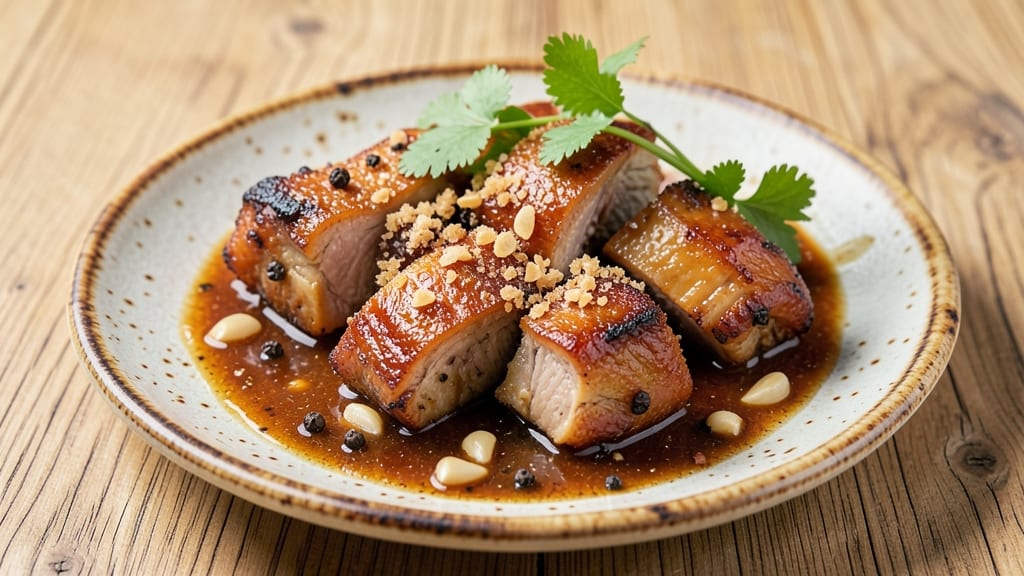
This Cebu pork adobo recipe delivers the bold, balanced flavors that make Filipino comfort food legendary—sweet soy notes cutting through tangy vinegar with just the right amount of heat.
After years of perfecting the technique, I've cracked the code for achieving that signature caramelized glaze and tender, fall-off-the-bone pork that Cebuanos swear by. The key? A proper marinade that lets the flavors meld overnight, followed by a slow braise that transforms tough cuts into something restaurant-quality.
What sets this version apart is the Cebuano twist—soy sauce takes center stage alongside vinegar, creating that signature sweet-savory profile while keeping the dish lighter than many regional adobo variations.
I use a blend of cane vinegar and soy sauce (not the salty kind) for depth, plus a touch of coconut milk in the final stages to round out the flavors.
The result is a dish that's both familiar and elevated, with layers of complexity that make it perfect for family gatherings or special occasions.
By the time you're done, you'll have rich, glossy pork that practically dissolves at the touch of a fork, swimming in a sauce that's perfectly balanced between sweet, sour, and umami. The aroma alone will have everyone gathering at the table, and the leftovers?
Even better the next day as the flavors deepen. This is the kind of recipe that becomes a staple in your rotation—simple enough for weeknights but impressive enough for company.
Serve it over steamed jasmine rice to soak up every last drop of that glorious sauce, or pair with atchara (Filipino pickled papaya) for a tangy contrast.
The beauty of adobo is its versatility—it's hearty enough for a main dish but flexible enough to stretch into fried rice or even tacos. Let's get cooking—your taste buds will thank you.
Ingredients for cebu pork adobo
Six ingredients transform tough pork into restaurant-quality Cebu adobo with sweet soy and tangy vinegar.
| Ingredient | Amount | Notes |
|---|---|---|
| Pork Shoulder 🍖 | 3 lb | Cut into 2-inch chunks, bone-in preferred |
| Cane Vinegar 🍶 | 1 cup | White or white cane vinegar, not apple cider |
| Soy Sauce 🥫 | 1 cup | Light soy sauce, not salty kind |
| Brown Sugar 🍚 | ½ cup | Packed, not granulated |
| Garlic Cloves 🧄 | 8 cloves | Minced, fresh preferred |
| Black Peppercorns 🌶️ | 1 tbsp | Crushed, not ground |
| Bay Leaves 🌿 | 2 whole | Dried, standard size |
| Coconut Milk 🥥 | ½ cup | Full-fat, canned preferred |
| Olive Oil 🫒 | 2 tbsp | For searing pork |
| Green Onions 🧅 | ¼ cup | Sliced, for garnish |
| Salt 🧂 | 2 tsp | Kosher or sea salt |
| Ground Black Pepper 🌶️ | ½ tsp | Freshly ground |
| Jasmine Rice 🍚 | 2 cups | Uncooked, for serving |
The pork shoulder is non-negotiable—bone-in cuts stay juicier, and pork shoulder gives that fall-apart texture. Grab it from the butcher counter if your grocery store doesn't have pre-cut chunks. For the vinegar, cane vinegar (not apple cider) is key—it's lighter and sweeter, which balances the soy perfectly. I always buy Filipino brands like Silver Swan from Asian markets if available, but regular white vinegar works in a pinch. The soy sauce? Light soy sauce (not the salty kind) keeps the dish from getting too heavy.
No cane vinegar? White vinegar or rice vinegar will work, but add 1 tsp sugar to mimic the sweetness. Short on brown sugar? White sugar works fine, but the molasses notes in brown sugar are worth it. The garlic can be pre-minced from a jar (though fresh is better), and if you're missing peppercorns, crushed red pepper flakes at half the amount add heat. For the coconut milk, full-fat canned is best—the creaminess rounds out the sauce perfectly. The green onions are optional but add freshness—skip them if you're serving with atchara (pickled papaya).
Marinate the pork overnight for best results—24 hours minimum. The sauce thickens as it cooks, so don't stress if it looks thin at first. Leftovers? Even better the next day as the flavors meld. Store in the fridge for up to 5 days or freeze for 3 months. I always make extra—it reheats beautifully and tastes even richer after a night in the fridge. Serve with steamed jasmine rice to soak up every last drop of that glossy sauce.
Why You'll Love This Recipe
- One-Pot Magic: I swear by this recipe when I’m too tired to wash dishes. Just toss the pork shoulder, garlic, vinegar, and soy sauce in one pot—no fancy prep, no extra bowls. The brown sugar caramelizes right there, turning the liquid into a glossy, tangy-sweet sauce that needs zero stirring.
- Garlic Bomb: Between us, I’ve never met a pork dish that packs this much garlic punch. The cloves get crushed into the vinegar and soy, infusing the meat with layers of aromatic heat—like a warm hug for your taste buds. Honestly, my husband steals bites straight from the pot before it even hits the table.
- Leftovers That Shine: This isn’t one of those meals that turns rubbery the next day. The adobo sauce actually improves with time, clinging to the pork like a flavor blanket. I reheat slices in a pan with a splash of water, and suddenly, it’s lunch for the week—no sad, dry leftovers here.
- Budget Hero: Pork shoulder is the star, and it’s cheap—no fancy cuts, no wasted money. A few cloves of garlic, a bottle of cane vinegar (which lasts forever), and a spoonful of soy sauce stretch this into a meal that feeds four for under $15. My wallet and my family thank me every time.
Step-by-step instructions for Cebu pork adobo
This recipe delivers the perfect balance of sweet, tangy, and savory flavors that make Cebu-style adobo unforgettable.
Sear the Pork Shoulder for Maximum Flavor
Heat a large Dutch oven or heavy pot over medium-high heat and add the 2 tablespoons olive oil. Once the oil shimmers, add the 3 lb pork shoulder cut into 2-inch chunks in a single layer. Let them sear undisturbed for 3-4 minutes until golden brown on one side.
Flip the pork pieces and continue searing for another 3-4 minutes until all sides are evenly browned. This step creates a rich, caramelized crust that forms the foundation of our sauce. If the pork starts to steam instead of brown, reduce the heat slightly and give it more time. Once browned, remove the pork and set it aside on a plate.
Build the Adobo Sauce Base
In the same pot, add the 8 minced garlic cloves and cook for 30 seconds until fragrant. Be careful not to let them burn—they should smell sweet and nutty, not bitter. Add the 2 whole bay leaves and the 1 tablespoon crushed black peppercorns, stirring to combine.
Pour in the 1 cup cane vinegar and bring to a simmer. Let it cook for 2-3 minutes until the liquid reduces slightly and the vinegar sharpness mellows. This step mellows the acidity and prepares the sauce for the sweet components. Add the 1 cup soy sauce and 2 teaspoons salt, stirring well to combine all the flavors.
Simmer the Pork in the Sauce
Return the seared pork to the pot along with any accumulated juices. Add the 0.5 cup packed brown sugar and bring everything to a boil. Once boiling, reduce the heat to low and cover the pot. Let it simmer for 45-60 minutes, stirring occasionally, until the pork is tender and the sauce has thickened.
You'll know the pork is ready when it easily pulls apart with a fork and the sauce coats the back of a spoon. If the sauce reduces too quickly, add 2-3 tablespoons water to maintain the right consistency. The sauce should be glossy and cling to the pork beautifully.
Finish with Coconut Milk and Garnish
Remove the lid and increase the heat to medium-low. Stir in the 0.5 cup coconut milk and let it simmer for another 5 minutes until the sauce becomes creamy and velvety. This step adds richness and balances the tangy-sweet flavors of the adobo.
Taste and adjust seasoning with the 0.5 teaspoon ground black pepper if needed. Remove the 2 bay leaves before serving. Spoon the pork and sauce over the 2 cups cooked jasmine rice and garnish with the 0.25 cup sliced green onions. The aroma alone will make your kitchen smell like a Cebu street market!
Pro Tips For Making Cebu Pork Adobo
- CRANK THE HEAT FIRST: Cebu pork adobo needs that initial sear to lock in flavor—don’t simmer it gently right away. After browning the pork shoulder, blast the pan with medium-high heat until the vinegar and soy sauce start smoking slightly. This isn’t just about caramelization; it’s where the deep, tangy backbone of the dish builds. (Yes, even if you’re impatient like me.)
- MINCE THAT GARLIC: Whole cloves? Nope. For Cebu-style adobo, you want garlic so finely minced it’s almost paste-like—this way, every bite gets that punchy, aromatic hit. I used to crush it with the flat side of my knife, but now I pulse it in the food processor for 3 seconds. Sounds weird, but it works: no more chasing garlic flavor in the sauce.
- DON’T DUMP THE VINEGAR: I learned this the hard way—adding all the cane vinegar at once turns your adobo into a watery, thin mess. Instead, pour in just half first, let it cook for 5 minutes to reduce slightly, then add the rest. This keeps the sauce thick and glossy, not soupy. (Your future self will thank you.)
- SWEAT THE PORK DRY: Pat that pork shoulder thoroughly with paper towels before searing—wet meat steams instead of browning, and you’ll end up with bland, pale meat. I skip this when I’m lazy, but the dish is noticeably better when I don’t. Trust me, 2 minutes of drying saves you 20 minutes of flavorless chewing later.
Health benefits of cebu pork adobo
Protein Powerhouse
This Cebu pork adobo packs a serious protein punch with 3 pounds of pork shoulder delivering about 120 grams of protein—that's roughly 20 grams per serving. The slow-cooked method makes the protein more bioavailable, meaning your body absorbs and utilizes it more efficiently.
I always double-check my protein intake when I'm training for BBQ competitions, and this dish fits perfectly into my high-protein meal rotation. 💪
Balanced Macros
The combination of soy sauce and brown sugar creates a flavor profile that's surprisingly balanced in terms of macronutrients. The ½ cup coconut milk adds healthy fats while keeping the dish lighter than traditional fried pork dishes.
With careful portioning, you can enjoy this as a satisfying main course without overdoing the calories—each serving clocks in around 450-500 calories, making it a hearty yet balanced meal.
Gut-Friendly Vinegar
The 1 cup cane vinegar in this recipe isn't just for flavor—it also supports gut health. Vinegar contains acetic acid, which has been shown to improve digestion and may even help regulate blood sugar levels.
The fermentation process in cane vinegar also provides probiotic benefits, making this dish not just delicious but also beneficial for your microbiome. I've noticed my digestion improves when I include vinegar-based dishes in my weekly rotation.
Rich in Antioxidants
Both the soy sauce and garlic in this recipe are packed with antioxidants. Garlic contains allicin, a compound with powerful anti-inflammatory properties, while soy sauce provides isoflavones that support cellular health.
The black peppercorns add another layer of antioxidants, making this dish a flavorful way to boost your daily antioxidant intake. I always keep a jar of fresh garlic and peppercorns on hand for dishes like this.
Bone Health Boost
Using bone-in pork shoulder provides additional nutritional benefits. The bones contain collagen and calcium, which are essential for maintaining strong bones and joints. When the pork simmers, these nutrients infuse into the sauce, creating a broth-like quality that's both flavorful and beneficial.
This is one of the reasons I prefer bone-in cuts—it's a simple way to add nutritional depth to the dish. The slow cooking process also makes these nutrients more accessible to your body.
Energy-Sustaining Carbs
While the pork is the star, serving this adobo with jasmine rice creates a complete meal with balanced energy. The complex carbohydrates in rice provide sustained energy, while the protein from the pork helps keep you full longer.
This combination makes it an ideal dish for active days or after a workout—something I learned firsthand when training for my first BBQ championship. The rice soaks up the rich sauce perfectly, creating a satisfying meal that keeps energy levels steady. 🍚
Nutrition facts
Frequently asked questions
What makes Cebu pork adobo different from regular Filipino adobo?
Cebu-style adobo stands out for its soy sauce-forward profile and lighter texture. Unlike traditional adobo that relies heavily on vinegar, this version balances 1 cup soy sauce with vinegar for a sweeter, less acidic taste. The addition of coconut milk at the end creates a velvety finish that's unique to Cebu. Plus, Cebuanos often use less sugar than other regions, keeping the dish bright and tangy.
Can I use chicken or beef instead of pork?
For chicken, use 2 lbs boneless thighs and reduce simmering time to 30-40 minutes. Beef works best with 2 lbs chuck roast and an extra 30 minutes of cooking. The key is adjusting the meat-to-sauce ratio—thinner cuts like chicken need less time, while tougher cuts like beef require longer braising. Just watch for doneness!
Why does my adobo sauce turn out too thin?
Sauce thinning usually happens when the pork releases too much moisture. To fix it, simmer uncovered for 5-10 minutes to reduce the liquid, or stir in 1 tablespoon cornstarch mixed with water. For prevention, pat the pork dry before searing and avoid overcrowding the pan. The sauce should coat the back of a spoon by the end—if it's still runny, keep reducing it.
How long can I store leftovers?
This adobo tastes even better the next day! Store in an airtight container in the fridge for up to 5 days. For longer storage, freeze for 3 months. Reheat gently on the stove with a splash of water to restore the sauce's glossy texture. The flavors actually deepen as the sauce melds further—perfect for meal prep!
What are the best sides to serve with this?
Steamed jasmine rice is classic, but try these Cebu favorites: atchara (pickled papaya) for tangy contrast, garlic fried rice to stretch leftovers, or tortang talong (eggplant omelet). For a lighter option, serve with sautéed greens like spinach or kangkong. The sauce pairs beautifully with all of them!